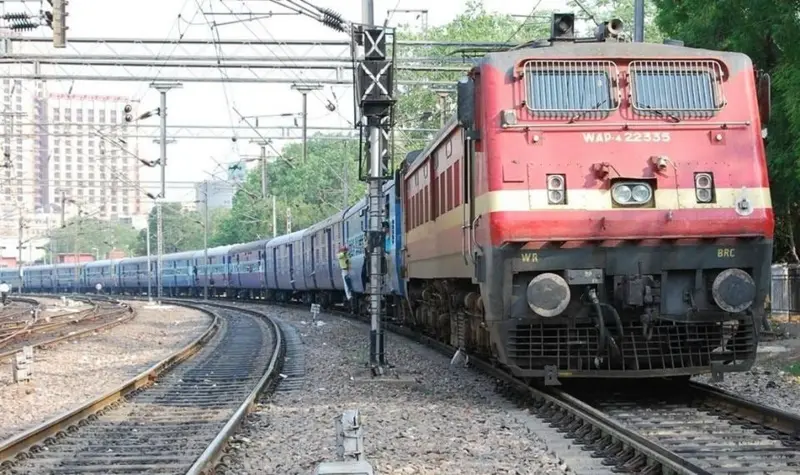



India is preparing to introduce its first hydrogen fuel-cell train, becoming one of the few countries in the world to operate hydrogen-powered rail services. The train will begin operations on the Jind–Sonipat section in Haryana, marking a significant milestone in the country's push for green transportation.
Unlike conventional trains, the hydrogen train does not rely on overhead electric lines or diesel engines. Instead, it uses a 1,200-kilowatt hydrogen fuel-cell propulsion system that generates electricity through a chemical reaction between hydrogen and oxygen. The only by-product of this process is water vapor, making it an environmentally friendly alternative to traditional rail transport.
The 10-coach train has a seating capacity of 682 passengers and can travel at a maximum speed of 75 km/h. It will cover the approximately 90-kilometre journey between Jind and Sonipat in about two hours, operating two trips daily and covering nearly 356 kilometres each day.
The train will stop at multiple stations, including Jind City, Pandu Pindara, Lalit Khera, Bhampega, Ishapur Kheri, Butana, Khandrai, Gohana, Rabra, Lath, Mohana, and Barwasni.
Hydrogen for the train will be produced at a dedicated green hydrogen plant in Jind. Water will be split into hydrogen and oxygen through electrolysis, and the hydrogen will be compressed and stored in high-pressure tanks before being supplied to the train through a specialized refueling facility.
The project also includes hydrogen storage systems, compression equipment, and dedicated refueling infrastructure. Safety approvals for hydrogen storage and distribution have already been granted by the relevant authorities.
Hydrogen trains operate on standard railway tracks and do not require any special rail infrastructure, making them easier to integrate into existing railway networks.
The project supports India's National Green Hydrogen Mission, which aims to make the country a global hub for green hydrogen production by 2030. The government plans to expand the use of hydrogen technology across more railway routes, particularly in areas where railway electrification has not yet been completed.
Initially estimated to cost around ₹150 crore, the project was later optimized by converting an existing diesel train into a hydrogen-powered train, reducing the total cost to approximately ₹111.83 crore.
The launch of India's first hydrogen train represents a major step toward cleaner, more sustainable public transportation while strengthening the country's commitment to reducing carbon emissions.








.jpg)
.jpg)






.jpeg)
.jpeg)
.jpeg)


.jpeg)
.jpeg)
.jpeg)


.jpeg)

.jpeg)


.jpeg)

.jpeg)
.jpeg)



-1783504412913_v.webp)
.webp)

.jpeg)







.jpg)
.webp)





-1782968272532_v.webp)






-1782800857062_v.webp)








-1782462393026_v.webp)


.webp)


-1782369907240.jpg)

-1782358051137.jpg)










.jpg)