

The beginning of every month often brings changes that can directly affect household budgets, transportation costs and daily routines. September 2026 has also started with several important changes covering commercial LPG, aviation fuel, local transport fares, car prices and international travel procedures.
Some of these changes will have a direct impact on consumer spending, while others are aimed at making travel-related procedures more digital.
Commercial LPG Cylinder Becomes Costlier
Oil marketing companies have increased the price of the 19-kg commercial LPG cylinder. In Delhi, the price has increased by ₹9.50 and now stands at ₹2,747.50 per cylinder.
Commercial LPG cylinders are primarily used by restaurants, hotels, roadside eateries and other businesses. An increase in their price can therefore raise operating costs for commercial establishments.
The impact on consumers may also be indirect if businesses pass higher operating costs on through the prices of food and other services.
For household consumers, however, there is some relief. The price of the 14.2-kg domestic LPG cylinder has not been changed from September 1. This means households using the standard domestic cylinder will not face an immediate increase because of this particular revision.
Aviation Fuel Prices Rise
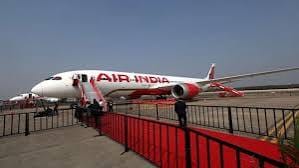
The aviation sector has also seen a significant change. Aviation Turbine Fuel, or ATF, has become more expensive from September 1.
The price has increased by 5.46 percent, or around ₹6.28 per litre, taking the new rate to approximately ₹121.28 per litre.
Fuel is one of the major operating expenses for airlines. Therefore, an increase in ATF prices can potentially put upward pressure on airfares.
However, ticket prices depend on several factors, including airline pricing policies, demand, route economics and other operational costs. Therefore, the exact impact on passengers may vary from one route to another.
Mumbai Auto and Taxi Fares Increase
Commuters in Mumbai and the wider Mumbai Metropolitan Region will also have to pay higher fares for auto-rickshaws and black-and-yellow taxis.
The minimum auto-rickshaw fare has been increased from ₹26 to ₹27. The starting fare for black-and-yellow taxis has gone up from ₹31 to ₹33.
The revised starting fare applies to the first 1.5 kilometres. Passengers will then be charged according to the applicable fare structure for additional distance.
For people who regularly use autos and taxis, even a small increase in the minimum fare can add to monthly transportation expenses.
Select Tata and Hyundai Cars Become More Expensive
People planning to purchase a new car in September may have to revise their budgets. Tata Motors and Hyundai have implemented price increases on selected models.
The companies have cited factors such as higher input costs and inflation while revising prices. Prices of some models have increased by up to ₹25,000.
The actual amount a customer will have to pay depends on the specific model and variant. Buyers should therefore check the latest ex-showroom and on-road prices before finalising a purchase.
Changes in Immigration Procedure
International travellers will also see a procedural change from September 1. Under the new system, immigration officers will no longer stamp physical boarding passes.
Passengers travelling abroad will be required to show their electronic boarding pass on their smartphone during immigration clearance.
This makes it important for travellers to keep their digital boarding pass accessible on their mobile devices.
However, physical boarding passes have not become completely invalid. If a passenger has a paper boarding pass, it can still be accepted at the airport, but immigration officials will not stamp it.
The move is part of the broader shift towards digital processes in international travel. Travellers should therefore ensure that their electronic boarding pass is readily available when approaching immigration.
What These Changes Mean for Consumers
The impact of the September 1 changes will vary from one group to another.
Domestic LPG users have not faced an increase in the price of the 14.2-kg cylinder, providing some relief to household budgets. Commercial establishments, however, will have to deal with the higher price of the 19-kg cylinder.
The rise in ATF prices increases operating costs for airlines and could potentially affect future airfares. Mumbai commuters will face slightly higher auto and taxi fares, while prospective car buyers may need to spend more on selected Tata Motors and Hyundai models.
For international travellers, the immigration change is primarily procedural rather than financial. Keeping the digital boarding pass available on a smartphone will become an important part of the travel process.
Overall, September has brought changes across several areas, from commercial fuel and public transport to vehicle prices and international travel procedures. Consumers and travellers should stay updated on the applicable prices and procedures before making payments or beginning their journey.








.jpg)
.jpg)
.jpeg)



-1786379033380_v.webp)




-1783856750110_v.webp)













.jpg)