Supreme Court to Hear Marital Rape Petitions
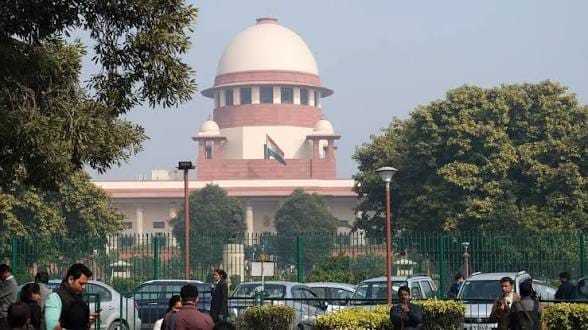
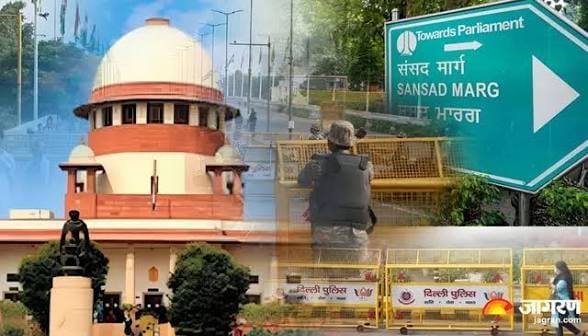
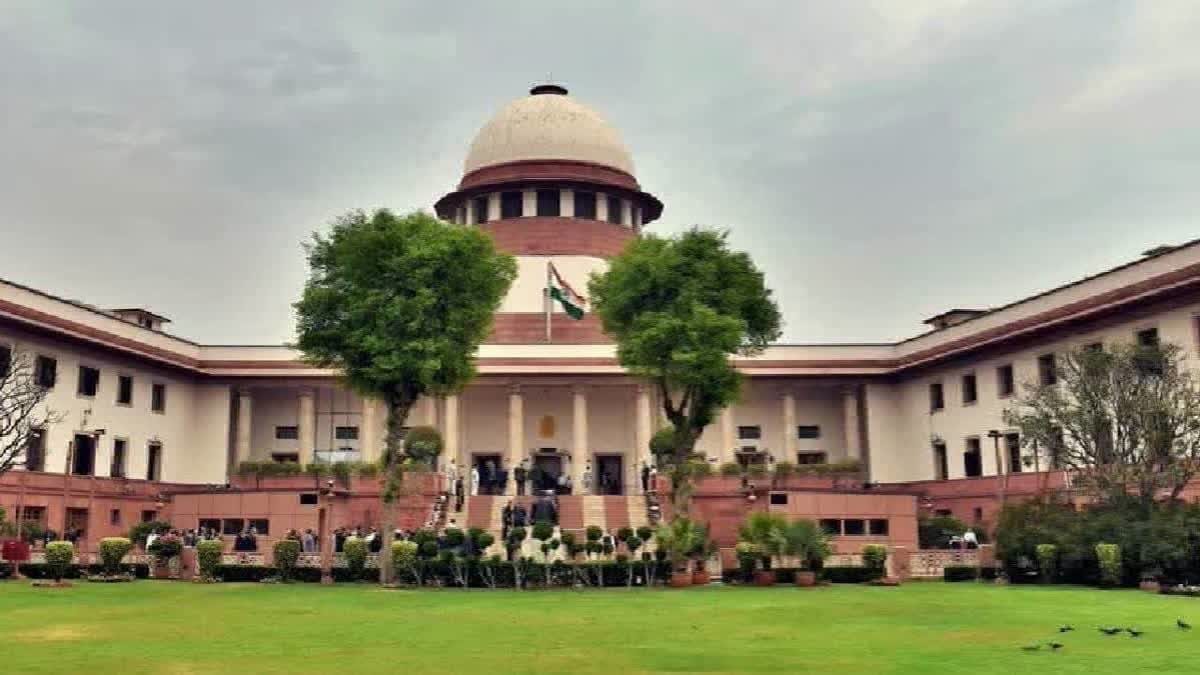
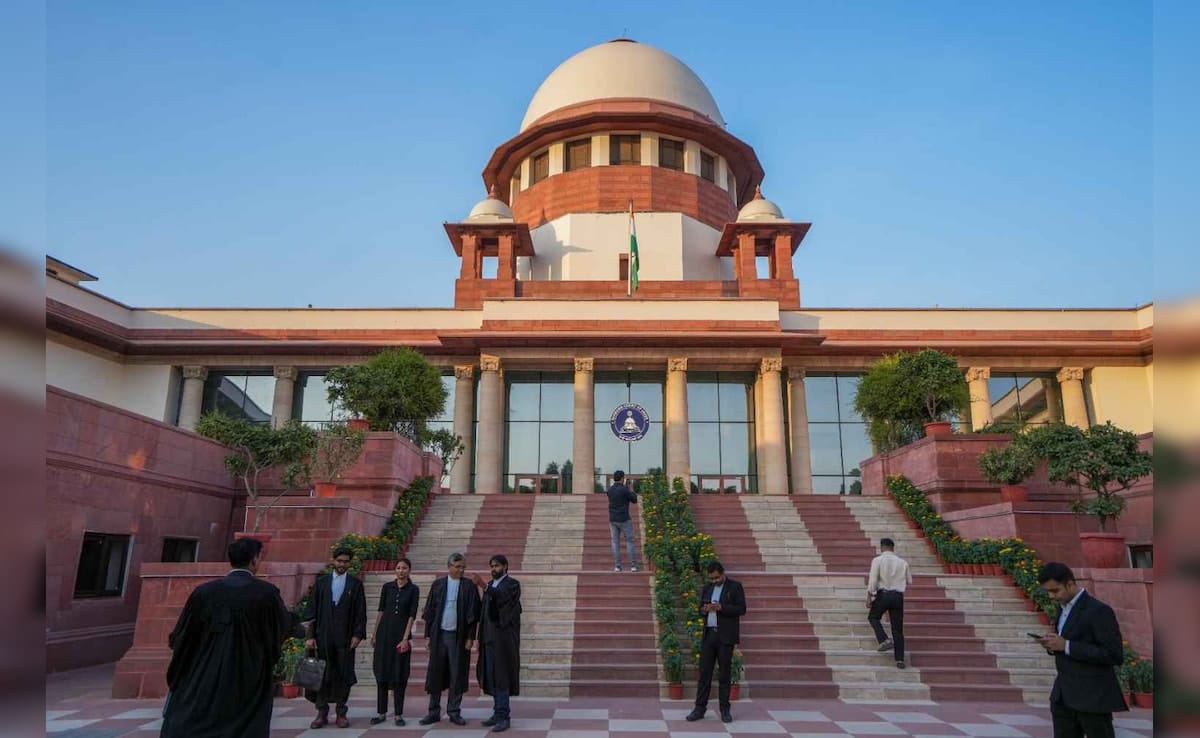
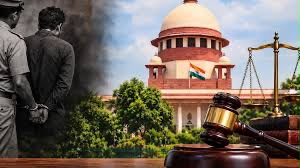
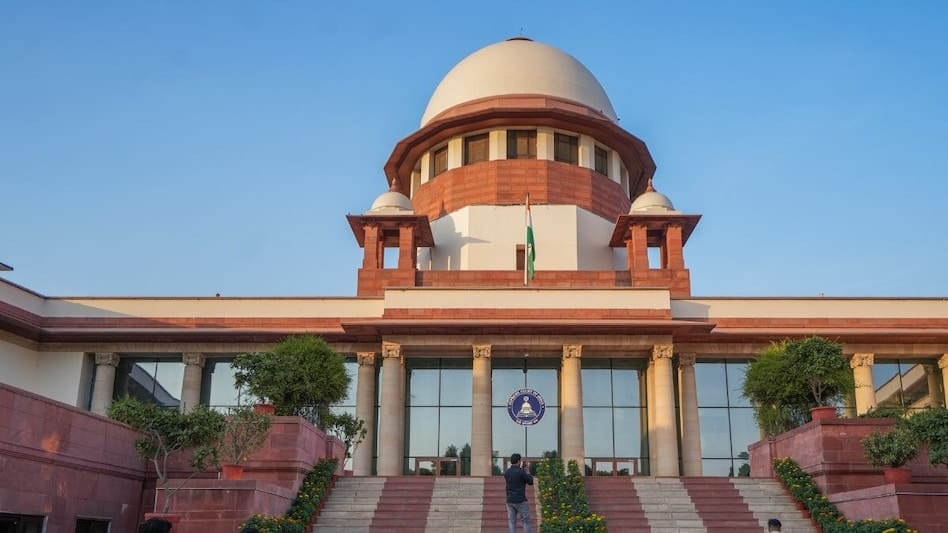
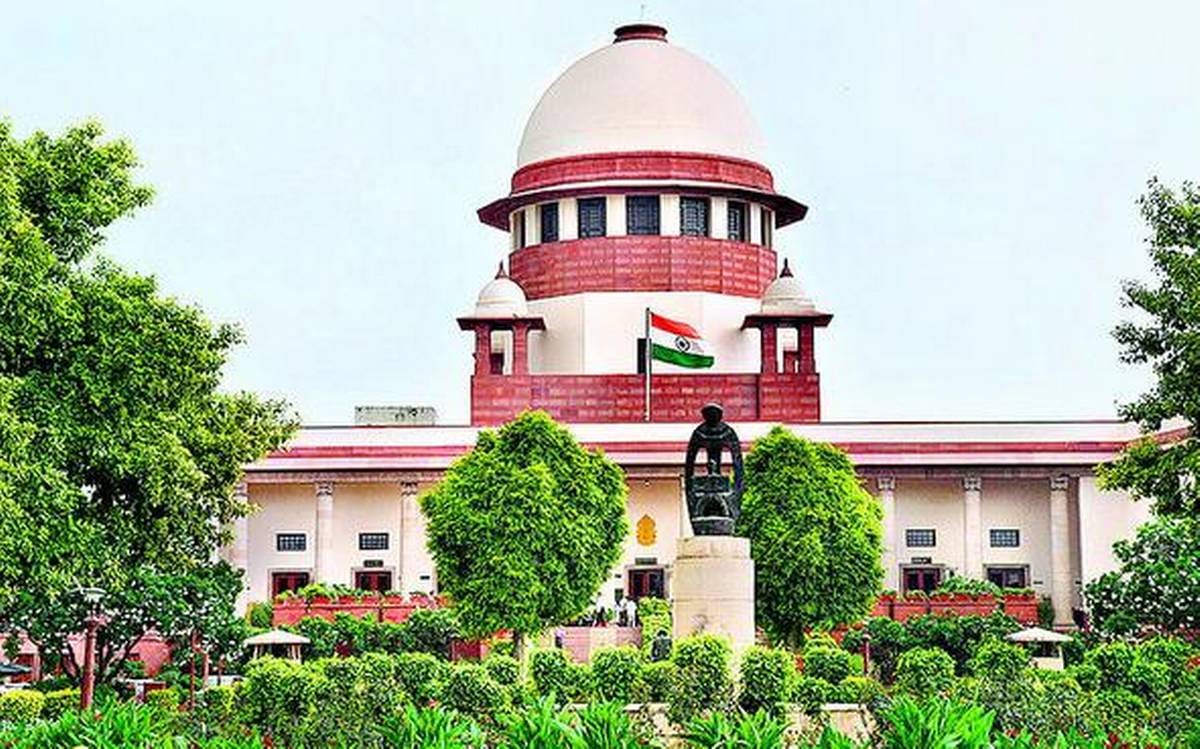
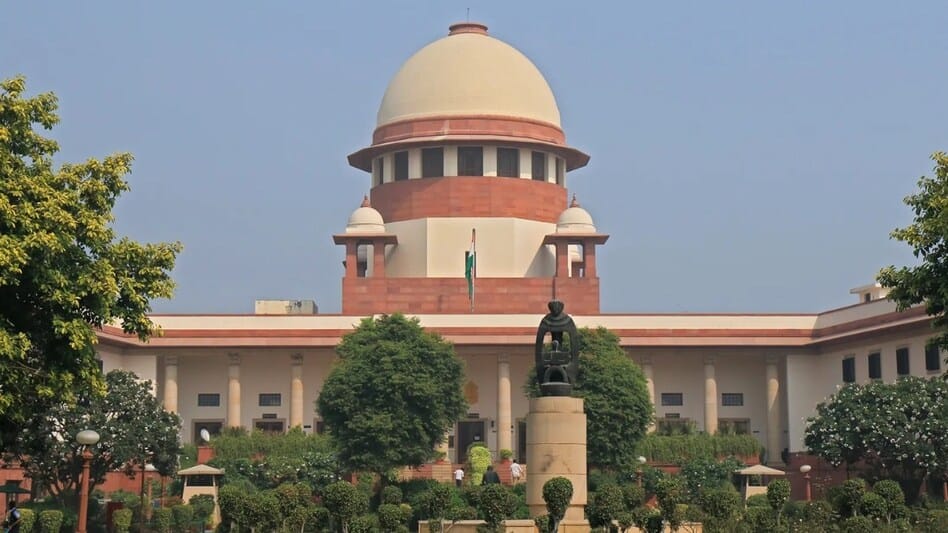
The Supreme Court on Wednesday heard a batch of petitions seeking criminalisation of marital rape and examined important questions surrounding consent, women’s rights and the existing legal framework governing sexual relations within marriage.
The Centre told the court that if marital rape is to be recognised as a separate criminal offence, the decision should be taken by Parliament and the executive rather than by the judiciary.
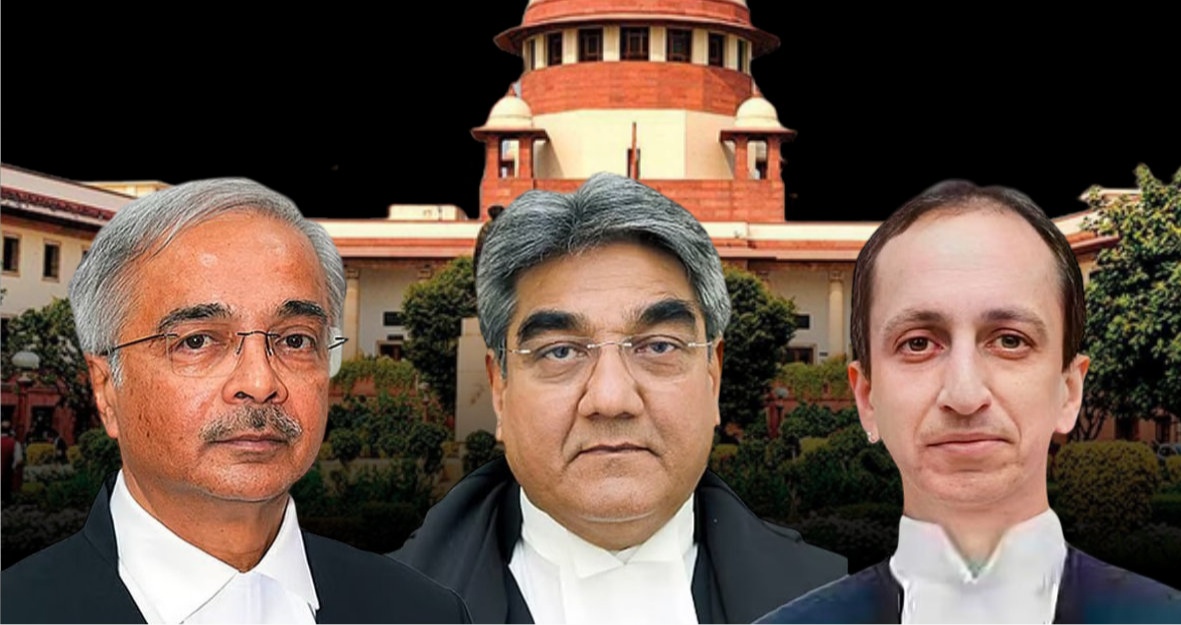
The Supreme Court has directed that the matter be listed for final hearing after three weeks. A bench comprising Chief Justice Surya Kant, Justice Joymalya Bagchi and Justice V. Mohana directed that the case be taken up on Wednesday and Thursday after the three-week period.
Centre Says Parliament Should Decide
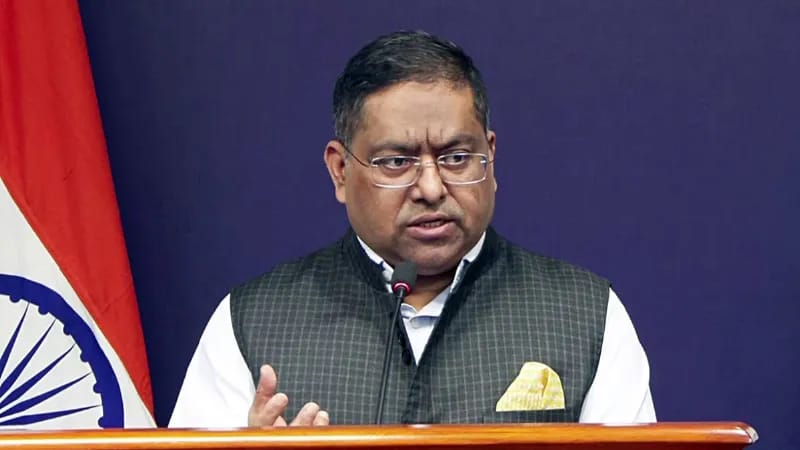
Solicitor General Tushar Mehta, appearing for the Centre, argued that criminalising marital rape is a matter for the legislature. According to the government’s position, the issue involves wider questions relating to marriage, family relationships, criminal law and social policy.
The challenge before the court concerns Exception 2 to Section 63 of the Bharatiya Nyaya Sanhita (BNS). The provision carries forward the legal exception relating to sexual relations between a husband and his wife.
Under the provision, sexual intercourse by a man with his wife, provided the wife is not below 18 years of age, is excluded from the legal definition of rape.
The petitioners have challenged this exception, arguing that marriage should not take away a woman’s right to consent. Their position is that a husband should not receive a legal exemption merely because the woman involved is his wife.
Justice Bagchi Raises Question of Victim Protection
During the hearing, Justice Joymalya Bagchi raised questions concerning the protection of women who are forced into sexual relations without their consent within marriage.
The judge observed that a woman who is forced to have sexual relations against her will is clearly a victim. The court also questioned whether the State recognises such conduct as rape under the existing legal framework.
The bench further observed that marriage cannot mean that a woman loses her personal liberty. The central question before the court is whether non-consensual sexual relations within marriage should legally be treated as rape and how the existing statutory framework addresses such conduct.
Two Key Legal Questions Before the Court
The Supreme Court has indicated that the final hearing will examine two major legal questions.
The first concerns whether prosecution can take place in cases involving marital rape despite the existing statutory exception.
The second question is whether the exception itself is constitutionally valid.
The outcome of the proceedings could have significant implications for the interpretation of consent, women’s autonomy, marital relationships and criminal law.
Petitioners Challenge Legal Protection
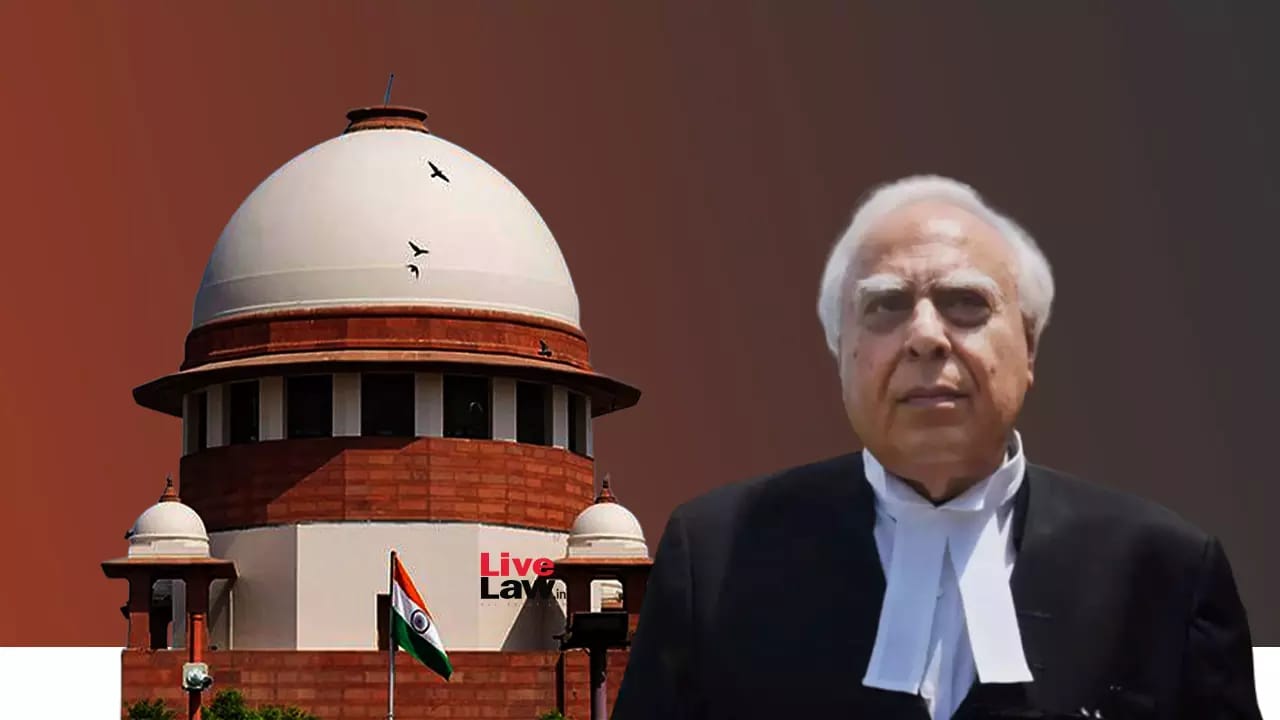
Senior advocate Karuna Nundy, appearing for one of the petitioners, argued that the institution of marriage cannot give a husband an unrestricted right to have sexual relations with his wife without her consent.
She submitted that if a husband forces his wife into sexual relations and causes serious physical injuries, he should not be able to claim legal protection solely because of the marital relationship.
The petitioners argue that consent remains an important legal and personal right even after marriage. According to their position, marriage should not be treated as an automatic and permanent consent to sexual relations.
Centre Earlier Opposed Separate Criminal Offence
The Centre had earlier stated in its affidavit that it was not in favour of creating a separate criminal offence of marital rape.
The government has maintained that treating sexual violence within marriage in exactly the same manner as rape outside marriage could have wider consequences for marital relationships and the institution of marriage.
The Centre has also argued that cases involving sexual violence within marriage can be dealt with under existing legal provisions rather than by creating a completely separate offence.
According to the government’s position, any major change in criminal law should come through Parliament after detailed consideration and consultation.
Case Reached Supreme Court After 2022 Split Verdict
The issue of marital rape has been the subject of prolonged legal and social debate. In 2022, the Delhi High Court delivered a split verdict on whether a husband should be criminally prosecuted for having sexual relations with his wife without her consent.
Following the divided judgment, the matter reached the Supreme Court. The apex court is now expected to examine the constitutional validity of the marital rape exception along with questions relating to prosecution under the existing law.
Final Hearing After Three Weeks
The Supreme Court will take up the matter for detailed final hearing after three weeks. During the proceedings, the bench is expected to consider arguments from the Centre, petitioners and other parties on consent, personal liberty, women’s protection, constitutional rights and the scope of criminal law.
The case is significant because any ruling could have wider implications for how non-consensual sexual relations within marriage are viewed under Indian law. The upcoming final hearing is therefore expected to be closely watched by legal experts and women's rights advoca
Centre Tells Supreme Court Parliament Must Decide Marital
The Centre has told the Supreme Court that criminalising marital rape is a matter for Parliament and the executive. The court will begin the final hearing after three we





.jpg)
.jpg)


.jpeg)







.jpeg)








.jpeg)





.jpeg)
.jpeg)














.jpeg)
.jpeg)

.jpeg)
.jpeg)


















.jpeg)


















.jpeg)


.jpeg)




.jpeg)




.jpeg)


















.jpeg)


.jpeg)


.jpeg)