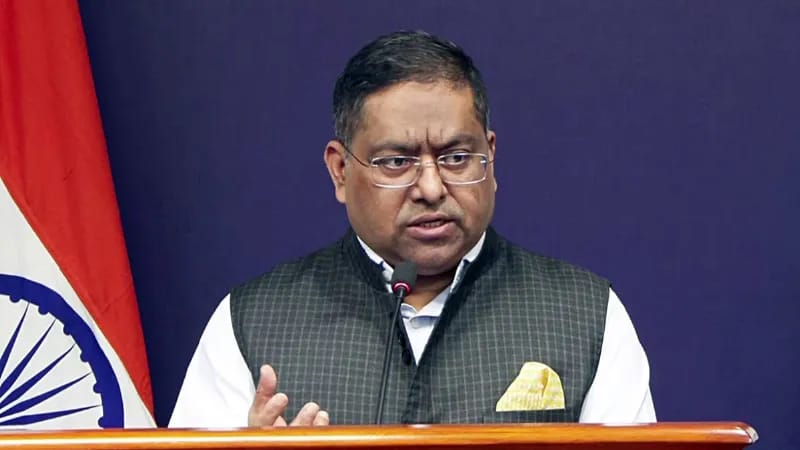
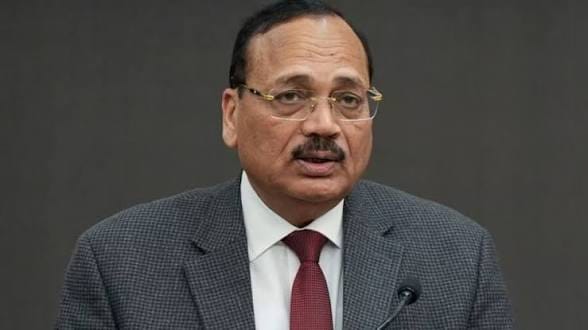
New Delhi: Ahead of the 18th BRICS Summit scheduled to be held in New Delhi on September 12 and 13, External Affairs Minister Dr S. Jaishankar addressed the BRICS Business Forum on Friday and outlined India’s approach to the rapidly changing global economic environment.
In his address, Jaishankar said that the global political and economic framework is undergoing significant transformation. He pointed to growing instability, uncertainty and complexity, saying that geopolitical conflicts, pandemics and climate-related disasters have increasingly visible economic consequences.
According to the minister, the current global environment requires countries and businesses to not only identify risks but also adapt quickly and respond effectively to changing circumstances.
Global Risks Are Rising, but So Are Opportunities
Jaishankar said that the current global situation should not be viewed only through the lens of challenges. Rapid digitalisation and technological advances are also creating new opportunities for economic growth, productivity and development.
Technology is transforming the way businesses operate, allowing companies to access new markets, build partnerships and expand their activities across borders.
The challenge for governments and businesses, he suggested, is to manage emerging risks while making effective use of the opportunities created by technological and economic change.
Need to Adapt Quickly to a Changing Economy
The External Affairs Minister stressed that both risks and opportunities are expanding in the global economy.
In such an environment, the ability to anticipate developments, adapt to changing circumstances and respond quickly has become increasingly important.
He emphasised that economic security and economic growth can no longer be considered separately. Resilient supply chains, reliable trade networks and predictable business conditions are becoming essential elements of long-term economic stability.
Making Business Easier Across BRICS
A major focus of Jaishankar’s address was the need to make business easier among BRICS countries.
He said the business community should focus on finding new partners, accessing more markets, connecting supply networks and making commercial partnerships more efficient.
According to him, economic cooperation among BRICS members should not be limited to increasing trade volumes. It should also create a framework that supports long-term economic resilience and security.
A predictable and transparent business environment, he noted, is critical for companies planning long-term investments and partnerships.
Economic Security Linked to Self-Reliance
Jaishankar also linked economic security with self-reliance.
He argued that BRICS countries need to strengthen their ability to withstand external shocks while remaining connected to and competitive in the global economy.
Global disruptions can affect supply chains, transportation, energy availability and trade flows. Countries therefore need systems that can continue functioning even when unexpected disruptions occur.
Jaishankar Lists Key Elements of Reliable Trade
The minister highlighted several requirements for building a stronger and more reliable economic environment.
These include fair trading practices, dependable logistics and transportation networks, a predictable and stable business environment, diversified and transparent trade and investment systems, and resilient energy infrastructure.
Jaishankar’s emphasis on diversification reflects the growing importance of supply-chain resilience in the global economy.
Overdependence on a single source, market or route can create significant vulnerabilities during geopolitical or economic disruptions. Diversification can help businesses and countries reduce these risks.
Focus on Energy Resilience
Energy security was another important component of the minister’s message.
Jaishankar stressed the importance of energy systems that can withstand disruptions and remain aligned with the specific requirements of individual countries.
Energy shortages or disruptions can have consequences across manufacturing, transportation, industry and households. Building flexible and resilient energy systems is therefore increasingly important for economic security.
India Highlights Its Growing Economic Strength
During his address, Jaishankar also presented India’s economic and business capabilities to the international business community.
He described India as a large and continuously expanding market with rapidly growing manufacturing capabilities.
He also highlighted India’s large talent pool, digital experience and dynamic innovation and entrepreneurship ecosystem.
According to Jaishankar, these strengths can help India play a larger role in global economic activity and create additional opportunities for international businesses.
Message to the Global Business Community
Jaishankar called on the business community to develop a clear and practical commercial vision for the next phase of BRICS cooperation.
With heads of government and state gathering for the BRICS Summit, he said the business forum should make a meaningful contribution by putting forward practical ideas that can strengthen economic cooperation.
The focus, therefore, is expected to remain on expanding market access, building stronger partnerships, improving logistics and creating more resilient supply networks.
India Positions Itself as a Reliable Economic Partner
The broader message from Jaishankar’s address was that India wants to strengthen its position as a reliable economic and business partner amid global uncertainty.
India’s expanding market, manufacturing capabilities, digital infrastructure, talent pool and innovation ecosystem are increasingly important components of its global economic profile.
As the BRICS Summit approaches, the message from the Business Forum has been centred on strengthening economic cooperation and building a trade environment capable of dealing with future disruptions.





.jpg)
.jpg)

.jpeg)





.jpeg)





.jpeg)



.jpeg)
.jpeg)








.jpeg)

.jpeg)

.jpeg)
.jpeg)














.jpeg)















.jpeg)



.jpeg)

.jpeg)

.jpeg)
















.jpeg)


.jpeg)


.jpeg)