



The 18th BRICS Summit in New Delhi has reached a significant outcome with member countries unanimously adopting the *‘New Delhi Declaration 2026’*. Prime Minister Narendra Modi placed the draft declaration before the participating leaders and asked whether any member had objections. With no country raising an objection, the declaration was adopted by consensus.
The document brings together the shared priorities of BRICS members on several major global issues, including terrorism, international conflicts, trade barriers, tariffs, renewable energy and multilateral cooperation.
### Strong BRICS stand against terrorism
The New Delhi Declaration strongly condemns terrorism in all its forms and manifestations. BRICS members have specifically highlighted concerns related to *cross-border terrorism, terror financing and terrorist safe havens*.
The declaration emphasizes that terrorism cannot be justified under any circumstances. Member countries have reiterated the need for stronger international cooperation to prevent terrorist activities and ensure accountability for those responsible.
The BRICS countries also reaffirmed the importance of a zero-tolerance approach toward terrorism and called for coordinated international efforts to address the networks and financial channels supporting terrorist activities.
### Pahalgam terror attack condemned
The declaration also condemns the *April 22, 2025 terrorist attack in Pahalgam, Jammu and Kashmir*. The reference to the attack reflects the collective concern of BRICS members over terrorist violence and its impact on regional and international security.
The member countries stressed the need to take effective action against terrorist networks, their sources of financing and those providing support or safe havens to terrorists.
The inclusion of terrorism as a major issue in the declaration underlines the growing importance of international cooperation in preventing attacks and holding those responsible accountable.
### Call for early adoption of CCIT
BRICS members also called for the early adoption of the *Comprehensive Convention on International Terrorism (CCIT)* at the United Nations.
The call reflects the members’ emphasis on developing a stronger international legal framework to address terrorism. BRICS countries have also highlighted the need for better coordination among international institutions and greater cooperation among countries in combating terrorism.
### Conflicts should be resolved through dialogue
Another major focus of the New Delhi Declaration is the prevention of armed conflicts and the peaceful resolution of international disputes.
BRICS members emphasized the need to intensify efforts aimed at preventing wars and reducing tensions. They reiterated their commitment to resolving international disputes through *dialogue, consultation and diplomacy*.
The declaration stresses that military confrontation should not be the preferred means of resolving international disputes. Instead, peaceful negotiations and diplomatic engagement should be given priority.
### Concern over rising tensions in West Asia
The BRICS countries also expressed deep concern over the deteriorating situation in West Asia. The declaration calls on all sides to exercise maximum restraint and avoid steps that could further escalate tensions.
The member states stressed the importance of diplomatic engagement and peaceful efforts to prevent further escalation in the region.
The issue has particular significance given the continuing instability and conflicts affecting several parts of West Asia.
### Concerns over trade barriers and unilateral measures
Trade and economic issues also feature prominently in the New Delhi Declaration. BRICS members expressed concern over *unilateral trade measures and trade barriers* that could affect international commerce and economic cooperation.
The member countries emphasized the importance of creating a more cooperative global trading environment. They stressed the need to strengthen multilateral economic cooperation and promote greater opportunities for countries to participate in international trade.
Concerns related to tariffs and other unilateral trade measures were also highlighted, reflecting the wider challenges facing global trade.
### Focus on renewable energy
Renewable energy cooperation is another important area covered by the declaration. BRICS members reaffirmed the importance of promoting clean and sustainable energy and strengthening cooperation in the energy sector.
Greater collaboration in renewable energy could create opportunities for technological cooperation, investment and knowledge sharing among member countries.
The emphasis on clean energy also reflects the growing importance of energy transition and sustainable development in the global economy.
### Stronger multilateralism
The New Delhi Declaration places significant emphasis on *stronger multilateralism*. BRICS members reiterated the importance of international cooperation in addressing global challenges.
The grouping has emphasized that major international issues require collective solutions rather than unilateral approaches. Strengthening dialogue among countries and making multilateral institutions more effective remain key elements of this approach.
### Modi stresses implementation over declarations
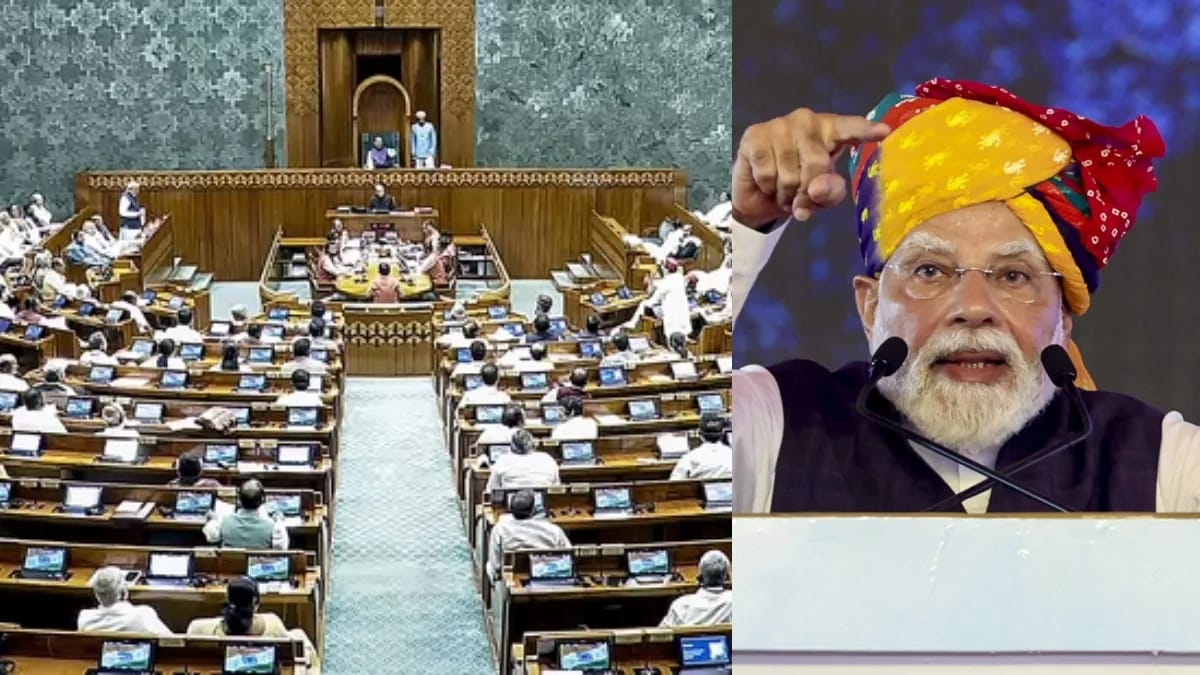
Prime Minister Narendra Modi said that the New Delhi Declaration provides a clear direction for advancing the shared commitments of BRICS countries. However, he stressed that the real responsibility now lies in implementing the decisions.
According to Modi, merely issuing declarations is not enough. The commitments made by the member countries must be translated into concrete actions and measurable outcomes.
His remarks underline the importance of moving from consensus at the summit level to practical cooperation among BRICS members.
### A broader message from the BRICS Summit
The New Delhi Declaration 2026 brings together BRICS’ collective position on some of the most pressing global challenges. Terrorism, international conflicts, trade, energy cooperation and multilateralism have all emerged as key areas of common concern.
The unanimous adoption of the declaration under India’s presidency is significant because BRICS includes countries with diverse political, economic and strategic interests. Reaching consensus on sensitive international issues demonstrates the importance of dialogue within the grouping.
The next challenge will be ensuring that the commitments outlined in the declaration are translated into concrete measures and sustained cooperation among member states.







.jpg)
.jpg)


.jpeg)


.jpeg)


.jpeg)


.jpeg)


.jpeg)


.jpeg)


.jpeg)


.jpeg)


.jpeg)













.jpeg)
.jpeg)
.jpeg)




.jpeg)
.jpeg)
.jpeg)

.jpeg)

.jpeg)



.jpeg)



.jpeg)
.jpeg)






-1783504412913_v.webp)
.webp)

.jpeg)