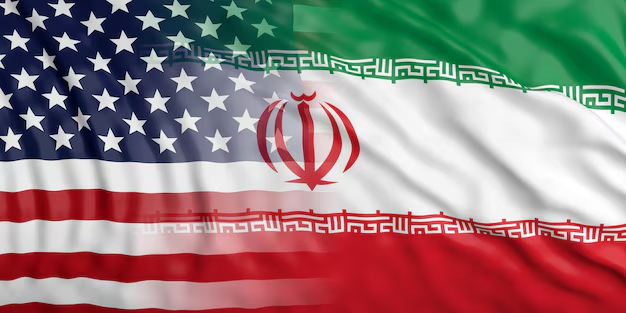


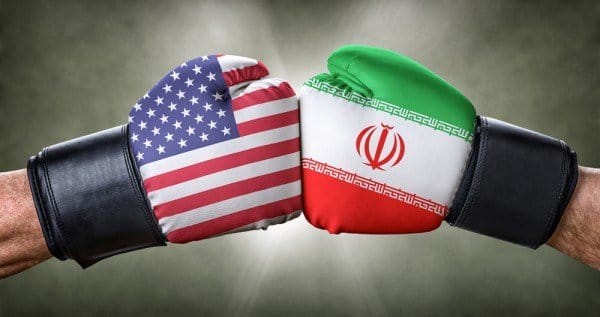
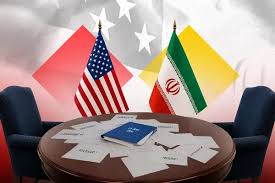
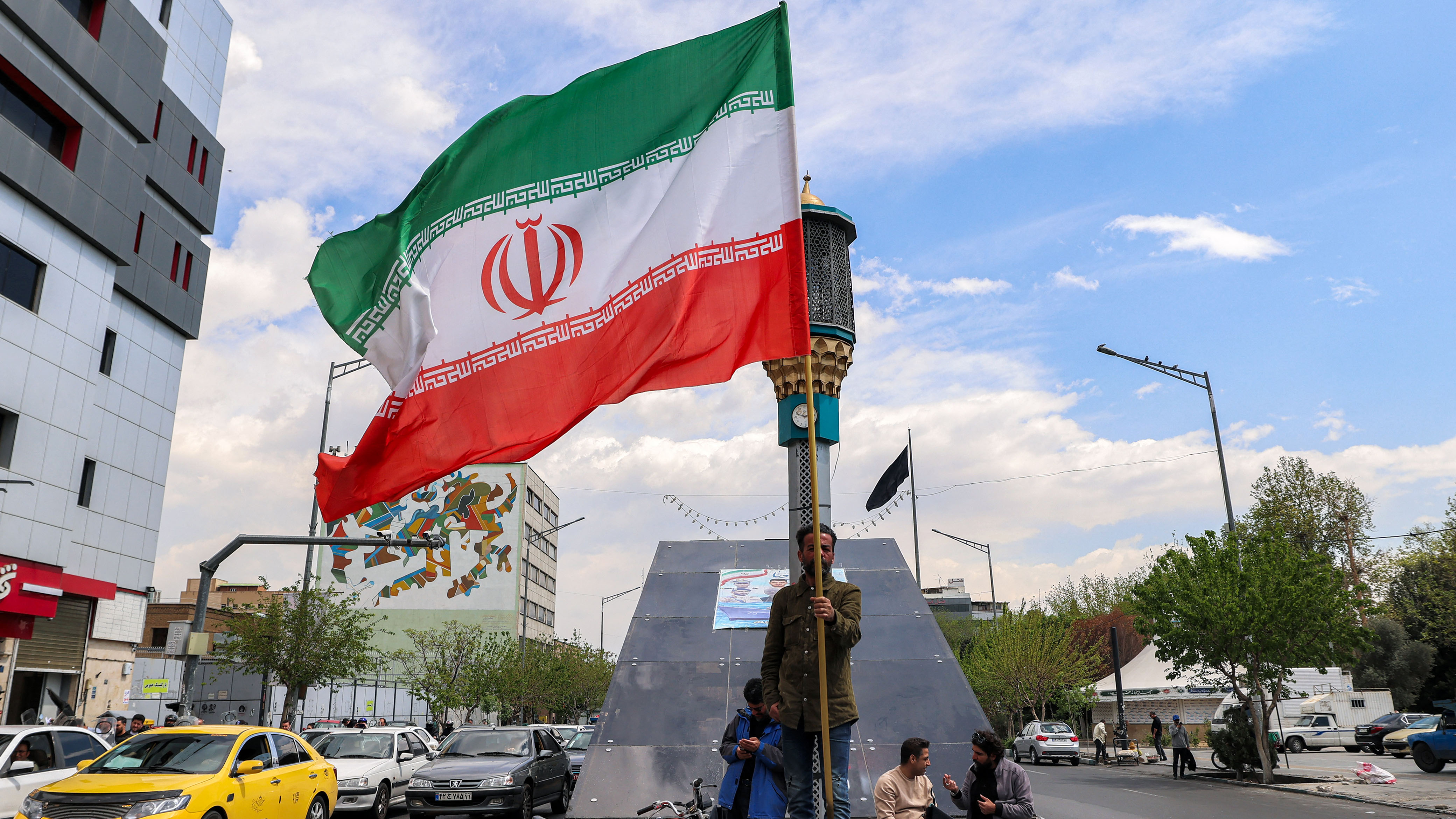
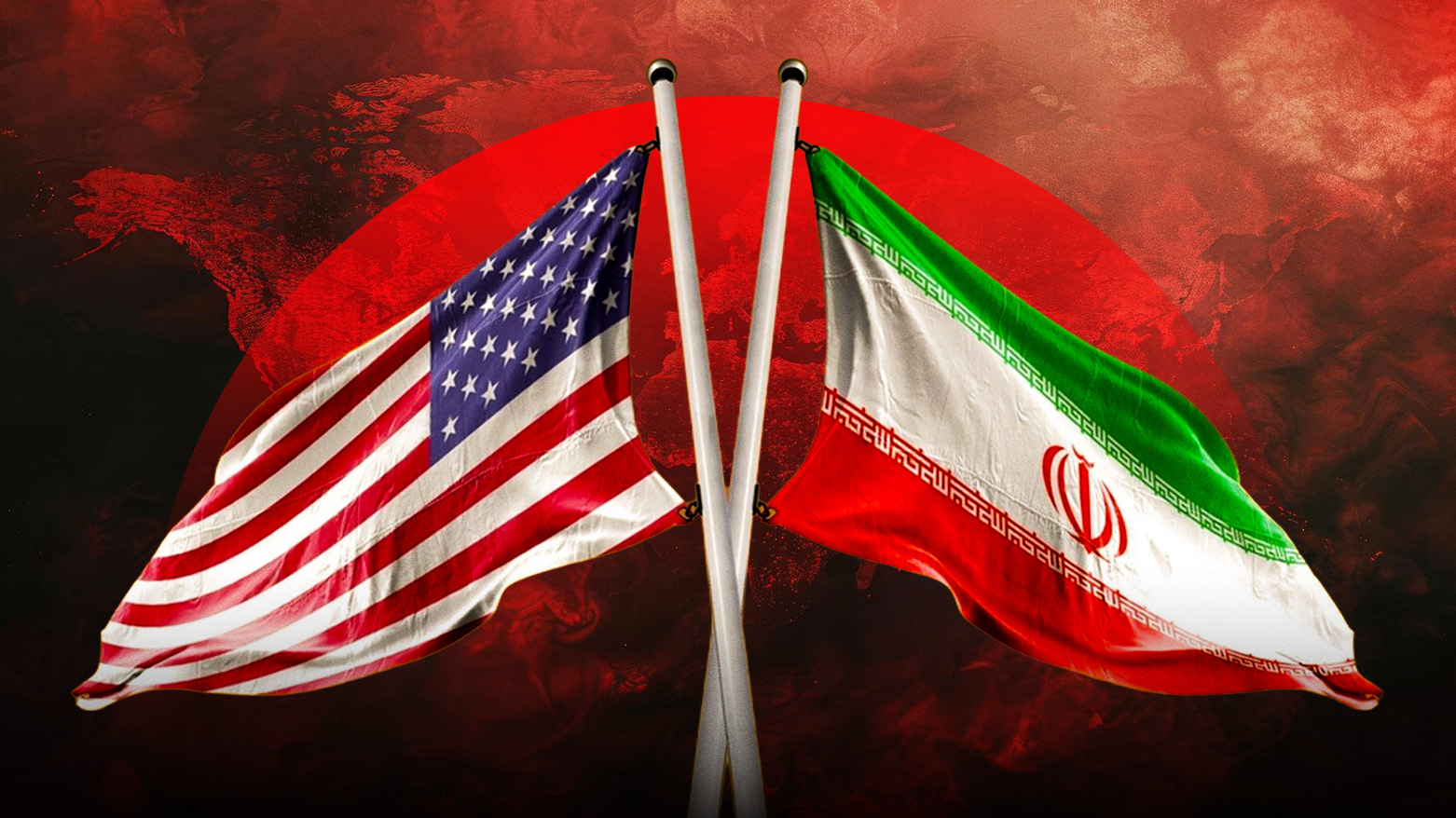
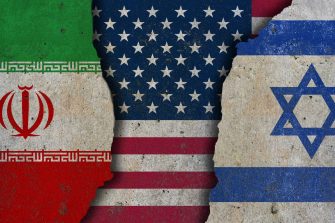
Former US diplomats involved in the 2015 nuclear deal have said recent conflict has significantly strengthened Iran’s negotiating position, giving it new leverage in discussions over its nuclear programme.
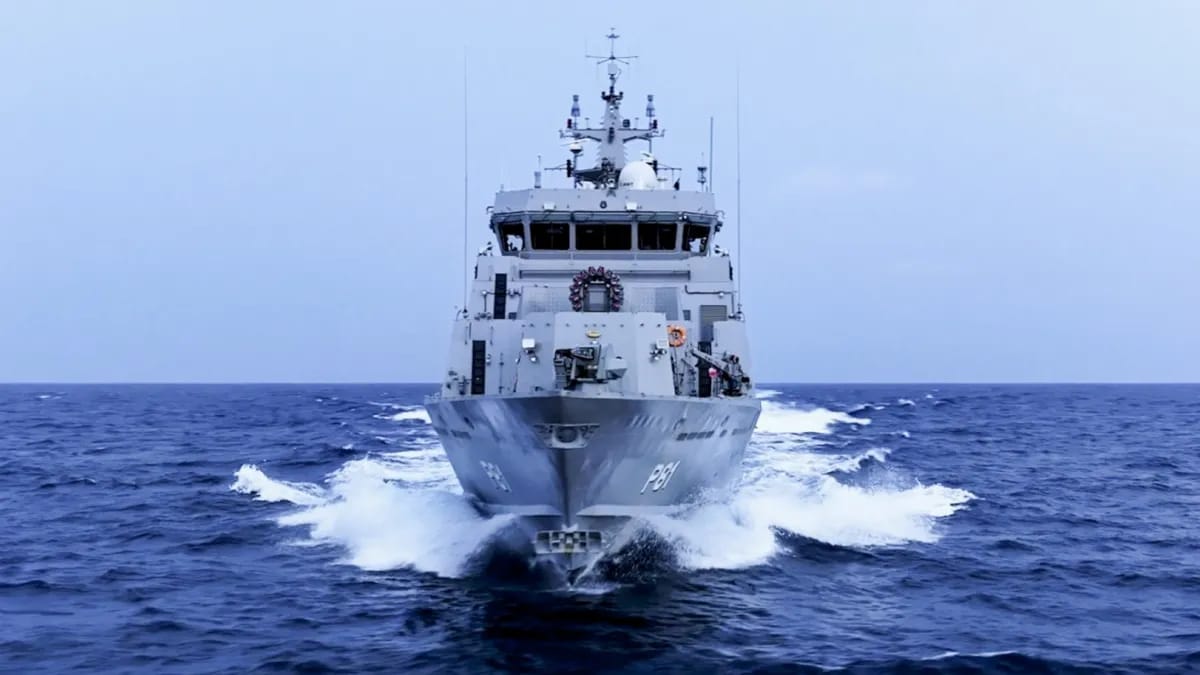
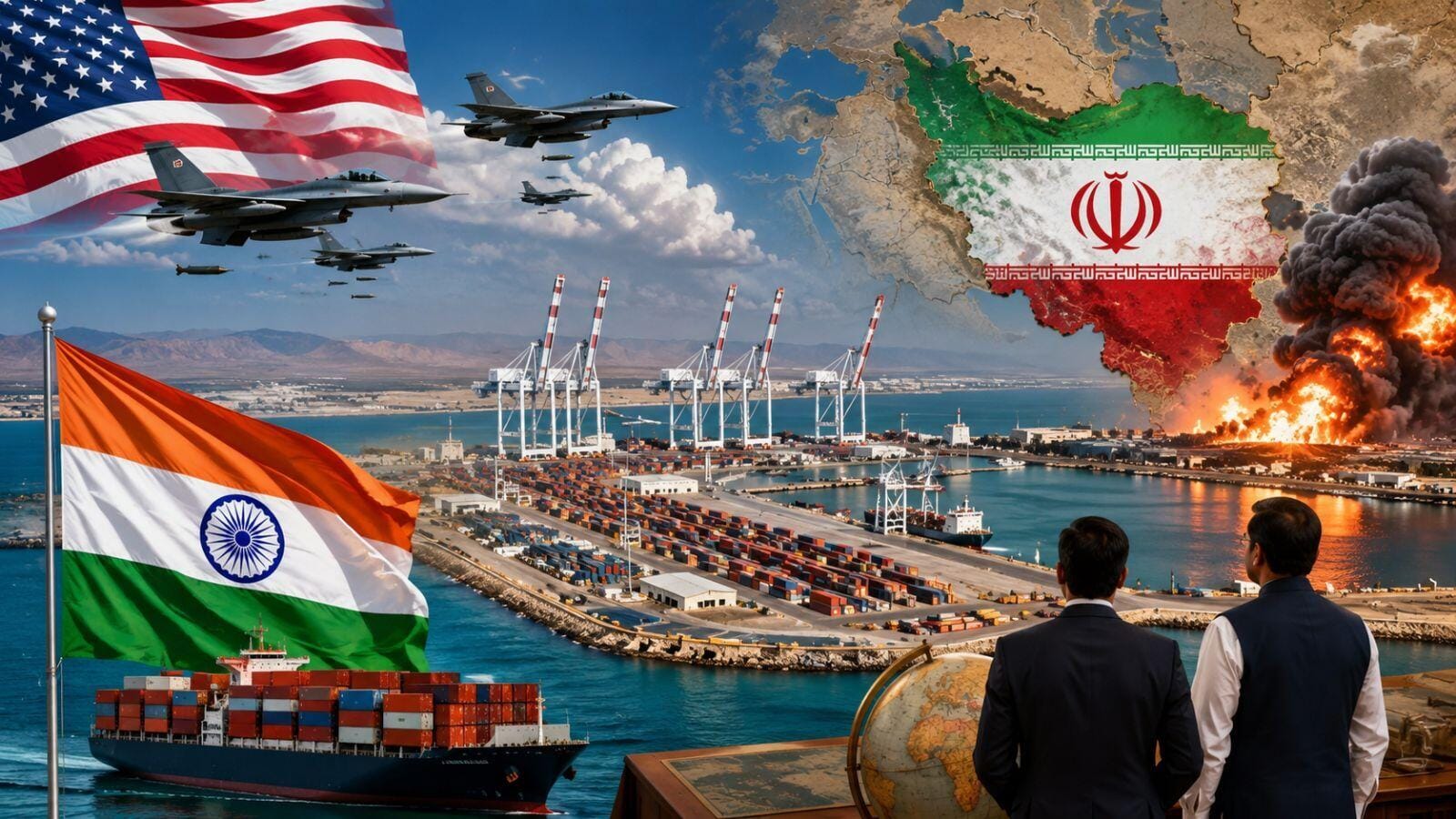
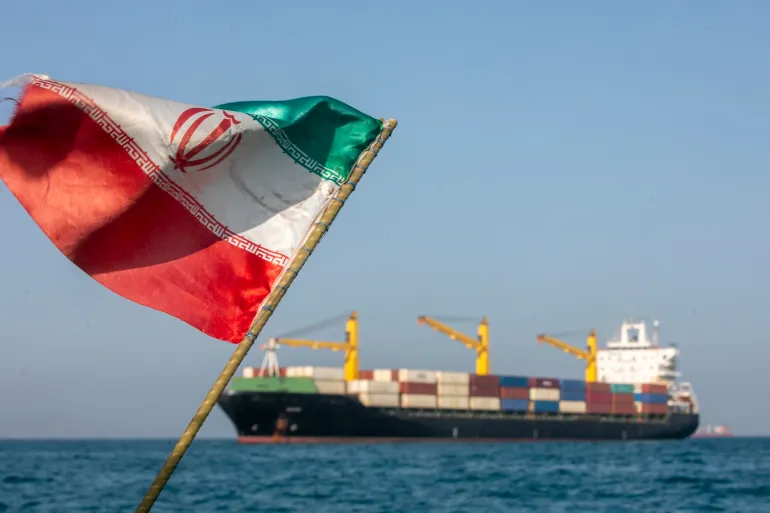
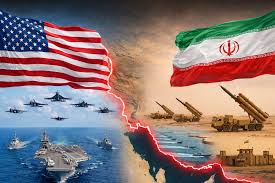
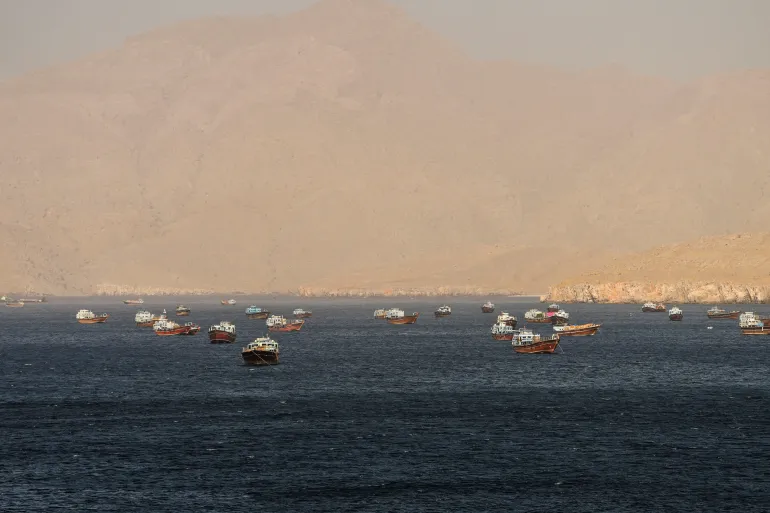
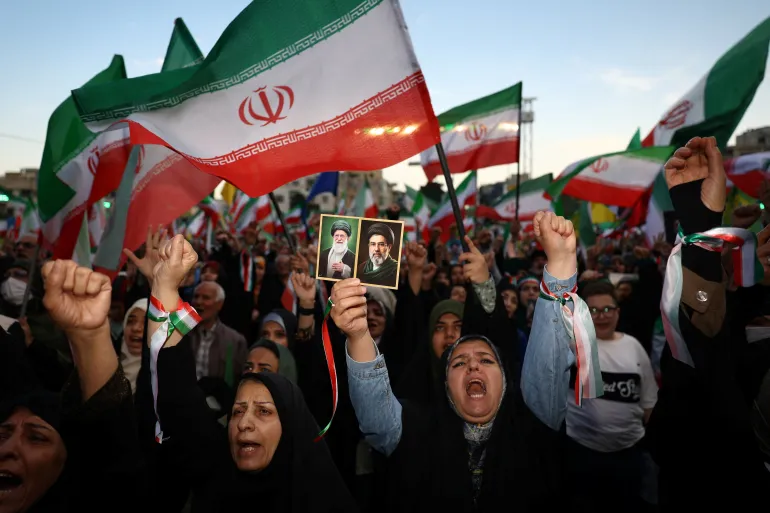
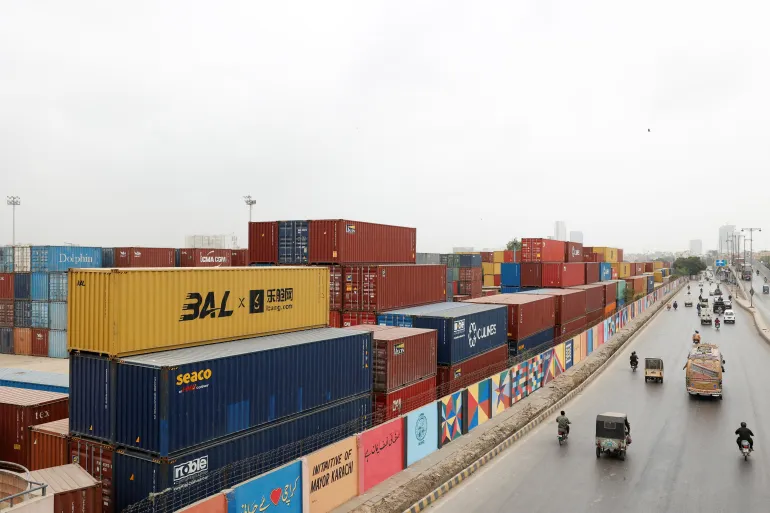
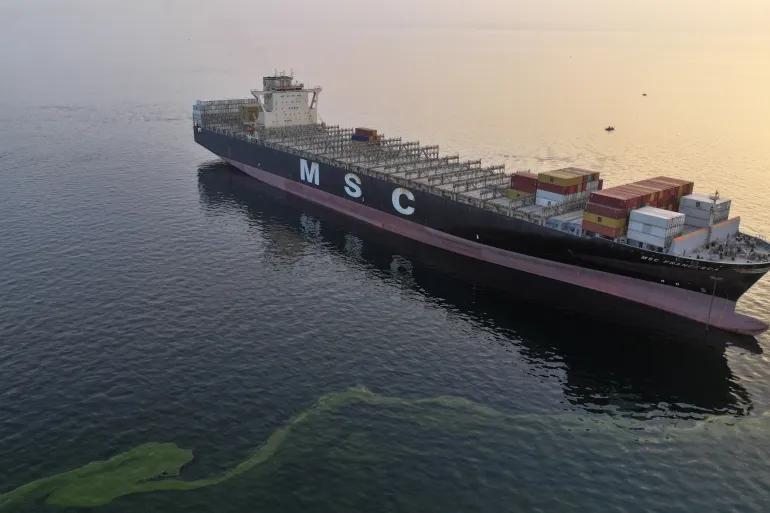
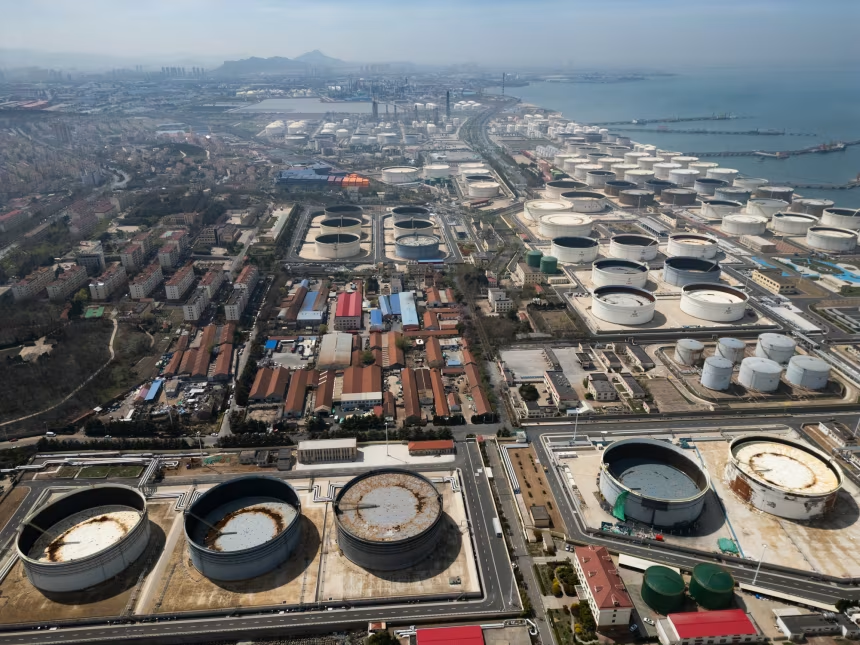
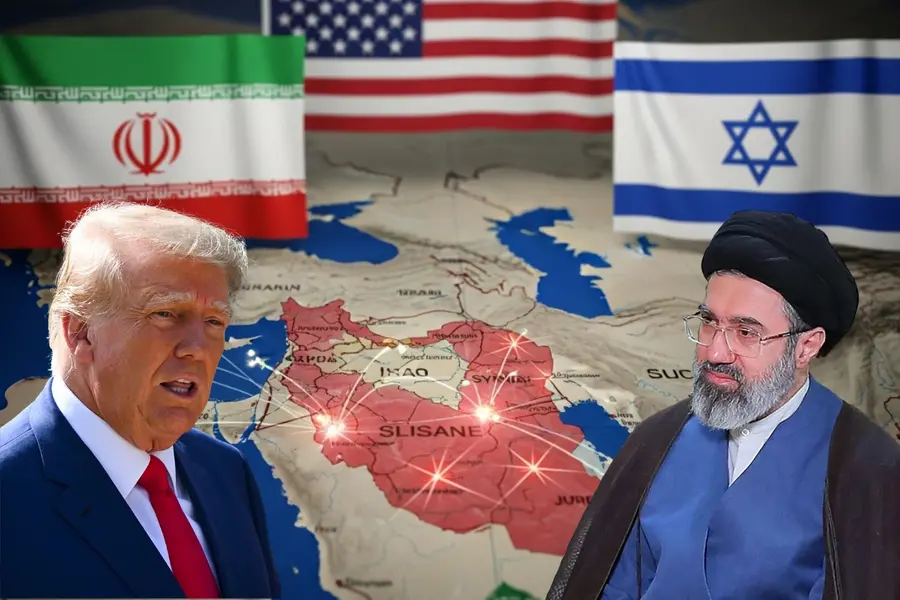
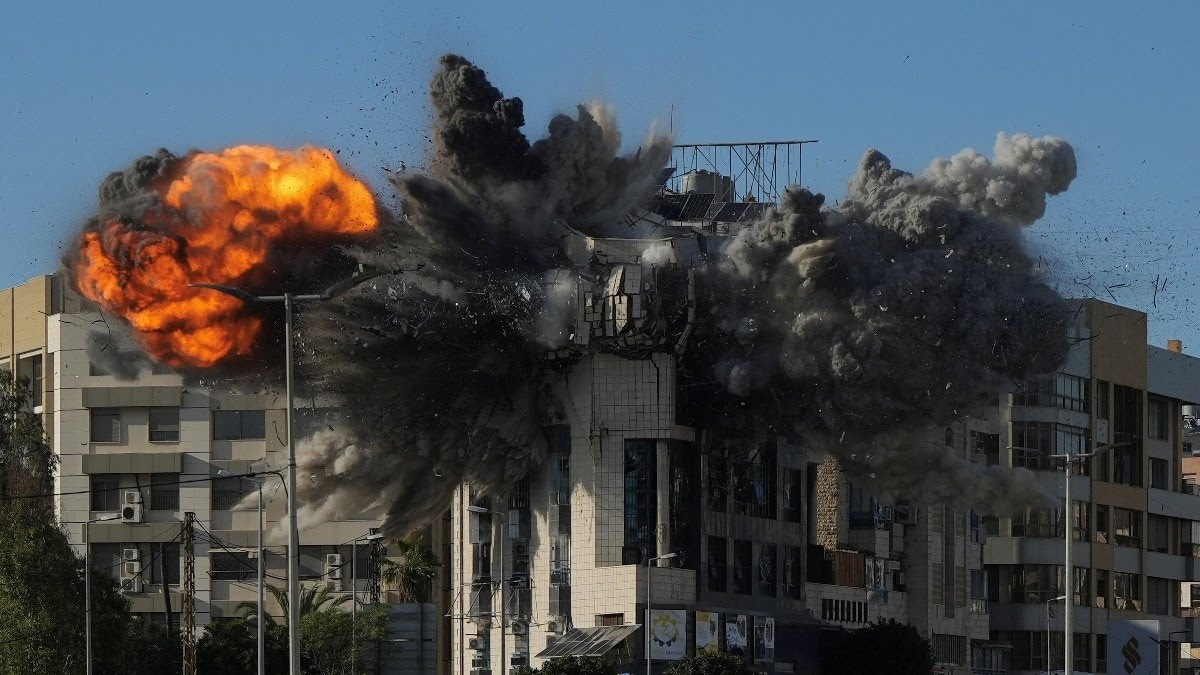
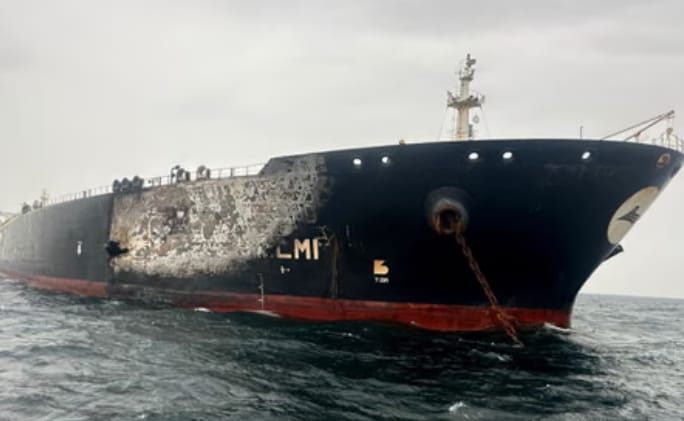
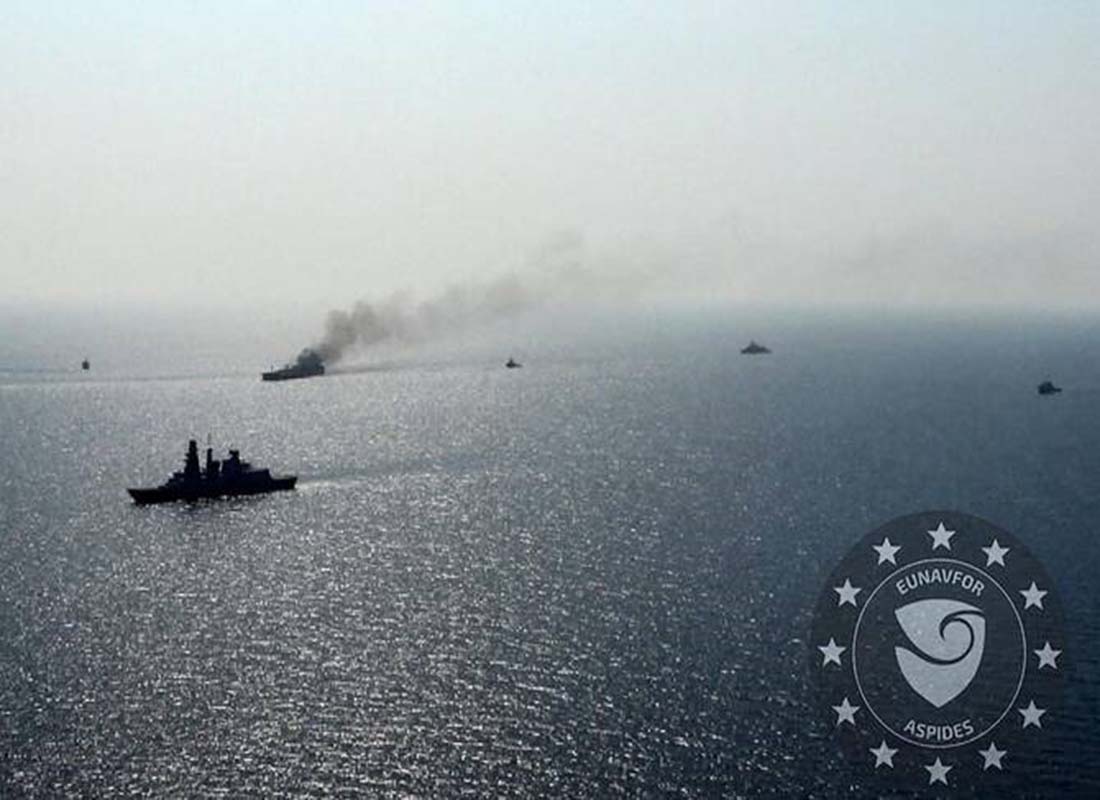
Negotiators of the Joint Comprehensive Plan of Action JCPOA argue that military escalation involving the US and Israel, along with Iran’s move to shut the Strait of Hormuz, has provided Tehran with a powerful strategic tool to counterbalance US influence. Former envoy Alan Eyre noted that the ability to disrupt the vital shipping route offers Iran an alternative deterrent, potentially reducing its reliance on nuclear capabilities.
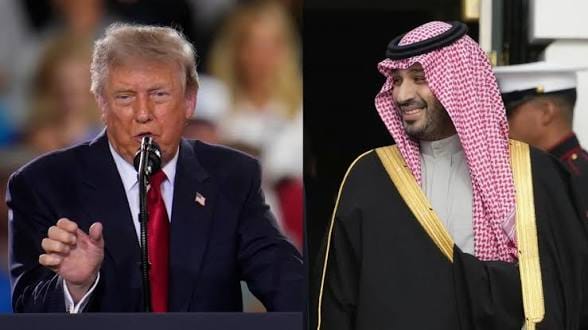
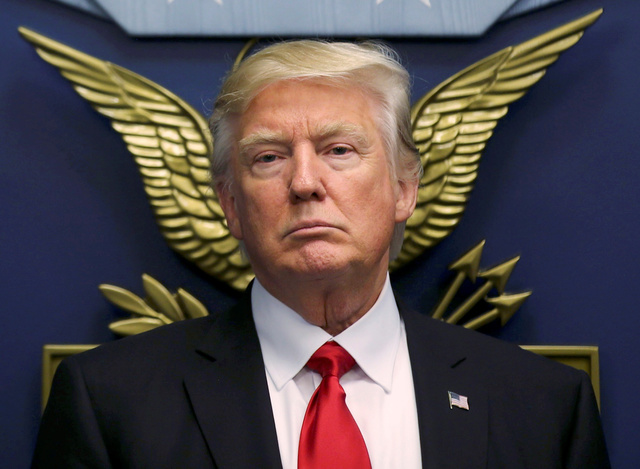
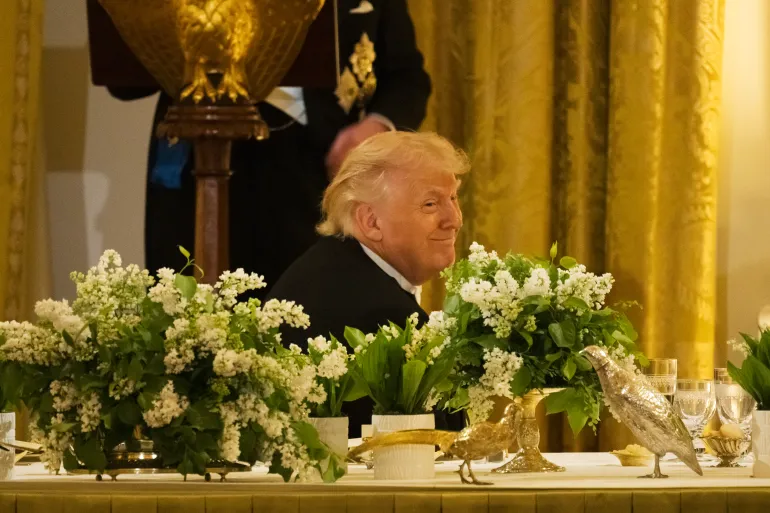
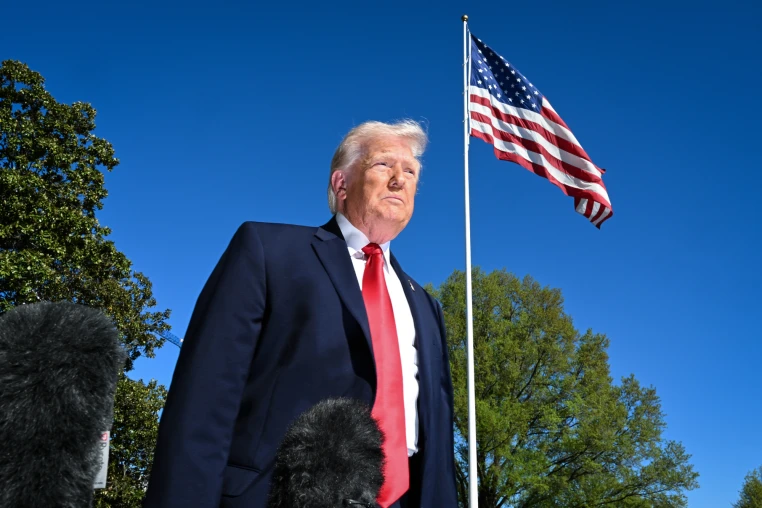
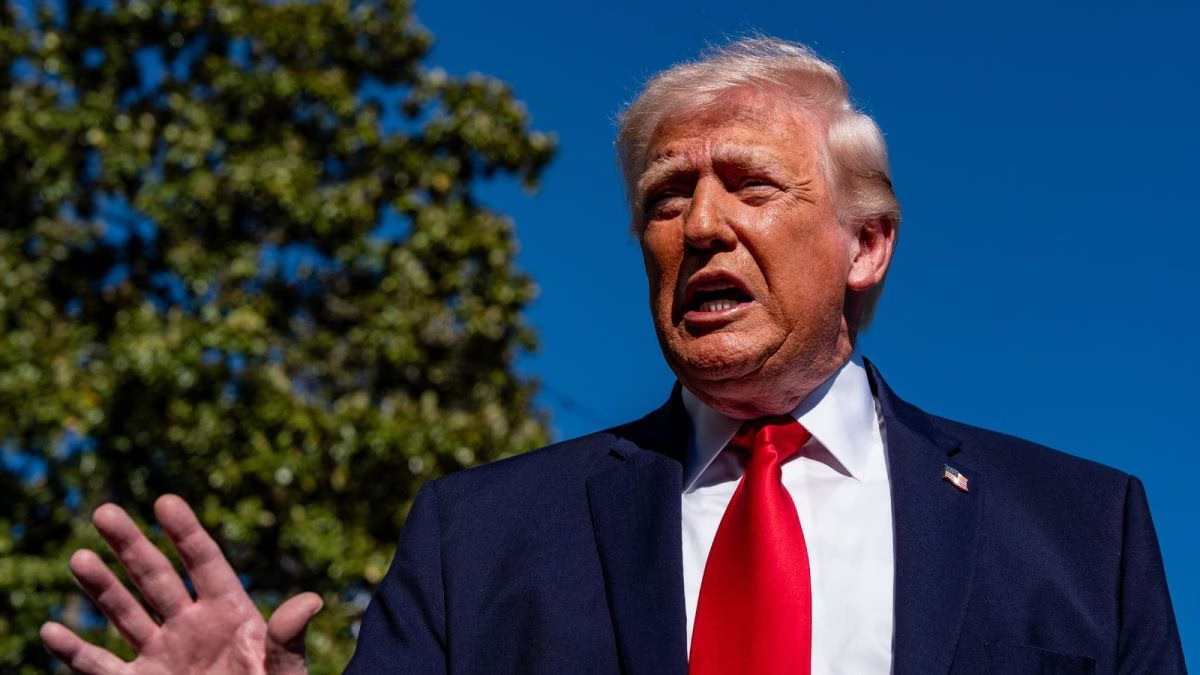
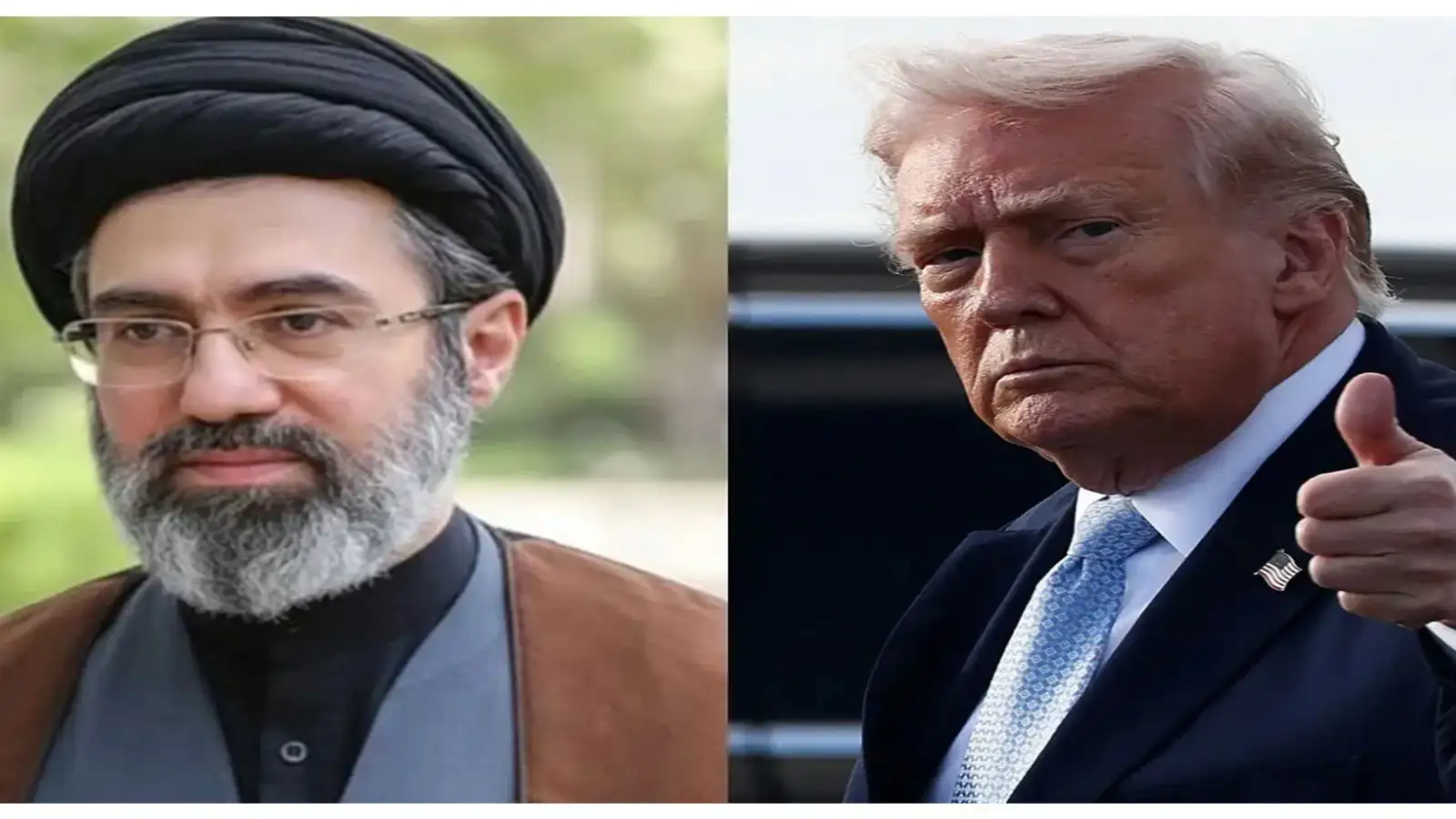
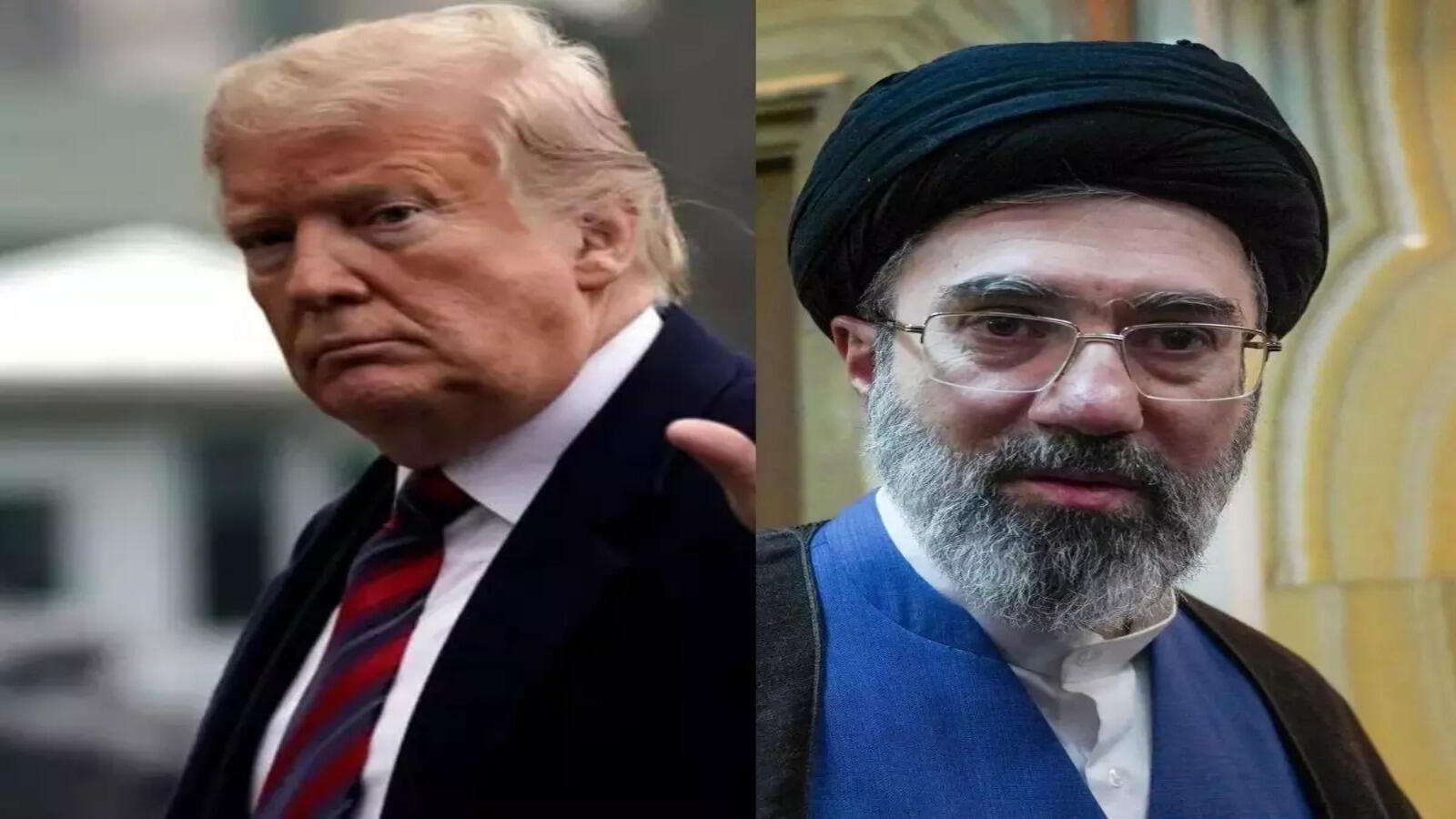
The situation has further complicated diplomacy after the US withdrawal from the deal in 2018 under Donald Trump, followed by renewed sanctions and military pressure.
Experts say the current scenario has made negotiations more complex, with Iran now in a stronger position to demand favorable terms.
Meanwhile, a US delegation led by Vice-President JD Vance is expected to hold talks with Iranian officials, as Washington seeks a resolution without a clear strategy to reopen the Strait of Hormuz. Analysts, including former envoy Robert Malley, believe the conflict has introduced new challenges, making a comprehensive agreement less likely as both sides expand their demands beyond nuclear issues to include regional security and military concerns.





.jpg)
.jpg)
-1782103217151_v.webp)







.jpg)
.jpg)
.jpg)
.jpg)
.jpg)
.jpg)