
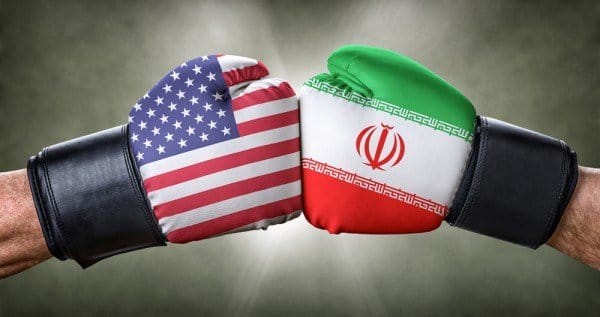
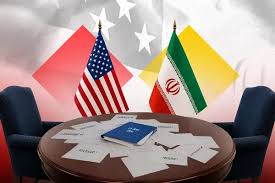
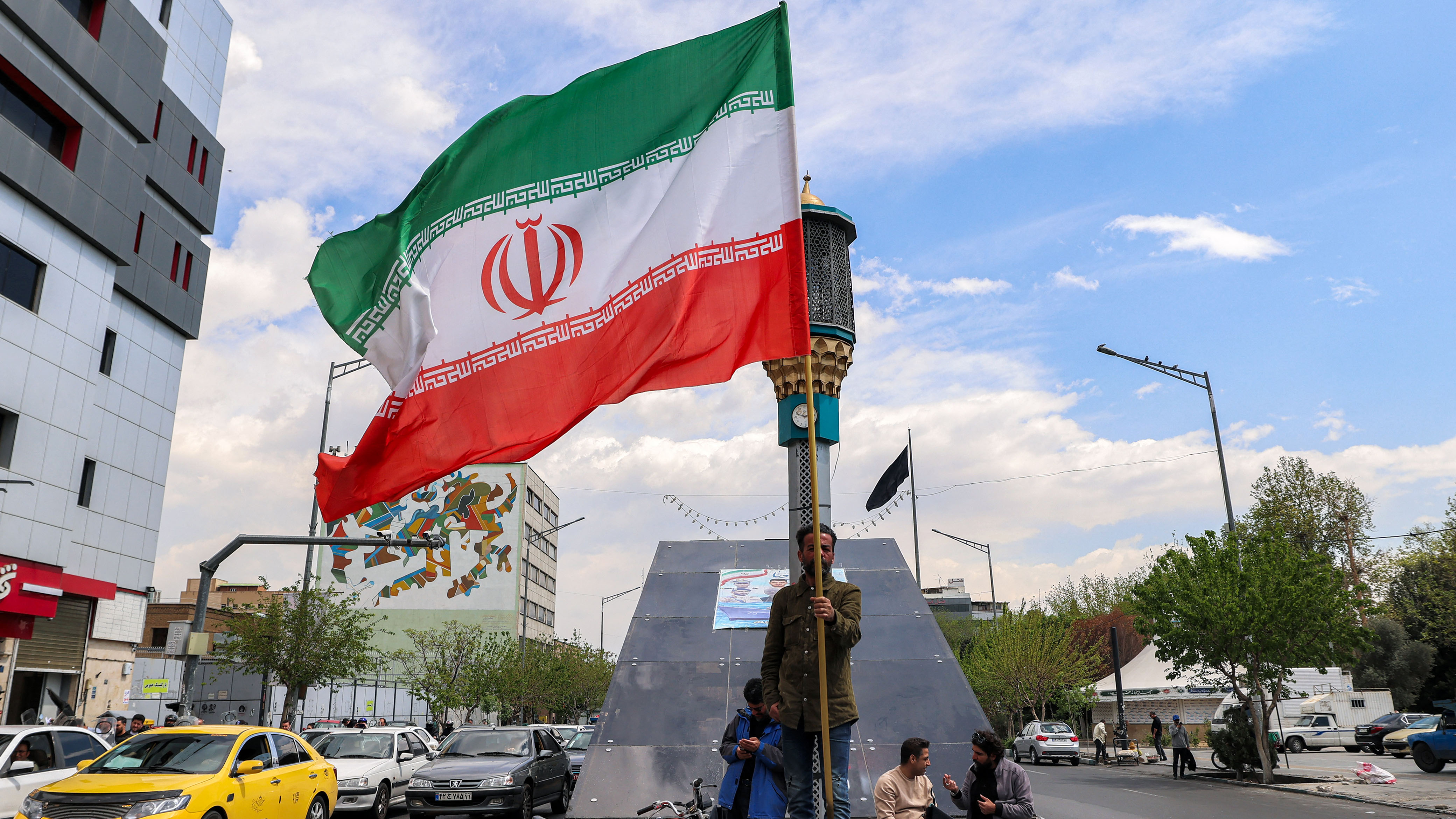
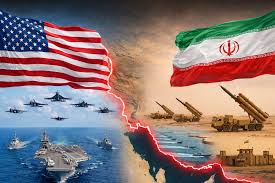
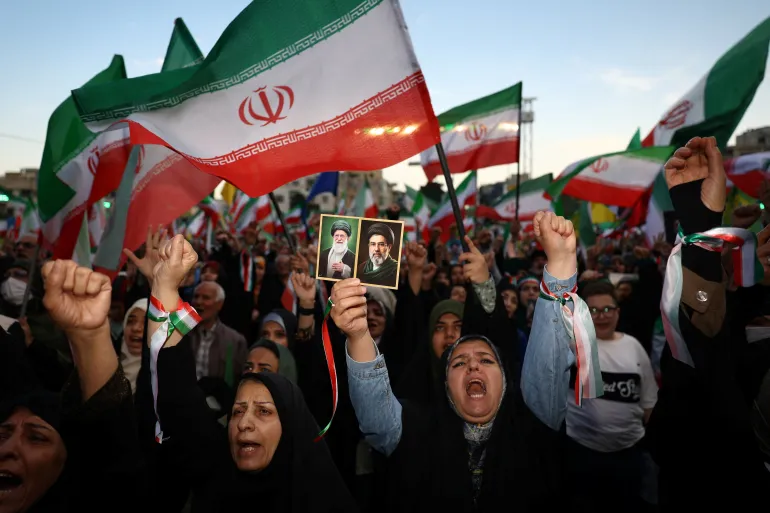
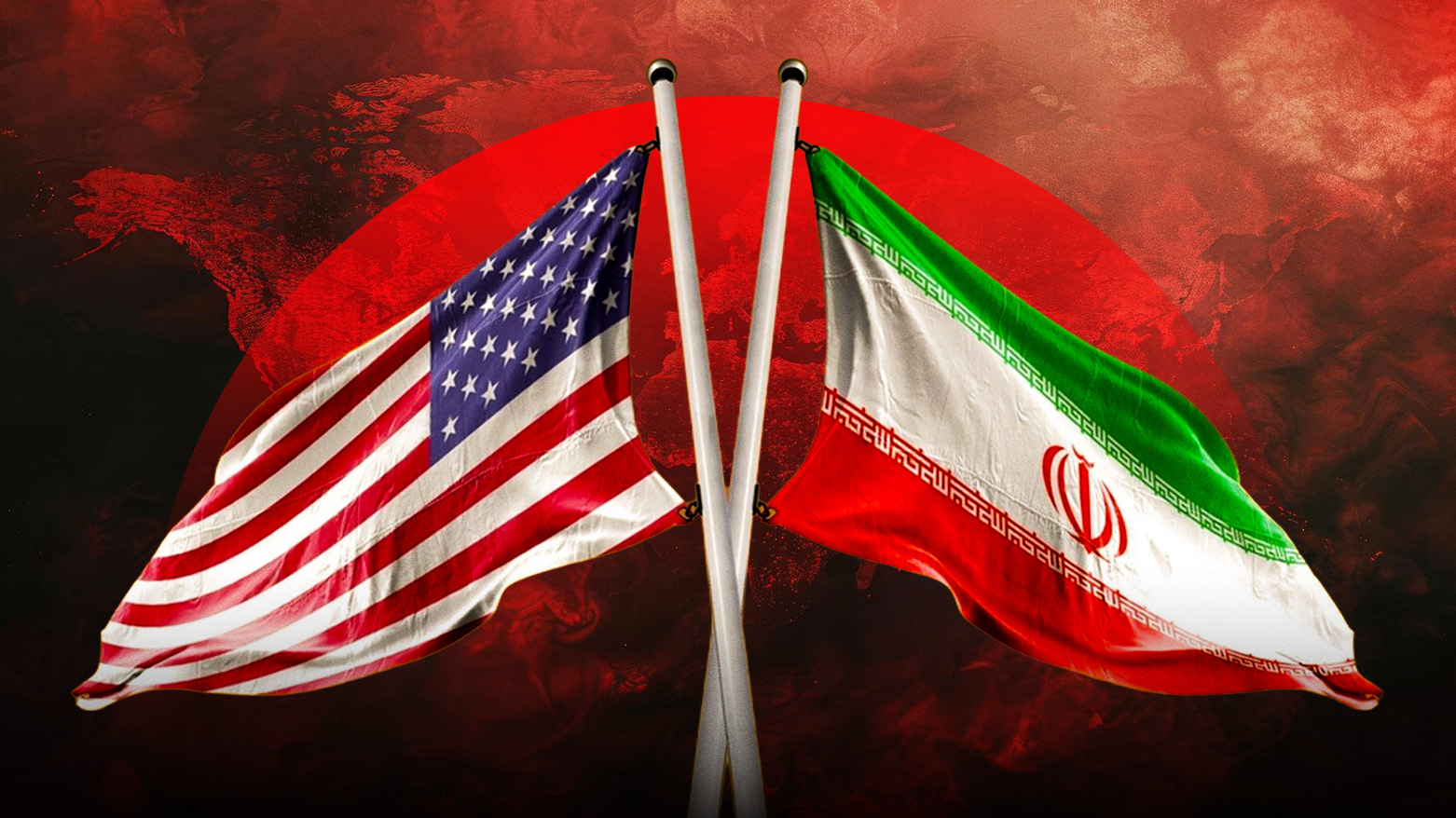
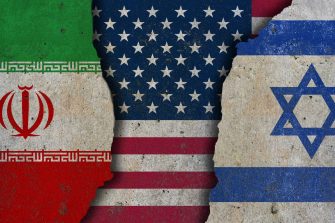
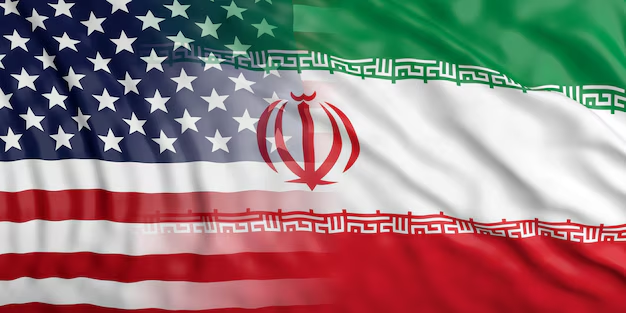
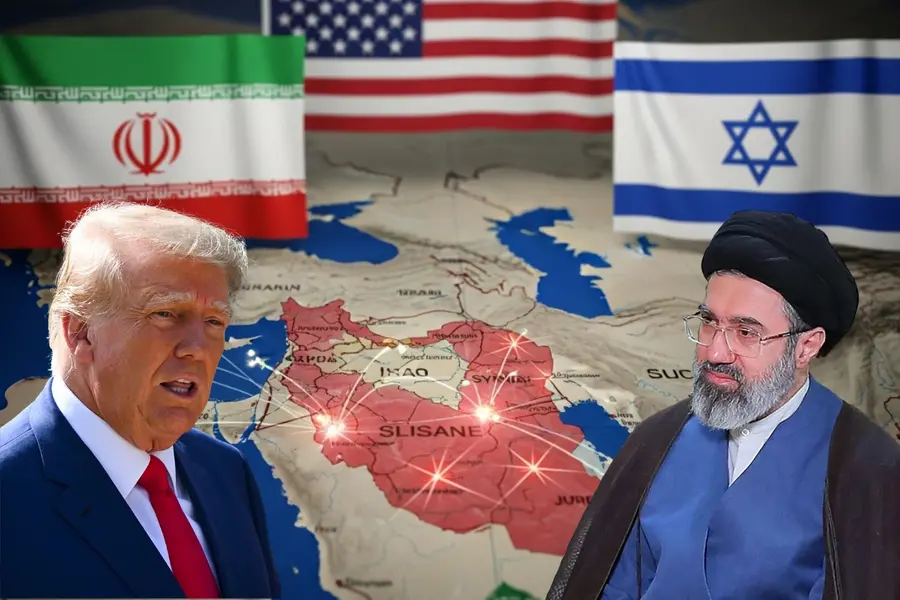
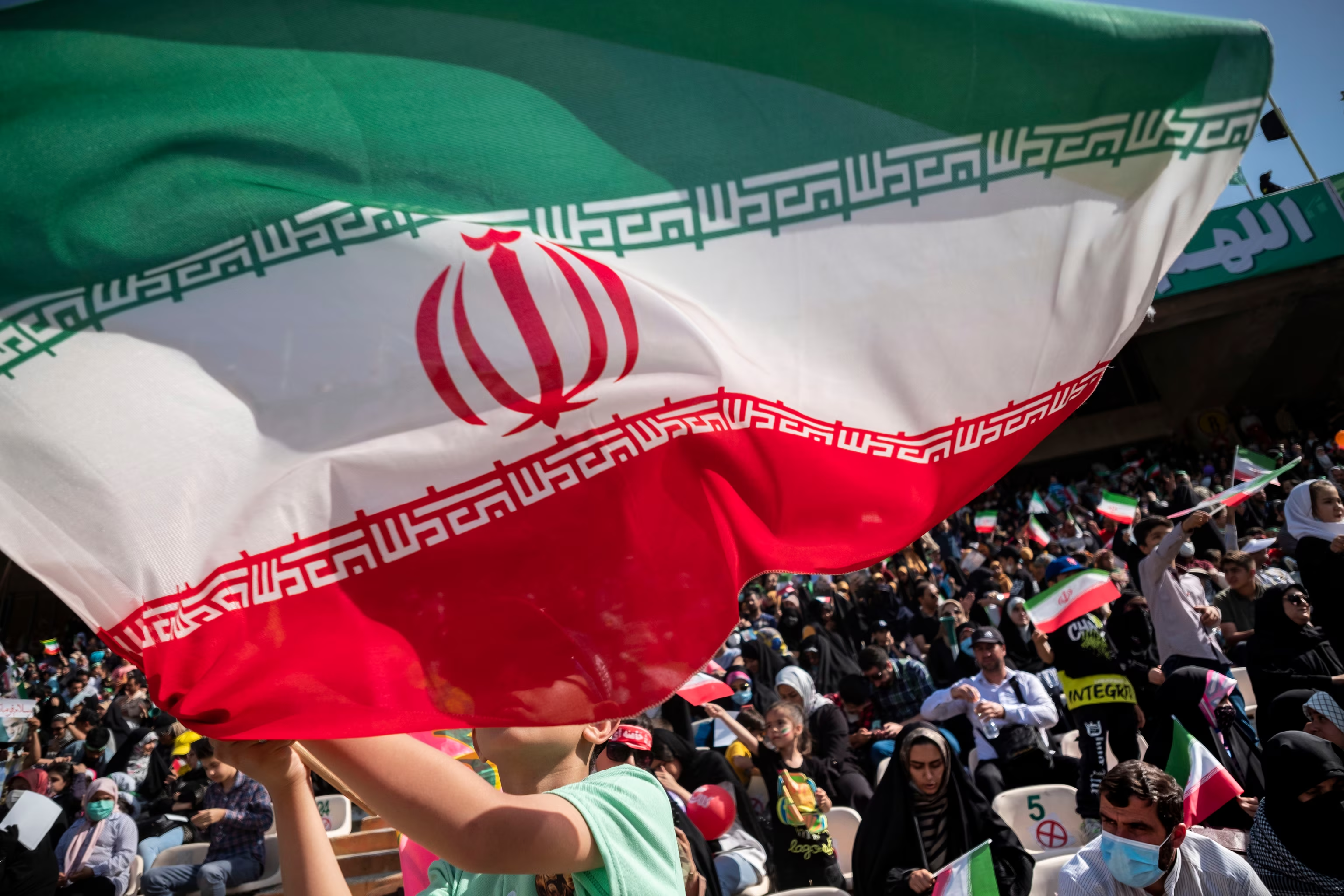
Gulf nations are reassessing their security strategies and alliances following the recent conflict involving the US, Israel and Iran, as the region faces a more assertive Tehran and ongoing instability.
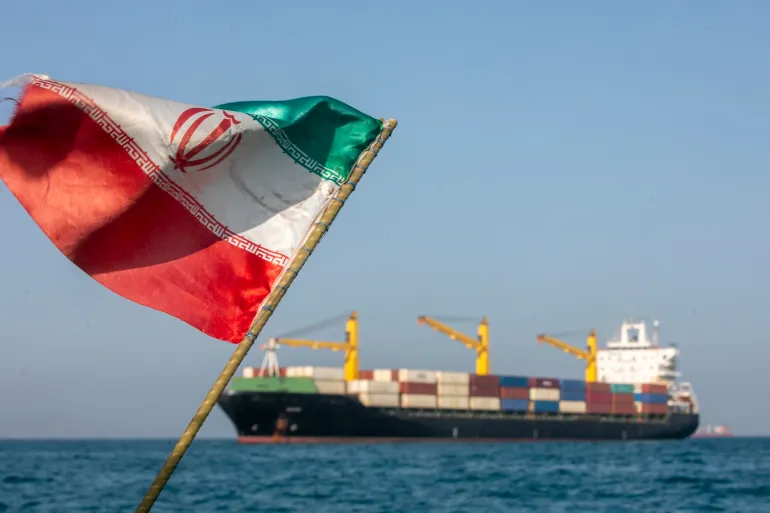
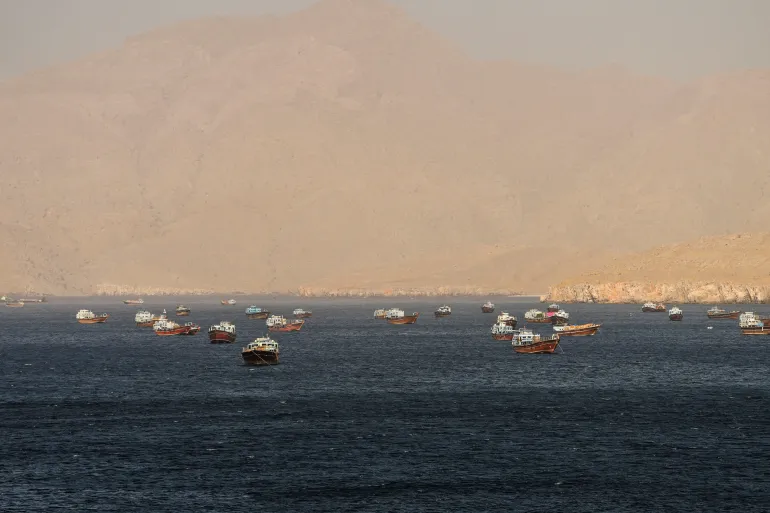
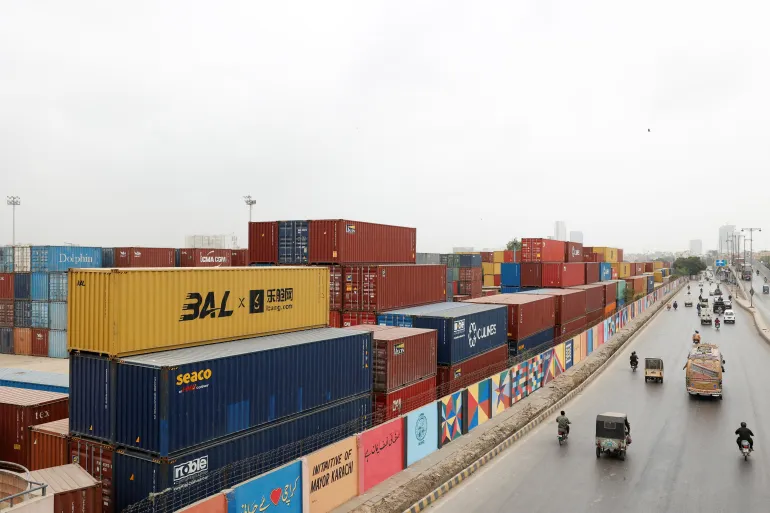
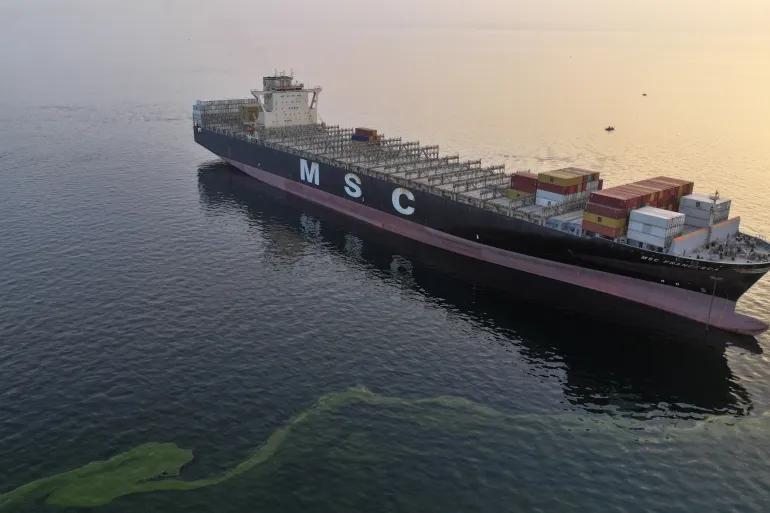
Despite a ceasefire, tensions remain high, particularly over Iran’s continued control of the Strait of Hormuz, a crucial trade route for Gulf economies
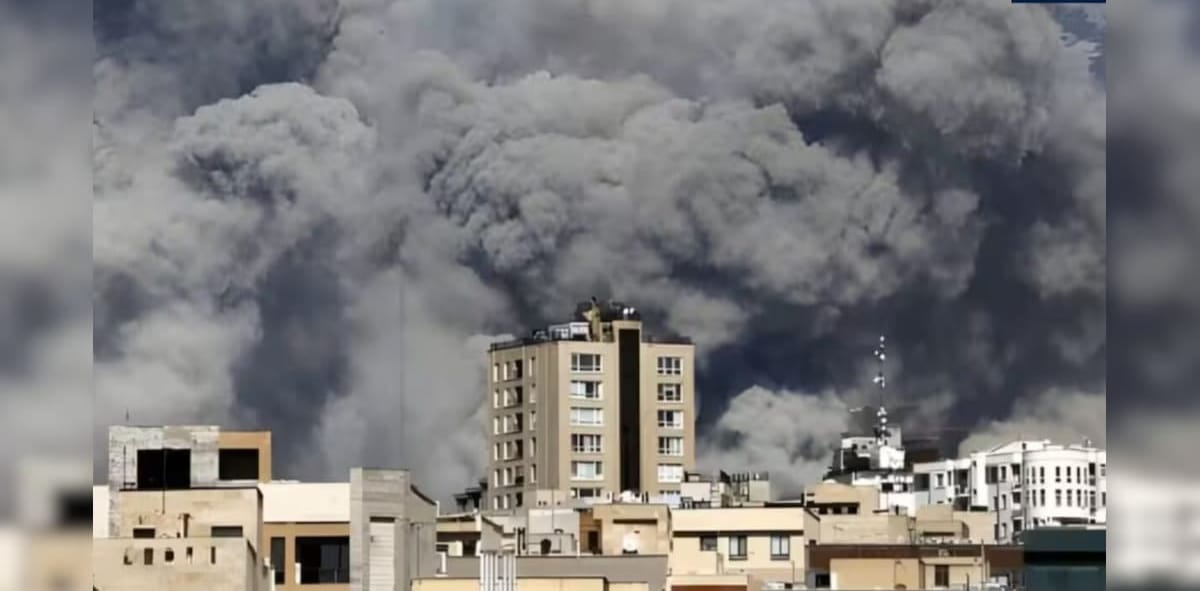
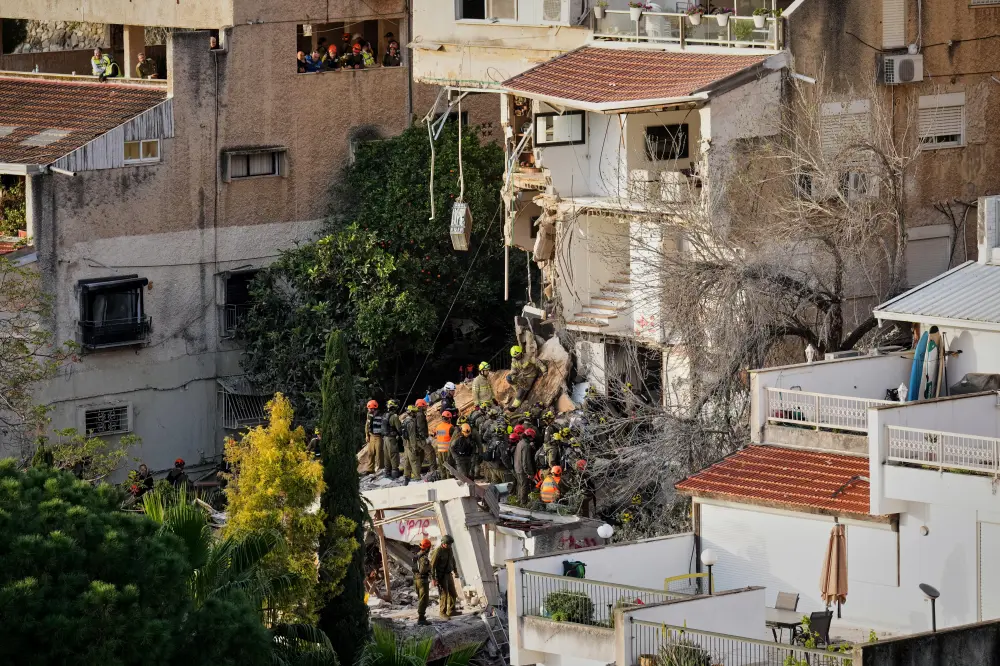
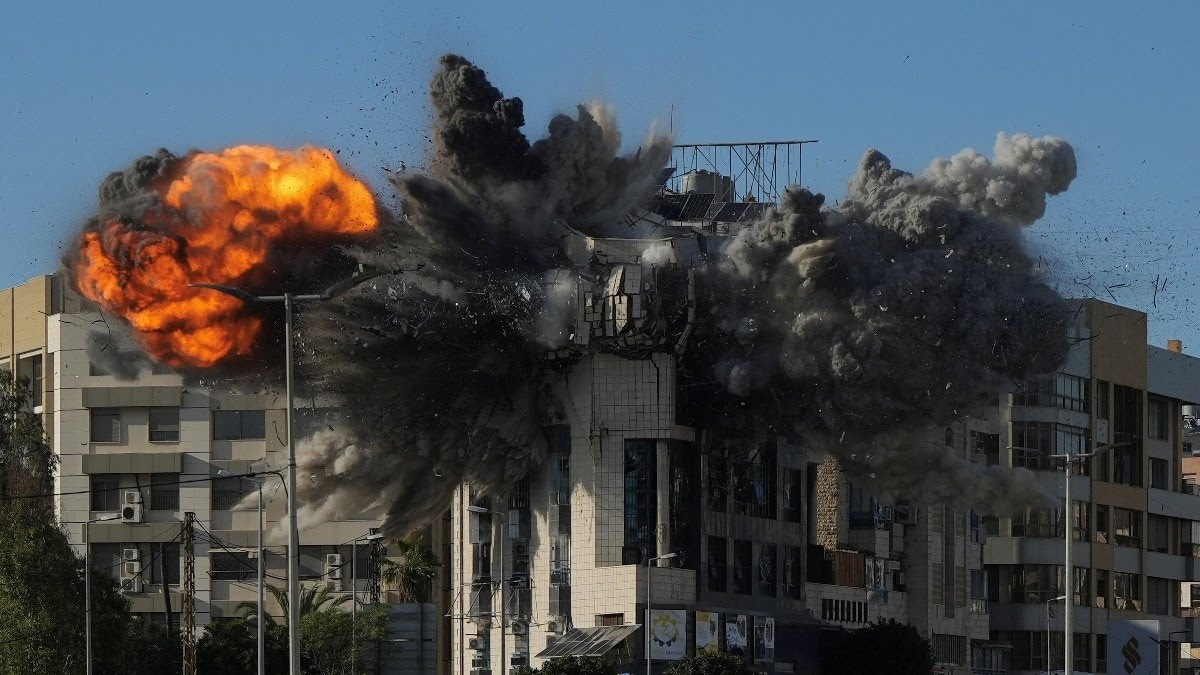
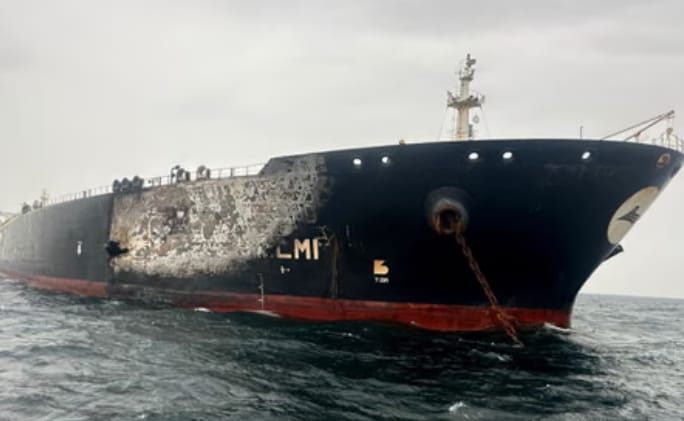
The war exposed vulnerabilities, as US military bases in Gulf countries became targets for Iranian retaliation, prompting concerns over dependence on Washington for security. While Gulf states highlighted their success in intercepting missiles and drones during the conflict, divisions have emerged within the region, with countries like the UAE and Bahrain taking a tougher stance on Iran, while others seek diplomatic engagement.
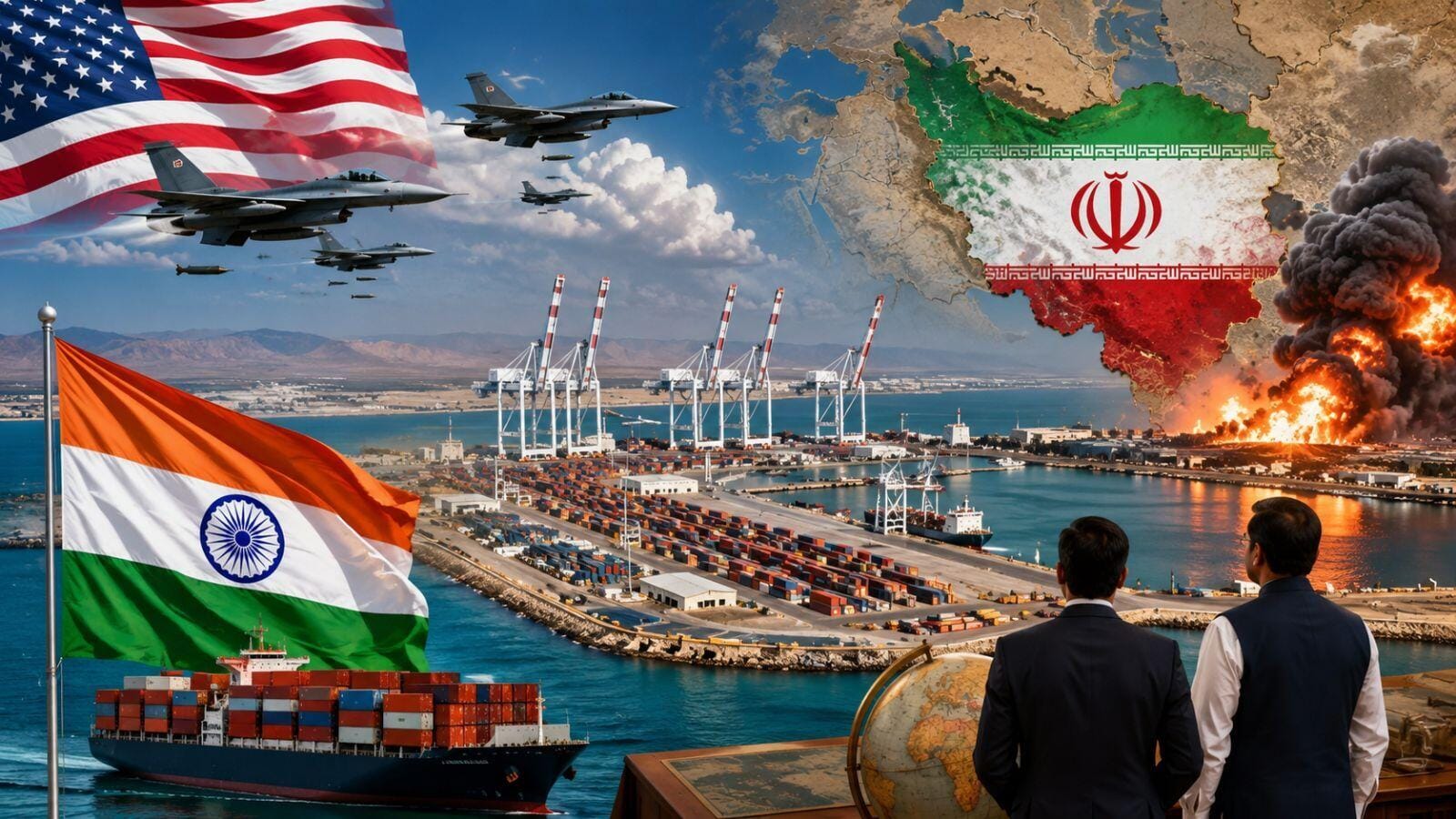
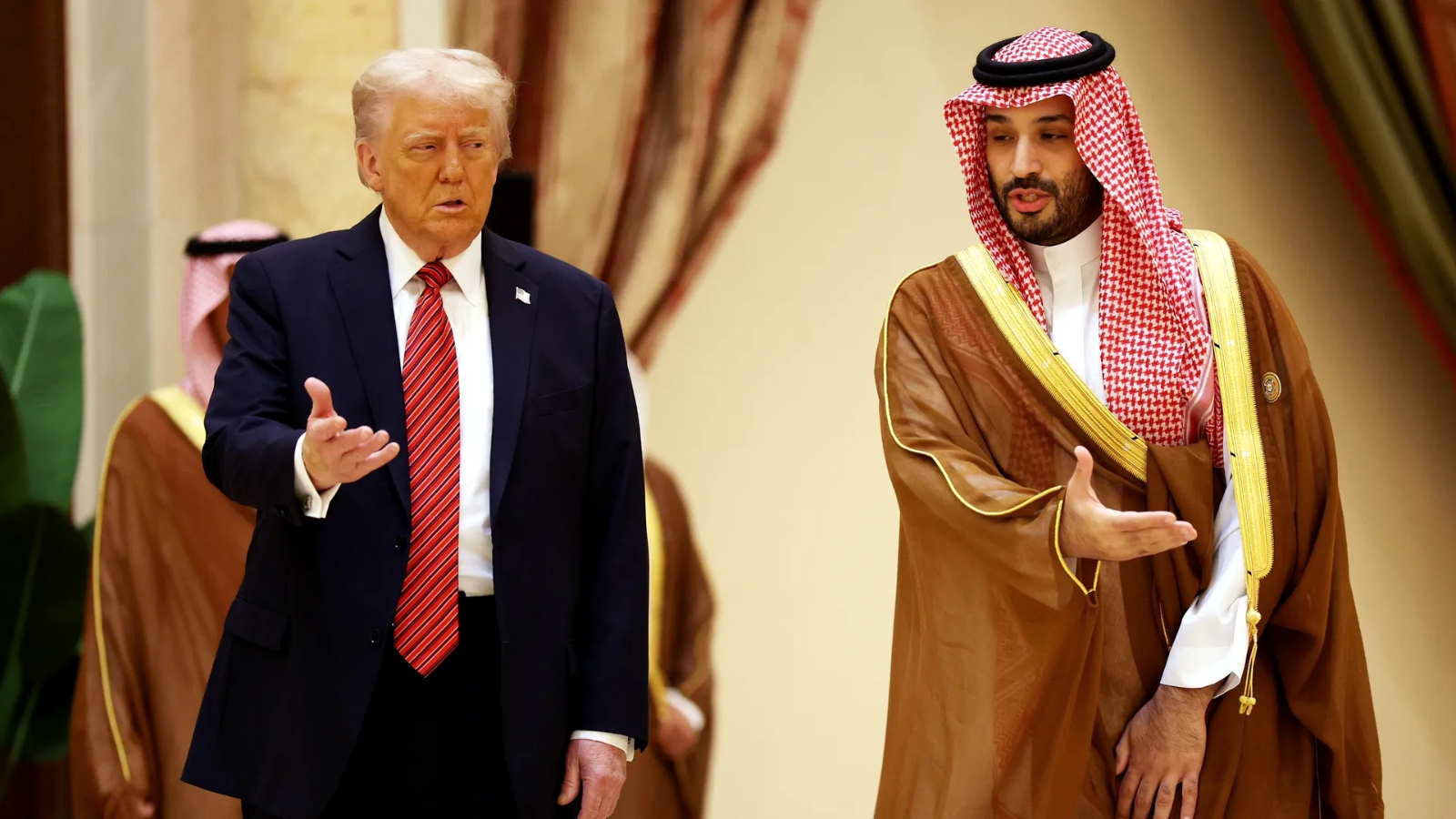
Experts suggest that Gulf nations are now looking to diversify their security partnerships, strengthening ties with countries such as Turkey, Pakistan and European powers, rather than relying solely on the United States.
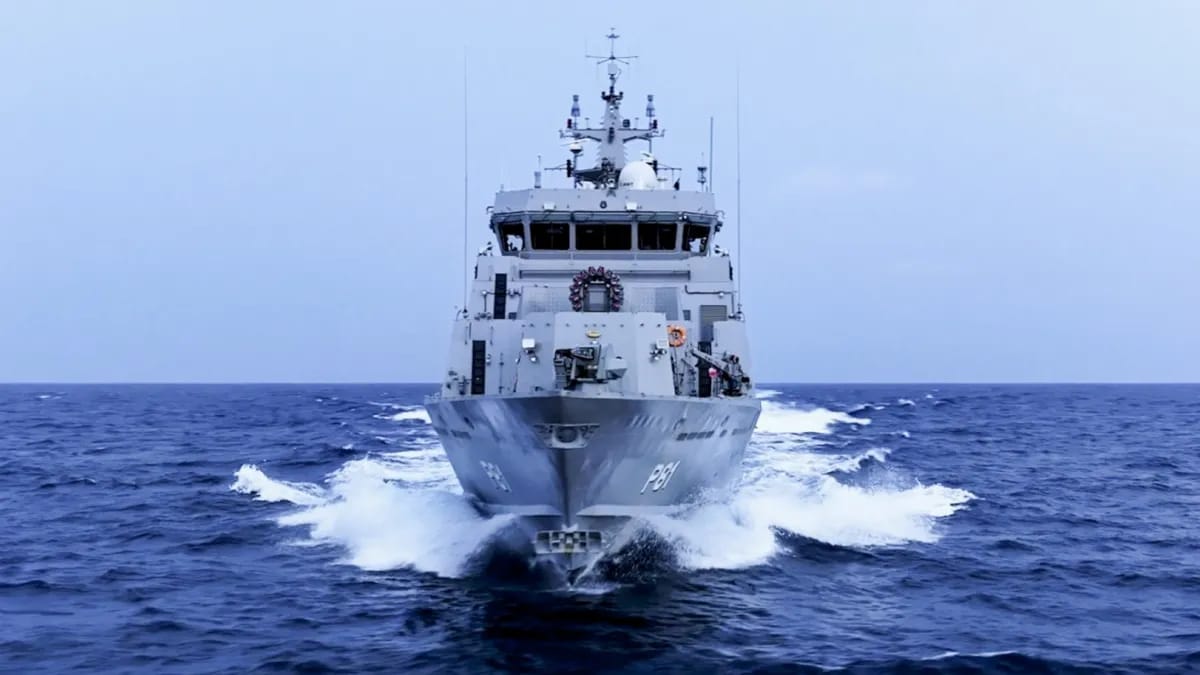
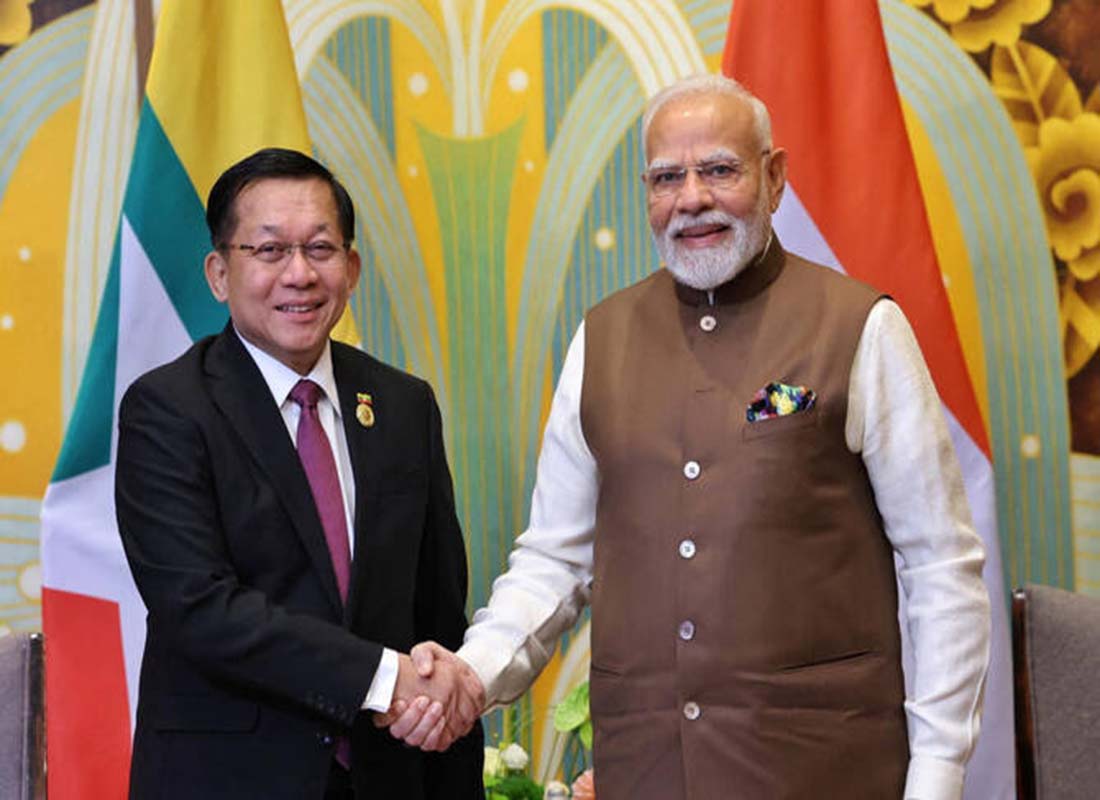
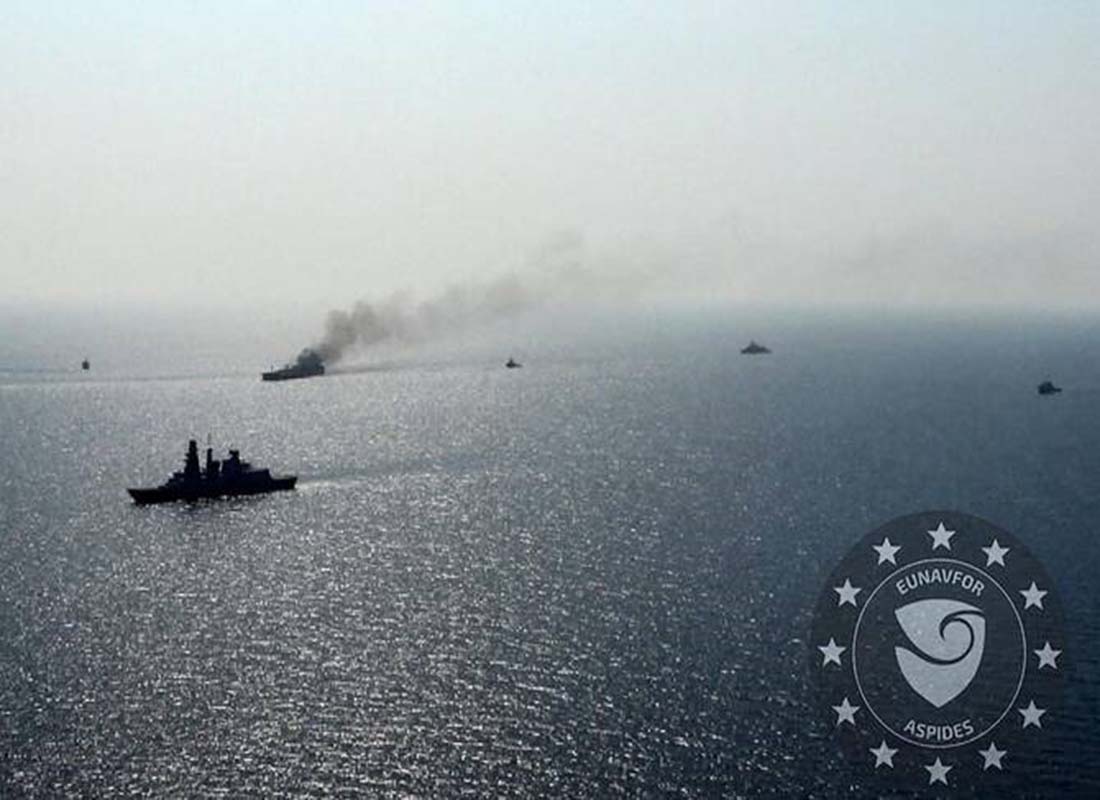
Recent defence agreements, including partnerships with India and Ukraine, signal a shift toward a broader security framework. At the same time, regional powers like Saudi Arabia are exploring diplomatic channels with Iran to reduce tensions. Analysts believe the Gulf will increase investments in defence infrastructure, including missile defence systems and maritime security, while also preparing for long-term economic recovery.
The conflict has underscored a growing perception among Gulf leaders that while US support remains vital, it may no longer be sufficient or reliable on its own, pushing the region toward a more diversified and self-reliant security approach.






.jpg)
.jpg)
-1782103217151_v.webp)






.jpg)
.jpg)
.jpg)
.jpg)
.jpg)
.jpg)