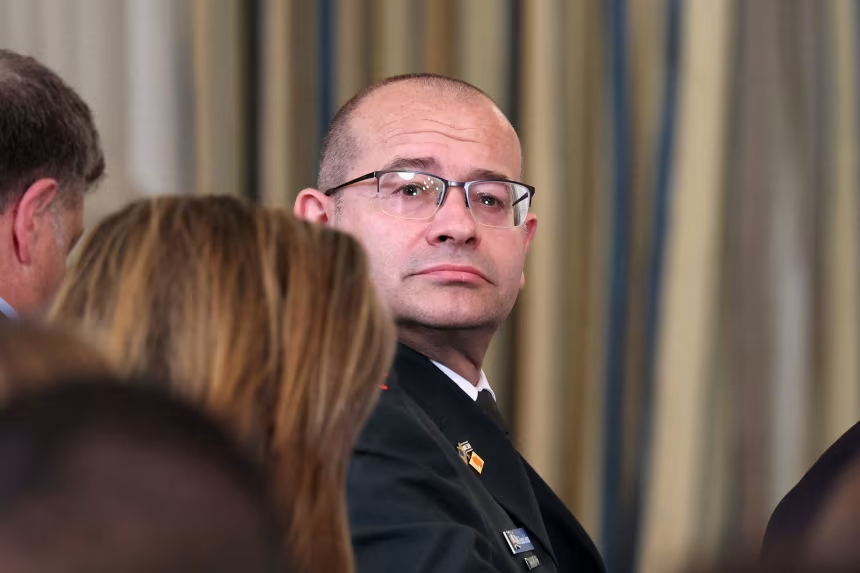



Israel's incoming Mossad chief Roman Gofman, a close aide to Prime Minister Benjamin Netanyahu, is facing scrutiny after earlier assessments that a war with Iran could quickly topple its leadership failed to materialize.
Gofman, currently serving as Netanyahu's military secretary, had supported the view that sustained military pressure and intelligence operations could trigger regime collapse in Tehran. This assessment was also shared by outgoing Mossad director David Barnea, who has led the agency since 2021 and played a central advisory role in the lead-up to the joint US-Israeli strikes on Iran that began the conflict.
The strategy reportedly involved targeting Iran's leadership and infrastructure, with the expectation that internal unrest would follow. However, despite extensive military action and the killing of Supreme Leader Ali Khamenei, no significant political collapse has occurred. Instead, Iran’s new leadership is believed to be more hardline and closely aligned with the Islamic Revolutionary Guard Corps, complicating Israel’s strategic goals.
Gofman, 49, was born in Belarus and moved to Israel as a teenager. He spent more than three decades in the Israel Defense Forces’ Armored Corps, holding senior command roles. He was seriously wounded during the October 7, 2023 attacks but later returned to serve as one of Netanyahu’s top military advisers, contributing to key decisions across multiple regional fronts, including Iran, Gaza, Lebanon and Syria.
His appointment to lead Mossad, while not unprecedented, is unusual as he comes from a military background rather than within the intelligence agency itself. Netanyahu has described him as a bold and creative officer, but critics argue that he lacks the deep intelligence experience typically required for the role. Some analysts suggest his close relationship with the prime minister played a decisive role in his selection.
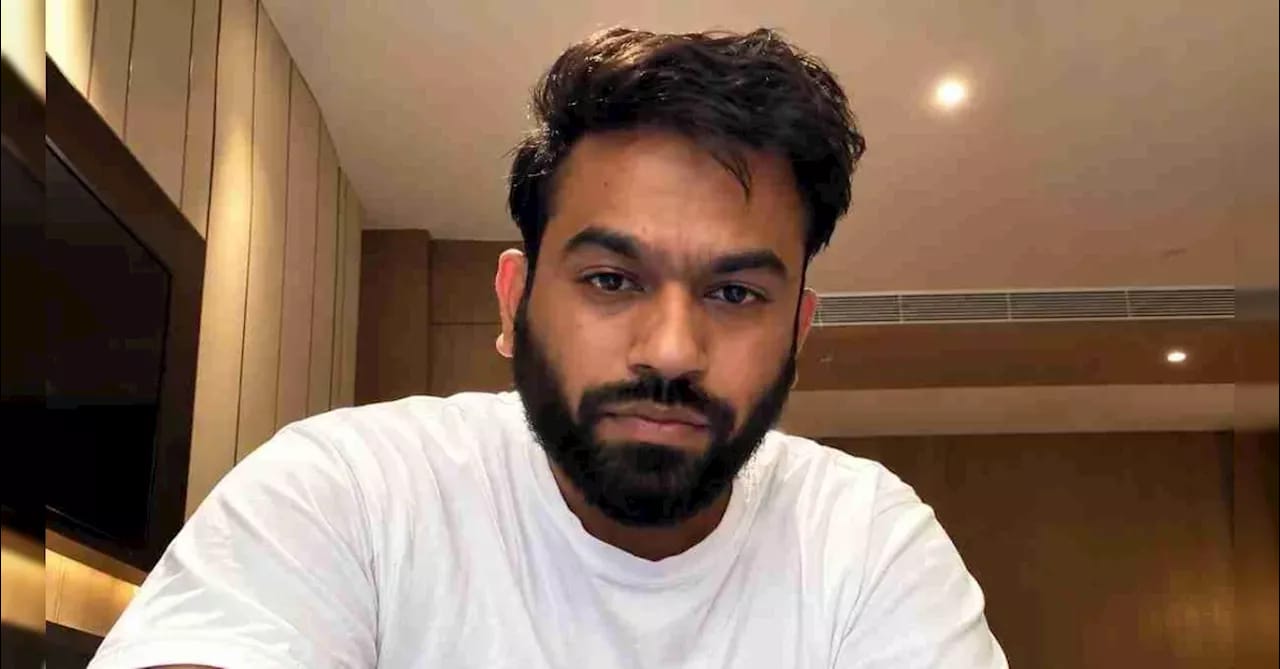
The appointment process was also delayed due to controversy surrounding a 2022 incident in which Gofman allegedly authorized the release of sensitive information through a teenager as part of an influence operation. The individual, now 21, later became one of Gofman’s most vocal critics and has challenged his appointment in court.
Gofman’s elevation comes as Netanyahu undertakes a broader overhaul of Israel’s security leadership following the October 7 attacks, widely regarded as the country’s most serious security failure. Since then, several top officials across defense and intelligence institutions have stepped down or been replaced. With Barnea’s departure and Gofman’s appointment, Netanyahu is expected to remain the only senior official still in office from the time of the attacks, highlighting both continuity at the political level and sweeping change within Israel’s security establishment.








.jpg)
.jpg)



.jpeg)






.jpeg)






.jpeg)




.jpeg)
.jpeg)













.jpeg)

.jpeg)

.jpeg)
.jpeg)


















.jpeg)



















.jpeg)



.jpeg)




.jpeg)




.jpeg)

















.jpeg)


.jpeg)


.jpeg)