

The evolving use of drone warfare is increasingly linking the conflicts in Ukraine and Iran, highlighting a broader shift in modern military strategy. Recent battlefield developments suggest that unmanned systems are not only redefining combat tactics but also reshaping geopolitical alignments.
Volodymyr Zelensky recently described a breakthrough operation in which unmanned drones and robotic systems were used to capture a Russian position, calling it a glimpse into the future of warfare. While such claims emphasize Ukraine’s growing capabilities, they also challenge earlier assumptions that Russia with support from Iran was leading in drone warfare innovation.
Since the early stages of the conflict, Iran has supplied Russia with Shahed drones, which have been widely used in attacks on Ukrainian cities and infrastructure. Over time, this cooperation expanded to include domestic production within Russia, enabling large-scale drone deployments. These swarm-style attacks designed to overwhelm air defenses have since become a defining feature of the war.
However, Ukraine has responded with rapid innovation. A decentralized defense ecosystem, involving engineers, startups, and frontline units, has allowed the country to develop cost-effective and adaptable drone systems. Ukrainian forces are now deploying thousands of drones daily, using them for reconnaissance, defense, and precision strikes. These systems have significantly altered battlefield dynamics, reportedly accounting for a large share of enemy losses.
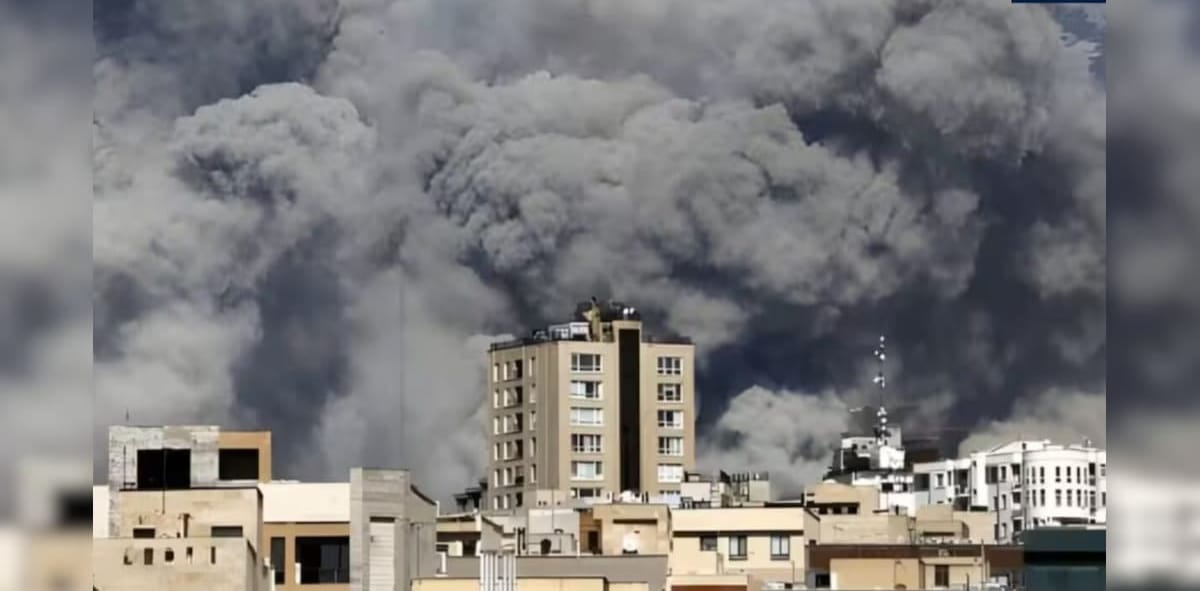
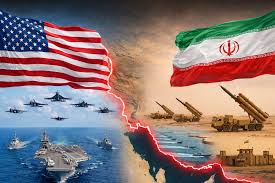
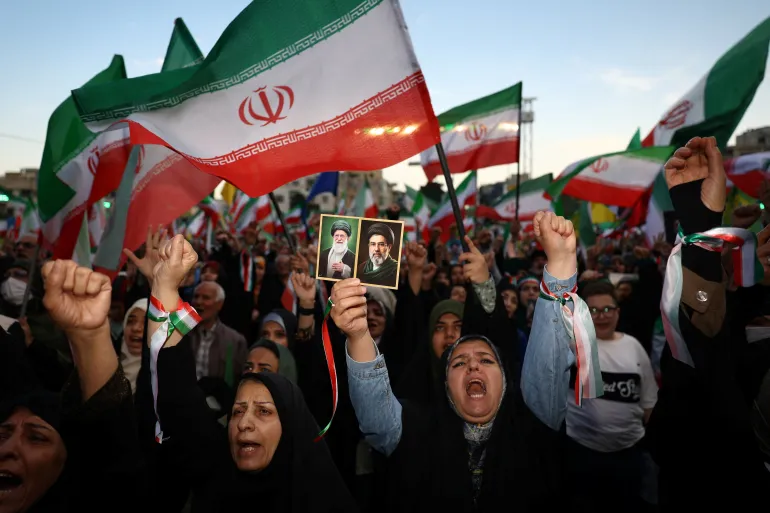
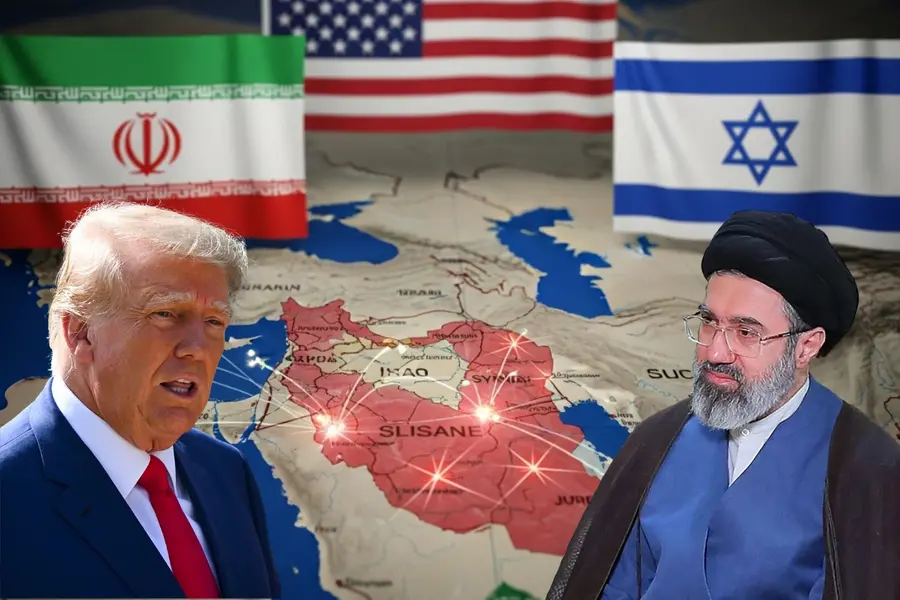
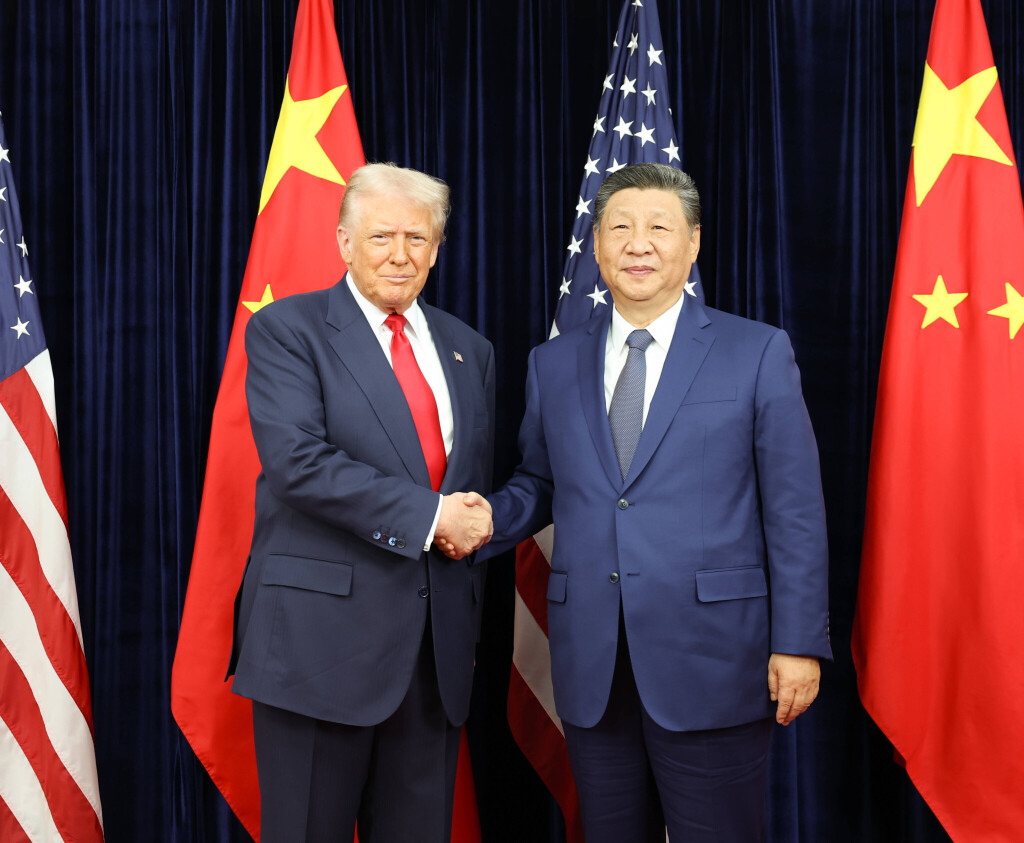
At the same time, the United States has intensified efforts to weaken Iran's drone and missile capabilities. Under the leadership of Donald Trump, recent military operations have targeted key elements of Iran’s aerospace infrastructure, including production facilities and storage sites. The objective is to slow the development of systems that could potentially overwhelm existing defense networks.
Iran's drone strategy has also extended beyond Ukraine. In April 2024, Tehran launched a large-scale aerial assault involving drones and missiles against Israel, demonstrating its ability to combine volume and precision in coordinated attacks. This tactic mirrors those used by Russian forces, underscoring the shared technological and strategic approach between the two countries.
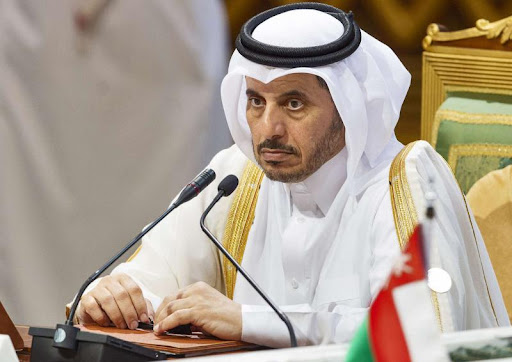
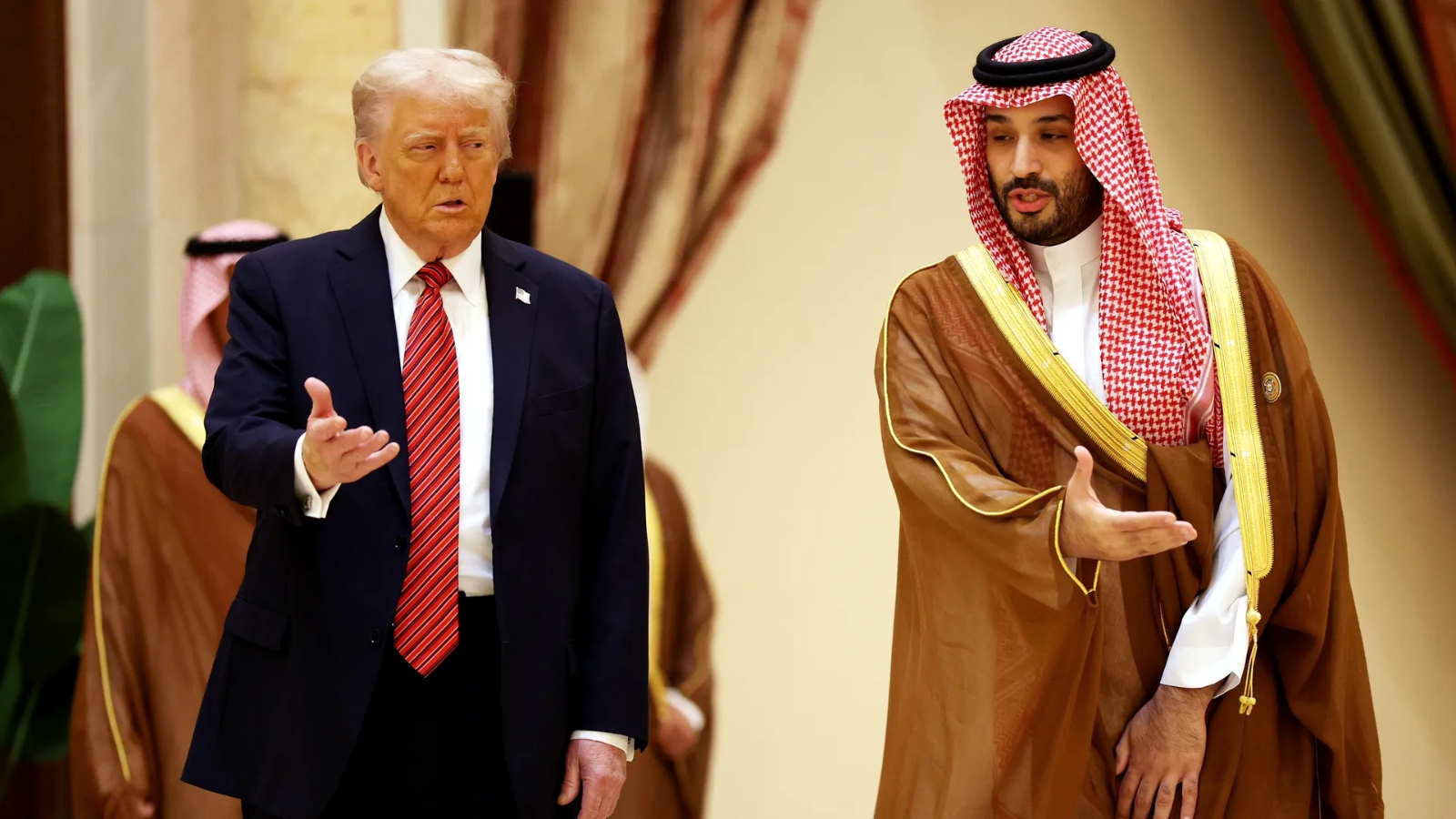
The convergence of these conflicts has broader implications. Ukraine’s advancements in counter-drone technology are now attracting international interest, particularly from Gulf nations facing similar threats. Saudi Arabia, United Arab Emirates, and Qatar have reportedly engaged with Kyiv to strengthen their defensive capabilities against drone-based attacks.
This growing cooperation suggests a shift toward integrated global defense strategies. Analysts argue that viewing the Ukraine and Iran conflicts as interconnected could help Western nations better prepare for future warfare scenarios, where drones, automation, and mass production play central roles.
As geopolitical tensions continue, the balance of power may increasingly depend on technological adaptation. The intersection of Ukraine’s innovation and efforts to limit Iran’s capabilities could play a decisive role in shaping both regional stability and the future of global conflict.








.jpg)
.jpg)



-1782103217151_v.webp)































.jpg)
.jpg)
.jpg)
.jpg)
.jpg)
.jpg)