

Lebanon is facing a deepening humanitarian crisis as weeks of intense Israeli strikes have left hospitals overwhelmed, communities shattered, and millions of civilians struggling to cope with the aftermath.
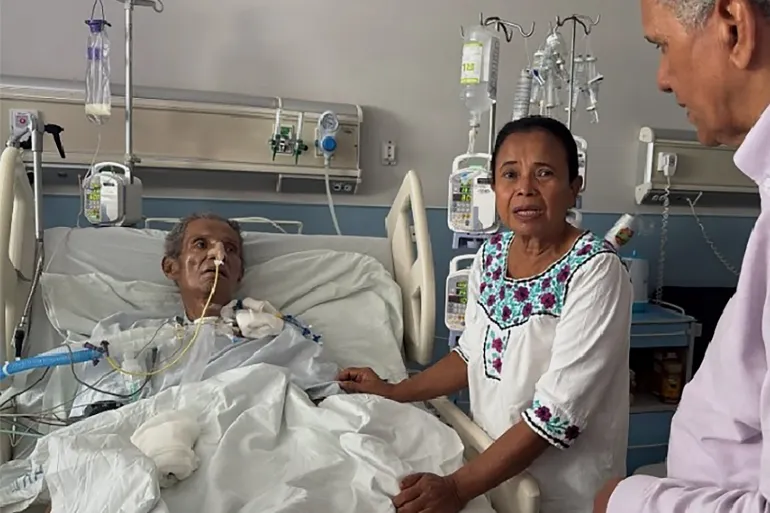
At Beirut's Rafik Hariri University Hospital, the scale of devastation is evident. Families gather anxiously outside as ambulances arrive carrying the wounded and the dead. Medical staff, already working at full capacity, are dealing with a constant influx of casualties. Despite the hospital’s critical role, it lies within an evacuation zone, raising fears it could itself become a target. With hundreds of patients, including those in intensive care, relocation is nearly impossible.
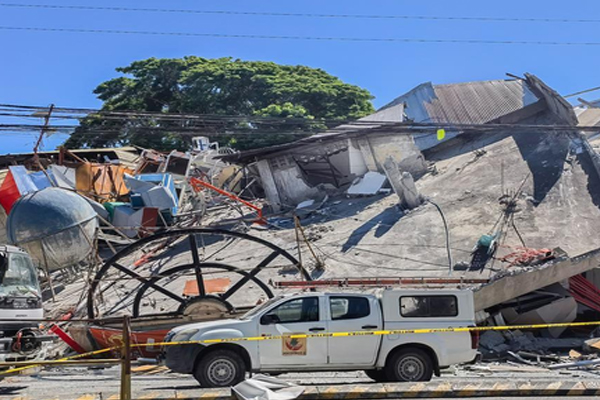
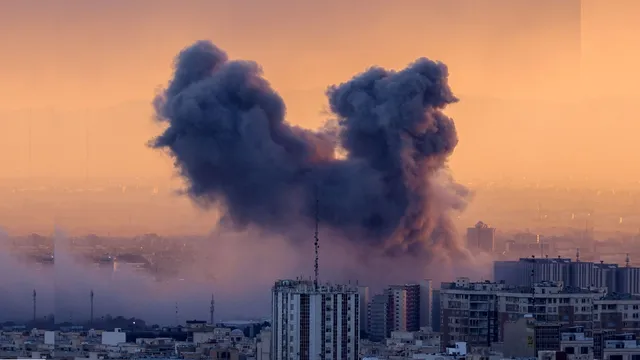
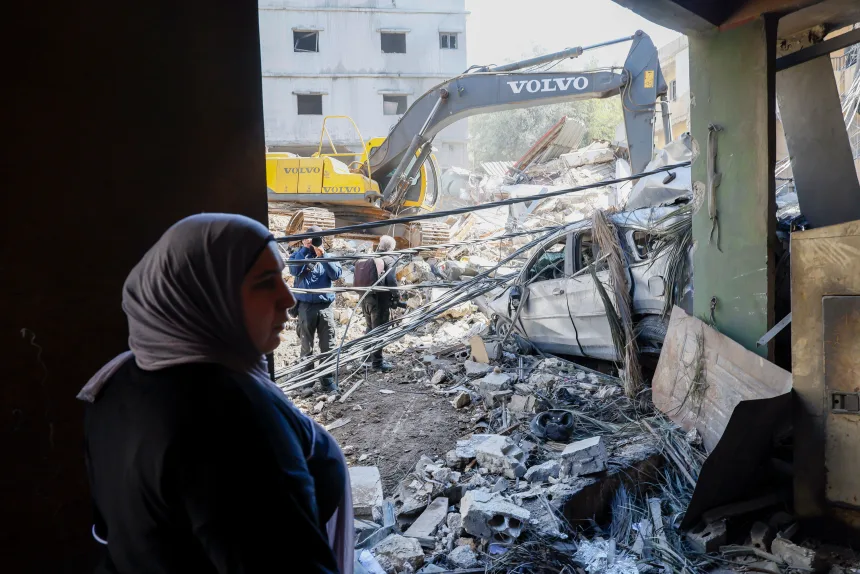
Across the capital, civilians describe scenes of destruction and loss. Many victims are reported to be women, children, and displaced families caught in residential areas during airstrikes. Entire neighborhoods have been reduced to rubble, leaving survivors searching for loved ones and salvaging what little remains of their homes.
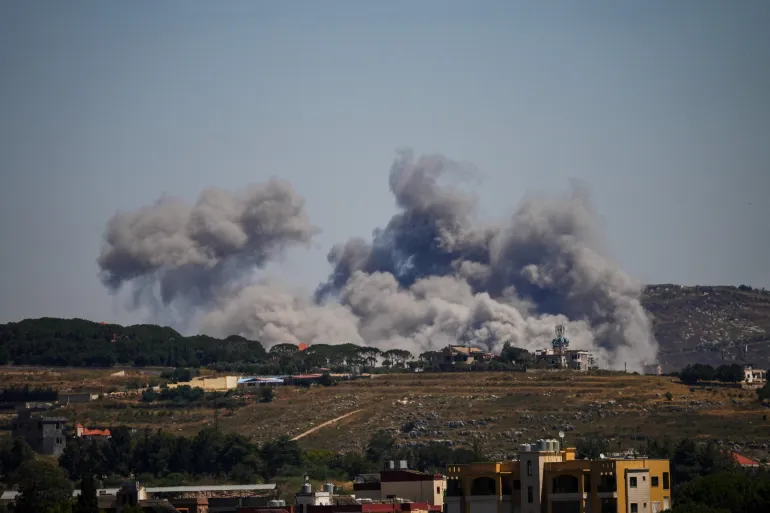
Although a temporary ceasefire has offered a brief pause in the fighting, the damage inflicted over recent weeks continues to take a heavy toll. The Israeli government maintains that its operations target militant infrastructure, aiming to secure its northern borders. However, the widespread impact on civilian areas has intensified concerns about the humanitarian consequences of the conflict.
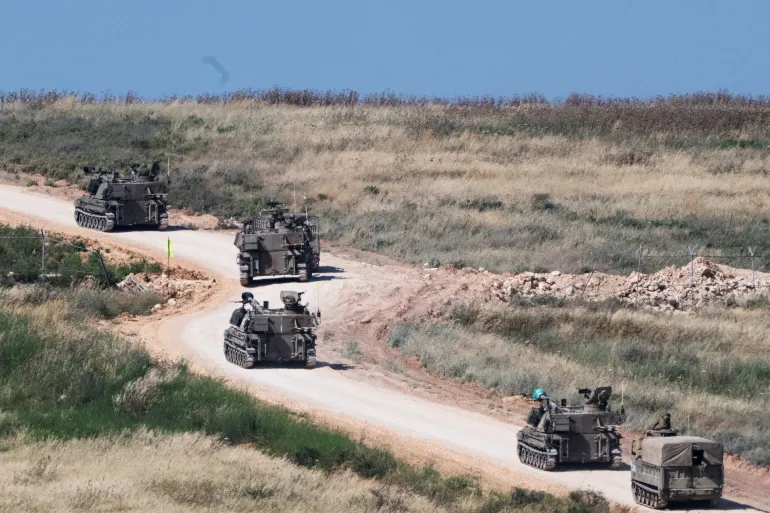
Southern Lebanon, long considered a frontline region, has endured sustained bombardment and ground operations. The latest escalation has expanded far beyond these areas, bringing destruction to cities and towns that were previously considered relatively safe, including parts of Beirut.
Health authorities report that more than 2,000 people have been killed in recent weeks, including children and healthcare workers, while thousands more have been injured. Hospitals are struggling to cope, with warnings that medical supplies are running dangerously low. Healthcare officials say they are prepared to treat more casualties but fear they may not have the resources to sustain prolonged conflict.
Stories from survivors highlight the human cost. Families recount digging through debris with their bare hands to rescue loved ones, while children traumatized by repeated airstrikes struggle to cope with constant fear. Many have already endured multiple conflicts in their short lives.
The destruction extends beyond homes and hospitals. Infrastructure across the country has been severely damaged, with bridges and key transport routes targeted, isolating southern regions and making aid delivery more difficult. More than one million people around one-fifth of Lebanon's population have been displaced.
Displaced families have sought shelter in schools, stadiums, and temporary camps, while others remain without adequate housing, living in tents or on the streets. Many refuse relocation, holding onto hope that they will soon return to their homes, despite widespread destruction.
In coastal cities like Tyre, once-busy streets now lie nearly empty. Residents who remain live under constant threat, with airstrikes and military activity continuing nearby. Economic activity has also been disrupted, with fishermen and workers unable to carry on their livelihoods.
Amid the devastation, communities are attempting to support one another, showing resilience in the face of ongoing hardship. Yet with uncertainty surrounding the durability of the ceasefire and fears of renewed escalation, Lebanon's path to recovery remains unclear.







.jpg)
.jpg)

.jpeg)
.jpeg)
.jpeg)


.jpeg)
.jpeg)
.jpeg)
.jpeg)
.jpeg)

.jpeg)

.jpeg)
.jpeg)



-1783504412913_v.webp)
.webp)
.jpeg)





.jpg)
.webp)


-1782968272532_v.webp)





-1782800857062_v.webp)



-1782462393026_v.webp)

.webp)


-1782369907240.jpg)
-1782358051137.jpg)





.jpg)