
Democracy around the world is facing a growing threat from climate change, as extreme weather events increasingly interfere with elections. A new global analysis highlights how floods, wildfires, and heatwaves are not only environmental crises but also serious disruptions to democratic processes.
Over the past two decades, at least 94 elections and referendums across 52 countries have been affected by climate-related events. These disruptions have ranged from damaged infrastructure and inaccessible polling stations to displaced voters and last-minute changes in election procedures.
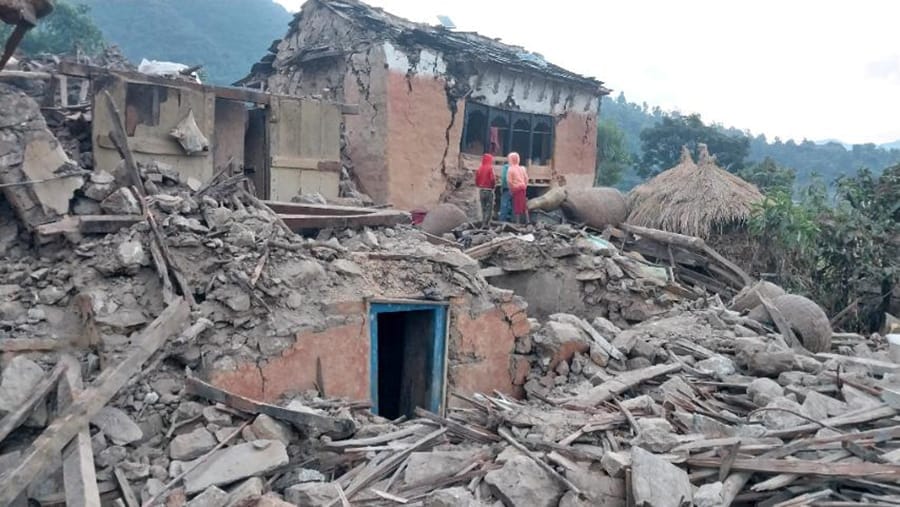
In 2024 alone, natural hazards impacted 23 elections in 18 countries. In several cases, severe weather conditions forced authorities to alter voting arrangements, while in others, the destruction of roads and communication networks made it difficult for voters and election officials to carry out their roles effectively.
Experts warn that the situation is likely to worsen, especially in regions already vulnerable to both political instability and climate risks. Countries in Africa and Asia are particularly at risk, where fragile systems may struggle to cope with increasing environmental pressures.
One major concern is the timing of elections. Analysts suggest that elections are often scheduled without considering predictable climate patterns, increasing the likelihood of disruption. Adjusting election calendars to avoid peak disaster seasons could help reduce risks.
Past incidents illustrate the scale of the problem. In one case, a powerful cyclone submerged infrastructure and displaced large populations during an election, significantly affecting voter turnout and results. In another, heavy flooding forced emergency responders to assist election observers in reaching polling stations.
Extreme heat has also emerged as a serious challenge. High temperatures have disrupted voting processes, with some electronic voting systems malfunctioning due to overheating. Large urban centers are especially vulnerable, as rising temperatures continue to break historical records.
To address these challenges, experts are calling for better coordination between election authorities and climate specialists. This includes integrating weather forecasting, disaster preparedness, and contingency planning into election management strategies.
Some countries have already begun adapting. Election officials in certain regions are receiving disaster management training, while others are shifting election dates to avoid high-risk periods such as wildfire or storm seasons.
As climate change intensifies, its impact on democratic systems is becoming harder to ignore. Ensuring free and fair elections in the face of growing environmental challenges will require urgent planning, innovation, and global cooperation.




.jpg)
.jpg)