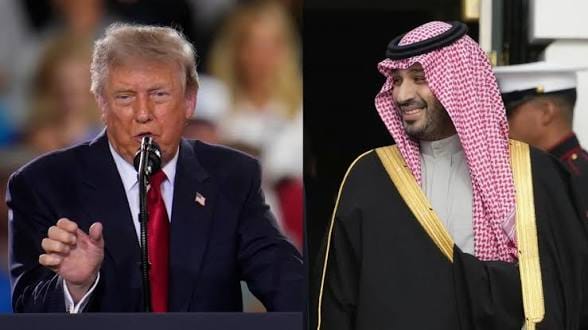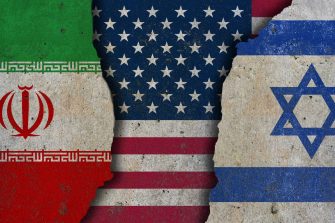



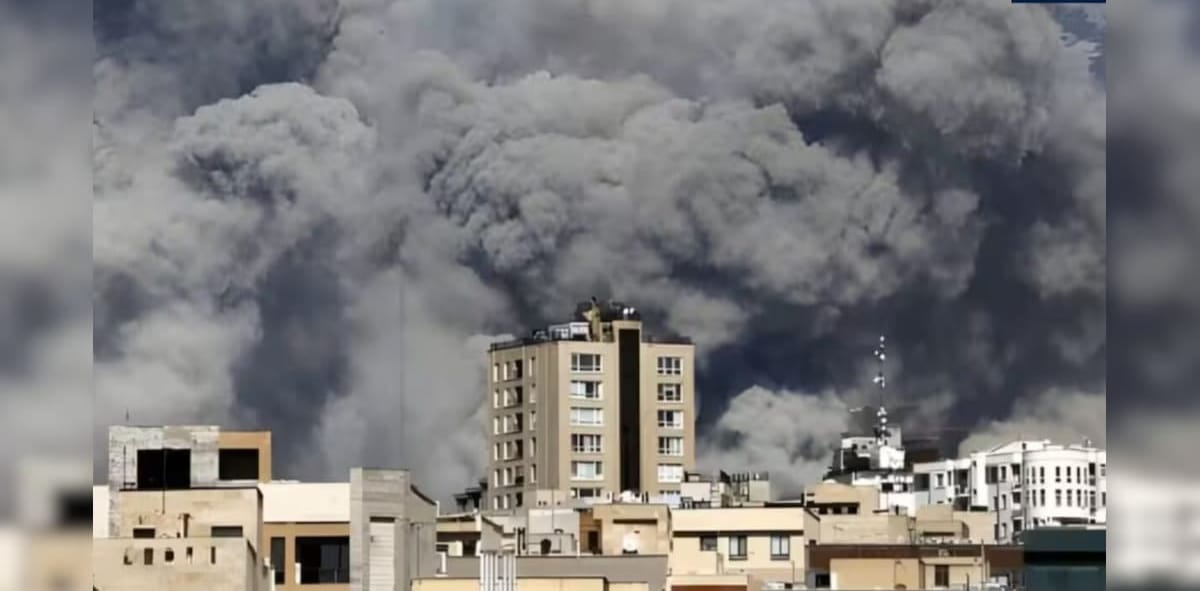
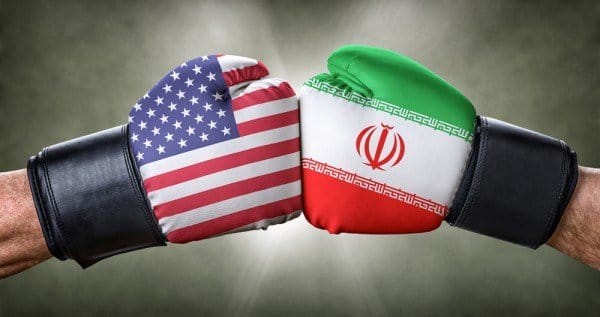
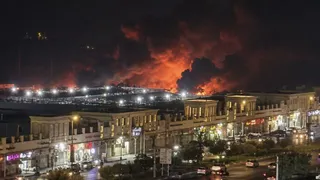
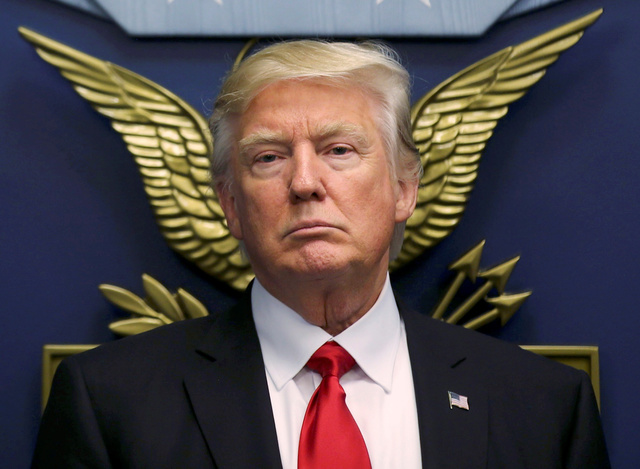
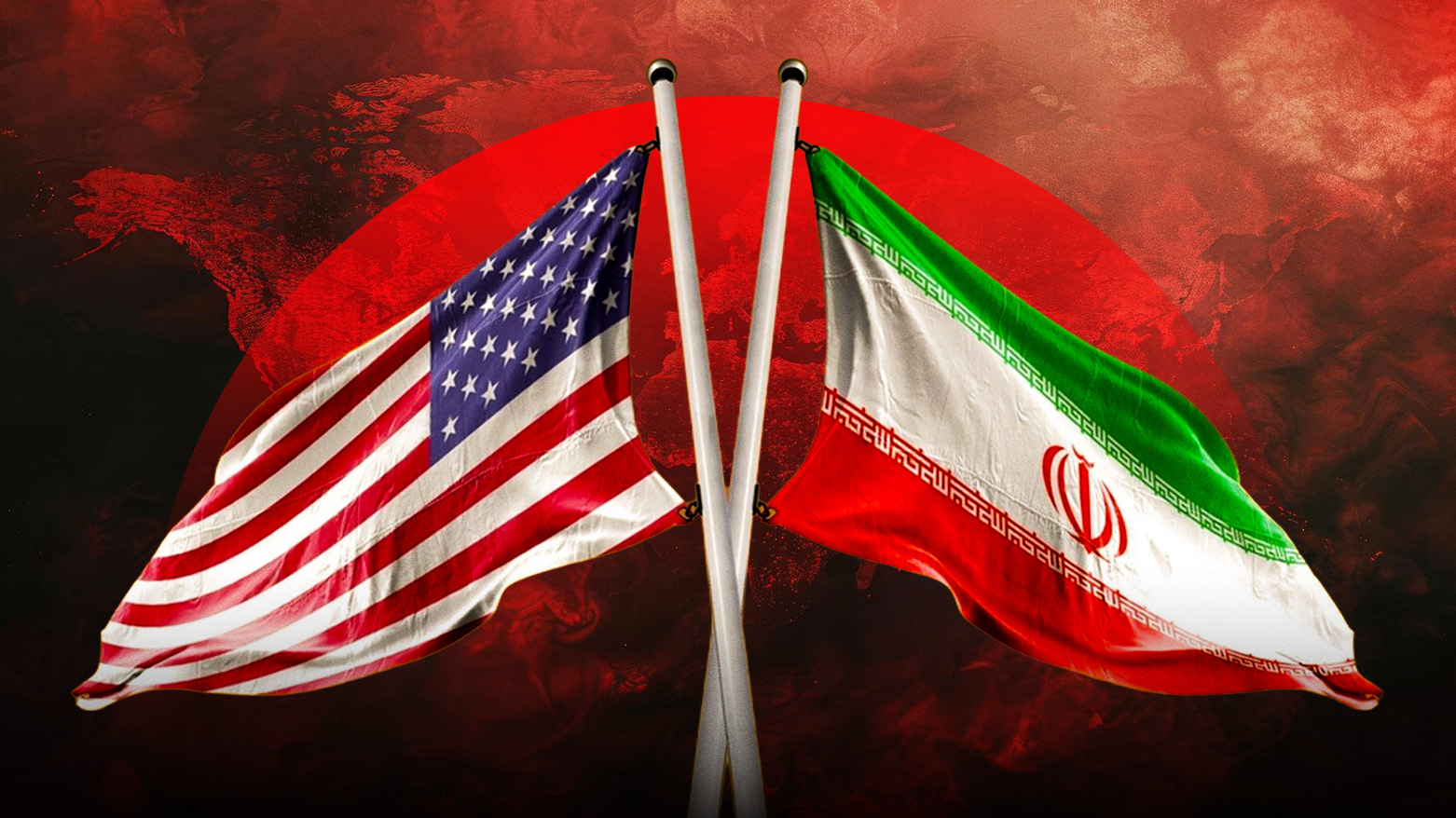
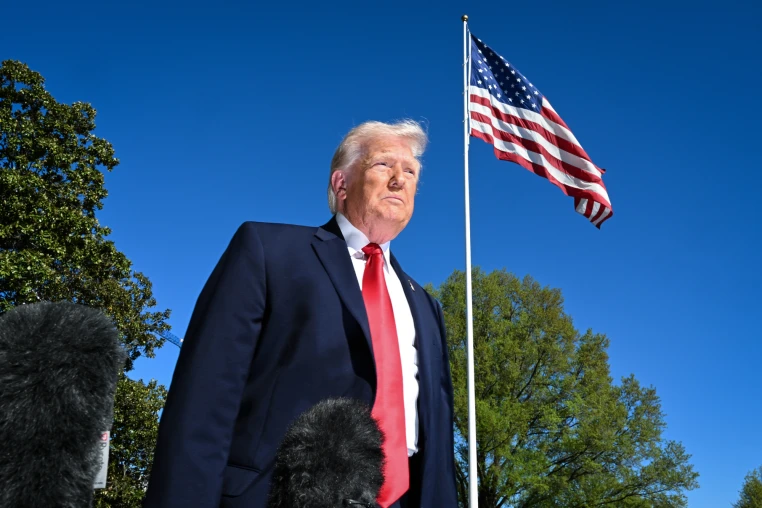
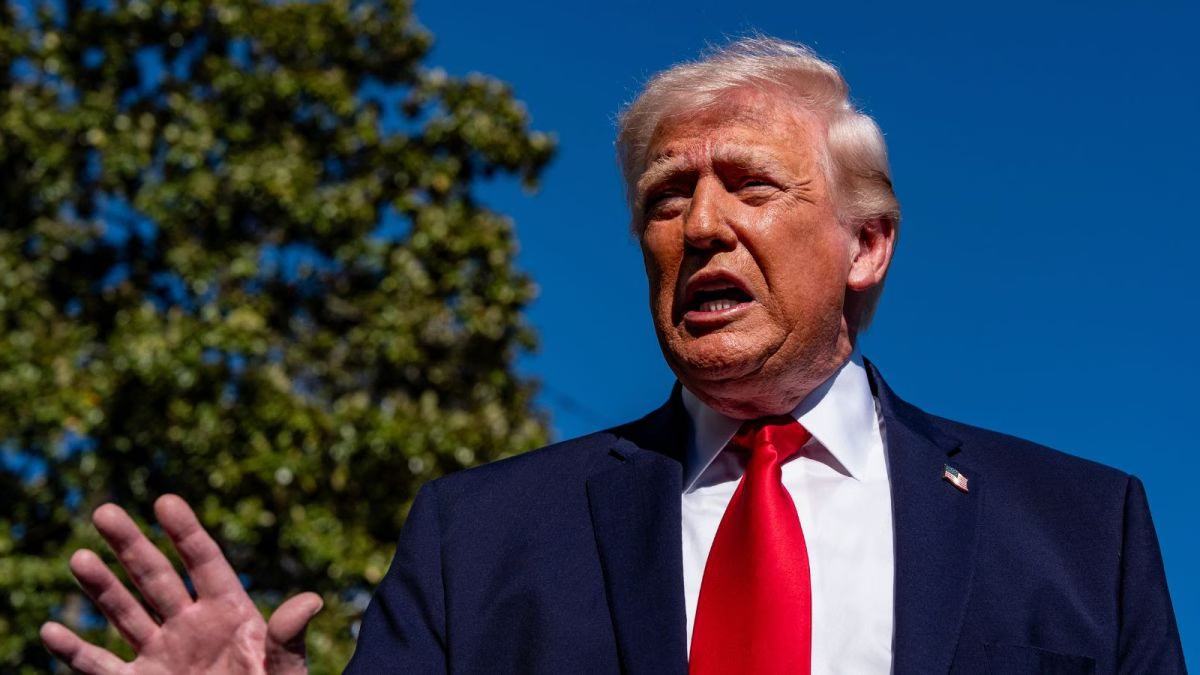
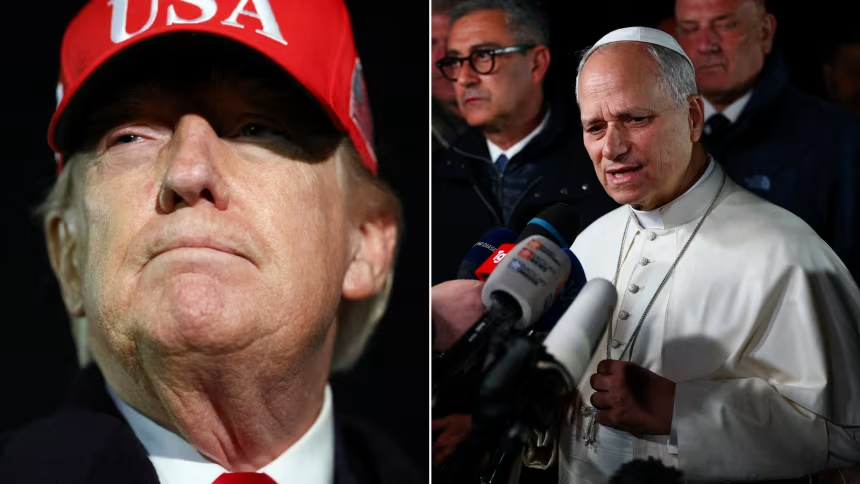
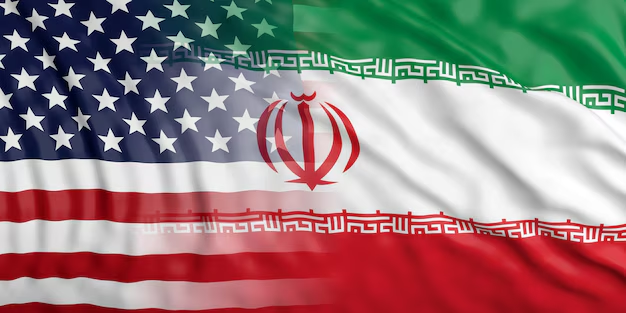
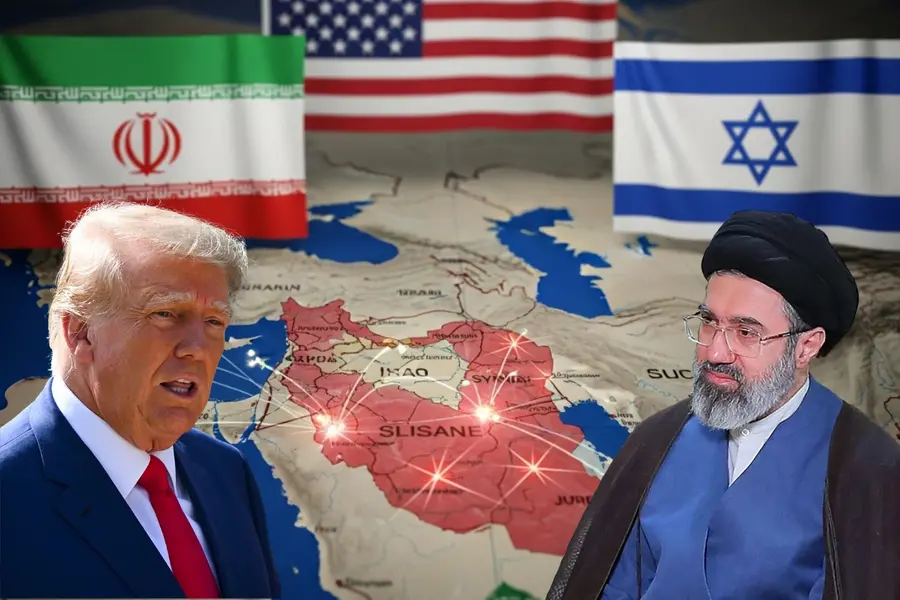
The conflict involving Iran, Israel, and the United States has entered its 56th day, with a temporary extension of the Israel-Lebanon ceasefire providing a brief pause in hostilities. US President Donald Trump announced a three-week extension following talks with Israeli and Lebanese representatives, signaling a continued push for diplomatic engagement even as tensions remain high.
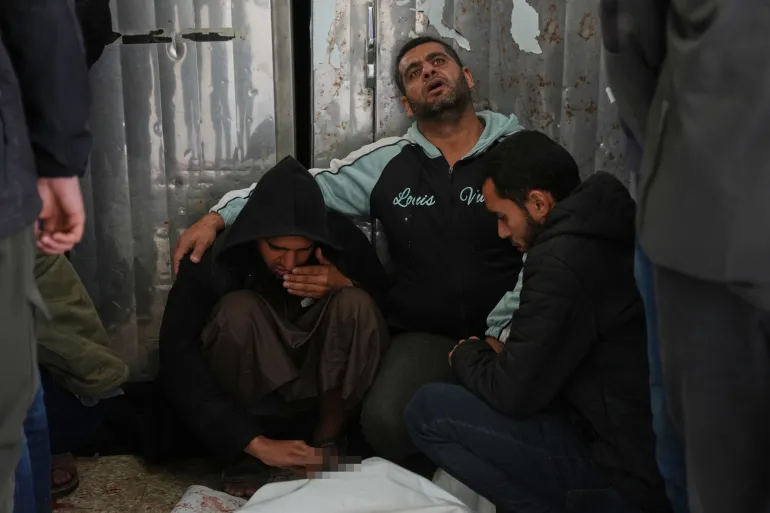
Trump indicated that while a deal with Iran could be reached quickly, he prefers to wait for a more permanent and comprehensive agreement. Despite the ceasefire, violence has not fully subsided. An Israeli strike in southern Lebanon reportedly killed three people, highlighting the fragile nature of the truce.
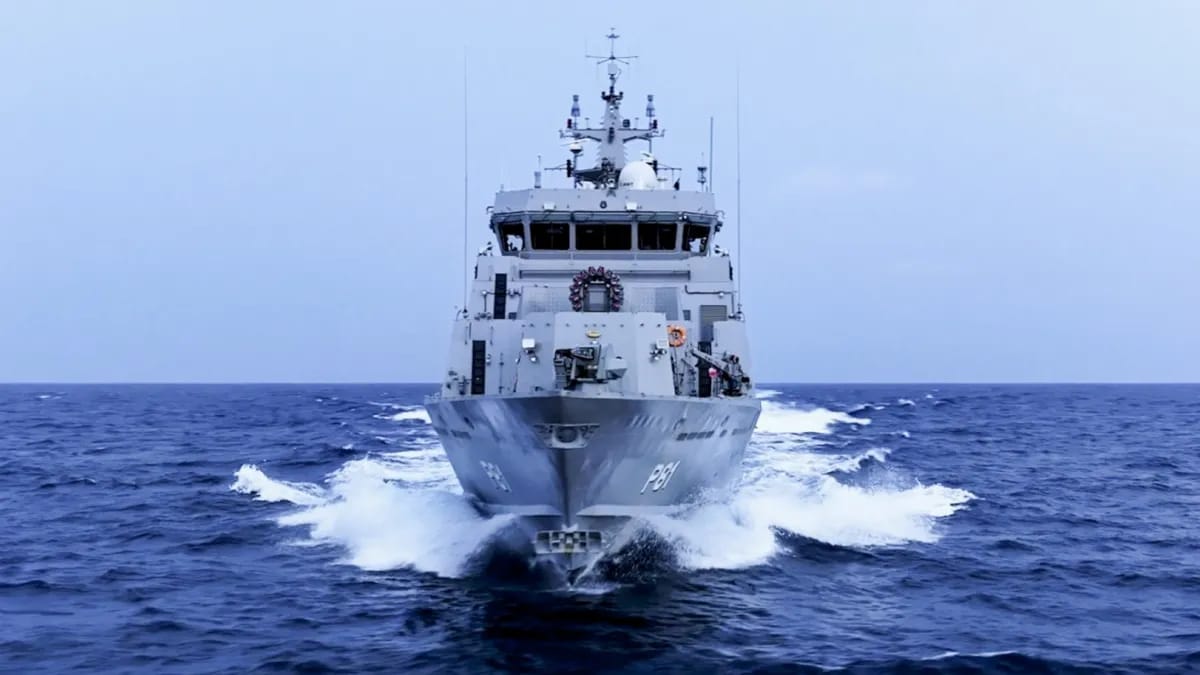
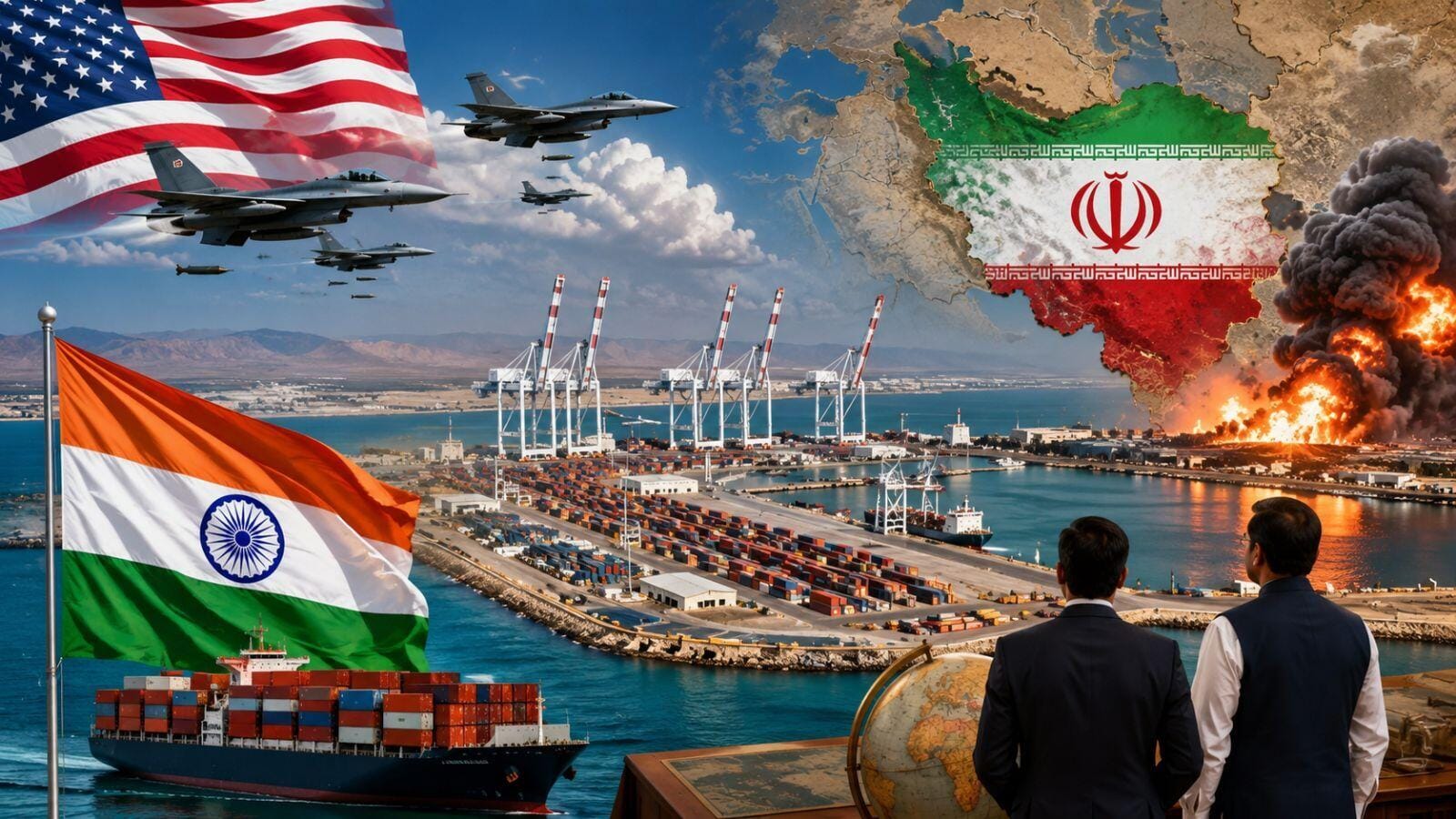
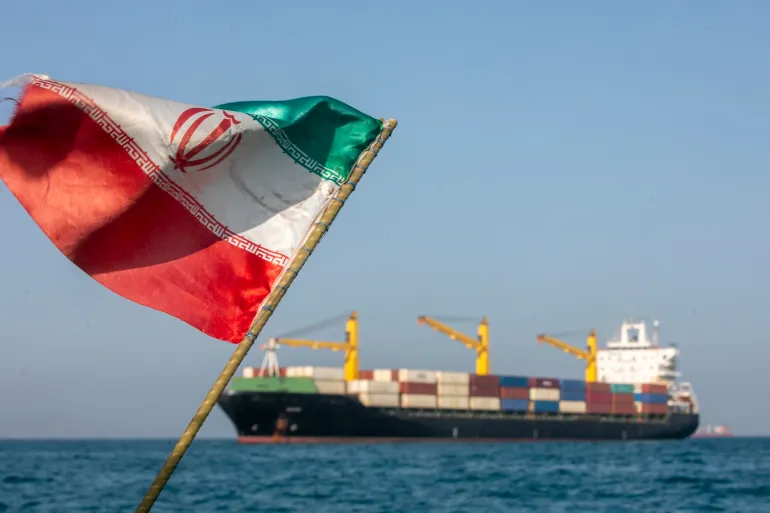
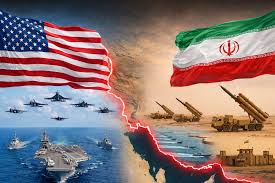
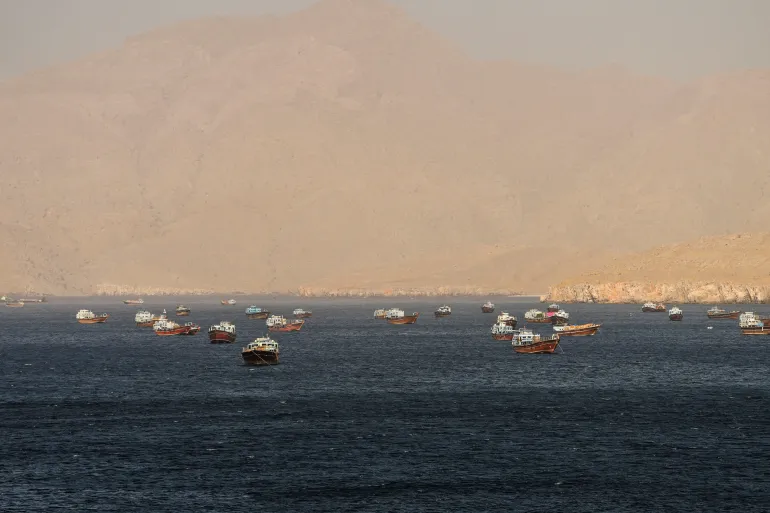
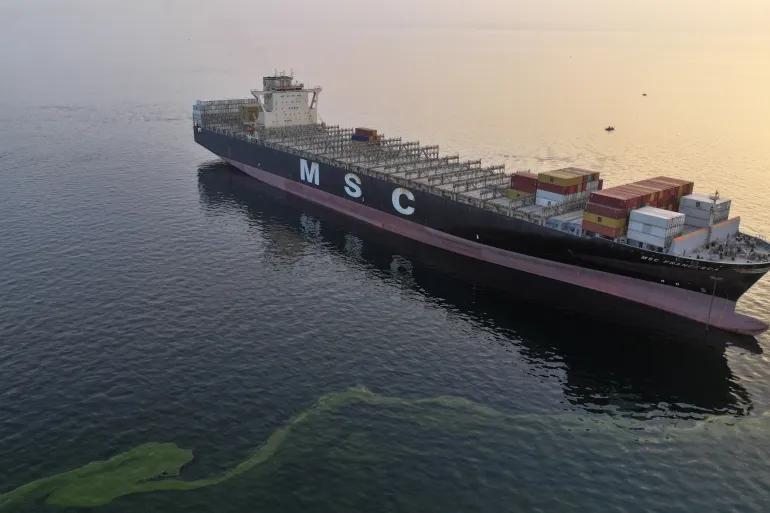
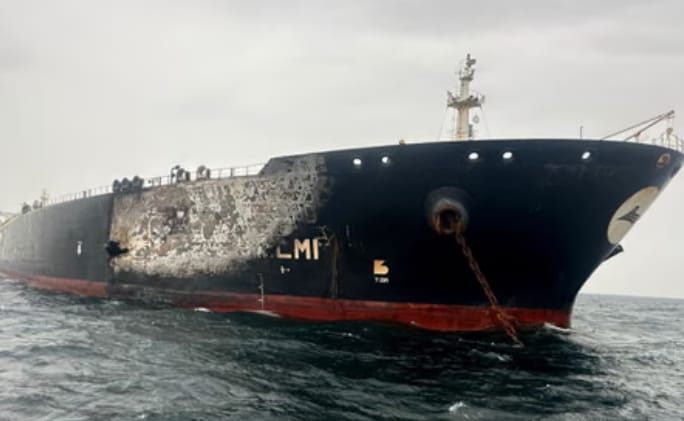
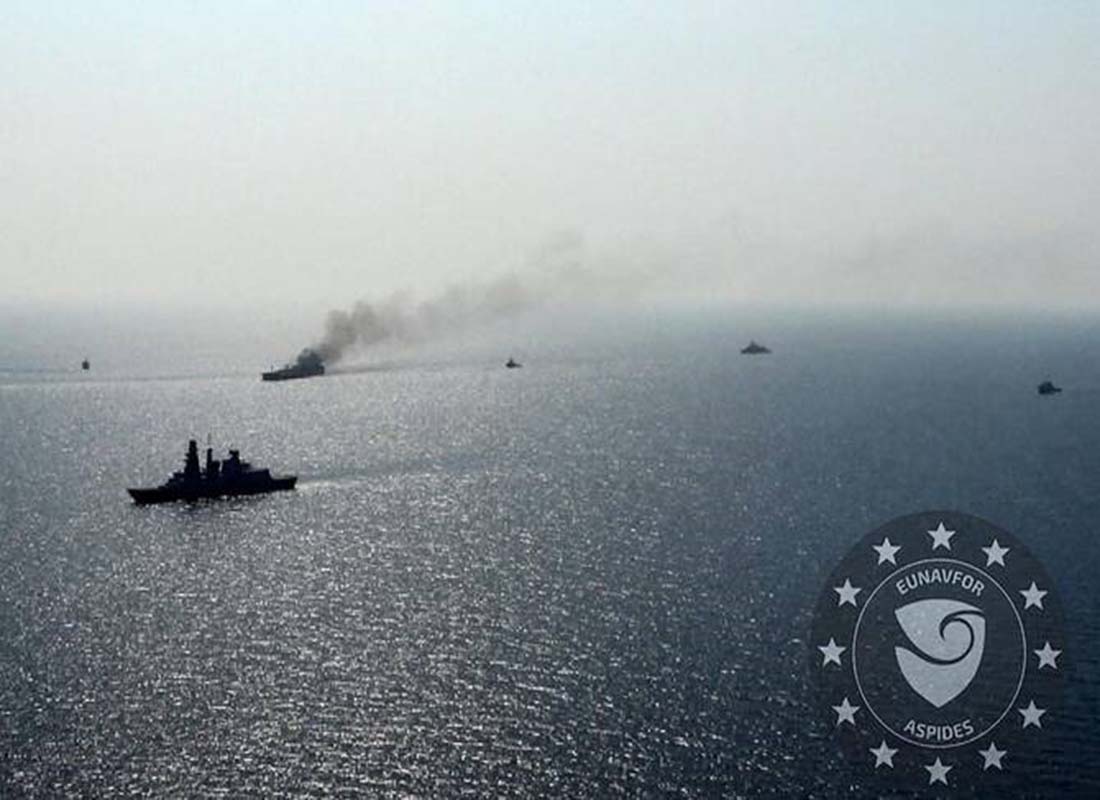
In the Strait of Hormuz, tensions have intensified. Trump warned that the United States would take action against any attempts to disrupt maritime routes, particularly the laying of naval mines. The US military presence in the region has also increased, with the deployment of another aircraft carrier, raising the total number of American carriers in the area to three.
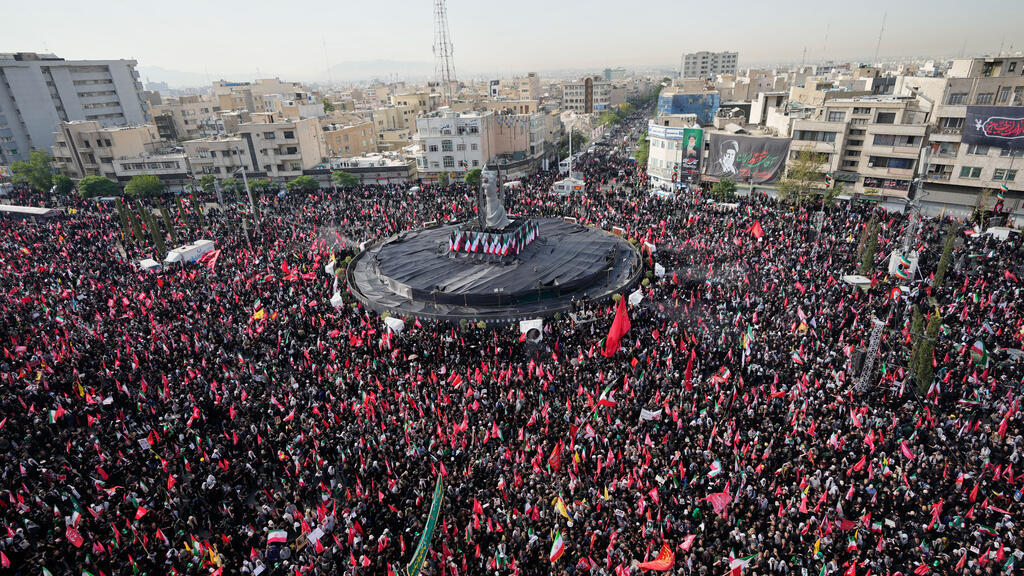
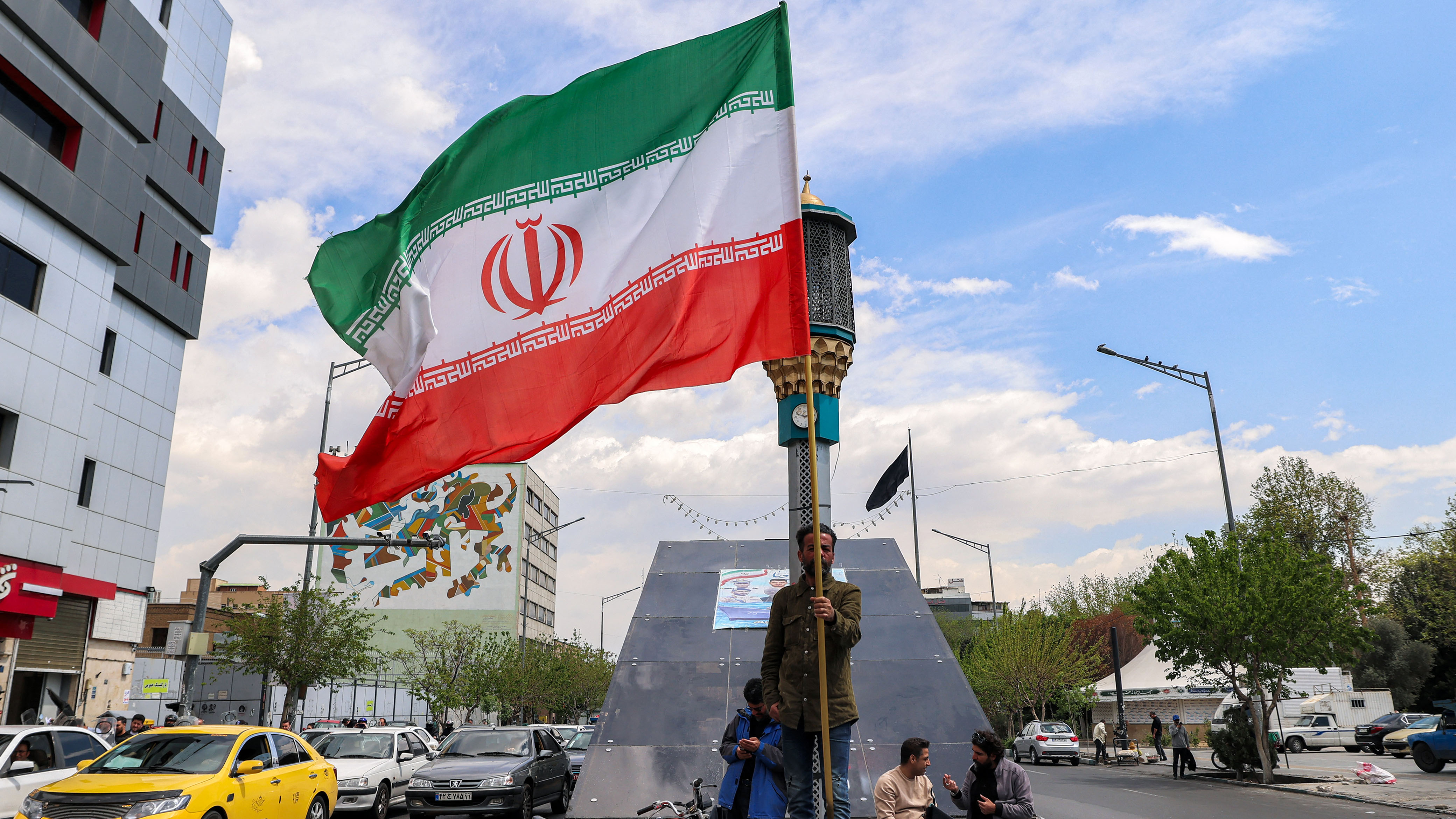
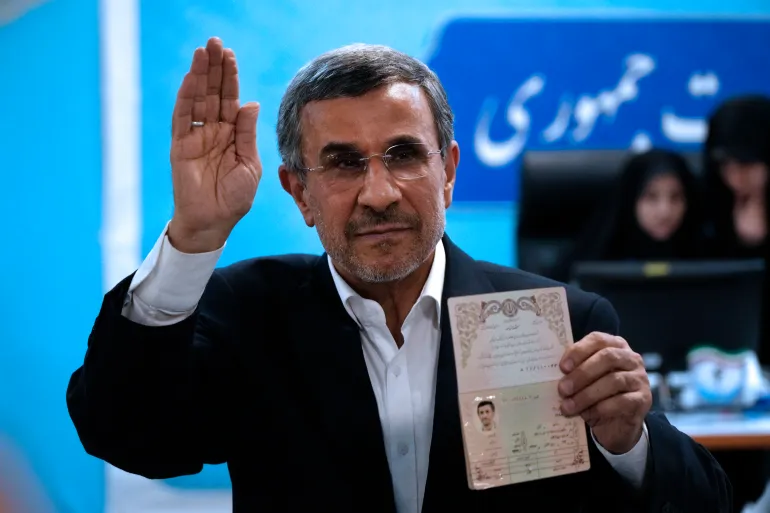
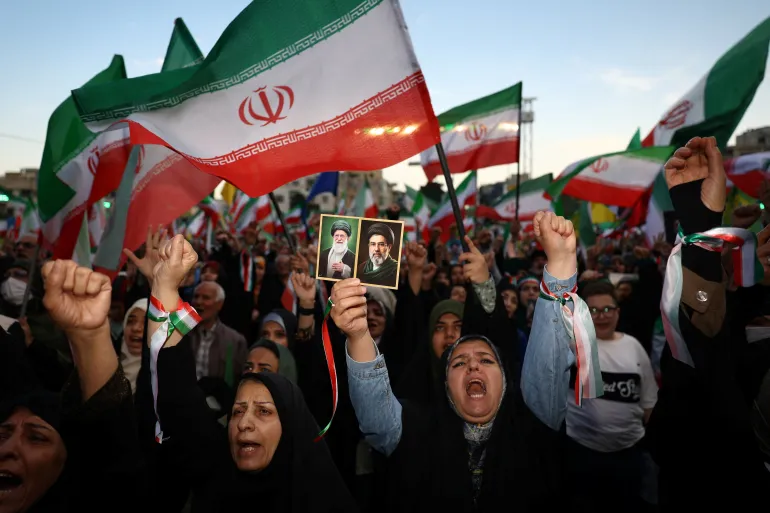
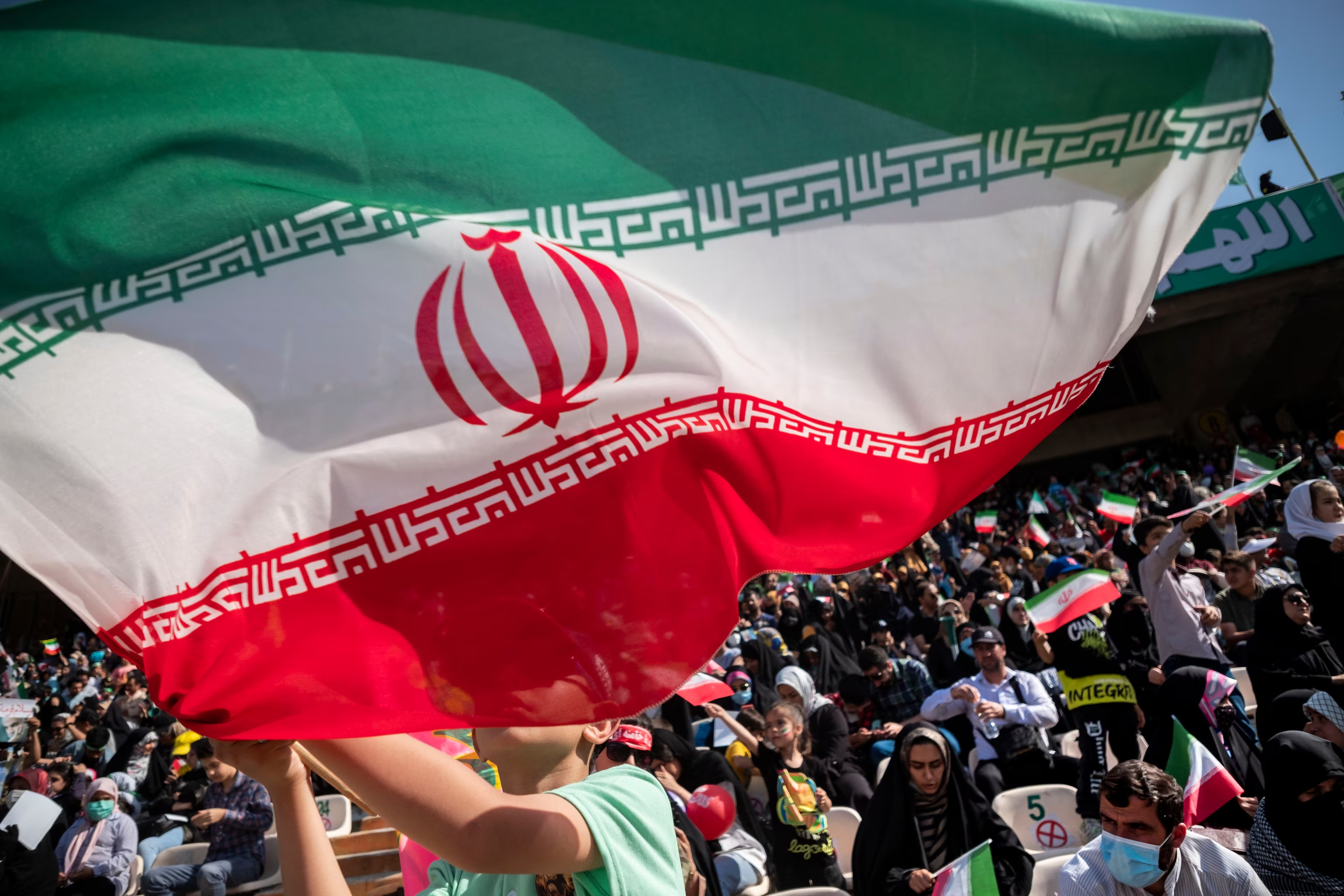
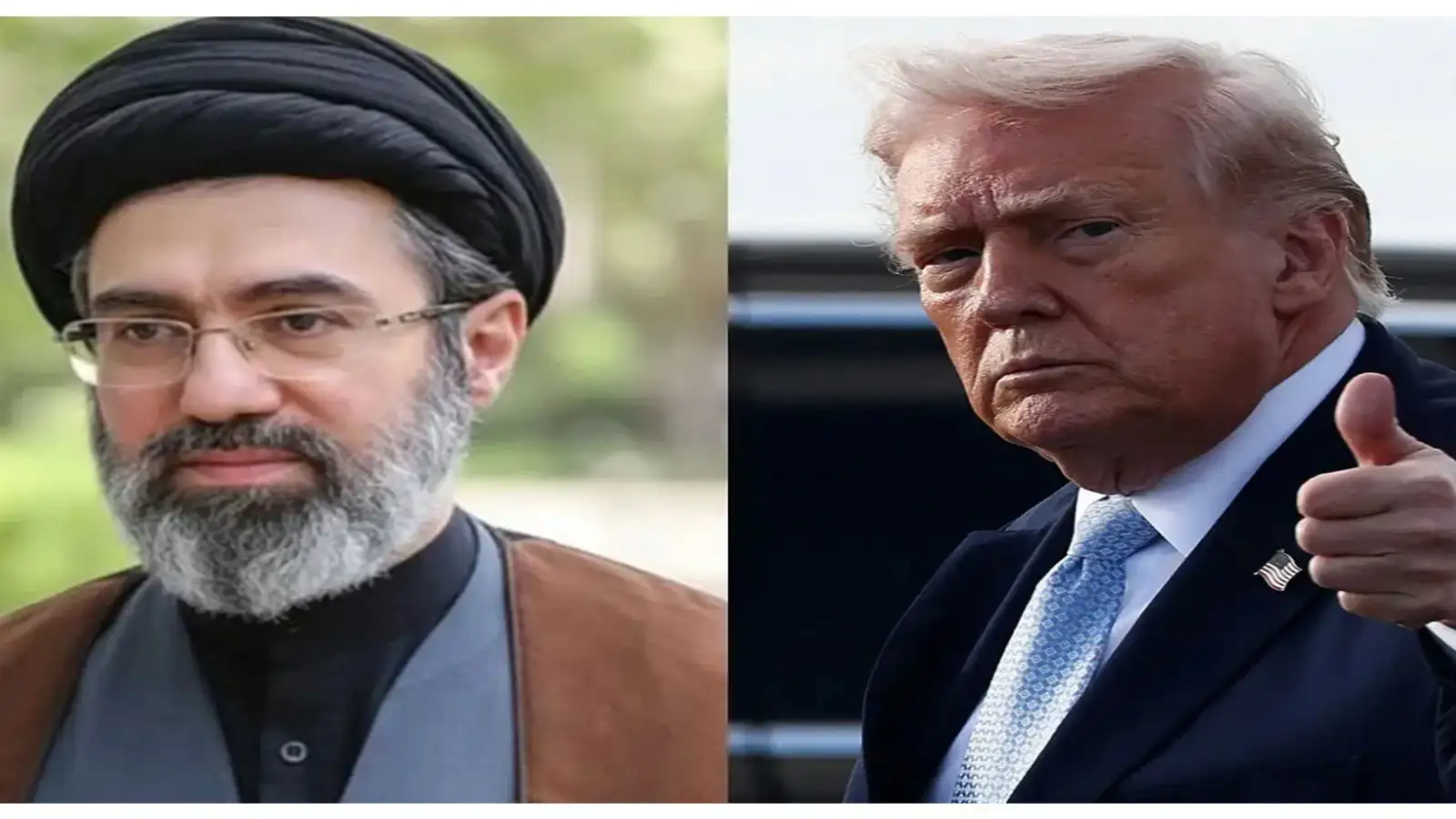
Iranian officials have rejected claims of internal divisions, presenting a united front against external pressure. Leaders in Tehran have also accused Washington of hindering diplomatic progress, pointing to the ongoing naval blockade of Iranian ports as a key obstacle. Analysts suggest that the blockade may be part of broader strategic positioning rather than purely economic pressure.
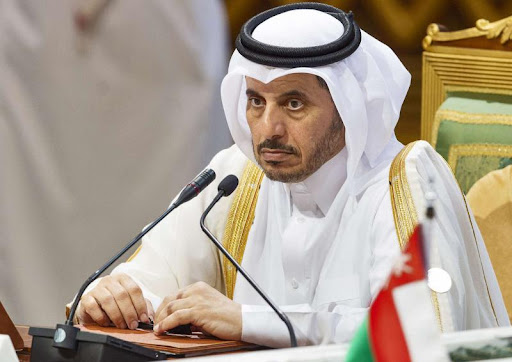
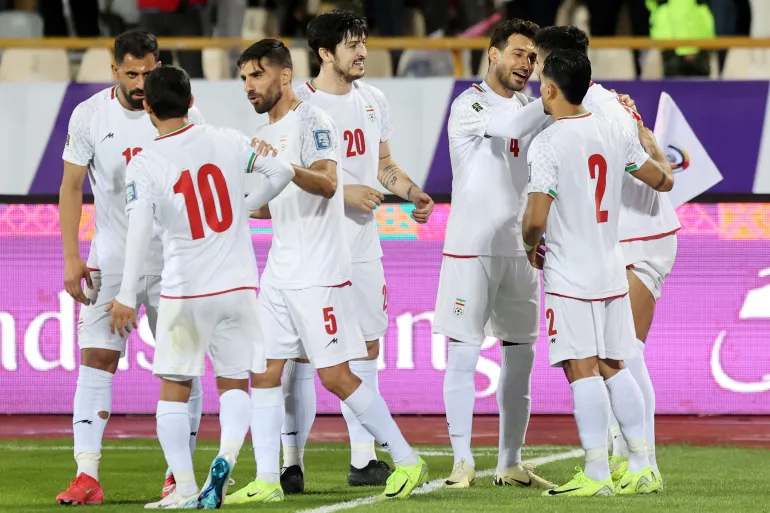
Diplomatic responses have emerged globally, with calls for restraint and concern over the humanitarian impact of the conflict. At the same time, the United States has clarified that it will not block Iran’s national football team from participating in the upcoming World Cup, despite ongoing geopolitical tensions.
Within the United States, political debate continues. Lawmakers have urged the administration to halt deportations of Iranian nationals, warning that many could face serious risks if forced to return amid the conflict.
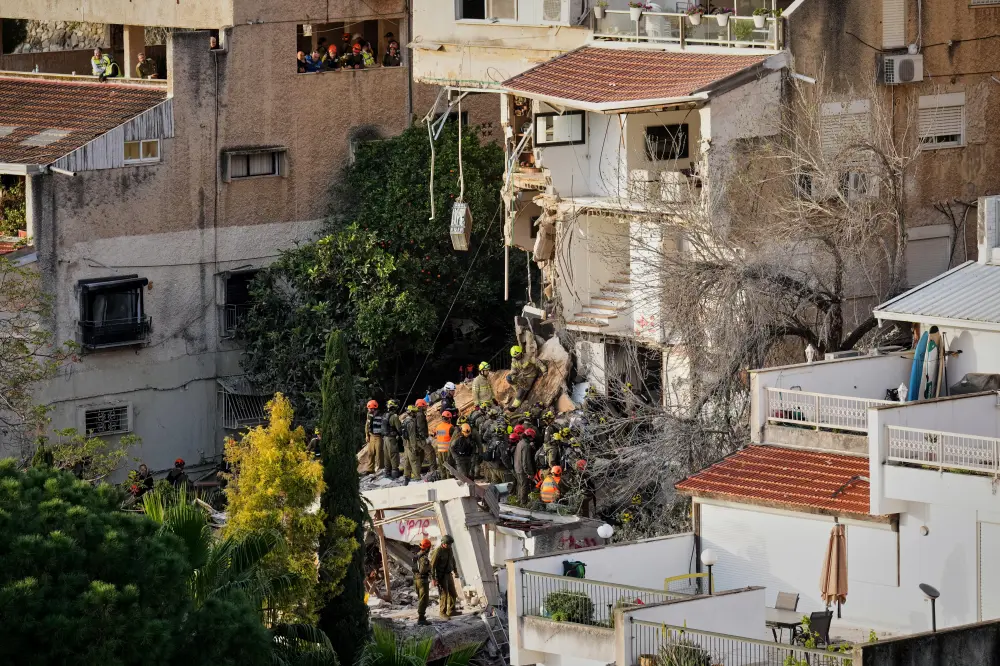
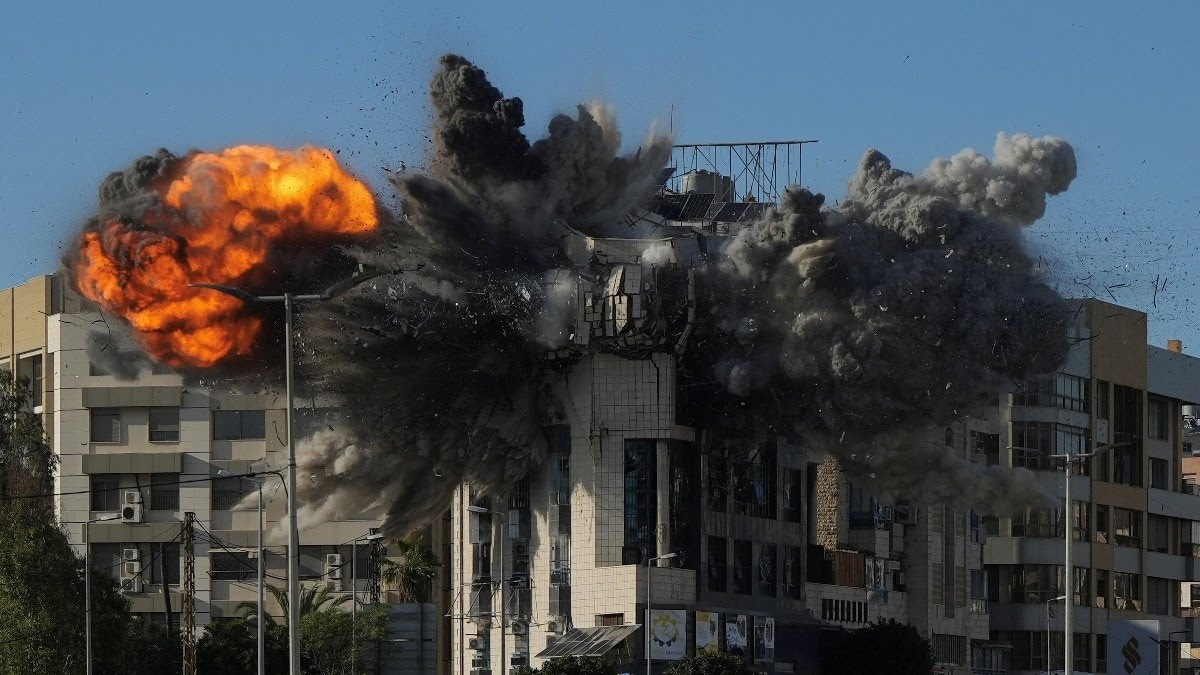
In Israel, officials have stated that the military is prepared to resume full-scale operations if given approval. Meanwhile, Hezbollah has claimed responsibility for rocket attacks into northern Israel, accusing Israel of violating ceasefire terms.
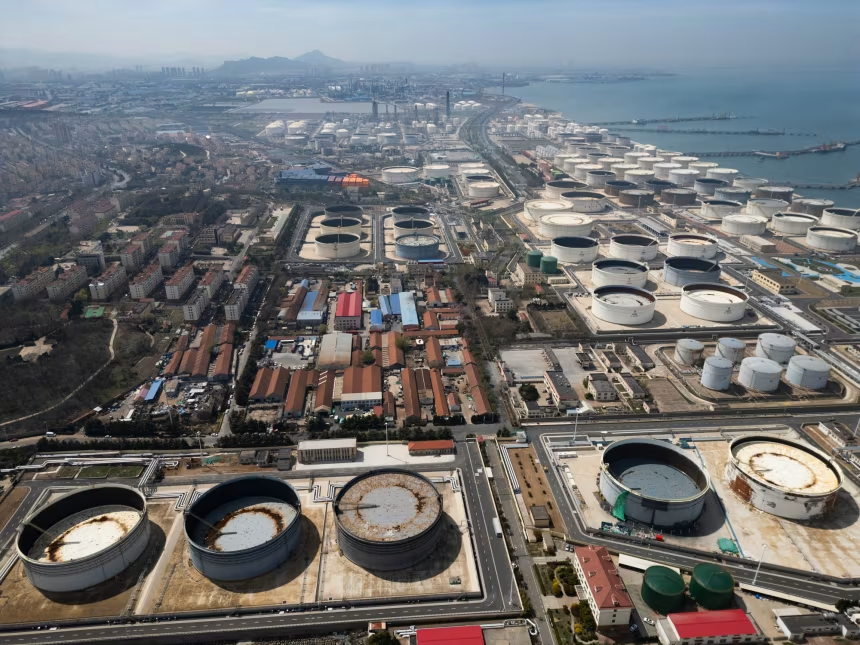
Lebanon remains deeply divided, with some citizens supporting diplomatic negotiations while others continue to back armed resistance. The impact of the conflict is also being felt globally, particularly in energy markets. Oil prices have surged, with Brent crude rising above $106 per barrel amid disruptions and uncertainty in the Strait of Hormuz.
As the situation evolves, the region remains on edge, with the extended ceasefire offering only a temporary window for diplomacy in an increasingly volatile conflict.





.jpg)
.jpg)
-1782103217151_v.webp)








.jpg)
.jpg)
.jpg)
.jpg)
.jpg)
.jpg)