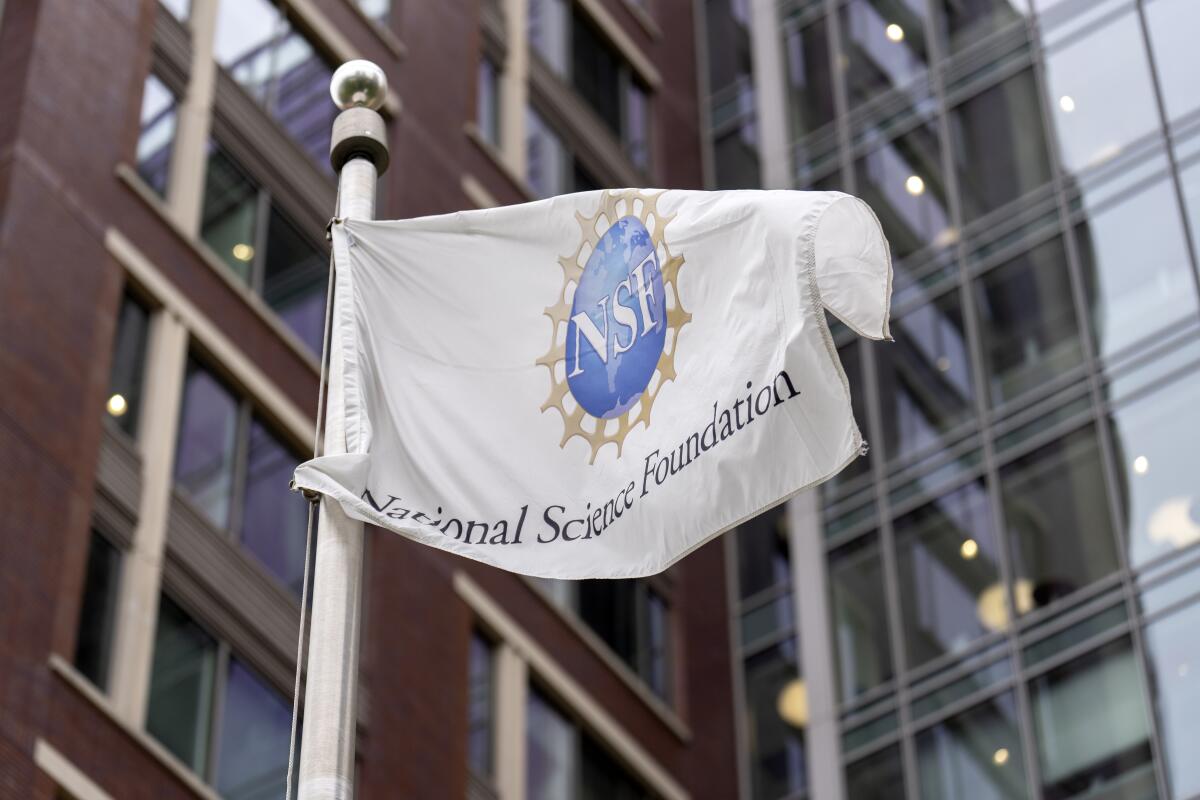




The administration of US President Donald Trump has dismissed all 22 members of the National Science Board, a key advisory panel that shapes policy for the National Science Foundation. The move has triggered strong reactions from lawmakers and raised questions about the future of scientific governance in the United States.
The National Science Board serves as the policy and oversight arm of the National Science Foundation, which is one of the largest public funders of scientific research and education globally. The decision to remove its entire membership is being seen as part of a broader effort by the administration to restructure federal institutions.
Roger Beachy, a former board member who had been reappointed to a second term, said the dismissals came without explanation. According to him, members received brief termination notices thanking them for their service, with no further details provided. He expressed concern over how the composition of a new board might influence the agency’s independence and research priorities.
Criticism has been particularly sharp among Democratic lawmakers. Zoe Lofgren described the move as harmful to American innovation and questioned whether future appointments would prioritize political loyalty over scientific expertise.
The administration has not yet publicly commented on the dismissals or outlined plans for appointing new members. However, the move follows earlier actions targeting federal agencies, including significant funding cuts and restructuring initiatives linked to cost-efficiency drives.
In recent years, the National Science Foundation has managed billions of dollars in funding, supporting research across science, technology, engineering and education. Cuts introduced during previous cost-saving measures resulted in the cancellation or suspension of more than 1,600 grants, amounting to nearly $1 billion.
Experts warn that the removal of the board could have long-term implications for the direction of US scientific research. While support for the National Science Foundation has historically been bipartisan, uncertainty now surrounds how future decisions will be made and whether scientific priorities will remain independent of political influence.




.jpg)
.jpg)



.jpg)
.jpg)
.jpg)
.jpg)
.jpg)