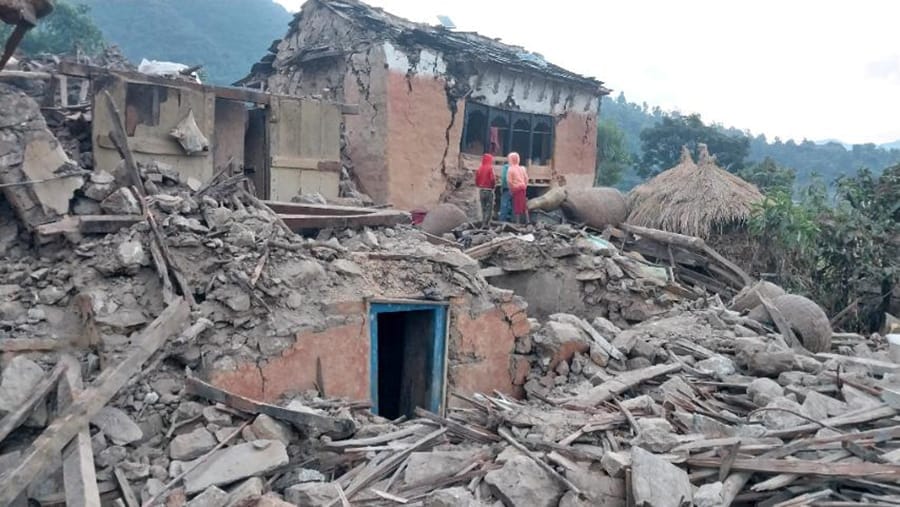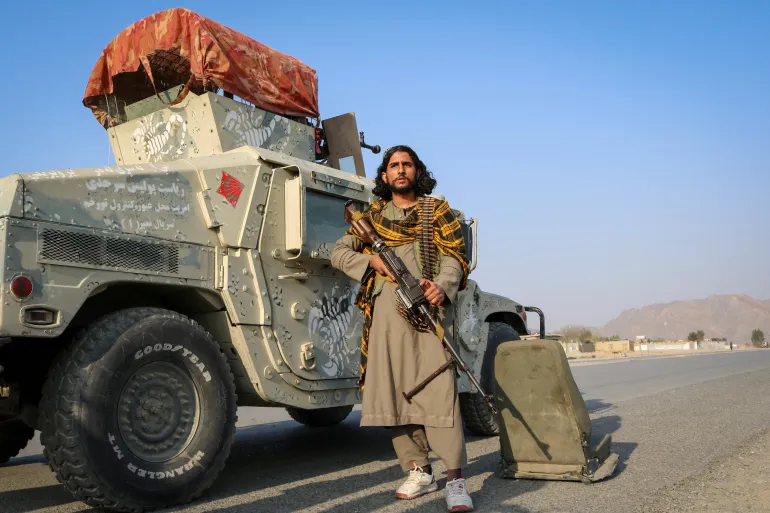


A fragile ceasefire between Afghanistan and Pakistan is facing renewed pressure after a deadly strike in Afghanistan’s eastern Kunar province. Taliban authorities say mortar and missile attacks hit a university and nearby residential areas, killing at least seven people and injuring more than 80 others.
According to Afghan officials, the strikes targeted the provincial capital Asadabad and surrounding districts. The Ministry of Higher Education reported that around 30 students and professors were among the injured, while Sayed Jamaluddin Afghani University suffered significant structural damage. Taliban spokesperson Hamdullah Fitrat described the incident as an “unforgivable war crime” against civilians and educational institutions.
Pakistan has strongly denied the allegations, calling claims of targeting a university “false” and insisting that any military operations are precise and intelligence-based. However, it did not categorically rule out activity inside Afghan territory.
Officials from both sides have acknowledged ongoing cross-border exchanges of fire despite the existence of a formal ceasefire. The conflicting narratives surrounding the Kunar incident have raised concerns that the already fragile truce could collapse entirely.
The escalation comes shortly after peace talks held in Urumqi, China, where representatives from both countries met for the first time since intense fighting earlier this year. While Afghan officials described the discussions as constructive, no formal agreement or joint statement emerged. Analysts say the talks revealed deep divisions that remain unresolved.
At the core of the conflict is Pakistan’s long-standing accusation that Afghanistan is providing sanctuary to the Tehreek-e-Taliban Pakistan (TTP), an armed group responsible for numerous attacks in Pakistan. Kabul denies these claims, arguing that Islamabad uses such allegations to justify cross-border military actions.
Experts note that negotiations have struggled due to a lack of trust and differing views on the root causes of the conflict. Pakistan has demanded written guarantees from Afghanistan to prevent cross-border attacks, while Afghan authorities have been reluctant or unable to meet those conditions in the form Islamabad requires.
Previous ceasefire efforts have also failed to hold. Agreements mediated by regional powers, including temporary truces during religious holidays, have been followed by continued clashes and mutual accusations. One of the most controversial incidents occurred in March, when a strike in Kabul caused mass casualties, with both sides disputing the intended target and scale of the damage.
Regional players such as China, Qatar, Saudi Arabia, and Turkiye have attempted to facilitate dialogue, but lasting progress has remained elusive. Analysts say the fundamental disagreement over security threats and verification mechanisms continues to undermine any potential settlement.
China’s involvement reflects its strategic interest in maintaining stability in the region, particularly given its economic investments and regional connectivity projects. However, experts caution that mediation alone cannot resolve the dispute without concrete commitments from both sides.
Afghanistan has also raised concerns about humanitarian and economic issues, calling for open borders, resumed trade, and improved conditions for Afghan refugees in Pakistan. Islamabad, however, maintains that security concerns must be addressed first before broader cooperation can proceed.
With tensions escalating and trust in short supply, observers warn that without a clear framework and enforceable guarantees, the ceasefire may not survive future incidents. The situation highlights the fragile nature of the relationship and the challenges facing any long-term peace effort between the two neighbours.






.jpg)
.jpg)


.jpeg)





.jpeg)







.jpeg)




.jpeg)

.jpeg)











.jpeg)

.jpeg)

.jpeg)
.jpeg)













.jpeg)















.jpeg)


.jpeg)

.jpeg)

.jpeg)















.jpeg)


.jpeg)


.jpeg)