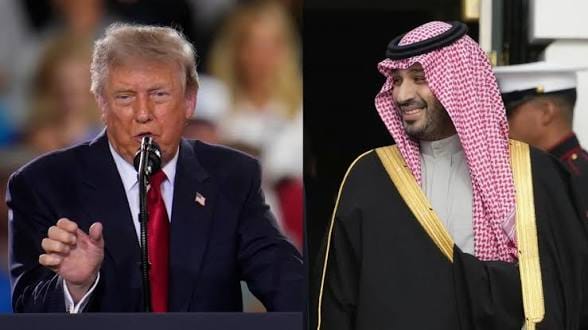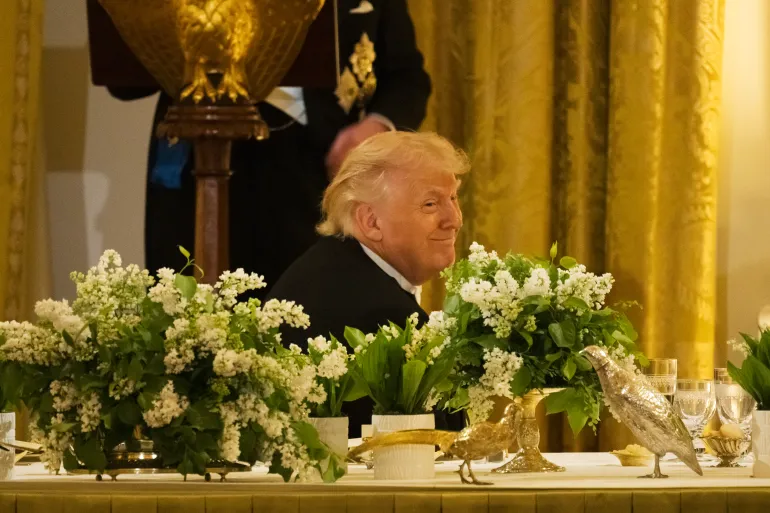



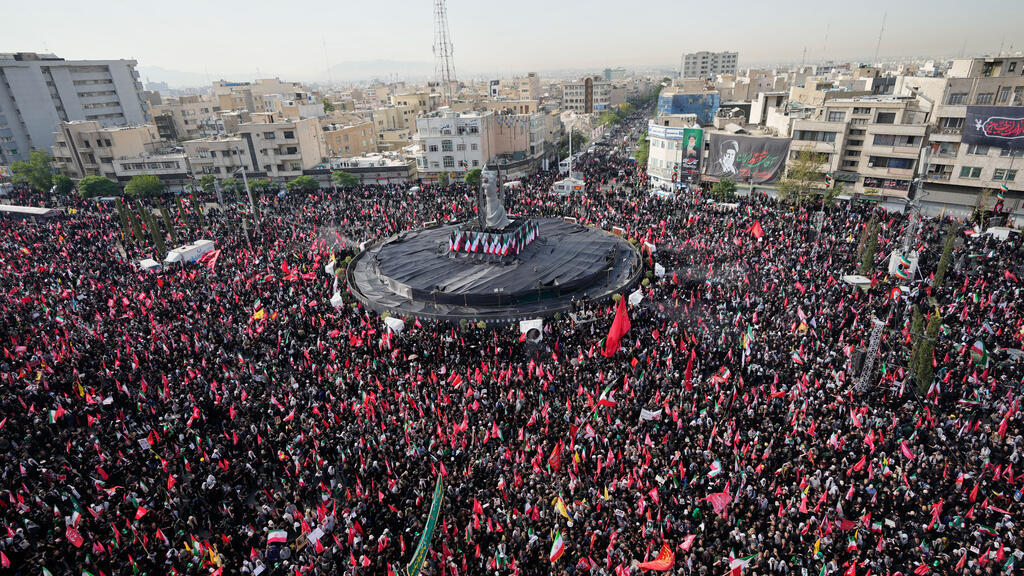
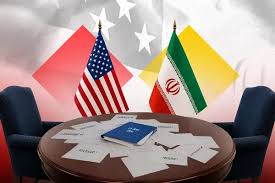
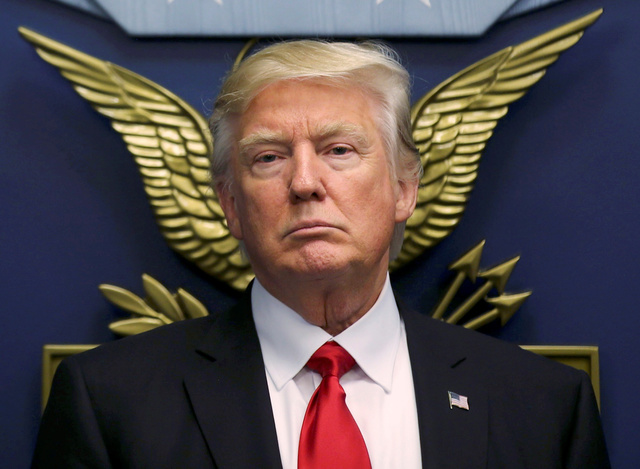
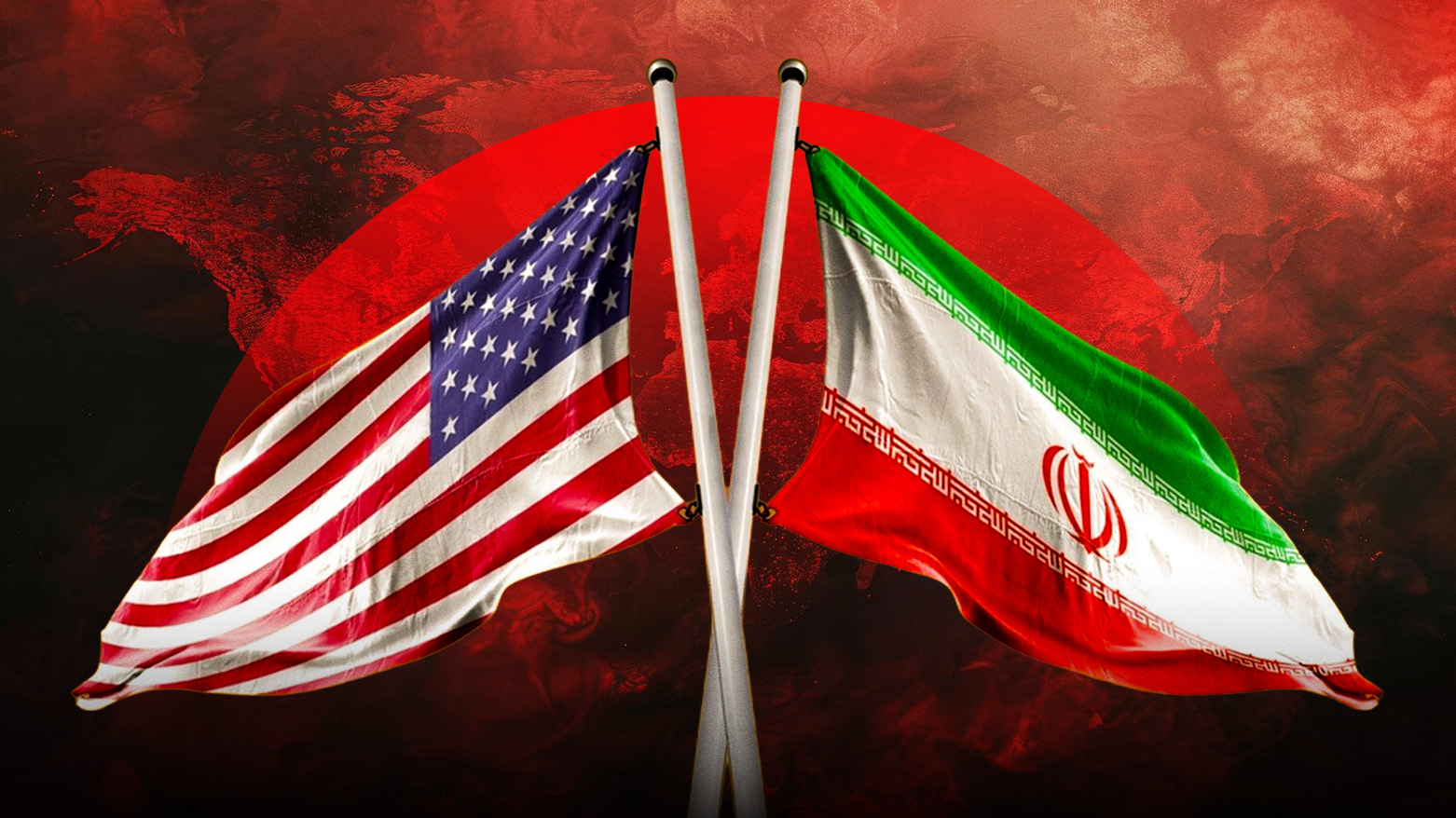
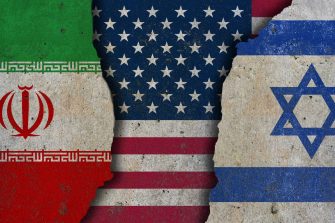
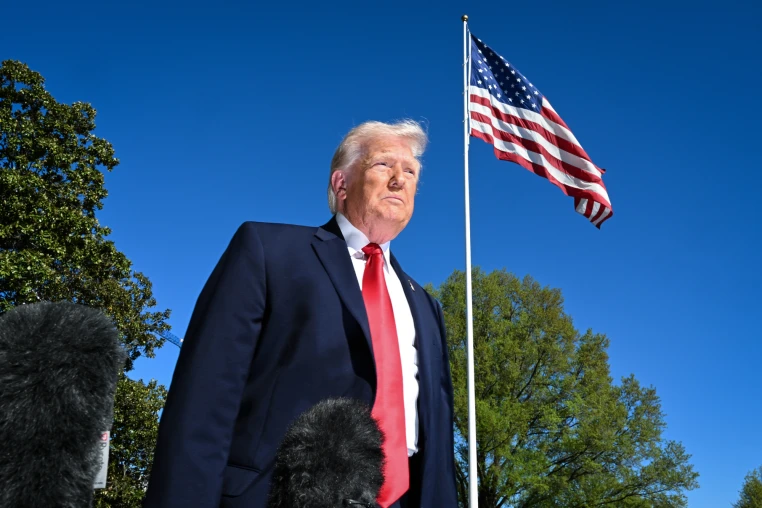
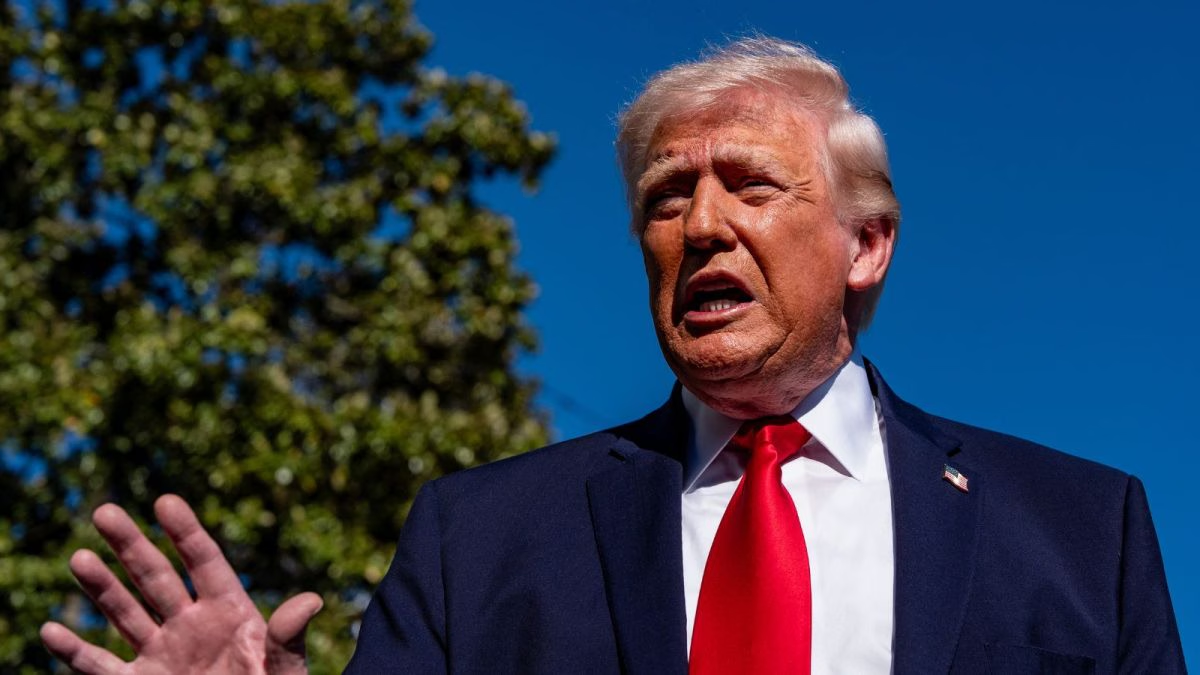
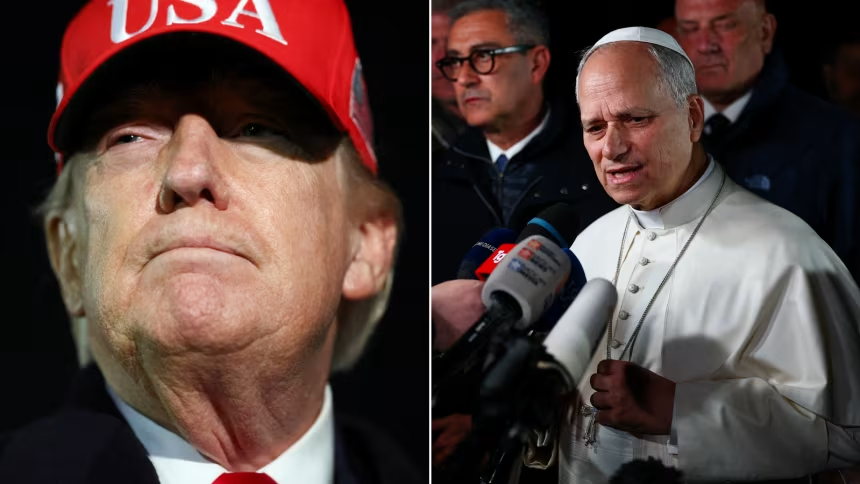
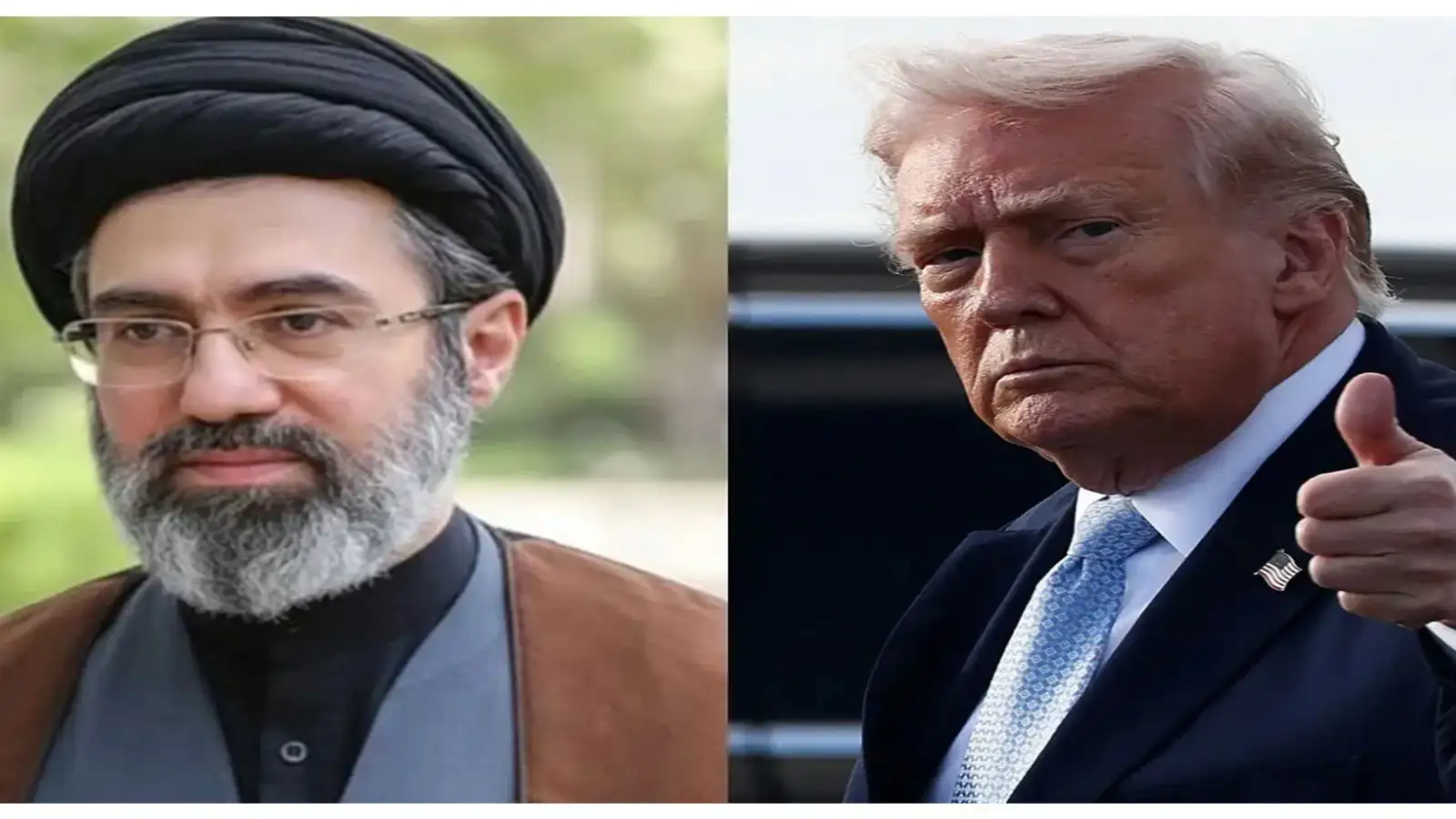
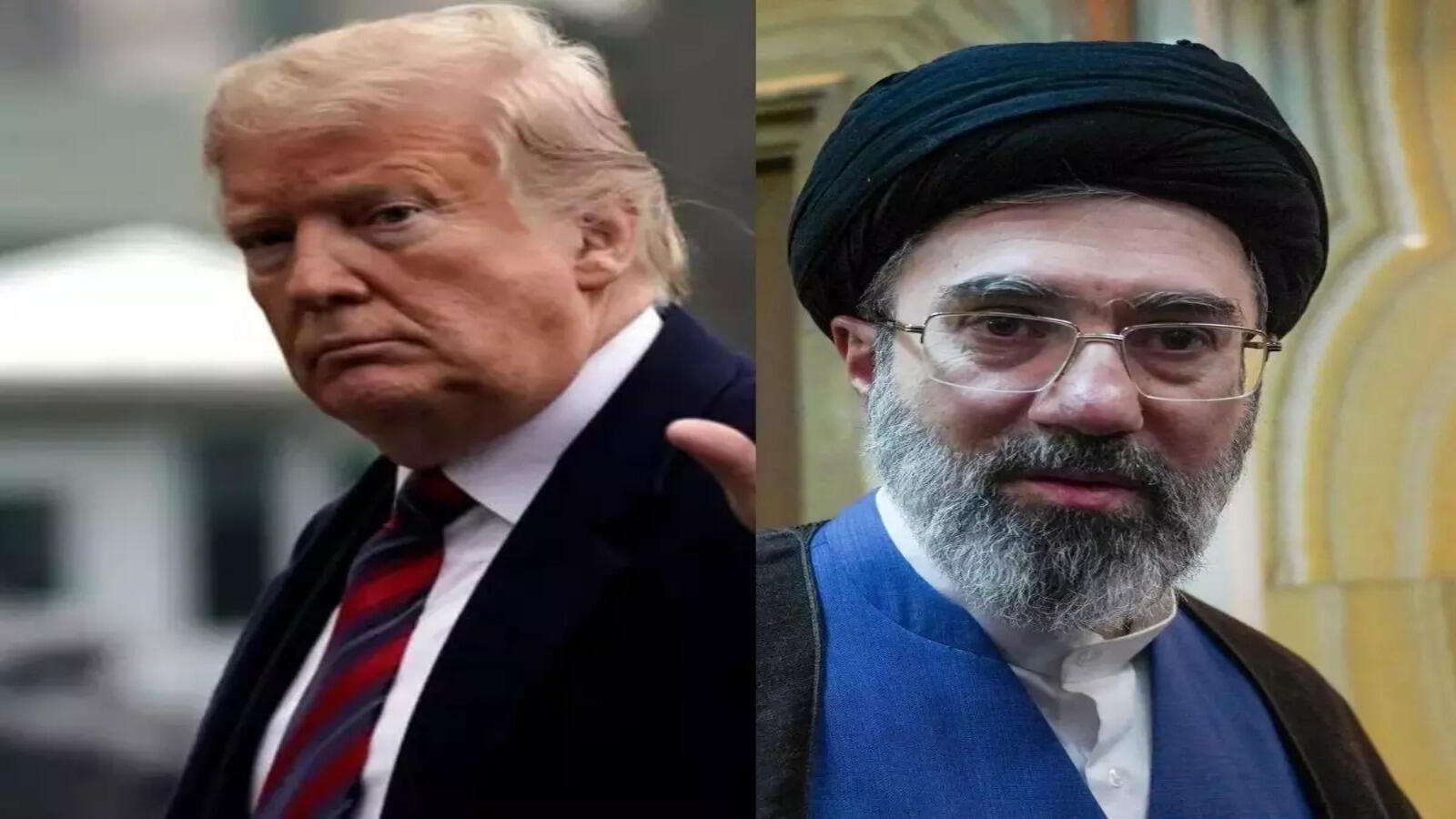
United States President Donald Trump has issued a strong warning to Iran, urging its leadership to “get smart soon” amid stalled negotiations over its nuclear programme and rising uncertainty surrounding the fragile ceasefire.
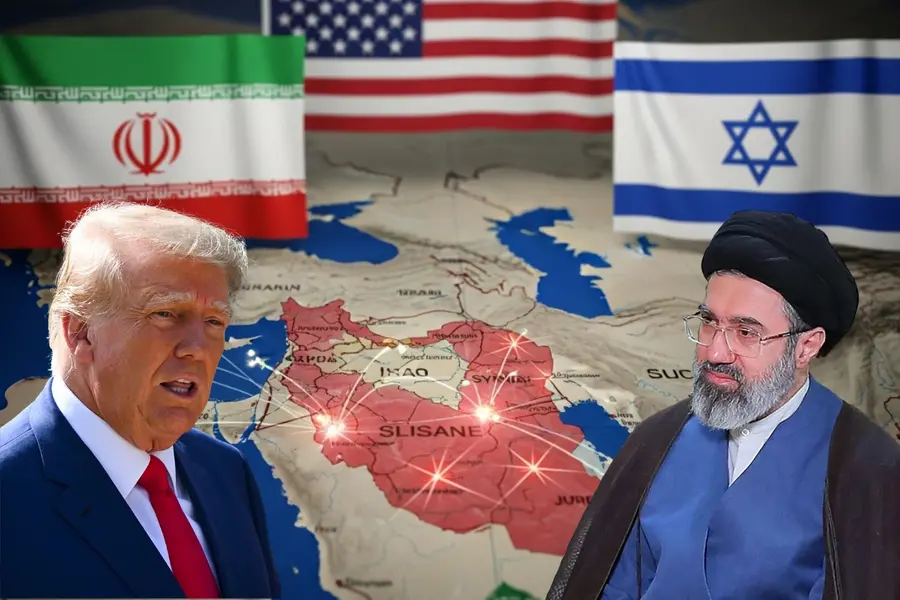
In a post on his Truth Social platform, Trump criticised Iran’s latest proposal, which reportedly seeks to delay key aspects of a potential agreement. He accused Tehran of failing to reach a workable deal and signalled frustration over the lack of progress. The post included a dramatic AI-generated image portraying Trump in a combat scenario, reinforcing his hardline stance.
The warning comes just days after the United States called off the latest round of talks with Iran, raising concerns about the future of diplomatic efforts. While Washington says it is still reviewing Tehran’s proposal, officials have indicated that the response has been unconvincing. The White House has stressed that it will not rush into any agreement and maintains that Iran must never acquire nuclear weapons.
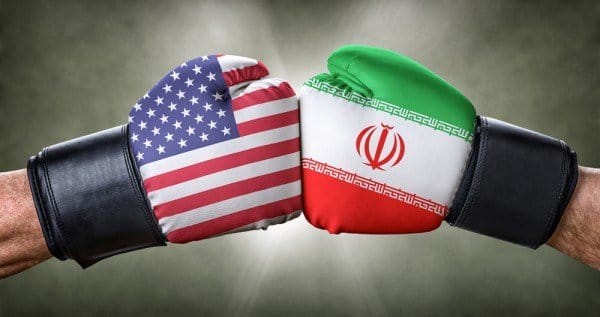
Experts describe the current phase as one of “intense competition” rather than direct conflict. Analysts say both sides are attempting to demonstrate endurance and strategic advantage, each trying to show that time is on its side.
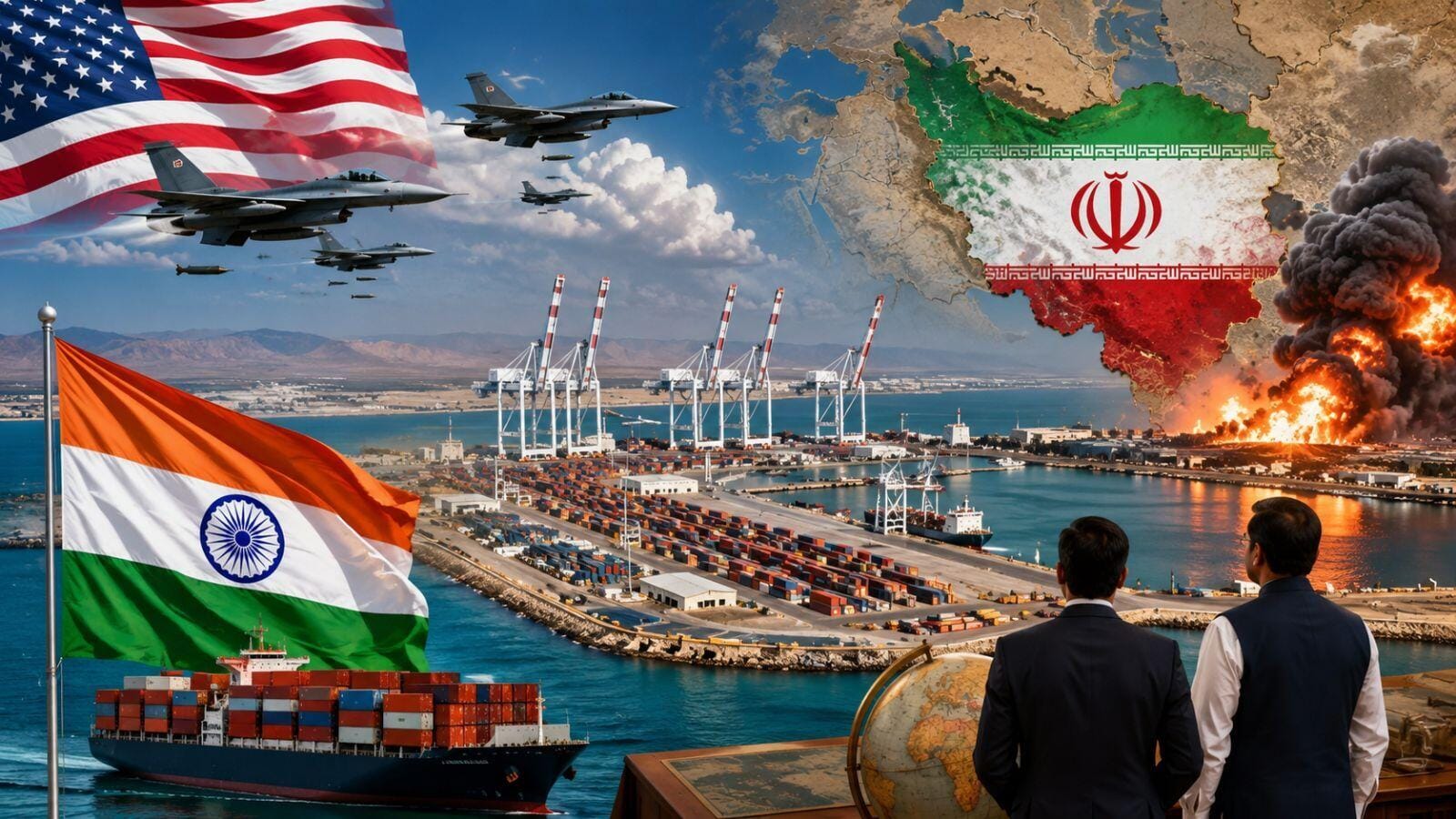
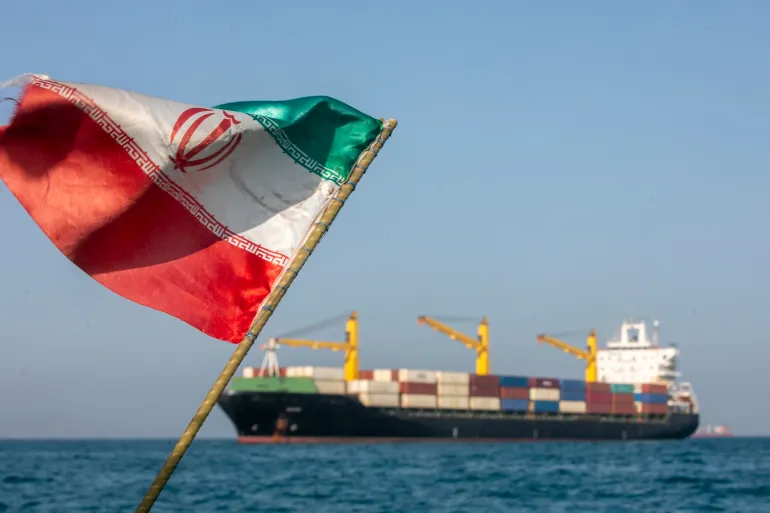
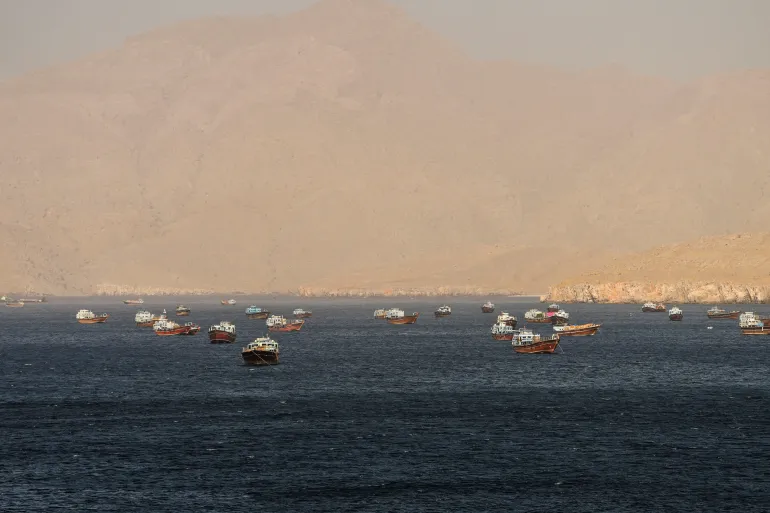
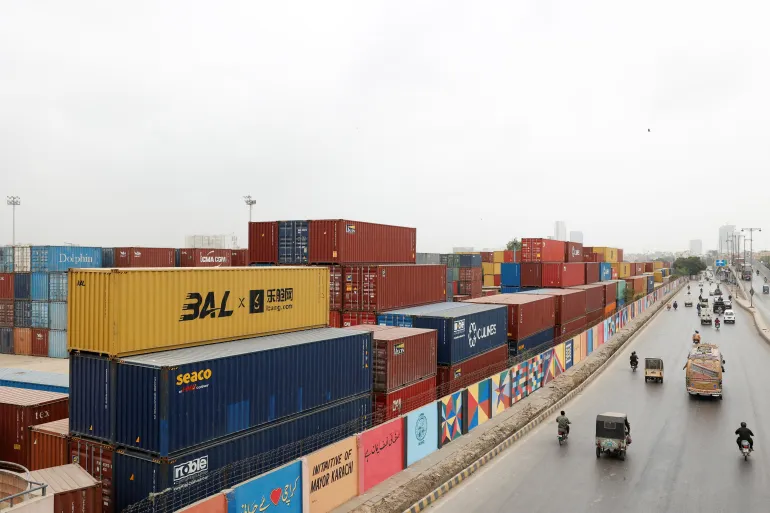
Iran’s proposal reportedly focuses on postponing the most contentious issues while prioritising an end to hostilities and reopening key trade routes such as the Strait of Hormuz. However, this approach is unlikely to satisfy Washington, which fears losing leverage if pressure is eased too early.
At the same time, the United States has intensified its economic measures against Iran. Treasury officials announced new actions targeting Iran’s financial networks, including its shadow banking system, cryptocurrency channels, shipping operations, and weapons procurement activities.
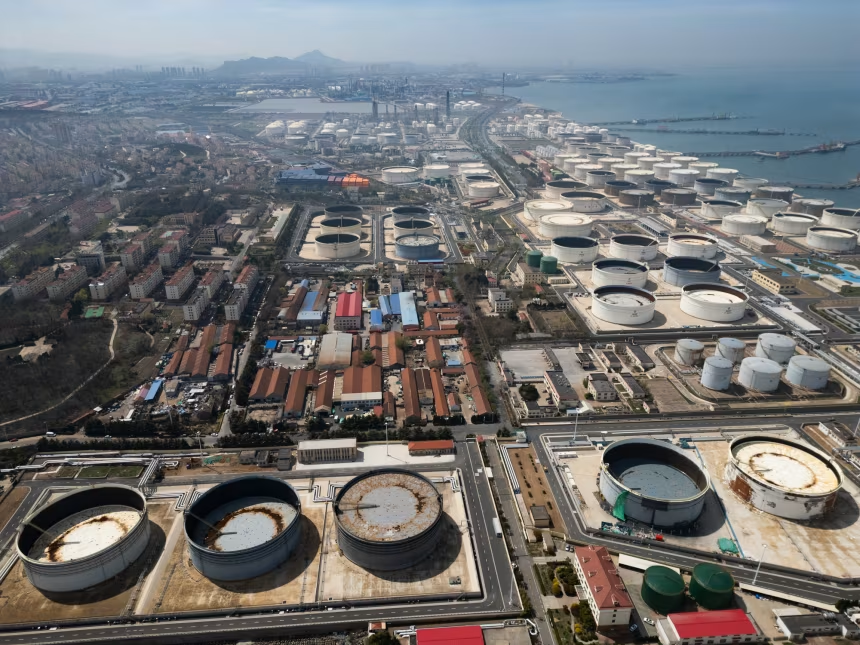
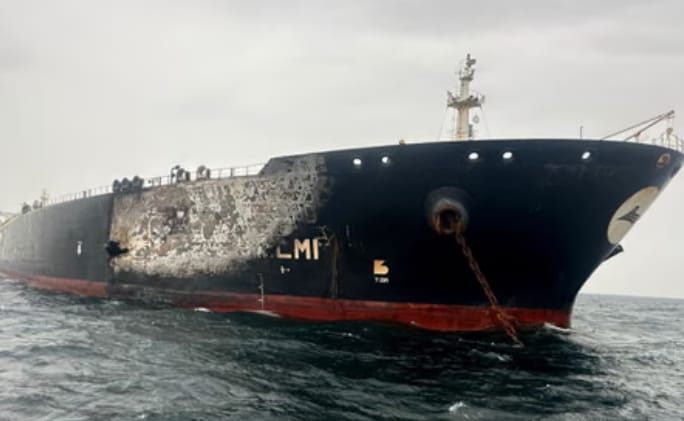
Recent sanctions have also targeted international entities accused of facilitating Iranian oil sales. These include a Chinese refinery and dozens of shipping companies allegedly linked to Iran’s shadow fleet. US officials claim such measures have disrupted significant revenue streams and contributed to the weakening of Iran’s economy.
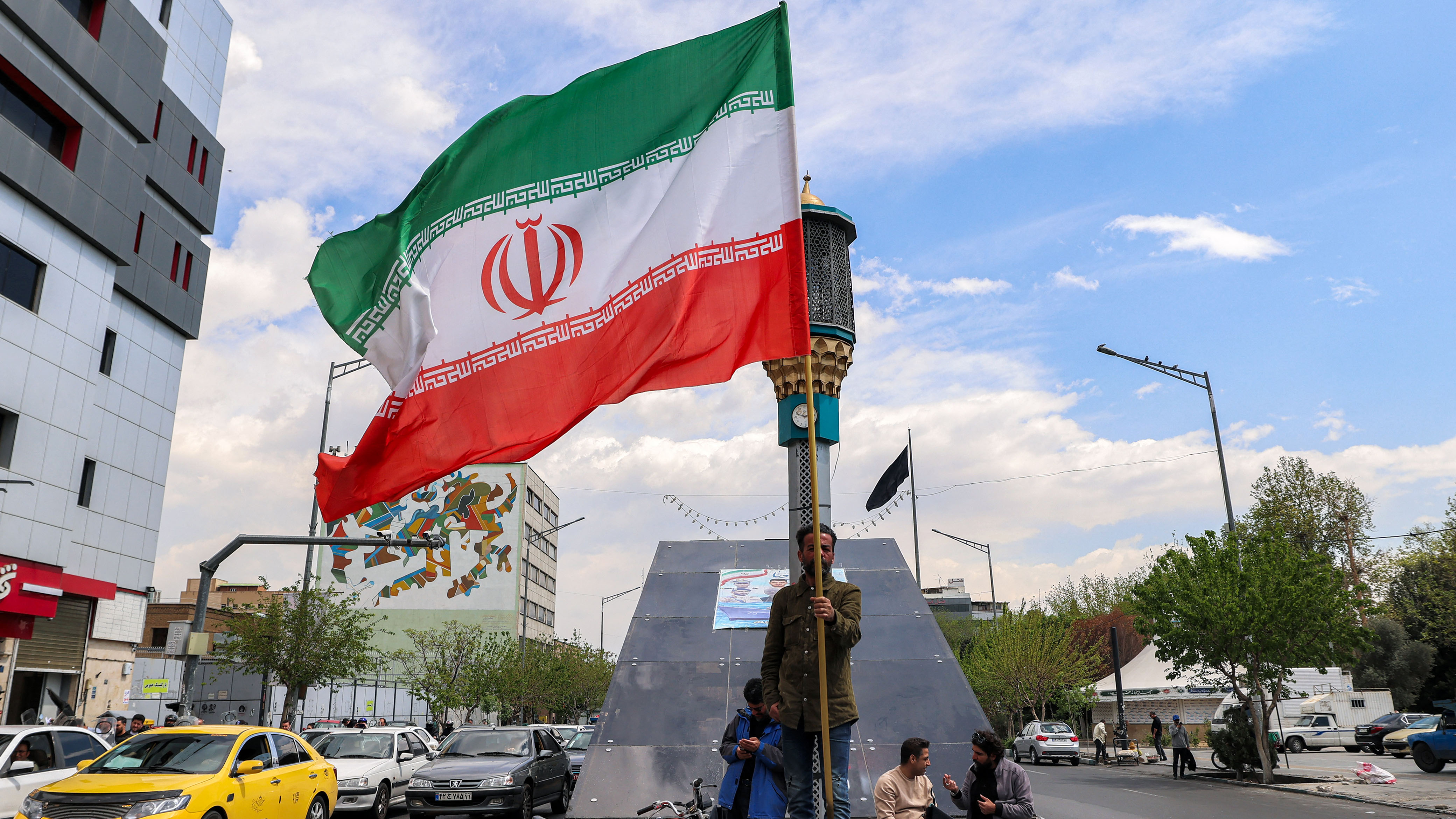
The financial strain is evident in Iran’s currency market. The Iranian rial has fallen to a record low against the US dollar, losing notable value since the conflict began. The depreciation reflects both economic pressure from sanctions and broader instability linked to the ongoing crisis.
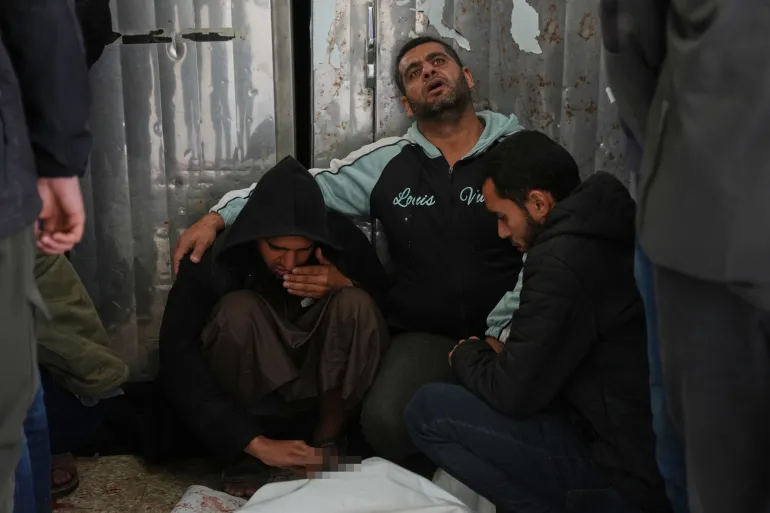
Meanwhile, concerns over human rights conditions in Iran are escalating. According to the United Nations, at least 21 people have been executed and more than 4,000 arrested since the start of the conflict. Many detainees are believed to have faced harsh treatment, including allegations of torture and enforced disappearances.
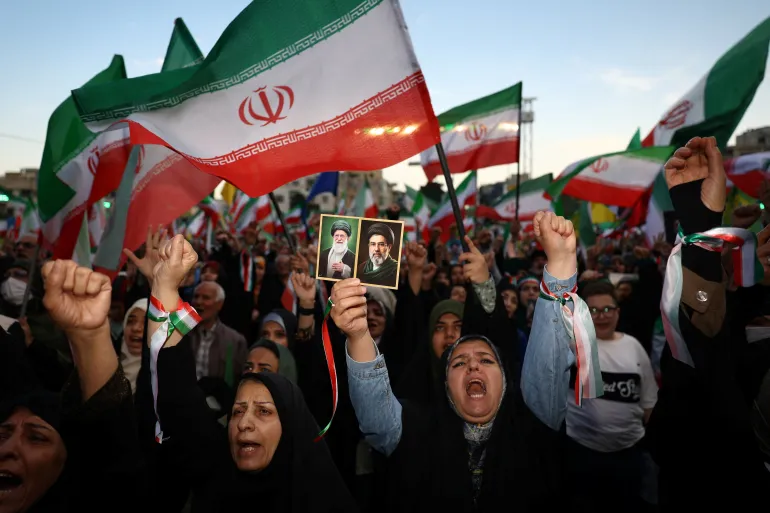
Authorities have also expanded the scope of their espionage laws, allowing severe penalties, including execution and property seizure, for a wide range of activities linked to perceived hostile groups. Critics argue that these measures are being used to suppress dissent during a period of heightened tension.
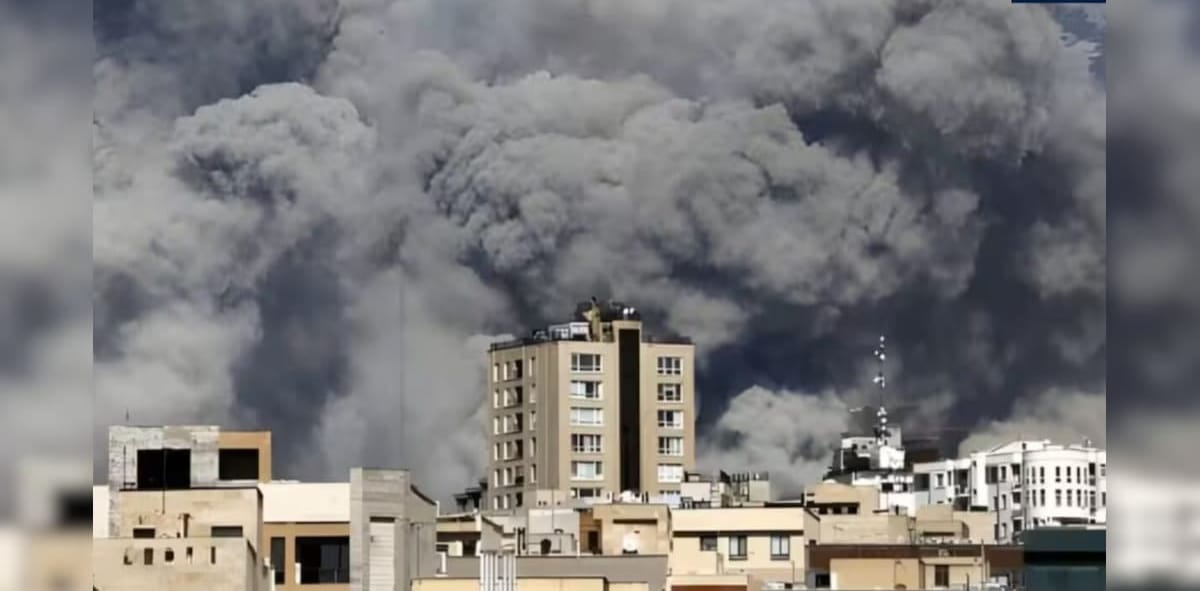
With negotiations stalled, economic pressure intensifying, and internal challenges mounting, the situation remains volatile. The ongoing standoff highlights the fragile balance between diplomacy and confrontation, with both sides maintaining firm positions that continue to complicate prospects for a lasting resolution.






.jpg)
.jpg)
-1782103217151_v.webp)








.jpg)
.jpg)
.jpg)
.jpg)
.jpg)
.jpg)