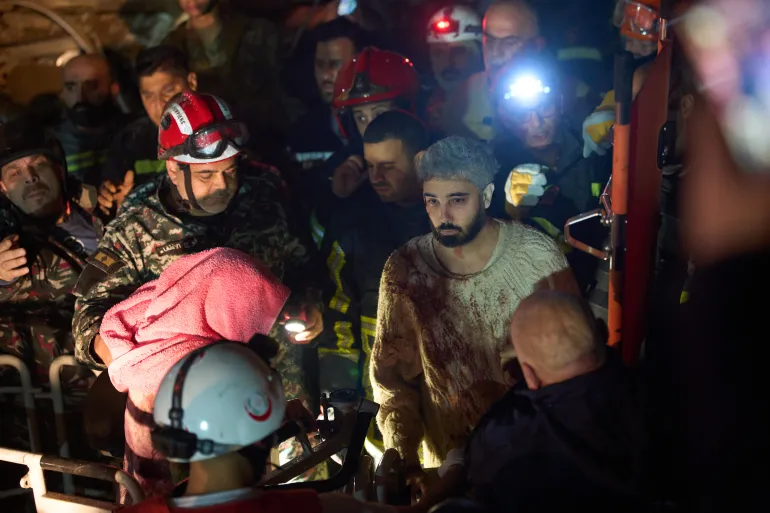



A wave of intense Israeli air strikes across Lebanon on April 8 now widely referred to as “Black Wednesday” has raised serious questions about who was actually targeted, as growing evidence suggests civilians may have been the primary victims.
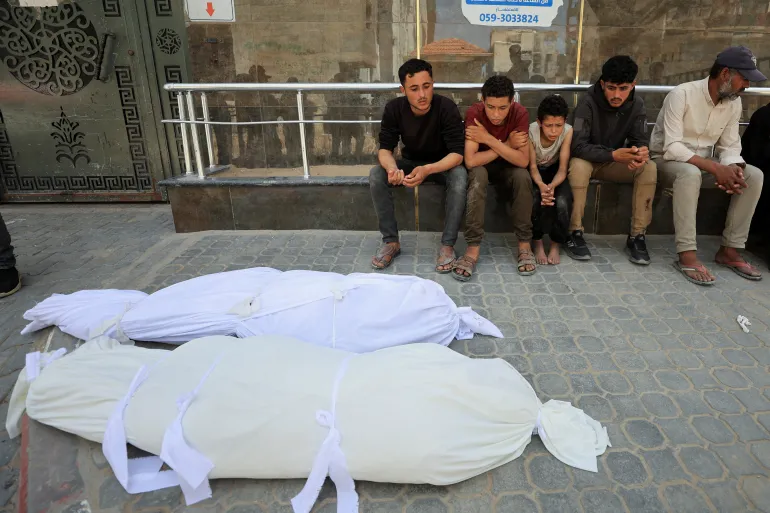
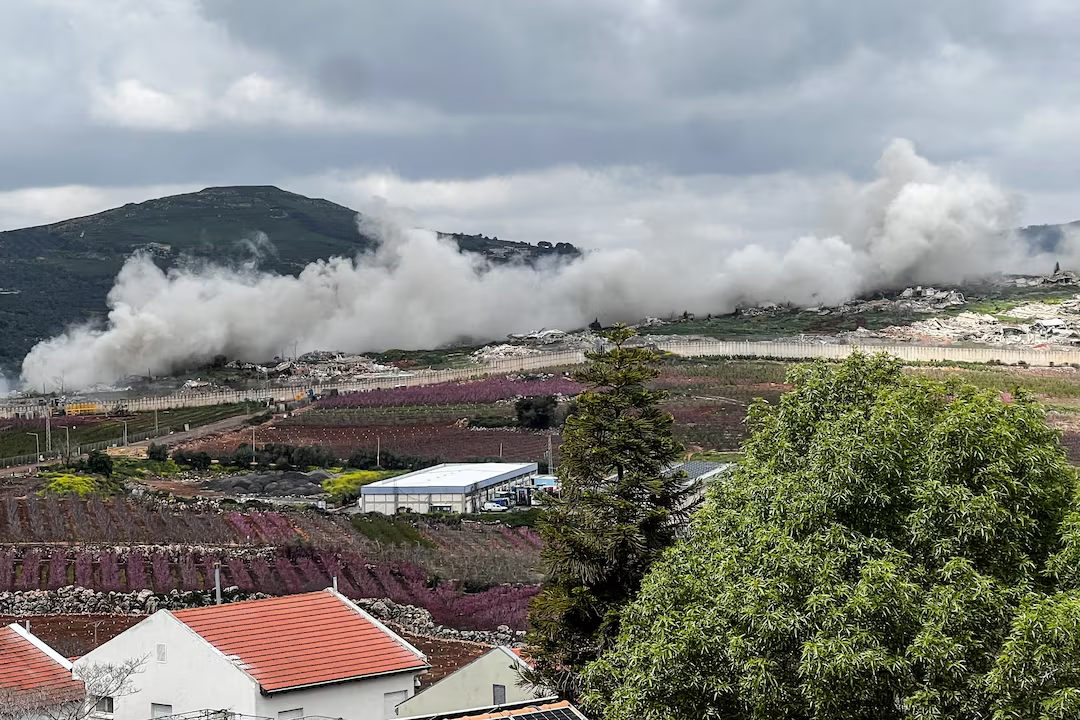
The strikes, carried out within minutes across multiple areas in Lebanon, killed at least 357 people. Israeli authorities claimed that around 250 of those killed were members of Hezbollah. However, independent researchers and human rights organisations say the available evidence does not clearly support that claim.
Residents described scenes of chaos and destruction. In Beirut’s Tallet el Khayat neighbourhood, one of the areas hit, buildings were reduced to rubble and windows shattered by the force of explosions. Survivors said the attacks came without warning, during the daytime, when civilians were present in large numbers.
Experts analysing the strikes have raised concerns about how they were conducted. According to conflict monitoring groups, more than 100 air strikes were launched and over 160 bombs were dropped in a very short period. The scale and timing of the attacks have led observers to question whether sufficient precautions were taken to avoid civilian casualties.
Human rights researchers argue that the pattern of attacks indicates indiscriminate use of force. Early findings suggest that a large number of those killed were women, children, and civilian men, including workers such as teachers, journalists, and restaurant employees. In several cases, entire families were reported to have been killed.
Verifying the exact number of Hezbollah fighters among the dead remains difficult. The group has not consistently provided details about its casualties, making independent confirmation challenging. However, analysts say the number of identified civilian victims raises doubts about the official claims.
Under international humanitarian law, all parties in a conflict must distinguish between civilian populations and military targets. Even when a legitimate military target is present, attacks must be proportionate and all possible measures must be taken to minimise harm to civilians. Legal experts warn that failing to meet these standards could amount to violations of the laws of war.
The April 8 attacks come amid a wider escalation in Lebanon, where military operations have intensified in recent months. Southern and eastern regions have faced repeated strikes, leading to increased destruction and displacement.
Despite growing concerns from rights groups, the chances of accountability remain uncertain. Observers note that past incidents involving civilian casualties have rarely resulted in consequences, raising fears that such actions could continue.
Although temporary ceasefires have been announced at times, violence continues in parts of southern Lebanon. For many civilians, the events of “Black Wednesday” have heightened fears about their safety, as questions over targeting and protection remain unresolved.







.jpg)
.jpg)