



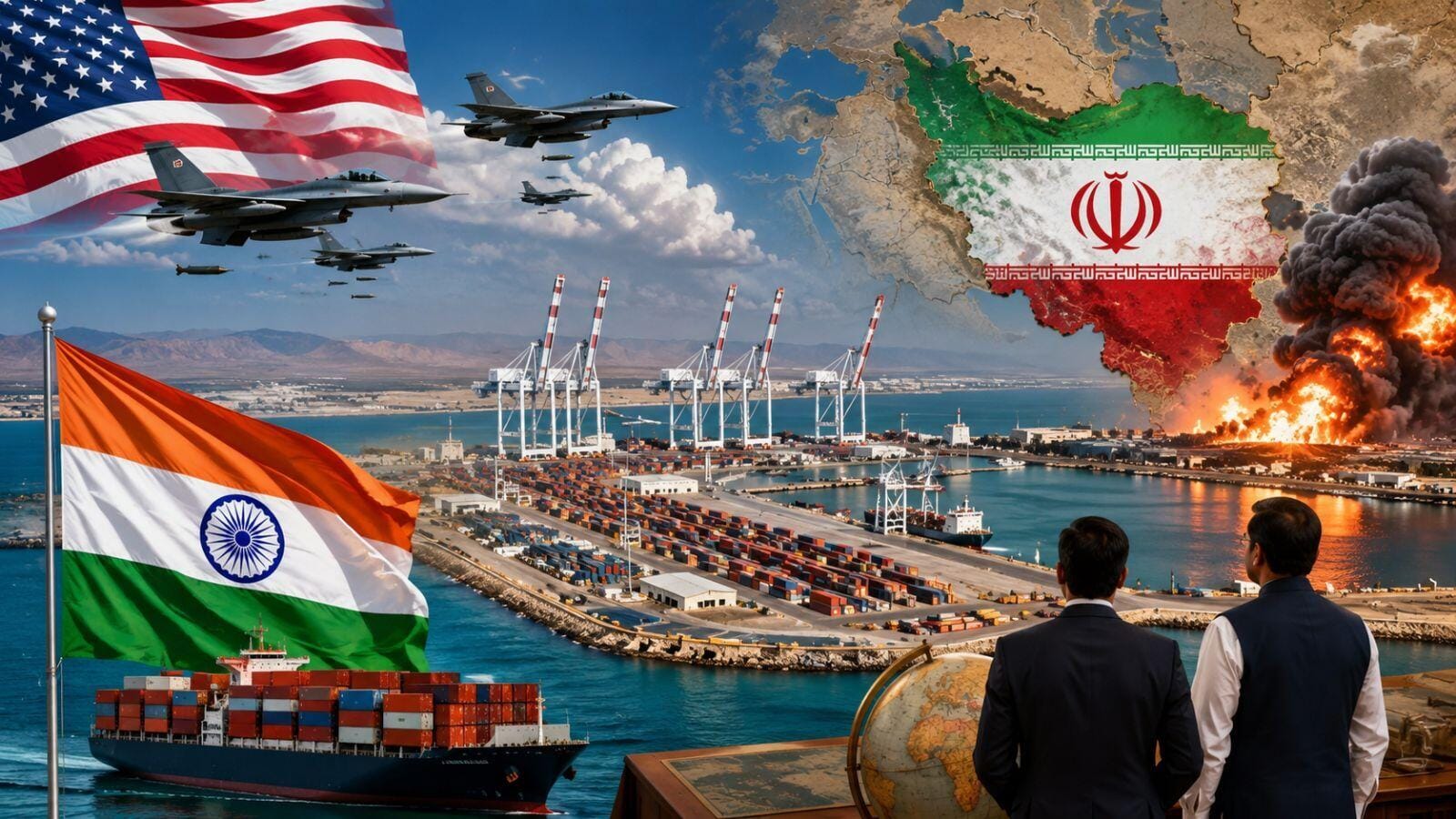
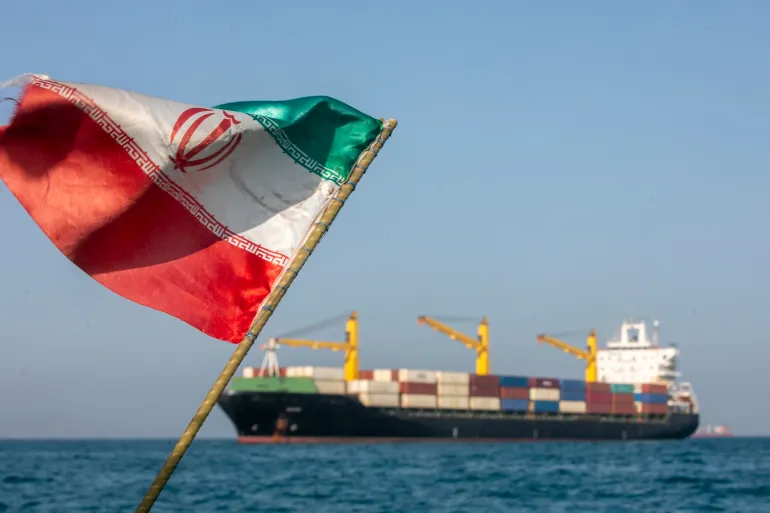
Pakistan has opened six overland trade routes to facilitate the movement of goods into Iran, creating an alternative corridor as maritime shipping faces severe disruption due to tensions in the Strait of Hormuz.
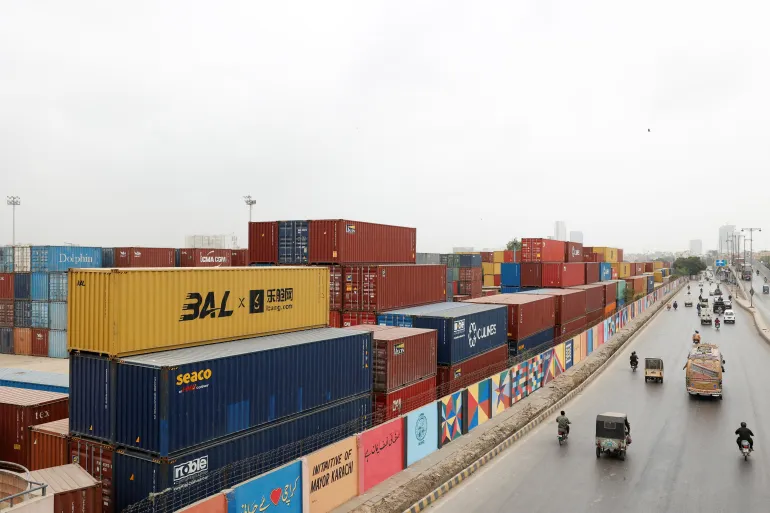
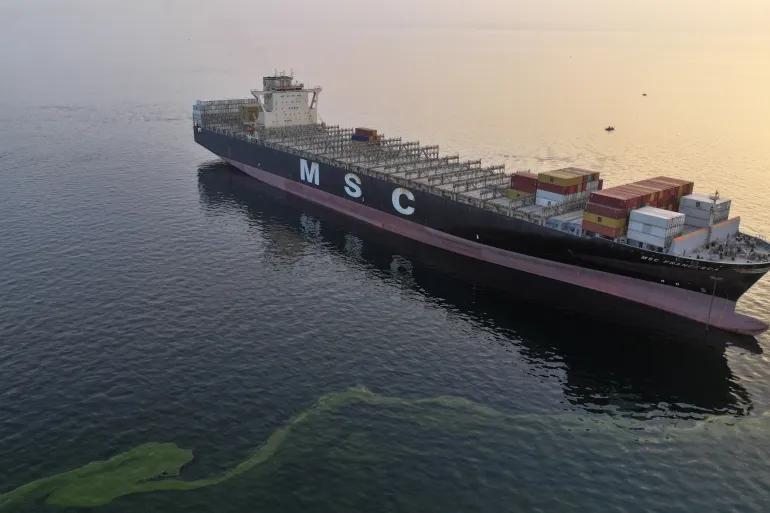
The initiative follows a formal order issued by Pakistan’s Ministry of Commerce on April 25, allowing goods from third countries to pass through Pakistani territory and be transported into Iran by road. The decision comes as thousands of containers remain stranded at Karachi port, unable to reach their destination due to ongoing restrictions on shipping routes.
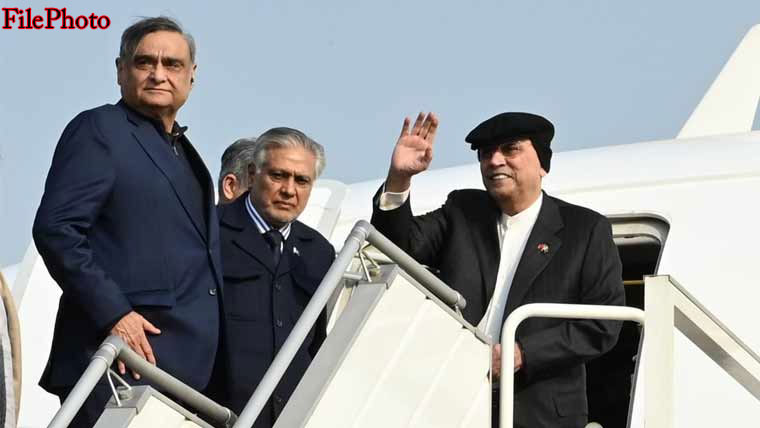
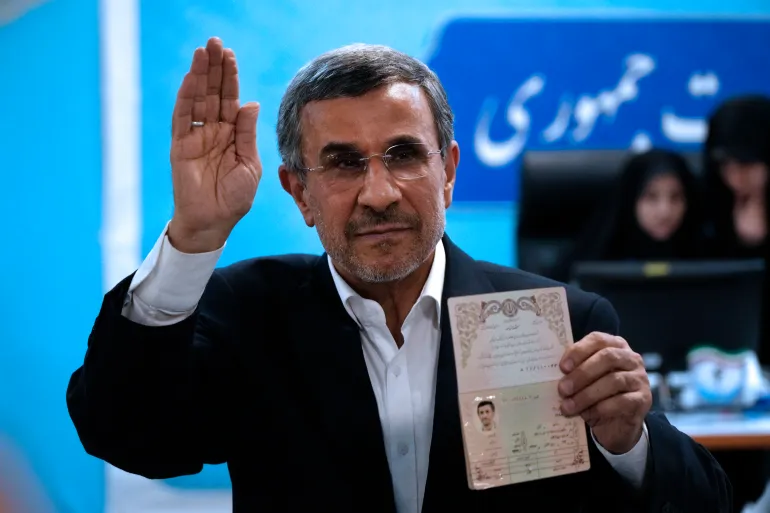
The move coincided with the visit of Iranian Foreign Minister Abbas Araghchi to Islamabad, where he held discussions with Prime Minister Shehbaz Sharif and military leadership. These engagements are part of broader diplomatic efforts aimed at addressing the ongoing crisis and exploring possible solutions.
Officials in Pakistan have described the development as a major step toward strengthening regional trade links and positioning the country as a key transit hub. However, the policy does not apply to goods originating from India, as an earlier restriction on Indian transit trade through Pakistan remains in place.
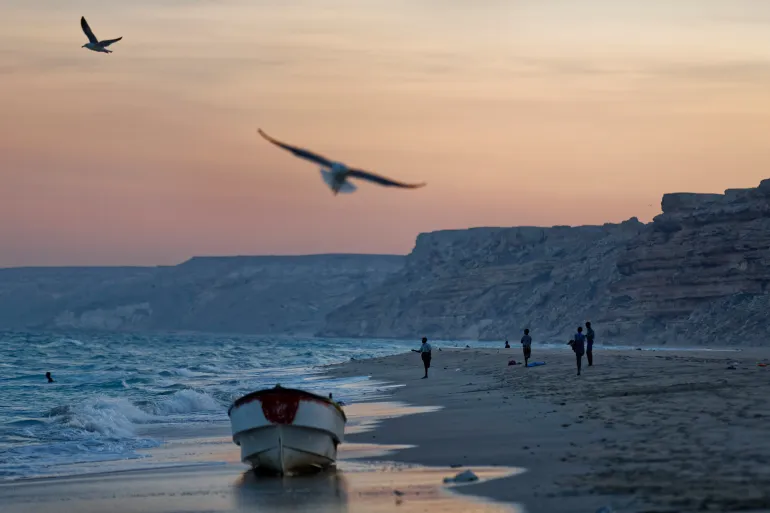
The newly designated routes connect Pakistan’s main ports Karachi, Port Qasim, and Gwadar to two border crossings with Iran, Gabd and Taftan. These routes pass through several areas in Balochistan, including Turbat, Panjgur, Khuzdar, Quetta, and Dalbandin.
Among them, the Gwadar to Gabd route is considered the most efficient, reducing travel time to just a few hours compared to significantly longer journeys from Karachi. Officials estimate that this shorter route could cut transportation costs by nearly half, making it an attractive option for traders and logistics companies.
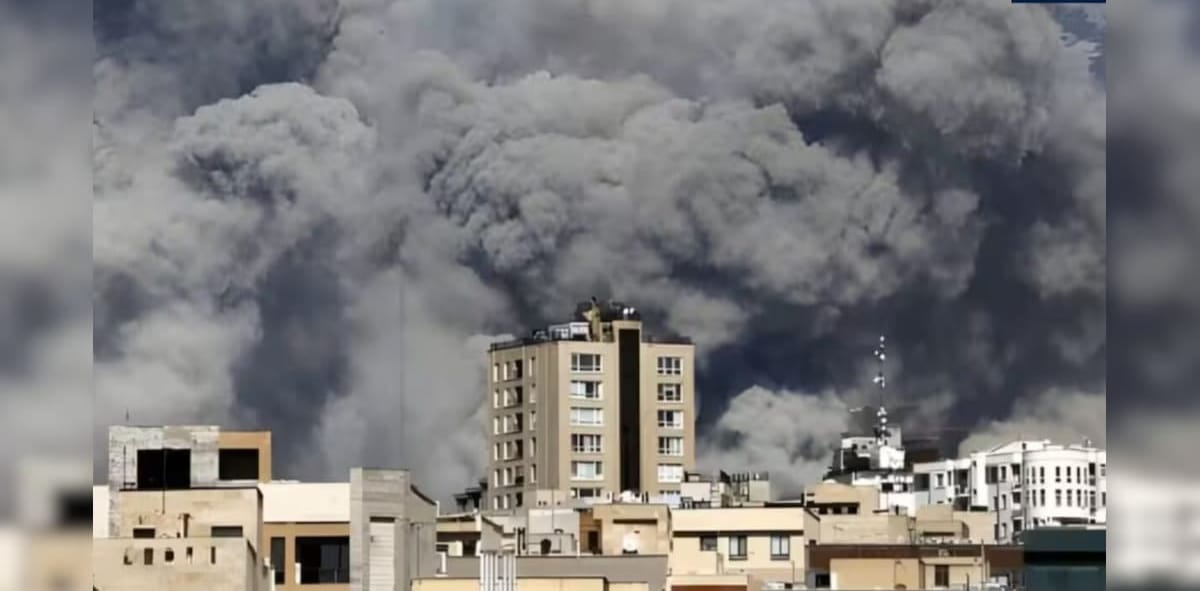
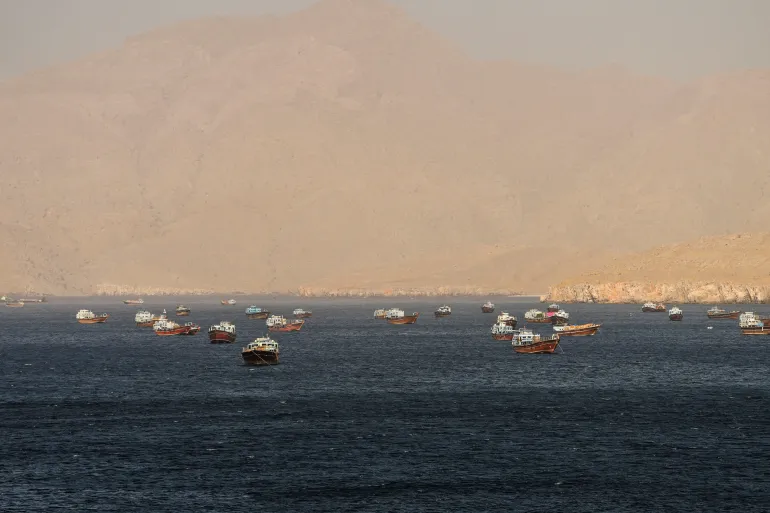
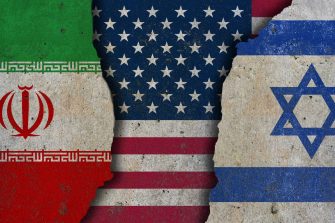
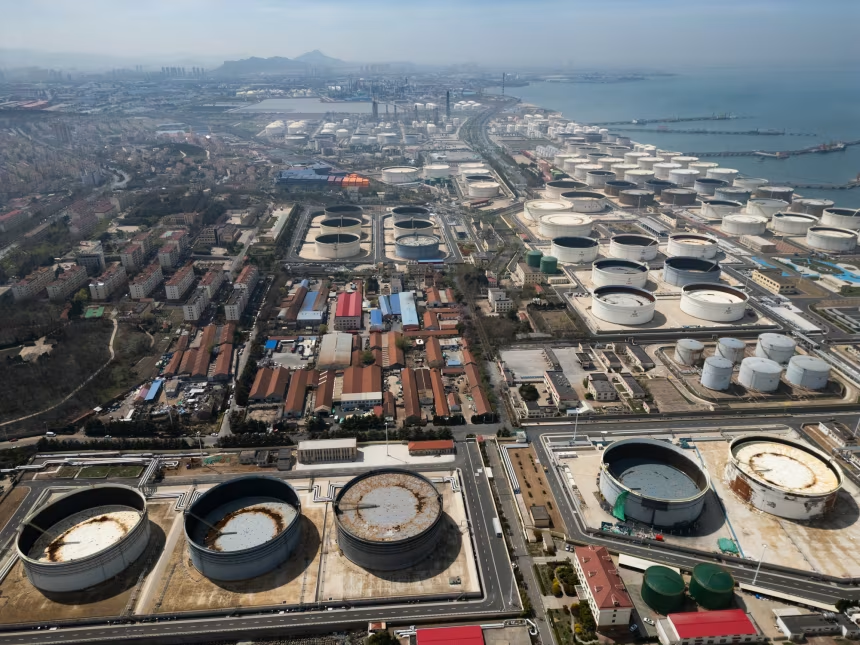
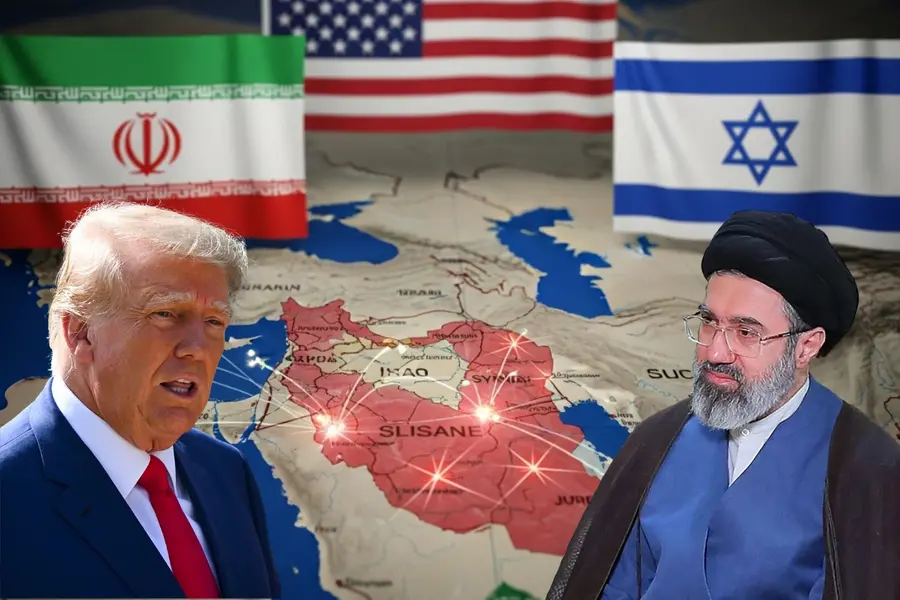
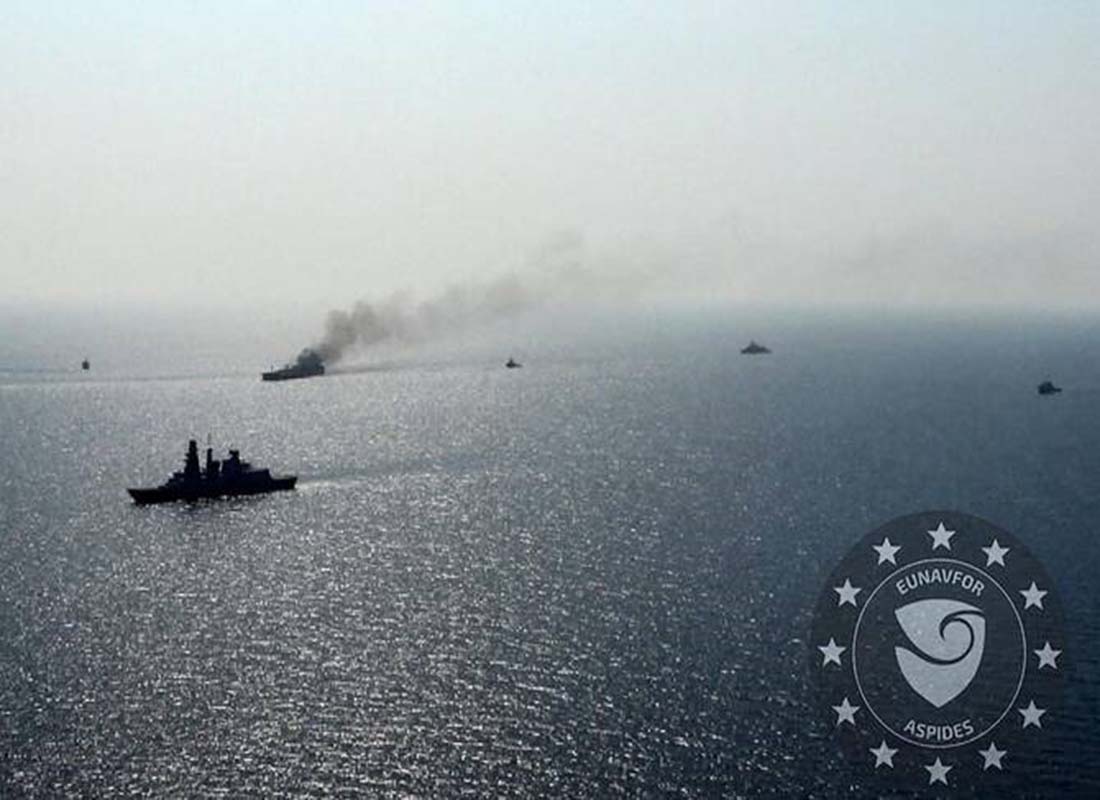
The development is closely tied to the broader regional conflict that has disrupted traditional shipping channels. Since late February, tensions involving the United States and Iran have affected commercial navigation through the Strait of Hormuz, a vital global trade route through which a significant portion of the world’s oil and gas supply typically passes.
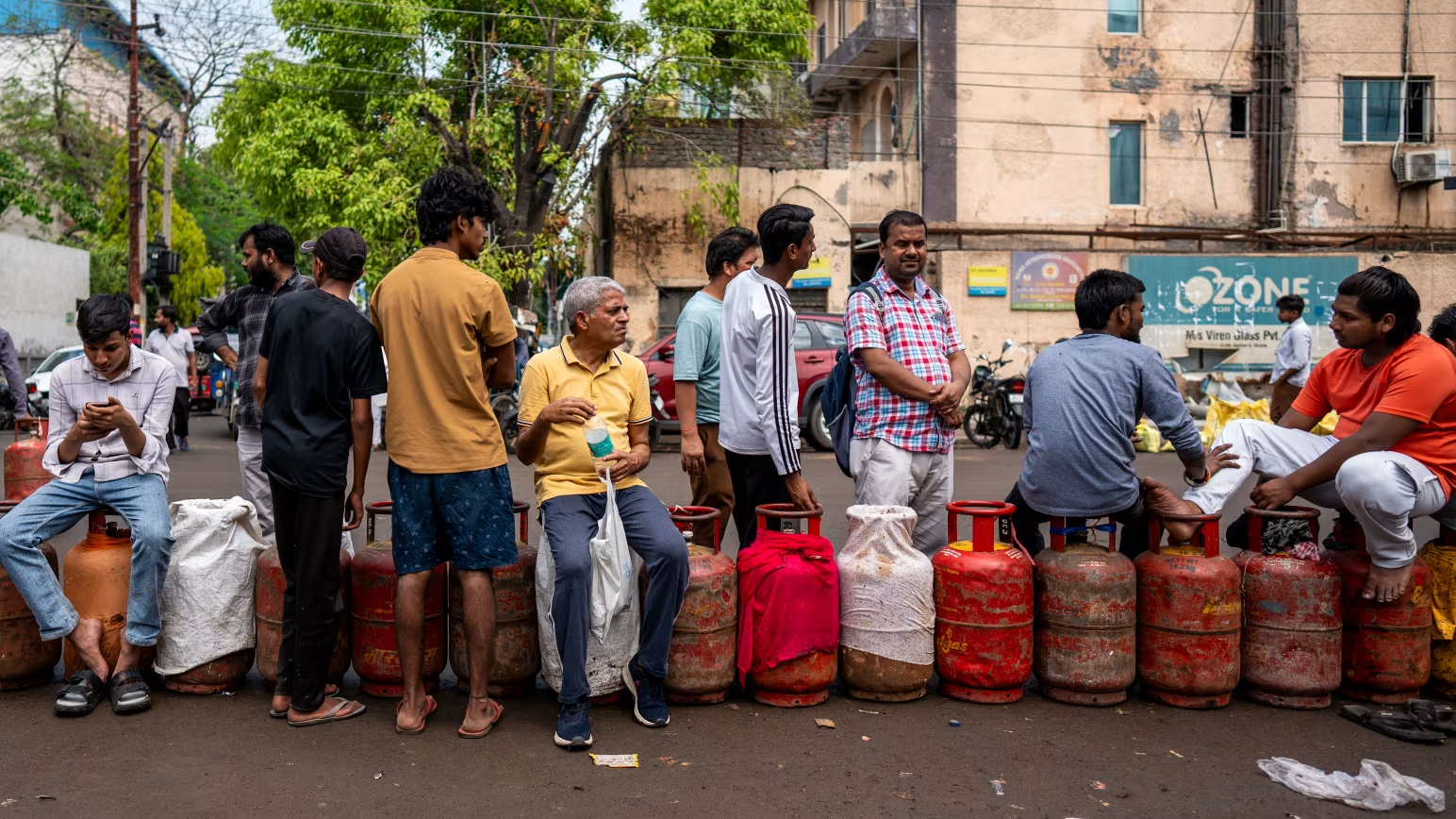
As maritime access has become increasingly restricted, overland alternatives have gained importance. The new corridor is seen as a practical response to rising shipping costs and delays, with insurance premiums for vessels in the region increasing sharply during the crisis.
Beyond immediate economic considerations, the move also reflects shifting regional dynamics. Pakistan’s relations with Afghanistan have deteriorated in recent months, limiting the reliability of traditional land routes through Afghan territory. As a result, Pakistan appears to be repositioning itself as a direct gateway for westbound trade, bypassing Afghanistan entirely.
Analysts say the corridor could have long-term implications for regional connectivity and trade patterns. While it offers economic opportunities, it also introduces new challenges, particularly related to security in border regions. Stability along these routes will be critical to ensuring their success.
For now, Pakistan’s decision provides a timely alternative for trade flows disrupted by geopolitical tensions, highlighting how regional conflicts continue to reshape global commerce and supply chains.







.jpg)
.jpg)
-1782103217151_v.webp)




















.jpg)
.jpg)
.jpg)
.jpg)
.jpg)
.jpg)