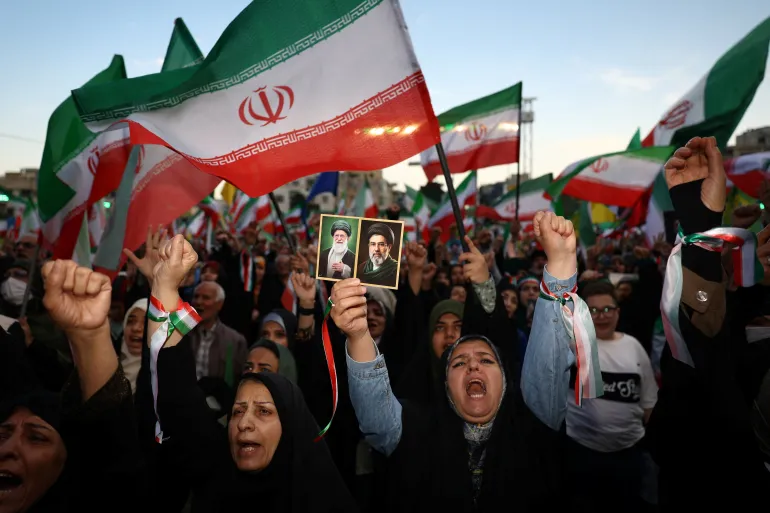



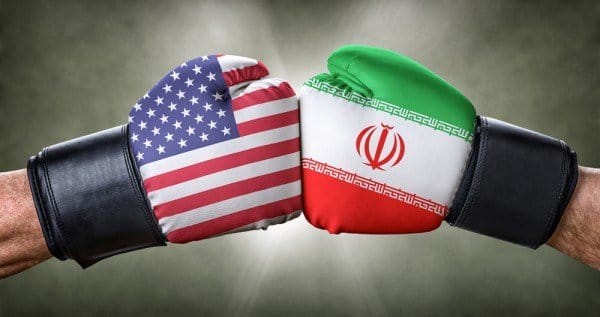
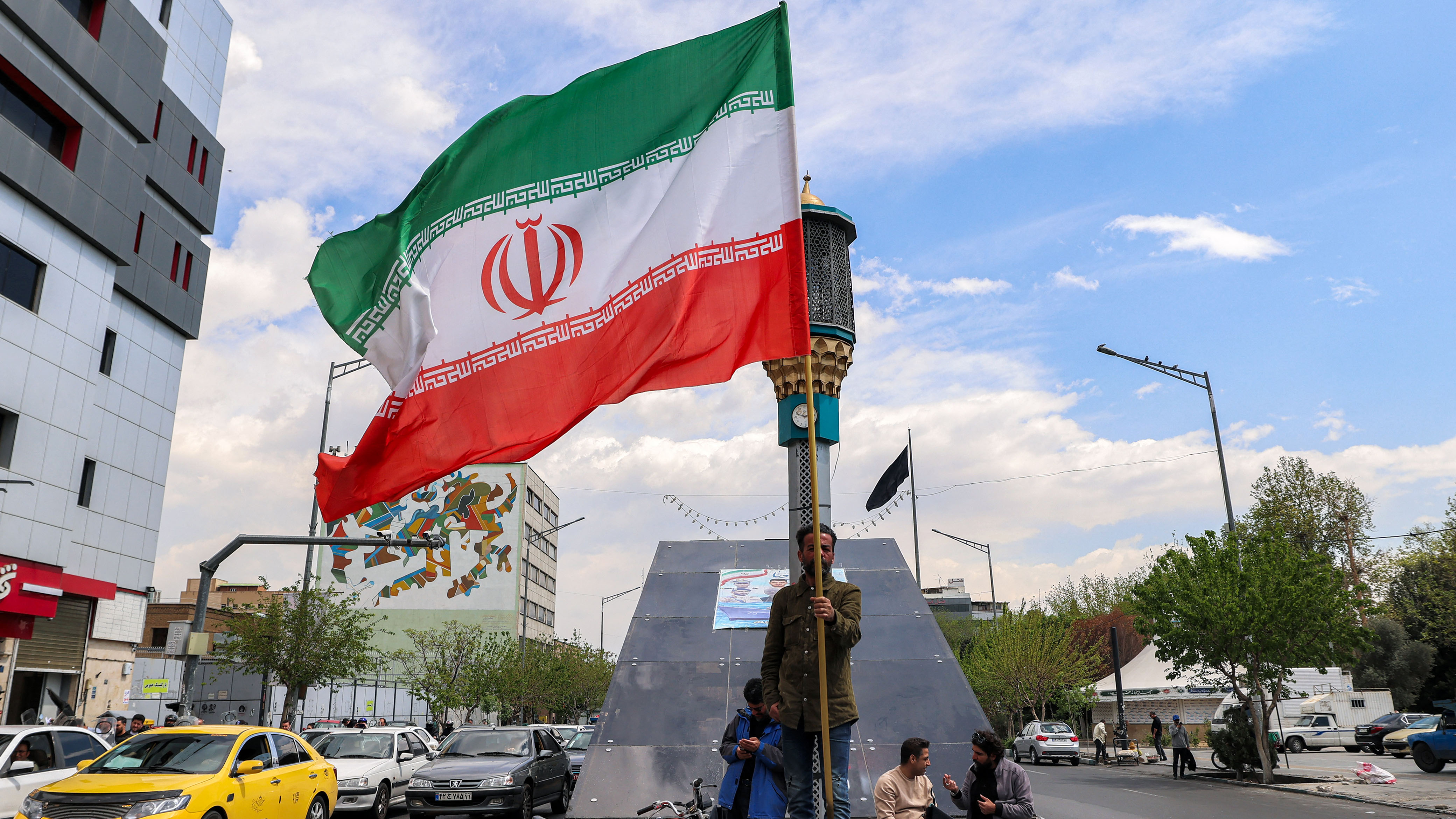
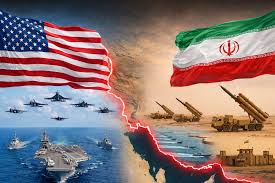
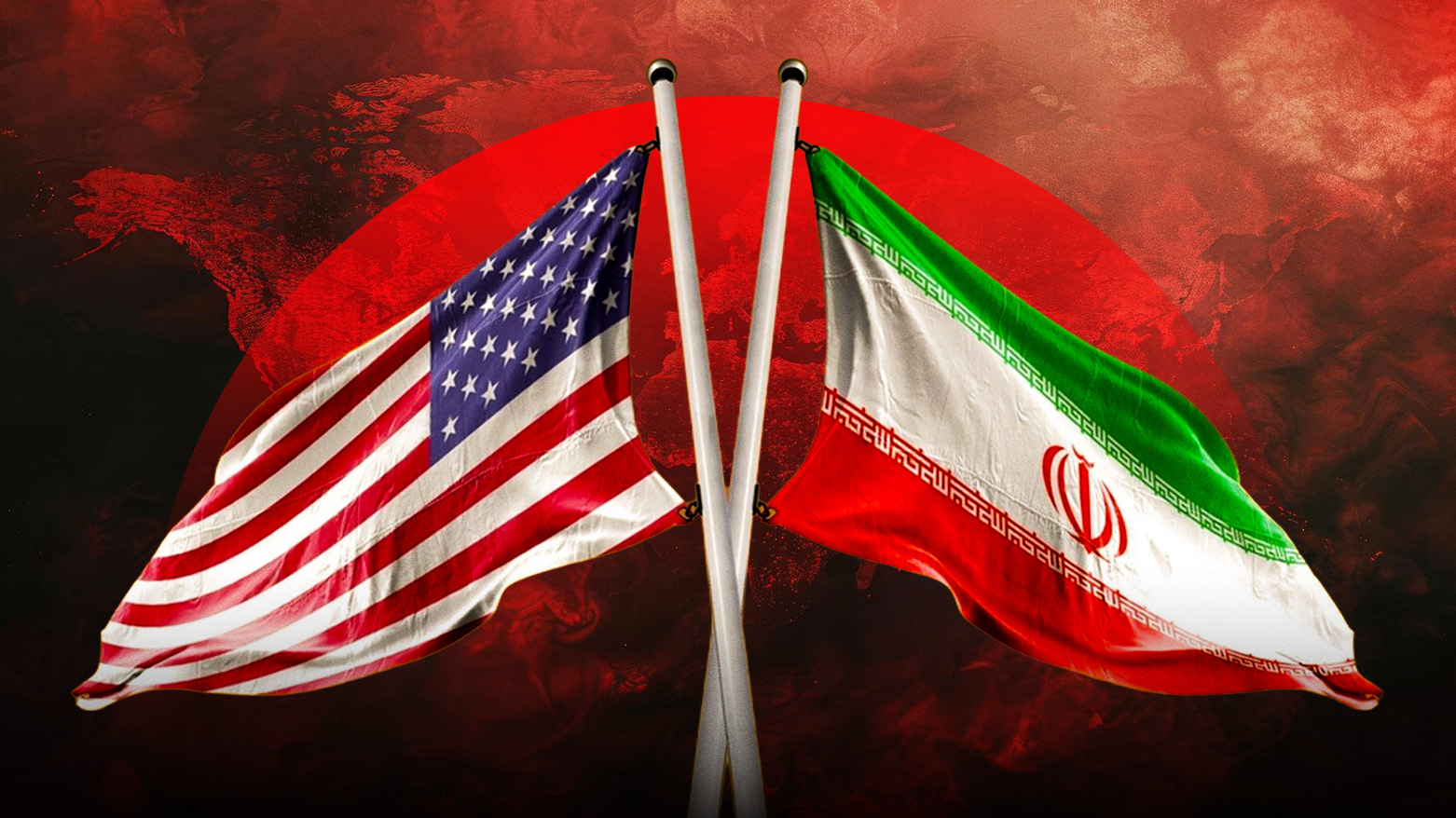
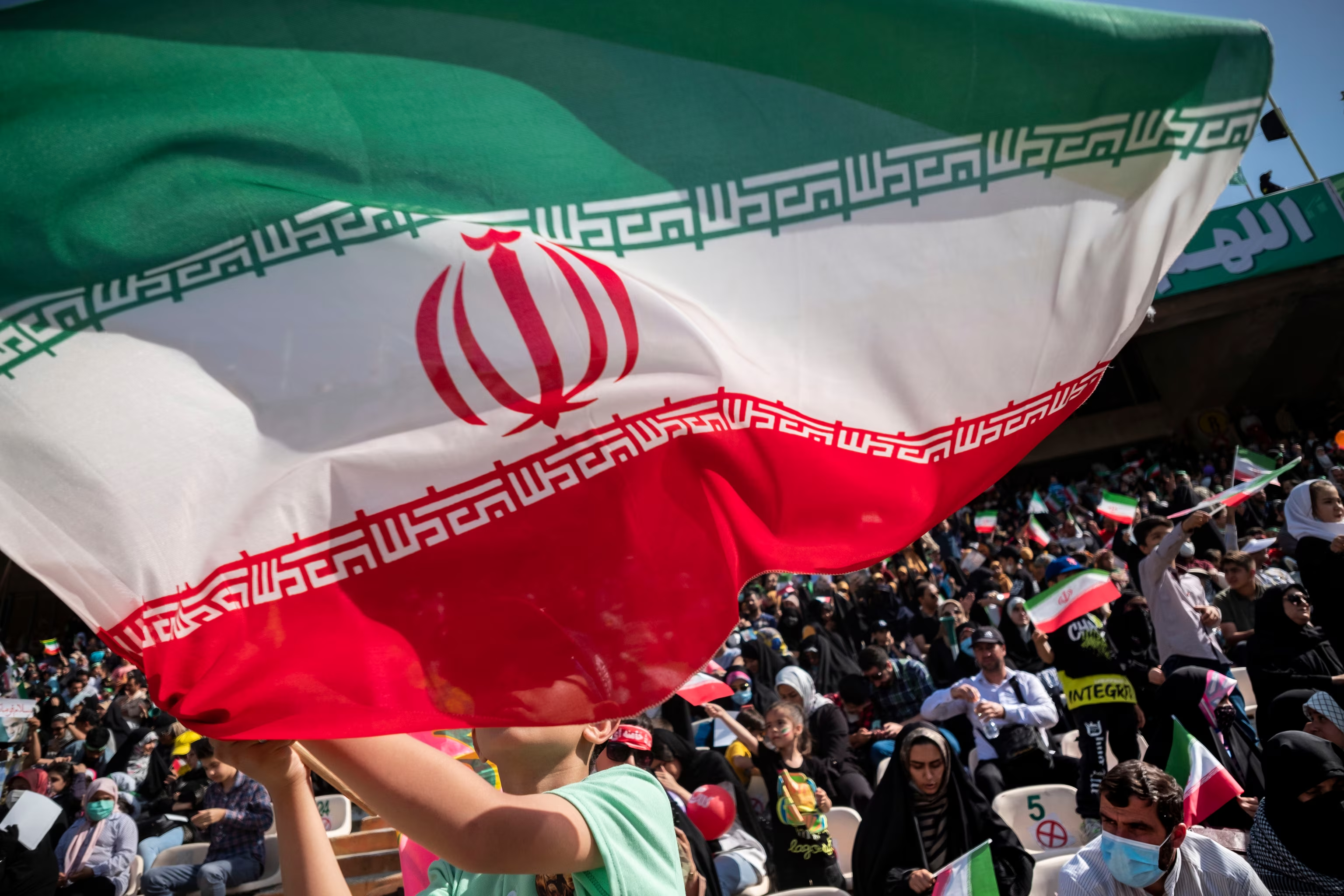
Iran has issued a stark warning that it will carry out “long and painful strikes” against United States positions across the Gulf region if Washington resumes military attacks, escalating tensions despite a fragile ceasefire that has been in place since April 8.
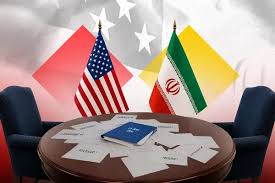
The warning comes as diplomatic efforts to resolve the conflict remain stalled, with both sides maintaining pressure through military positioning and economic measures.
Strait of Hormuz at the Center of Crisis
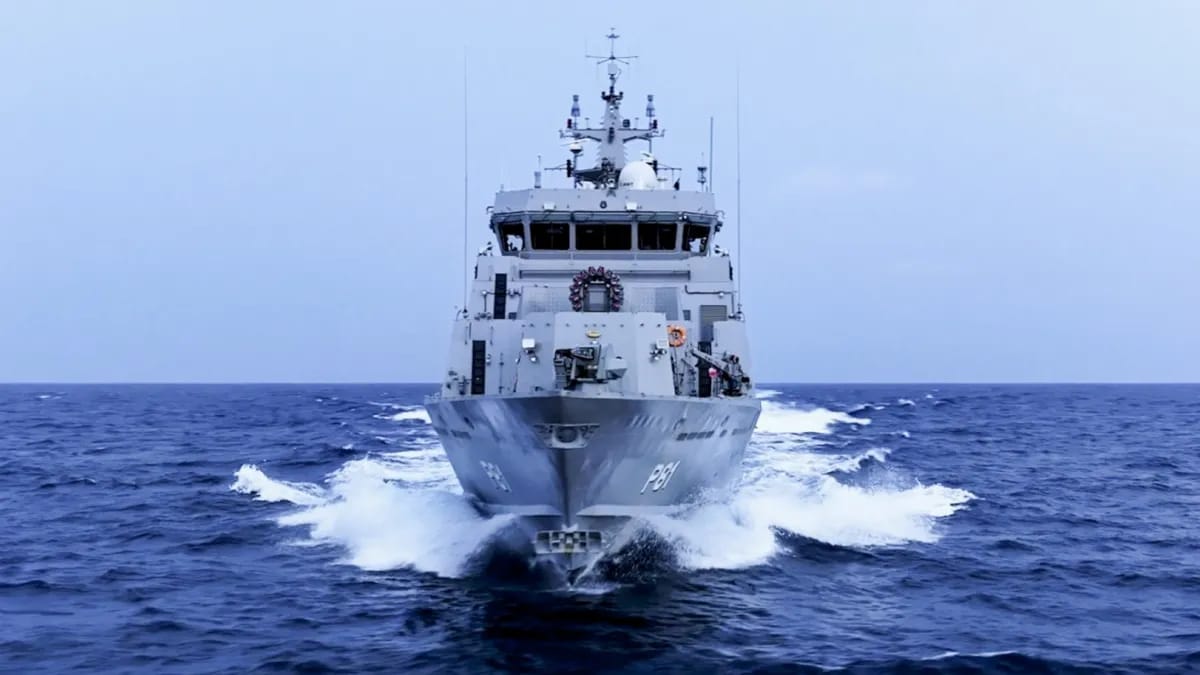
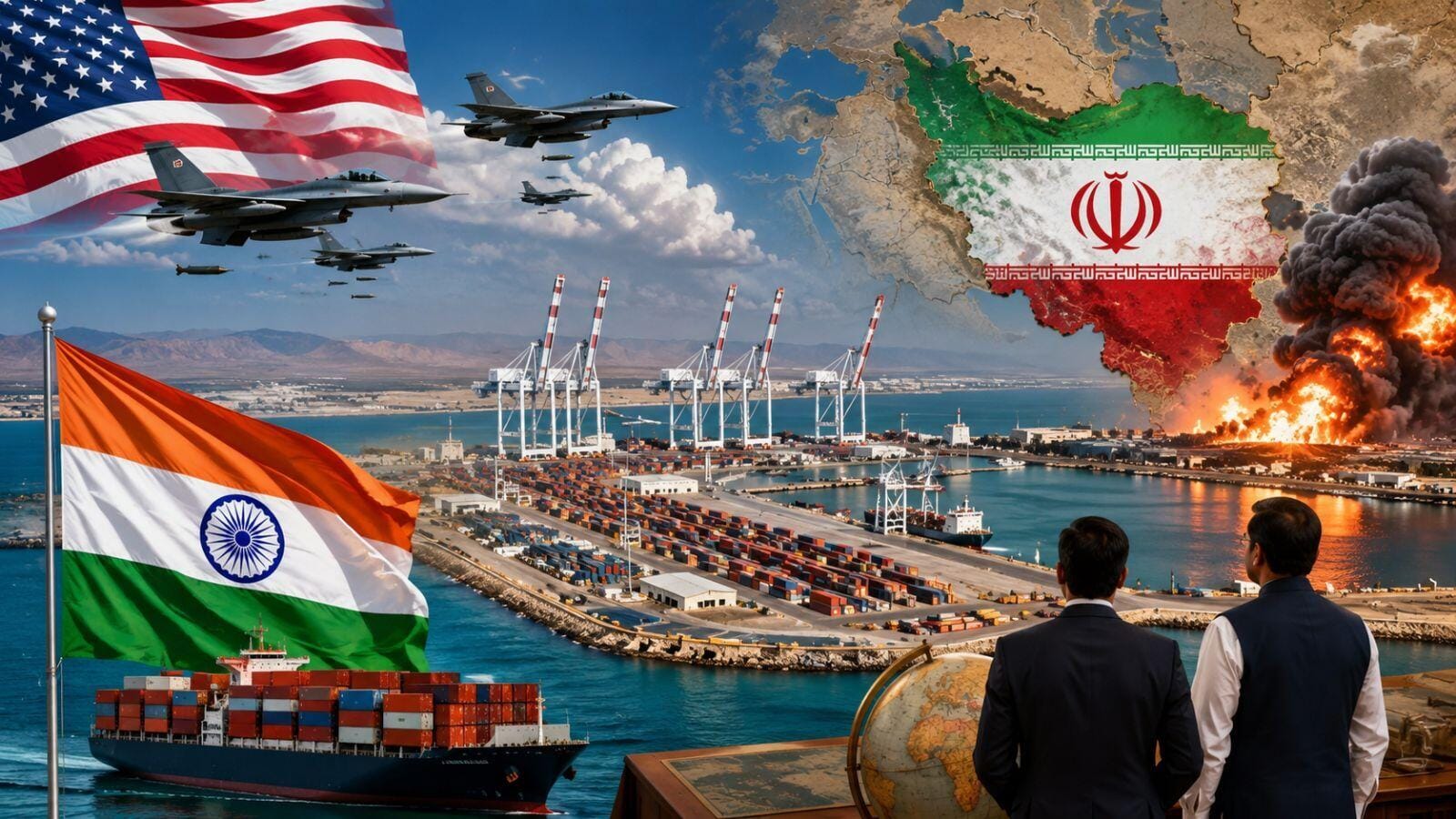
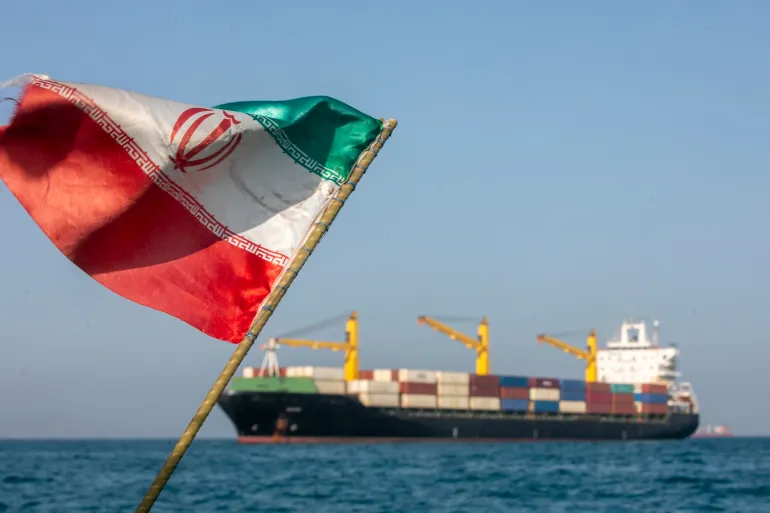
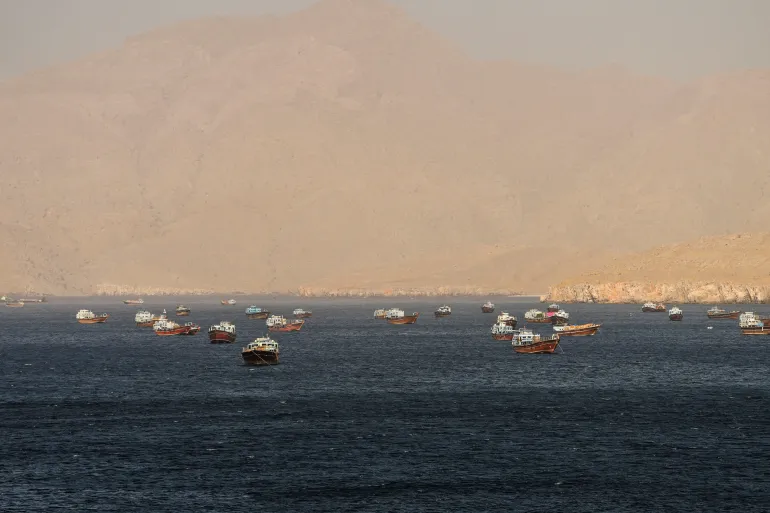
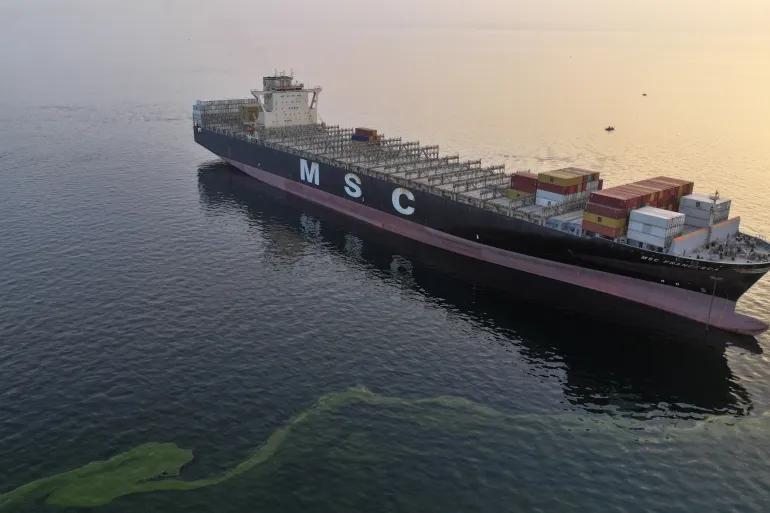
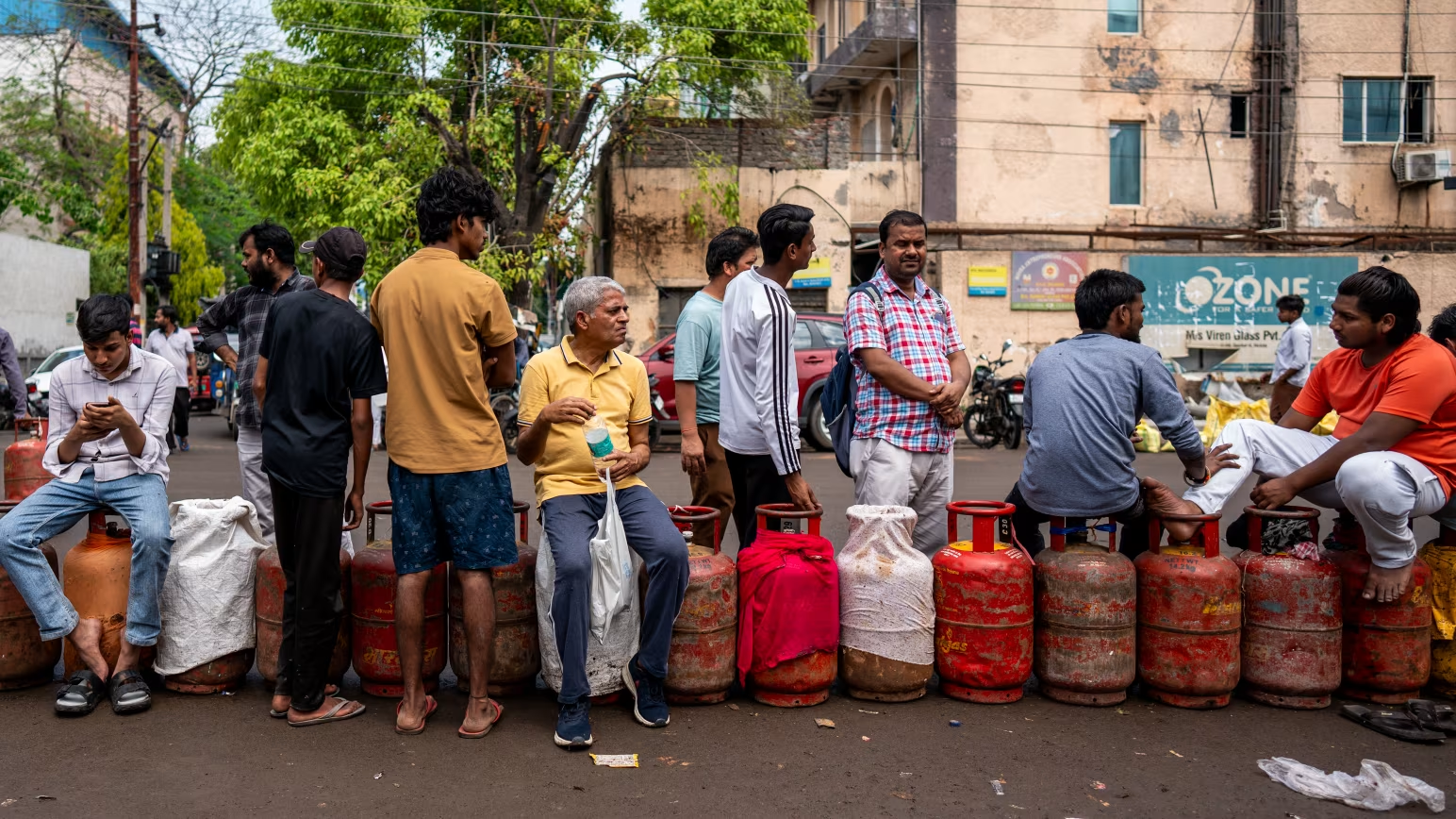
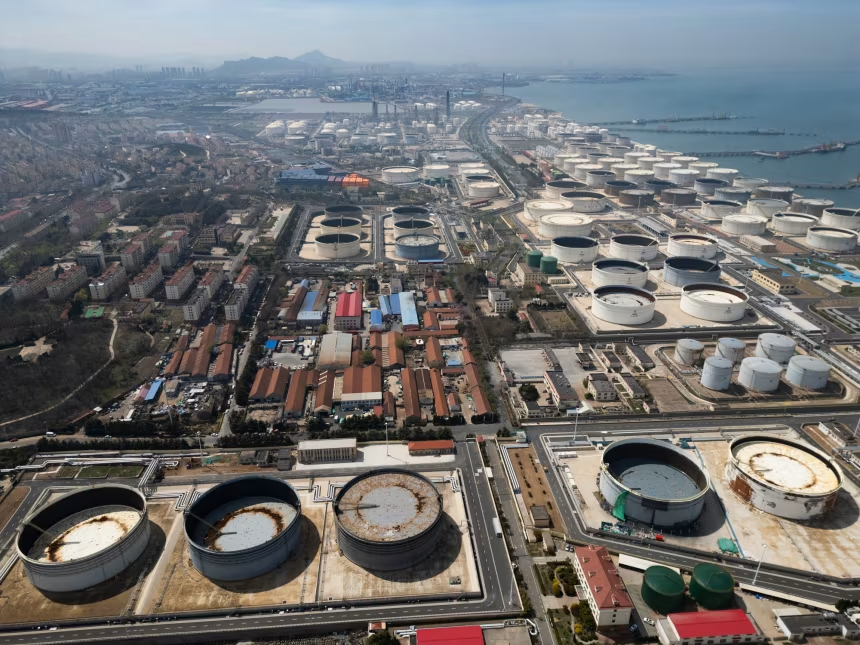
The Strait of Hormuz remains closed nearly two months into the conflict, blocking around 20 percent of global oil and gas flows. The disruption has triggered a surge in energy prices and heightened fears of a global economic slowdown.
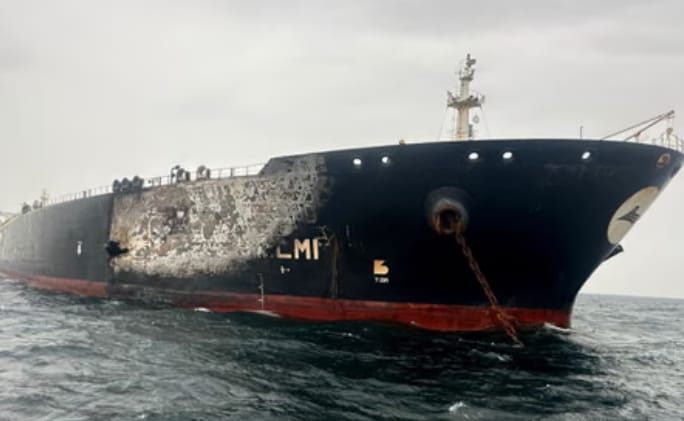
Iran has defended its decision to block the waterway, describing it as a lawful act under international law and a necessary response to what it calls aggression and restrictions imposed on its economy. The closure follows a United States naval blockade targeting Iranian ports, which has severely limited Tehran’s ability to export oil a critical source of national revenue.
Rising Regional Tensions
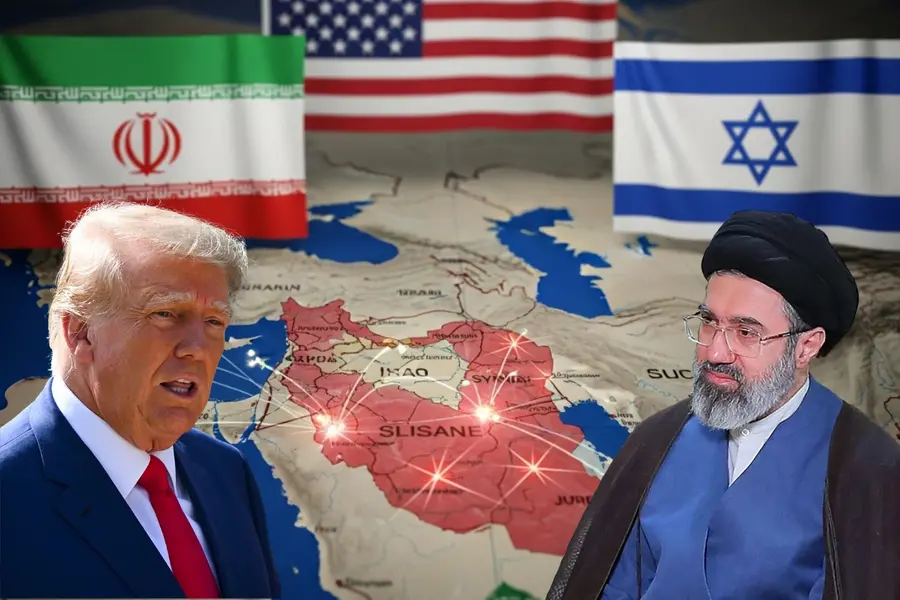
Iranian officials have also warned that any renewed attacks could extend beyond direct confrontation with the United States, potentially targeting its regional allies. This has alarmed Gulf nations, several of which have condemned Tehran’s stance and taken precautionary measures.
The United Arab Emirates has advised its citizens to avoid travel to Iran, Lebanon, and Iraq, while also urging those already there to return home. Meanwhile, Bahrain has strongly criticised Iran, accusing it of threatening regional stability and warning of strict action against any internal support for foreign adversaries.
Uncertainty Over US Military Plans
It remains unclear whether the United States will resume military operations. Legal and political constraints, including the requirements of the War Powers Resolution, could limit the scope of further action unless approved by Congress.
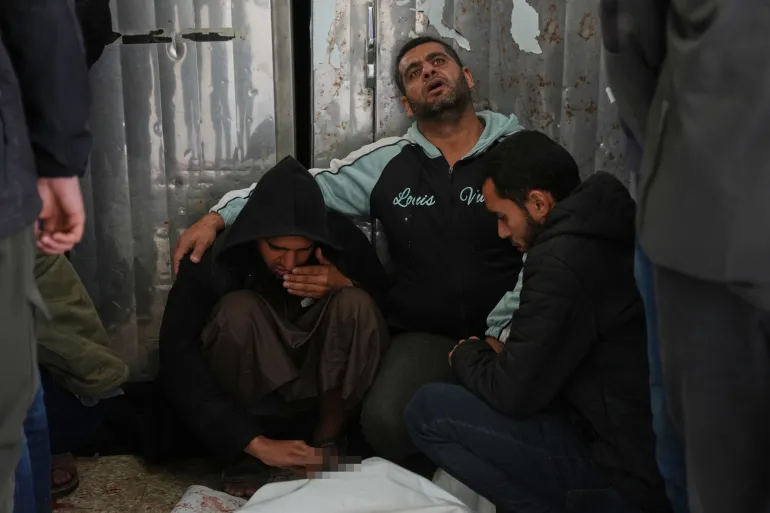
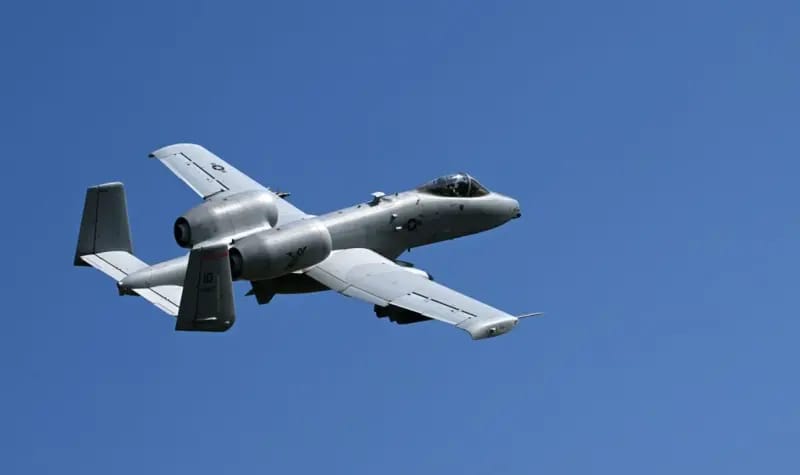
Reports suggest that military options are being considered, with officials discussing potential strikes aimed at pressuring Iran into negotiations. However, concerns are growing within political circles about the risks of escalation and the possibility of significant casualties.
Iran Prepares for Possible Escalation
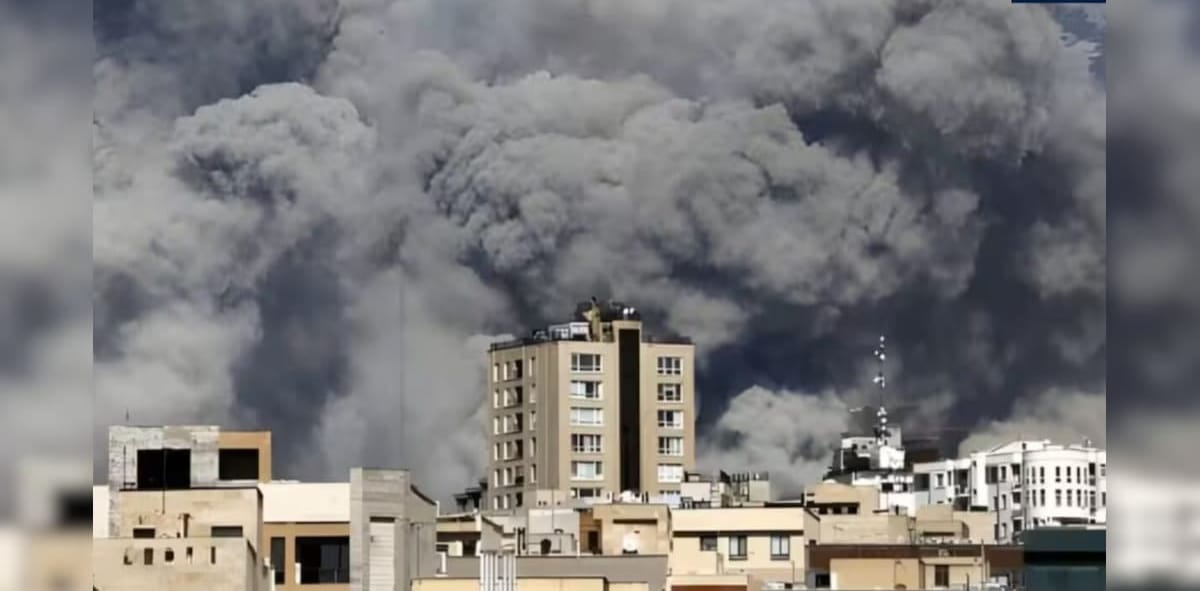
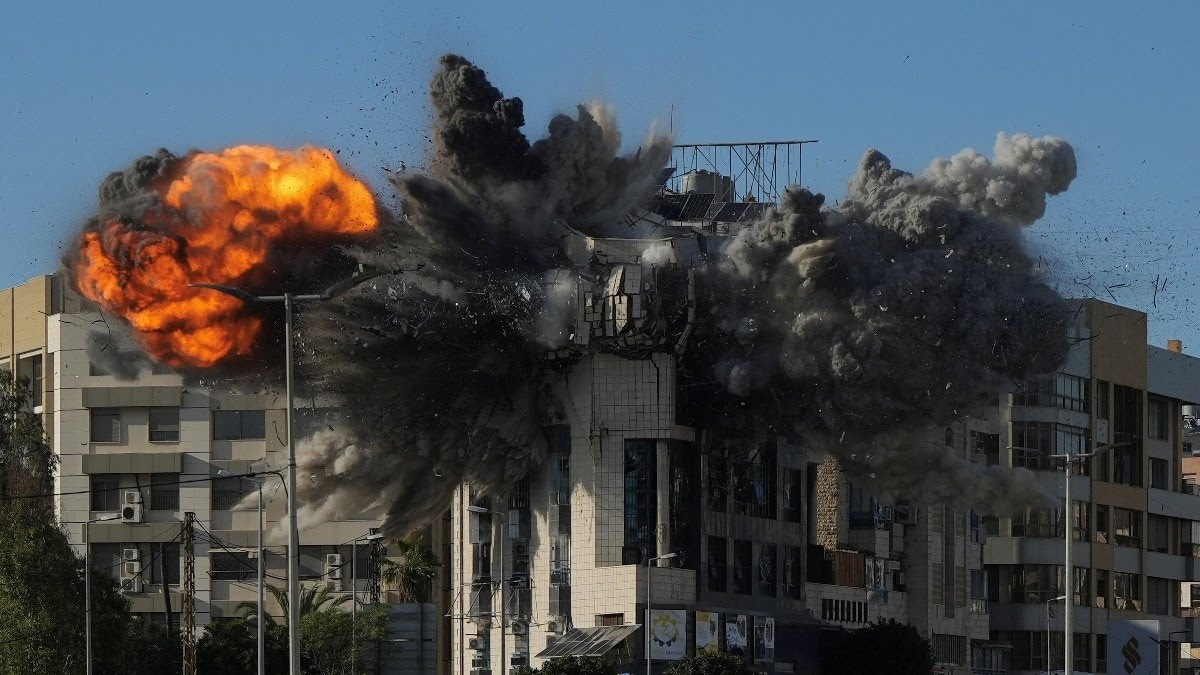
Iran has reportedly increased its defensive readiness, with air defence systems activated in parts of Tehran in response to suspected drone activity. Military officials have reiterated that even limited attacks would trigger a broader and more sustained retaliation.
Statements from senior figures within the Islamic Revolutionary Guard Corps suggest that US military bases and naval assets in the region could become targets in any renewed conflict.
Fragile Ceasefire Under Pressure
Although the ceasefire has so far prevented direct large-scale confrontation, both sides continue to engage in indirect pressure tactics, raising doubts about how long the truce can hold.
Analysts believe multiple scenarios are being considered by policymakers, ranging from intensified economic measures to renewed military strikes. The situation remains highly volatile, with the next move likely to determine whether the conflict escalates further or returns to negotiations.
As tensions persist, the risk of a wider regional crisis continues to grow, with global economic stability and security hanging in the balance.







.jpg)
.jpg)
-1782103217151_v.webp)










.jpg)
.jpg)
.jpg)
.jpg)
.jpg)
.jpg)