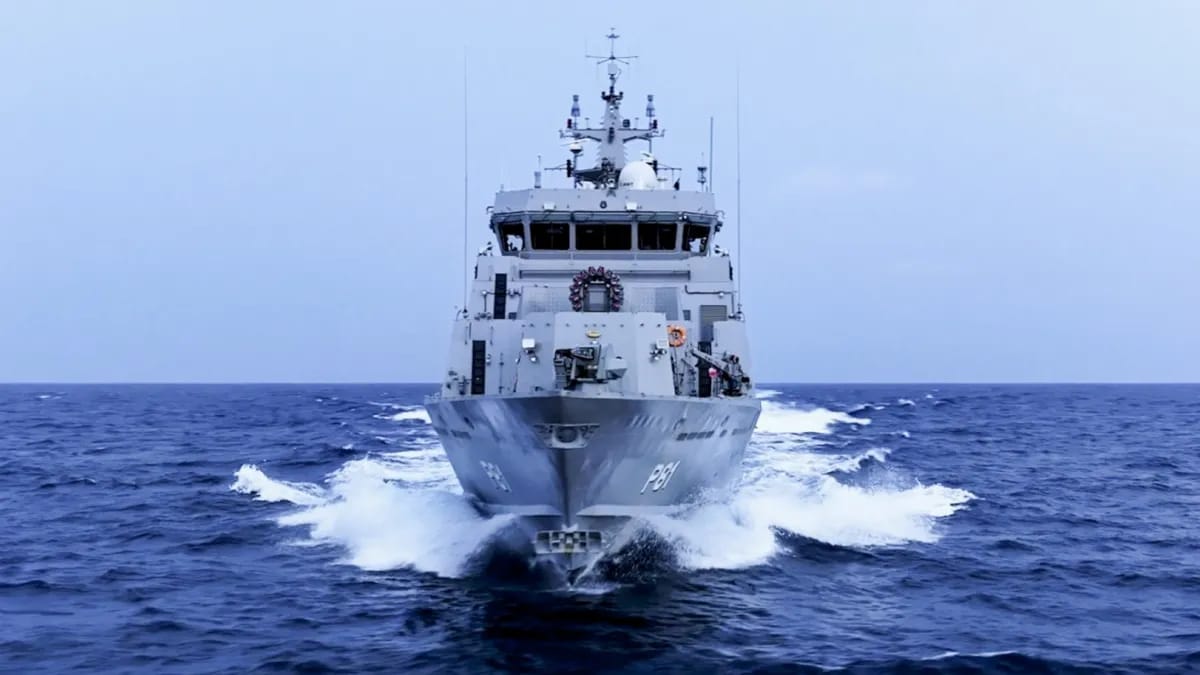




A fresh wave of piracy off the coast of Somalia is sparking concerns of a return to one of the world’s most dangerous maritime threats. In just a matter of days, multiple vessels have been hijacked near the Horn of Africa, prompting warnings from international security agencies and raising questions about what is driving the surge.
A Sudden Spike in Hijackings
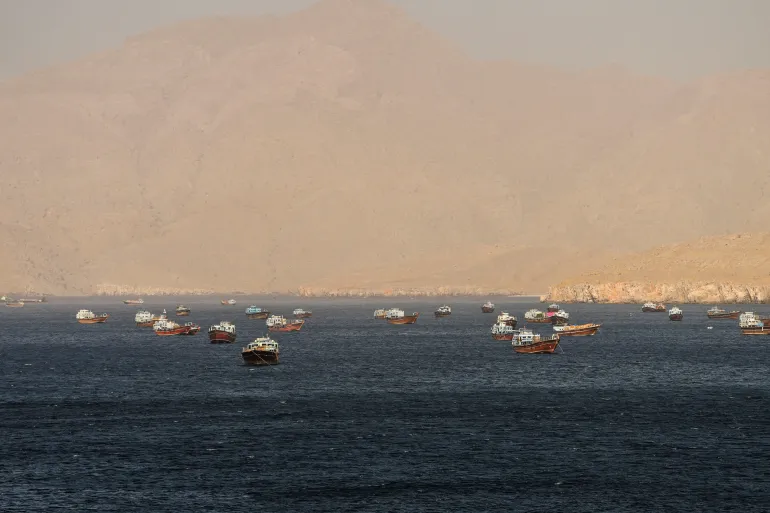
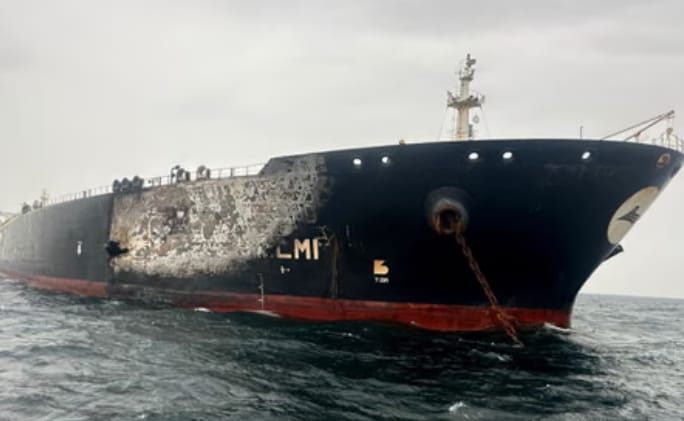
At least three to four merchant vessels have reportedly been seized since late April in waters near northern Somalia. Among them were fishing boats and oil tankers, some carrying significant cargo and multinational crews.
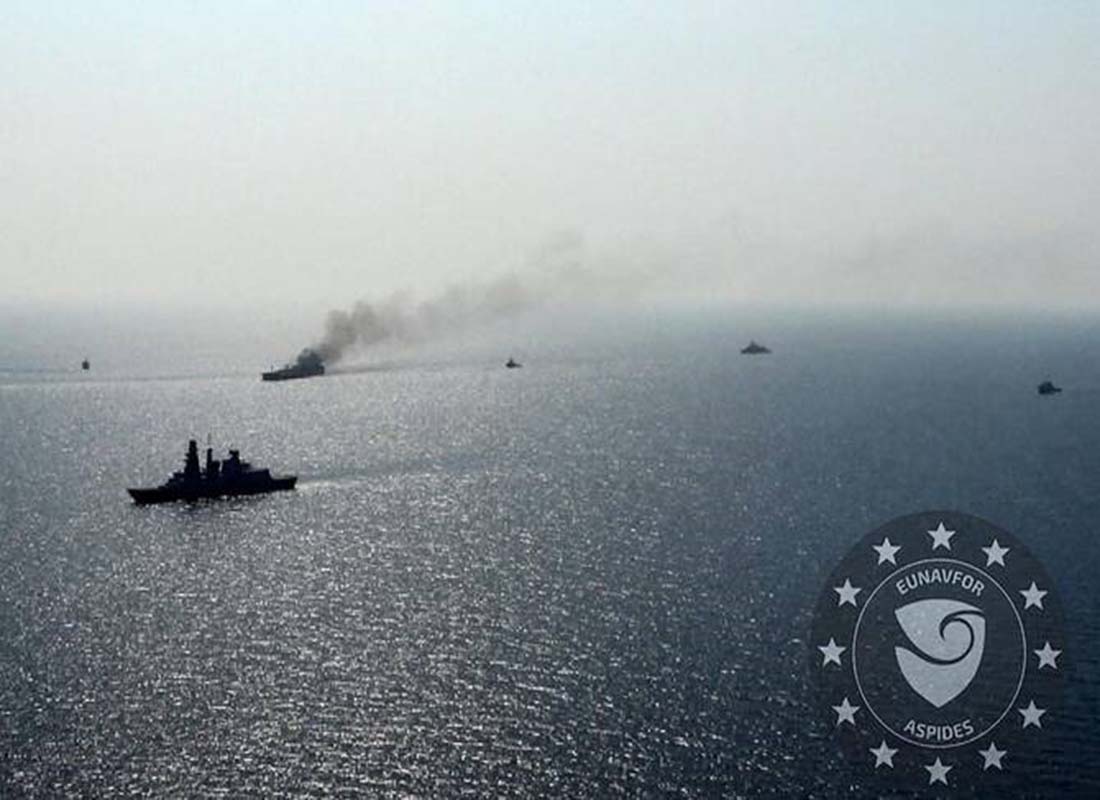
Authorities monitoring maritime security, including the European Union Naval Force, have confirmed several incidents and are tracking ongoing situations involving captured vessels. Meanwhile, the United Kingdom Maritime Trade Operations has raised the threat level in the region to “substantial,” urging ships to exercise extreme caution.
Who Is Behind the Attacks?
It remains unclear which groups are responsible for the latest hijackings. Historically, piracy in the region has involved a mix of local fishermen, criminal networks, and armed groups with links to extremist organisations.
The current attacks appear opportunistic, taking advantage of reduced naval presence and increased shipping vulnerability. Some vessels have been held near coastal areas in semi-autonomous regions like Puntland, where enforcement capacity is limited.
Is the Iran Conflict a Factor?
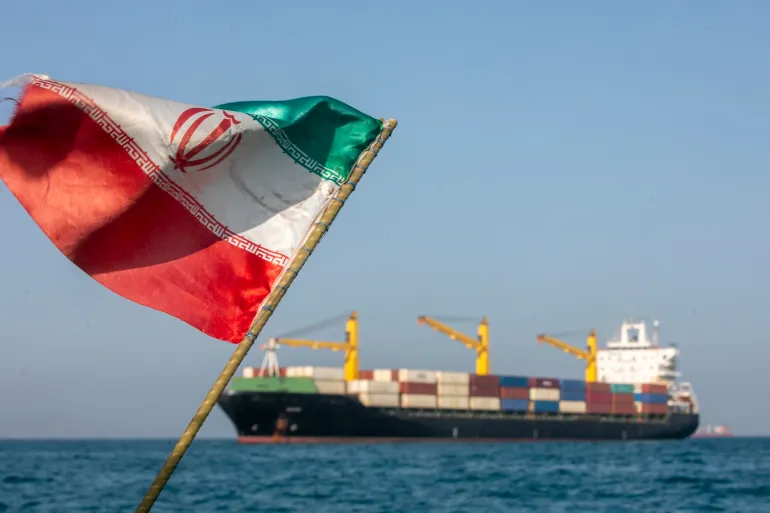
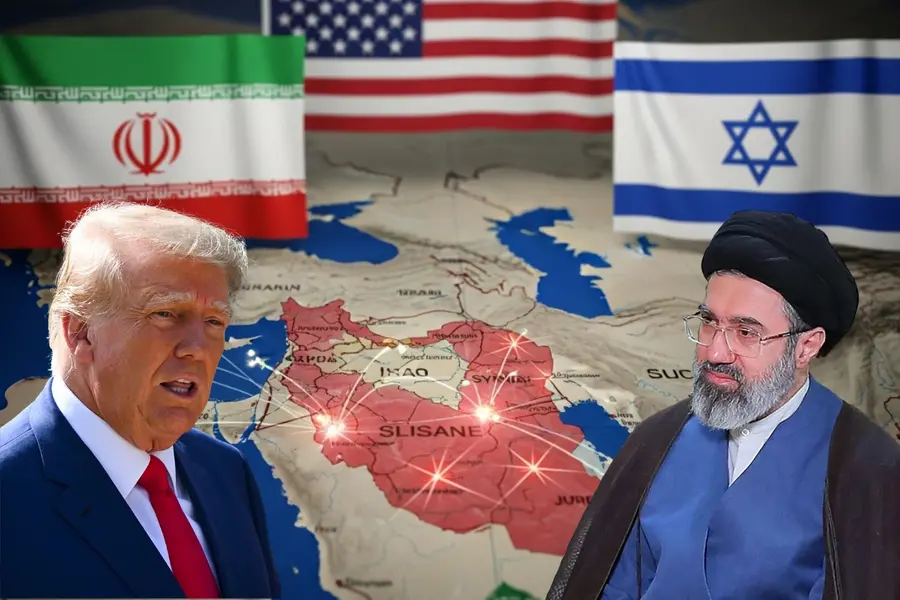
The ongoing tensions involving Iran and global powers may be indirectly contributing to the resurgence of piracy.
Naval forces that once focused heavily on anti-piracy operations off Somalia have increasingly shifted their attention elsewhere. In recent years, many have been redeployed to protect shipping lanes in the Red Sea and near the Strait of Hormuz amid rising geopolitical tensions.
This diversion has left gaps in maritime security around Somalia, creating an environment where pirate groups can operate with less risk of interception.
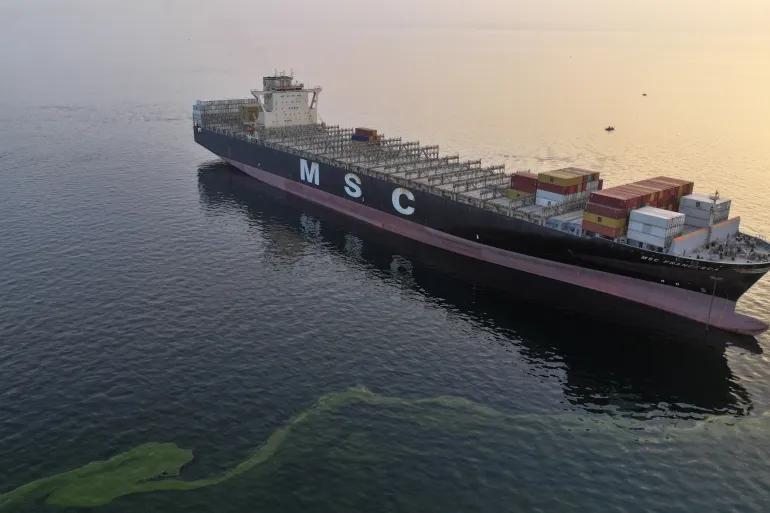
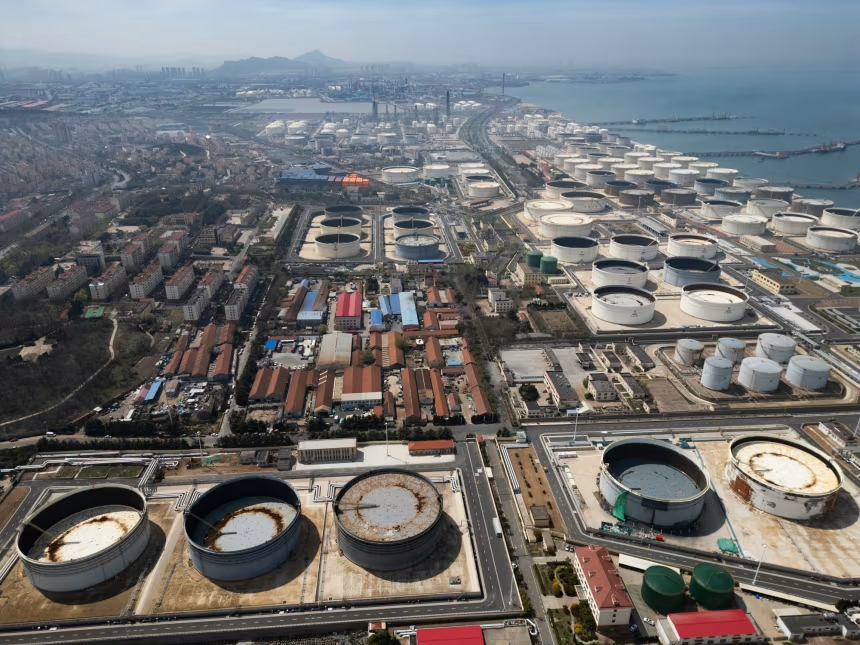
At the same time, rising global oil prices driven in part by Middle East instability have made fuel-carrying vessels more attractive targets. Tankers now represent high-value opportunities for pirates seeking large payouts.
A Familiar Pattern Returns
Piracy off Somalia is not new. During the early 2000s, the region became the epicentre of global maritime crime. At its peak, attacks disrupted international trade and cost the global economy billions of dollars annually.
The crisis was eventually brought under control through coordinated international efforts, including naval patrols by coalitions such as NATO and EU missions. These operations significantly reduced hijackings and improved security across major shipping routes.
However, piracy never fully disappeared. Sporadic incidents have continued over the years, and the latest series of attacks suggests conditions may once again be aligning in pirates’ favour.
Why It Matters Now
The resurgence of piracy comes at a time when global trade routes are already under pressure from geopolitical conflicts. The waters near Somalia are a critical link between Asia, the Middle East, and Europe, making shipping security in the region vital for global commerce.
If the current trend continues, it could lead to higher shipping costs, increased insurance premiums, and further disruptions to supply chains already strained by conflict and economic uncertainty.
A Growing Concern
While it is too early to declare a full return to the piracy crisis of the past, the recent hijackings are a clear warning sign. Reduced naval oversight, rising oil prices, and shifting global priorities have created conditions that pirates are now exploiting.
Whether this surge becomes a sustained trend will depend on how quickly international forces respond and whether maritime security efforts are rebalanced to address the growing threat.








.jpg)
.jpg)




-1782103217151_v.webp)
































.jpg)
.jpg)
.jpg)
.jpg)
.jpg)
.jpg)