 Oil prices rise as US-Iran tensions continue over peace negotiations.


Diplomatic efforts to end the ongoing war between the United States and Iran have stalled once again, with both sides accusing each other of making unreasonable demands as tensions continue to rise across the Middle East.
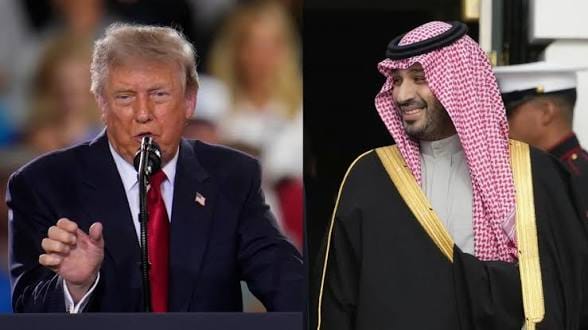
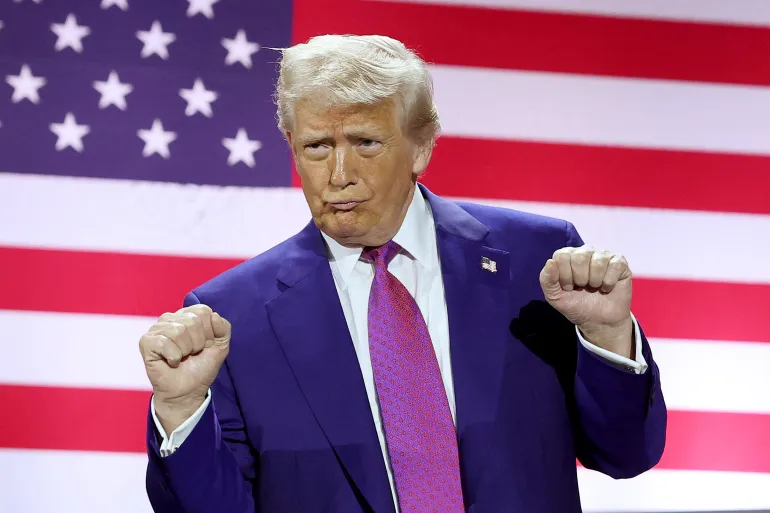
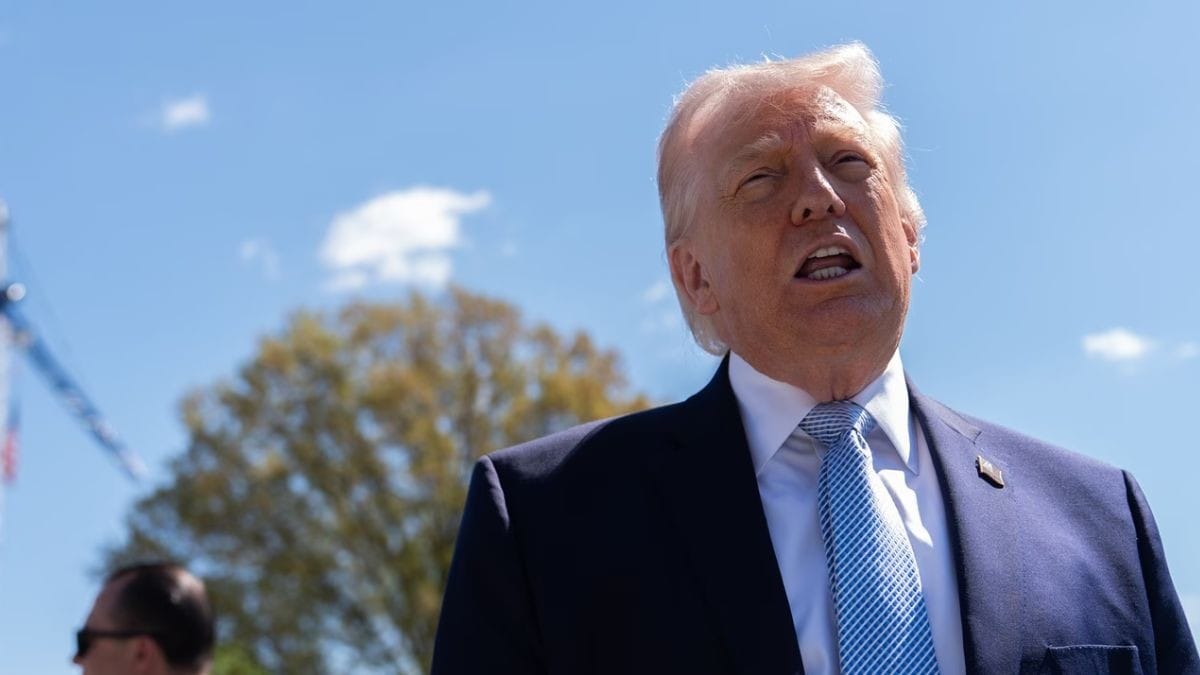
The US-Israel war on Iran entered its 73rd day on Monday, with fresh disagreements emerging over the latest peace proposals exchanged between Washington and Tehran. United States President Donald Trump rejected Iran’s latest proposal late Sunday, calling the response “totally unacceptable” without offering further details.
Iran’s proposal reportedly focused on ending the war across multiple fronts, including in Lebanon, while demanding the lifting of sanctions and an end to the naval blockade. Tehran also insisted on maintaining control over its nuclear programme and foreign policy, issues that remain central to the conflict.
Meanwhile, oil markets reacted sharply to the diplomatic deadlock. Brent crude prices rose by 2.69 percent, reaching $104.01 per barrel late Sunday as concerns grew over disruptions in the Strait of Hormuz, one of the world’s most important oil transit routes.
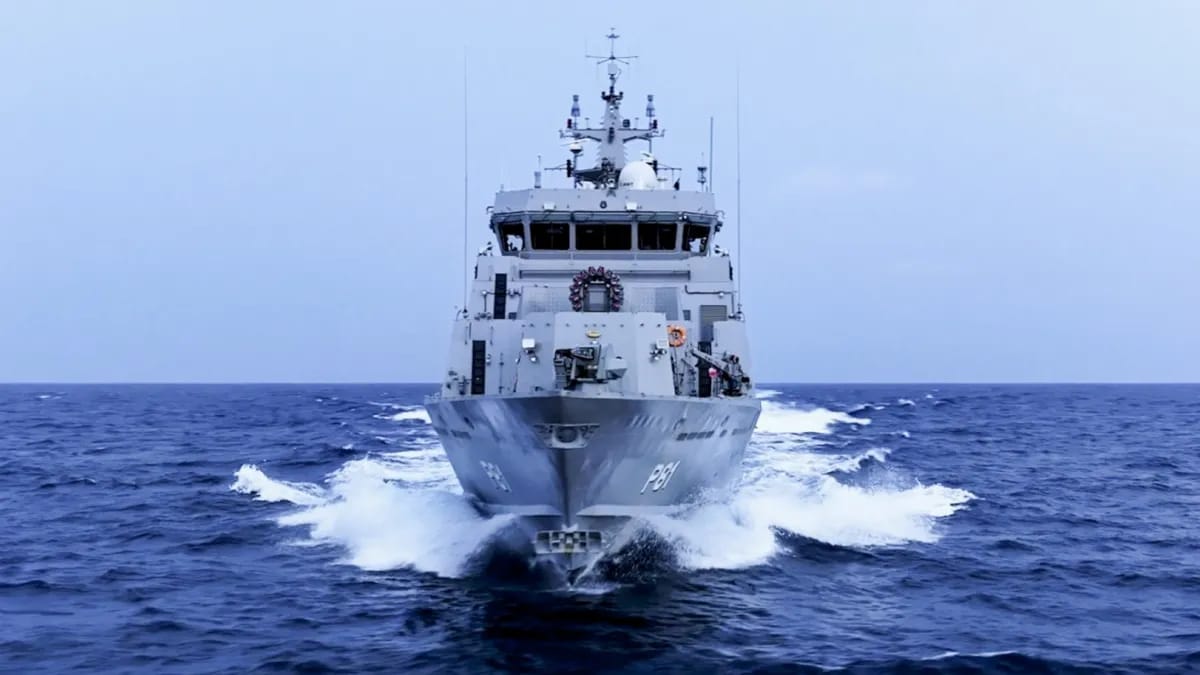
The Strait of Hormuz, which carried nearly one-fifth of the world’s oil and liquefied natural gas shipments before the war began, remains heavily restricted. Although a small number of tankers have recently crossed the waterway, maritime traffic remains far below normal levels.
Regional tensions also escalated over the weekend. The United Arab Emirates said it intercepted two drones launched from Iran, while Qatar condemned a drone strike targeting a cargo vessel in its waters. Kuwait also reported intercepting hostile drones that entered its airspace.
Iran executes alleged spy
Iranian authorities announced the execution of 29-year-old Erfan Shakourzadeh, who was convicted of spying for the United States and Israel. According to Iran’s judiciary, he allegedly shared classified scientific information linked to satellite activities with foreign intelligence agencies after being arrested last year.
International diplomacy continues
European Union foreign ministers gathered in Brussels on Monday to discuss the conflicts in both Iran and Ukraine, while Trump is expected to travel to Beijing later this week for talks with Chinese President Xi Jinping regarding the Iran conflict and broader global issues.
The continuing war is also creating political pressure inside the United States, where rising petrol prices and economic uncertainty are becoming key concerns ahead of upcoming midterm elections.
Conflict spreads across the region
In Lebanon, Israeli air raids targeted the towns of Kfar Tebnit and Choukine despite a ceasefire announced in April. Lebanese officials reported that two medics and one civilian were killed in strikes on emergency response centres in Bint Jbeil.
The Israeli military also confirmed the death of army driver Alexander Glovanyov, who was killed near the Lebanon border.
Global markets react
The prolonged instability has continued to impact global markets. The US dollar strengthened for a second consecutive day amid safe-haven demand, while gold prices slipped as investors worried that rising oil prices could keep inflation elevated and delay interest rate cuts.
Analysts warn that unless negotiations resume soon, the ongoing disruption in the Strait of Hormuz could place even greater pressure on global energy supplies and international markets.







.jpg)
.jpg)

.jpeg)




.jpeg)









.jpeg)



.jpeg)

.jpeg)











.jpeg)
.jpeg)


.jpeg)
.jpeg)
















.jpeg)














.jpeg)



.jpeg)





.jpeg)



.jpeg)













.jpeg)


.jpeg)


.jpeg)