


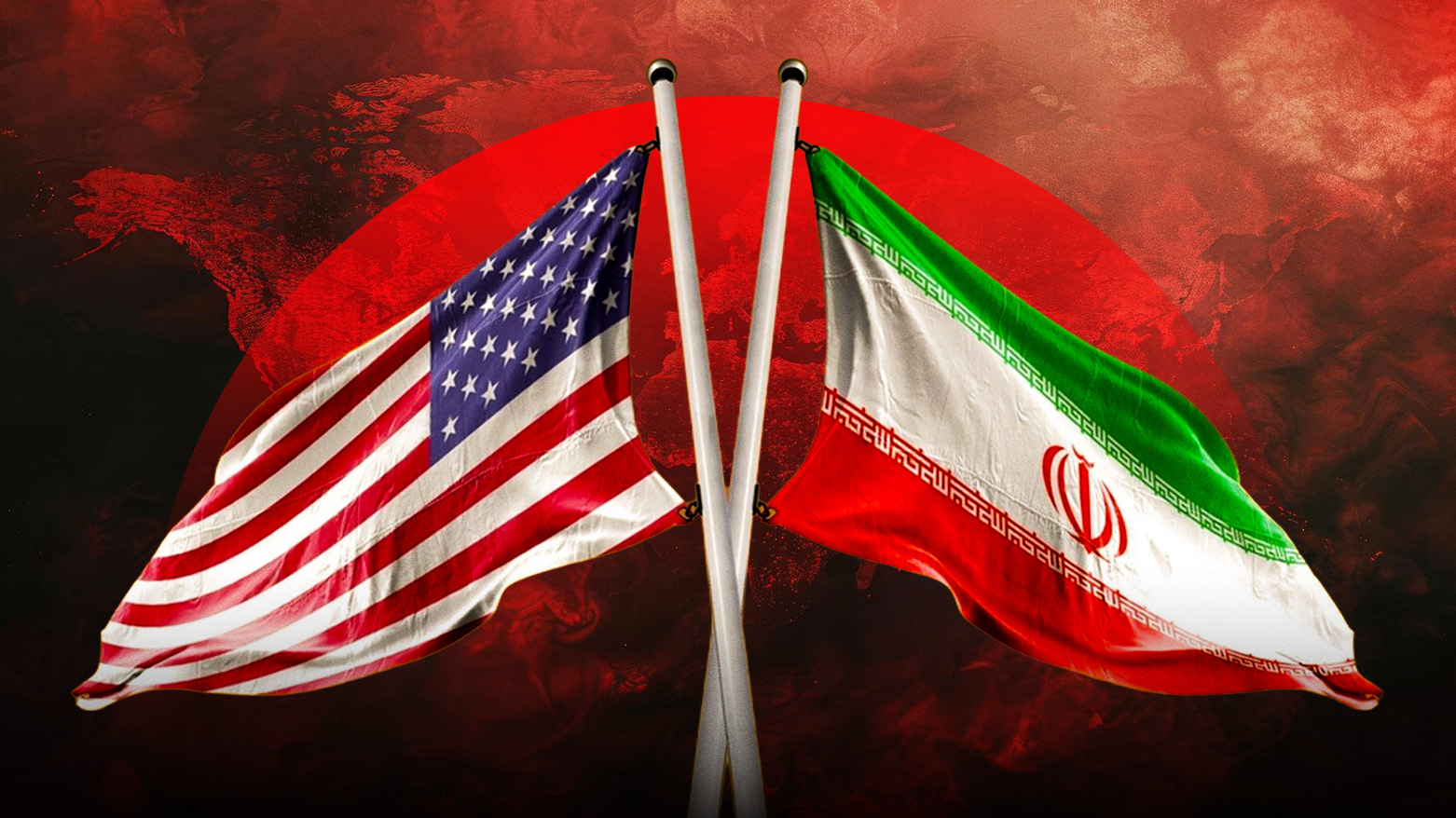
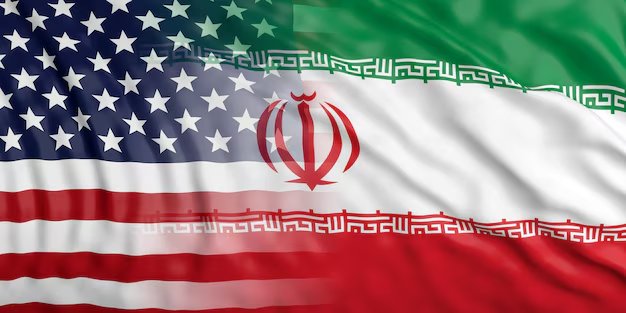
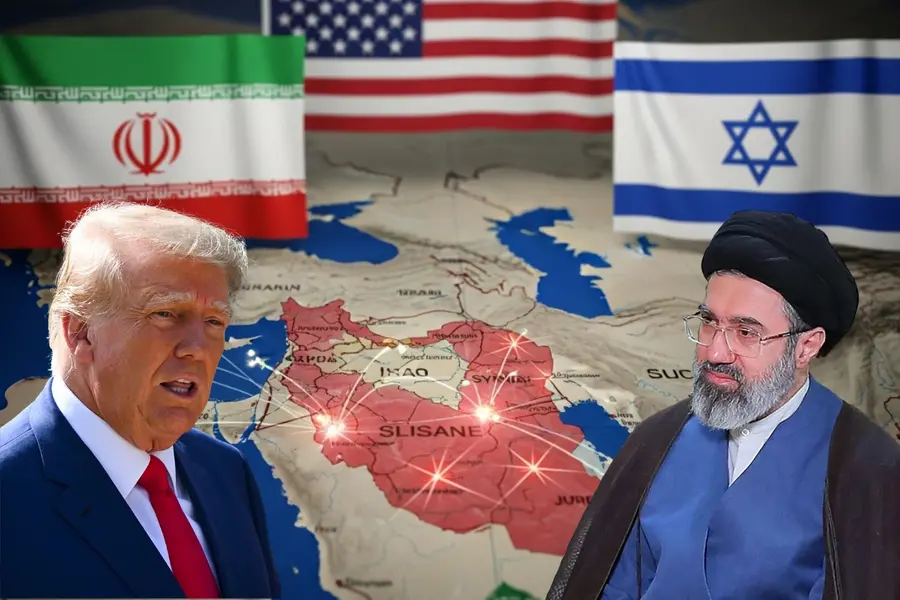
Iran has signalled openness to renewed negotiations with the United States as diplomatic efforts intensify alongside a fresh extension of the fragile ceasefire between Israel and Lebanon.
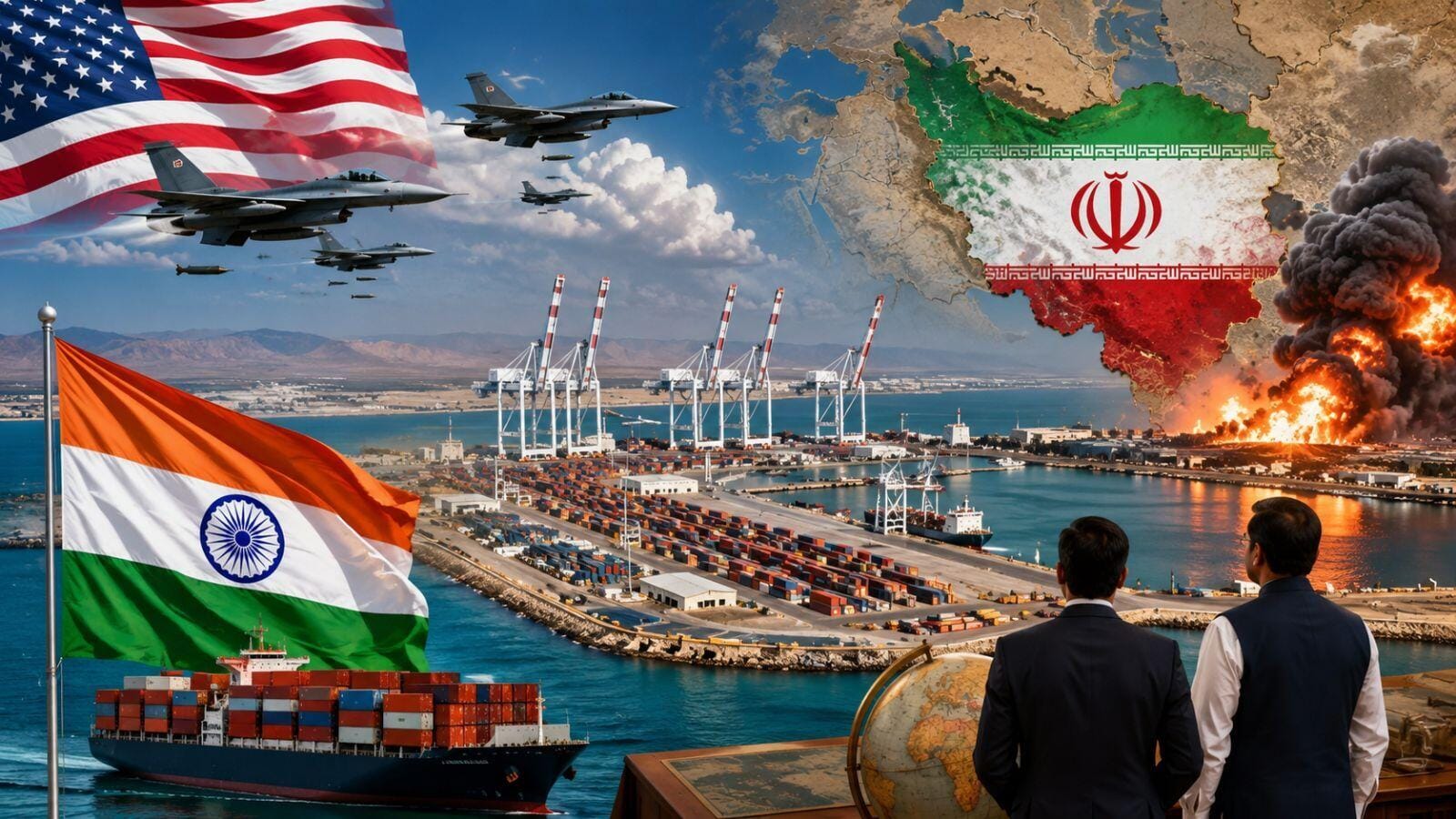
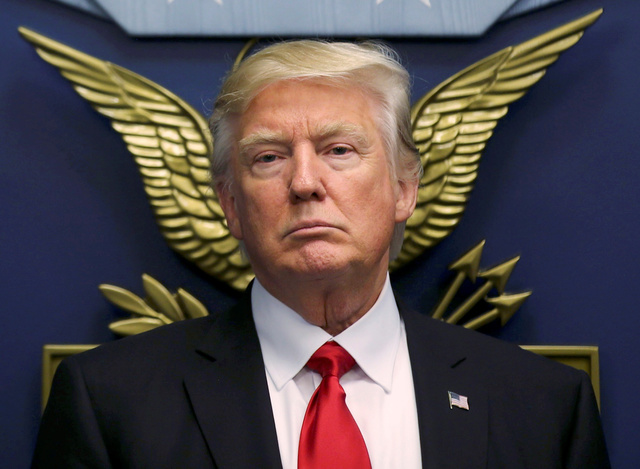
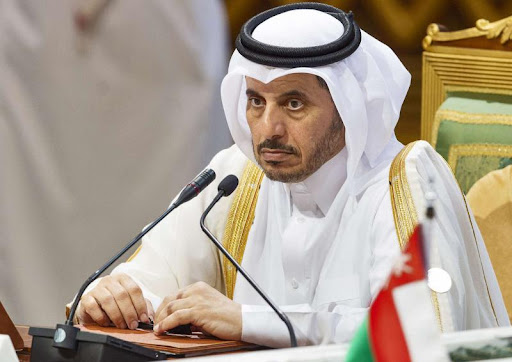
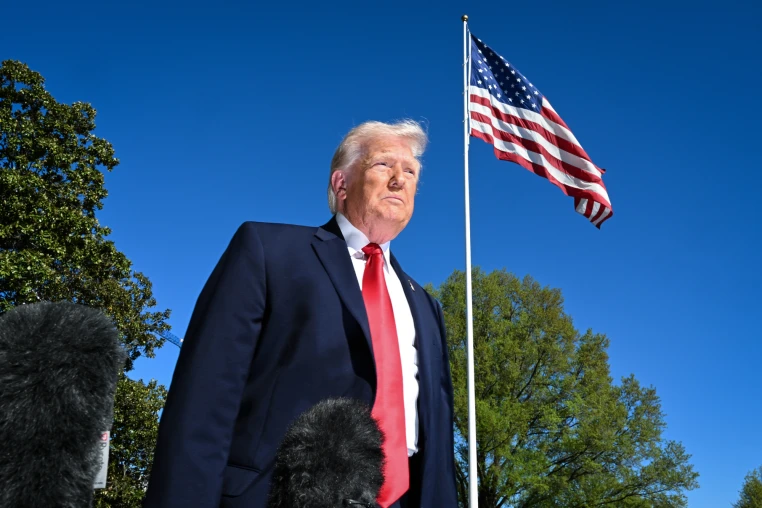
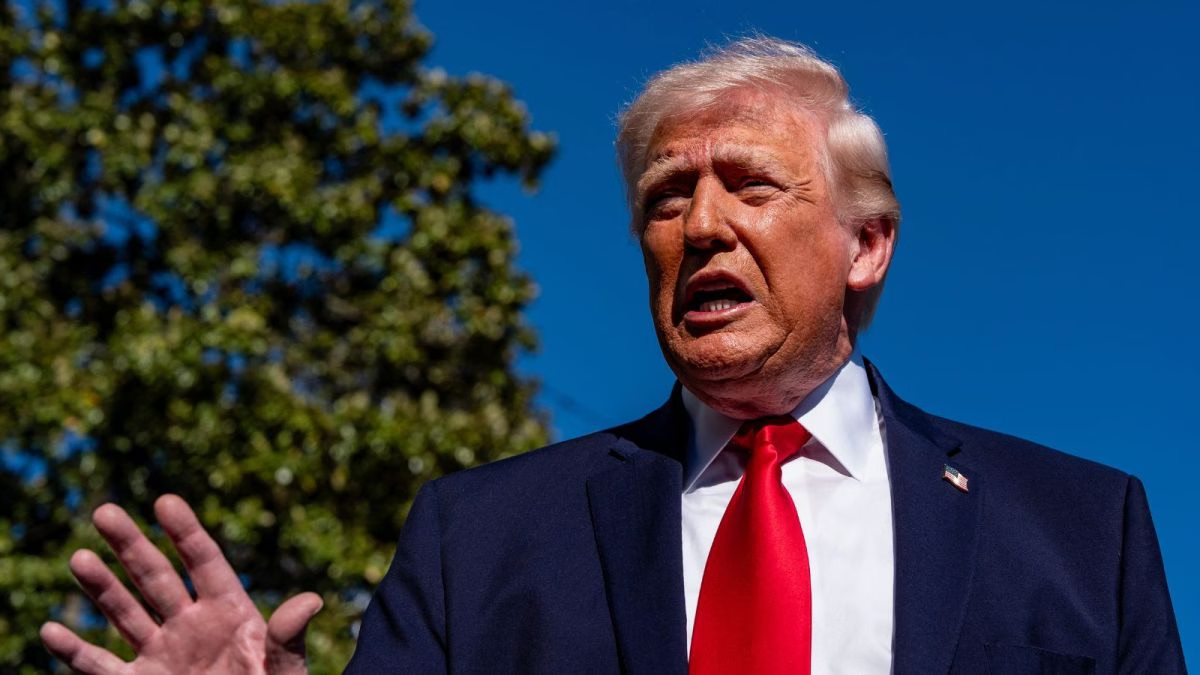
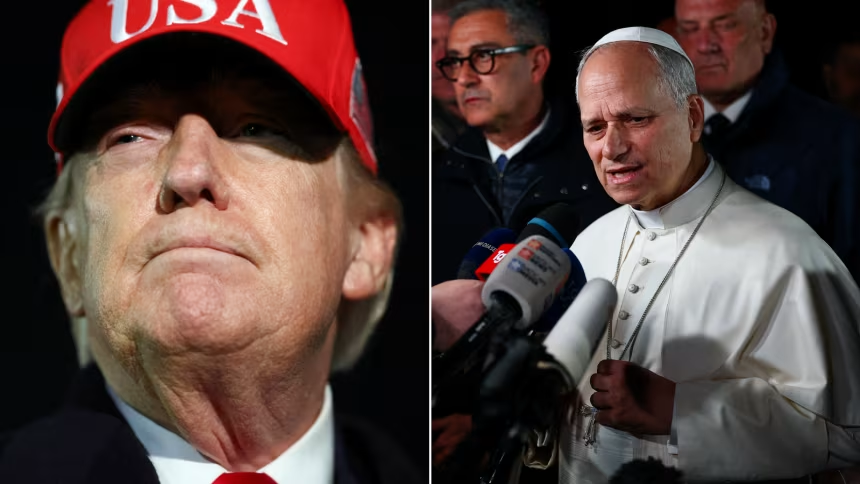
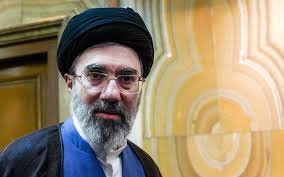
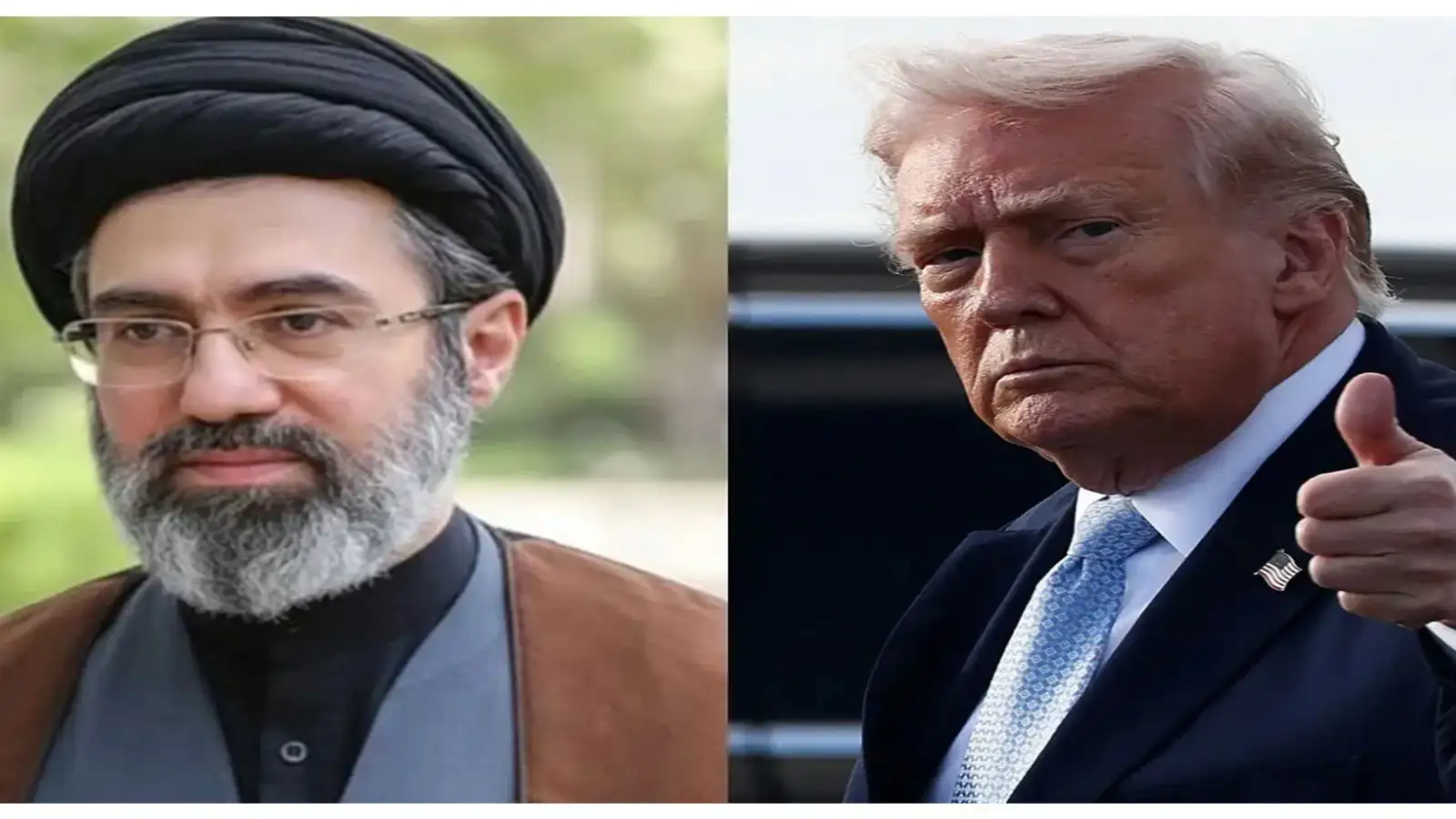
Iranian Foreign Minister Abbas Araghchi said during a BRICS meeting that Tehran had received messages from the administration of US President Donald Trump indicating willingness to continue talks aimed at ending the ongoing regional conflict.
However, Araghchi said major disagreements remain over Iran’s enriched nuclear material and the future of its nuclear programme.
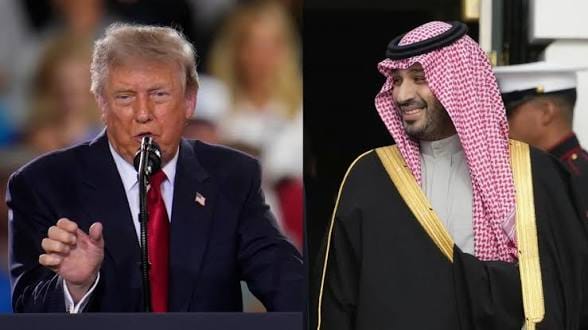
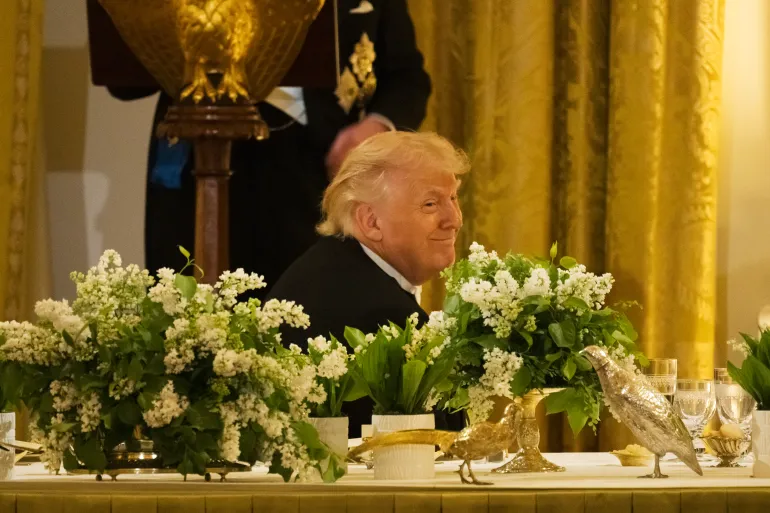
Trump also hinted that Washington could accept Iran temporarily suspending its civilian nuclear programme for up to two decades if Tehran demonstrates serious commitment to a broader agreement.
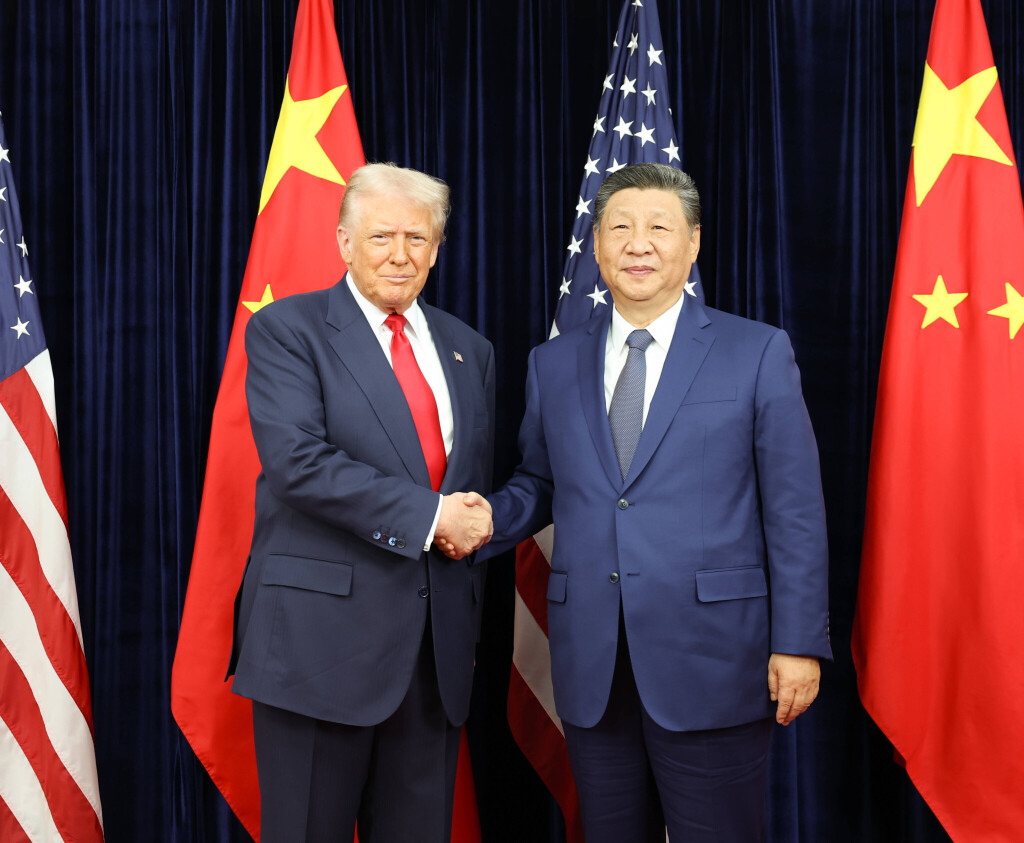
Iran said it would welcome support from countries such as China in facilitating future negotiations.
Meanwhile, Lebanon and Israel agreed to extend their ceasefire by another 45 days beyond the original deadline following mediation efforts in Washington.
The US State Department confirmed the extension, saying it would allow additional progress on security arrangements and stability efforts in southern Lebanon.
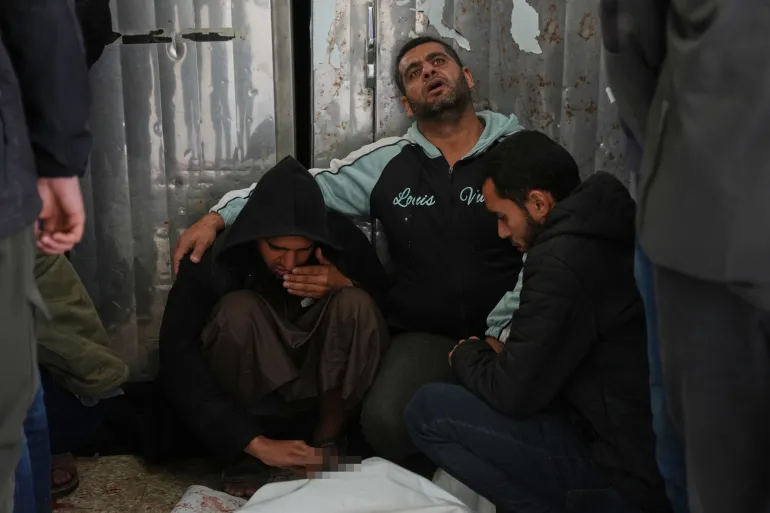
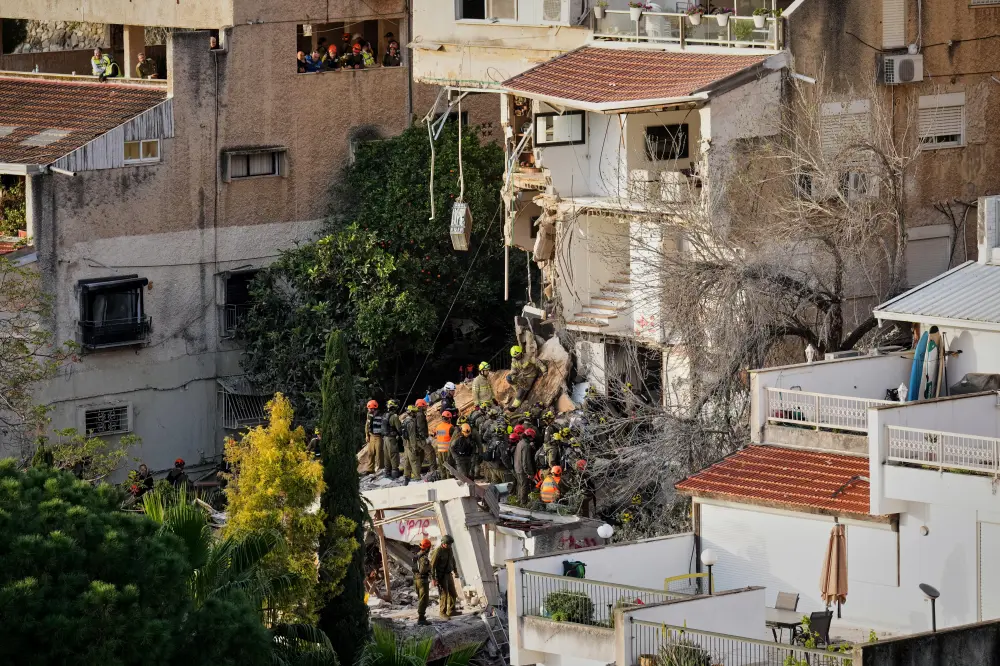
Despite the agreement, Israeli attacks continued across parts of southern Lebanon on Friday. Lebanese authorities said at least 12 people were killed, including three paramedics, during strikes on towns and villages.
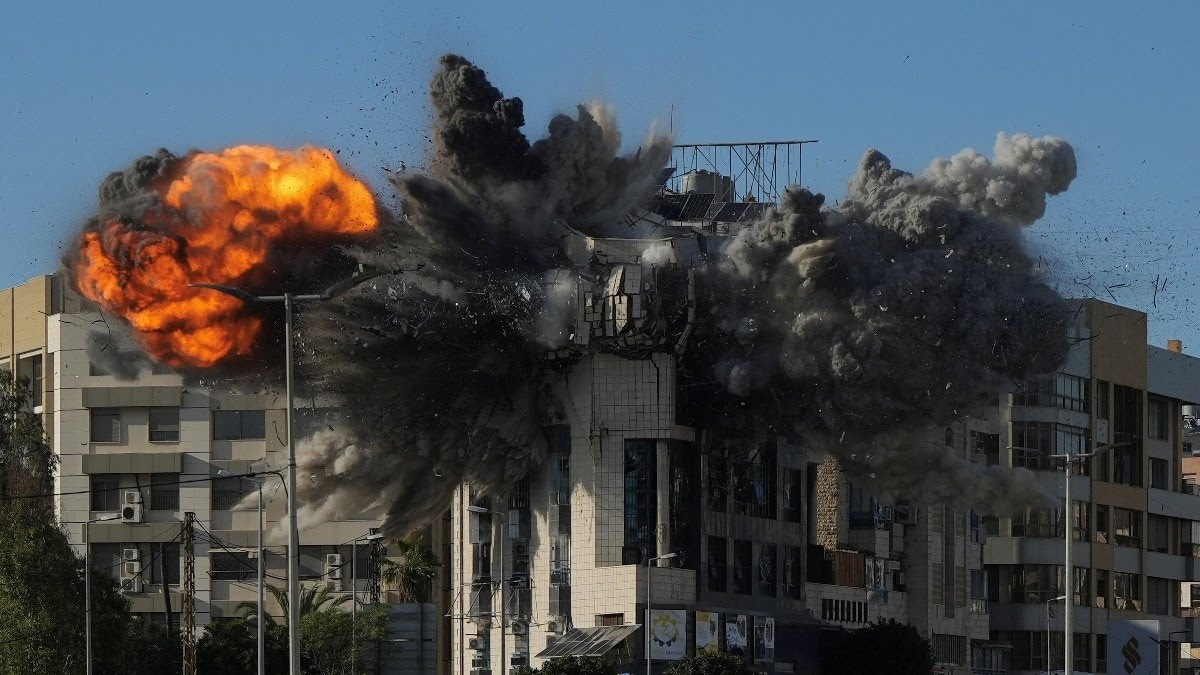
An Israeli air strike also hit a building in the southern Lebanese city of Tyre after evacuation warnings were issued to residents in multiple areas.
The Israeli military said it had killed more than 220 Hezbollah fighters during the past week and carried out strikes on over 440 targets in southern Lebanon.
Lebanon’s Health Ministry said nearly 3,000 people have been killed and thousands more wounded since renewed Israeli military operations began earlier this year.
Lebanese officials described the ceasefire extension and the creation of a US-facilitated security mechanism as a possible path towards longer-term stability.
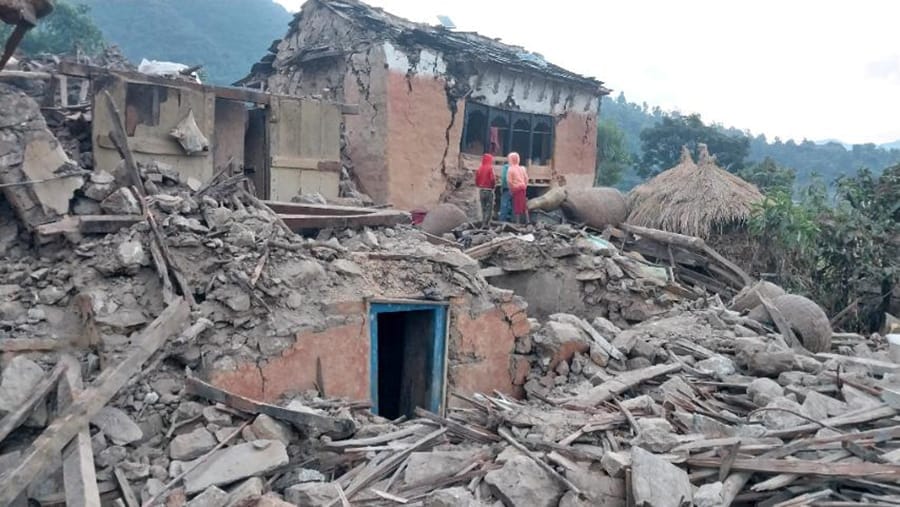
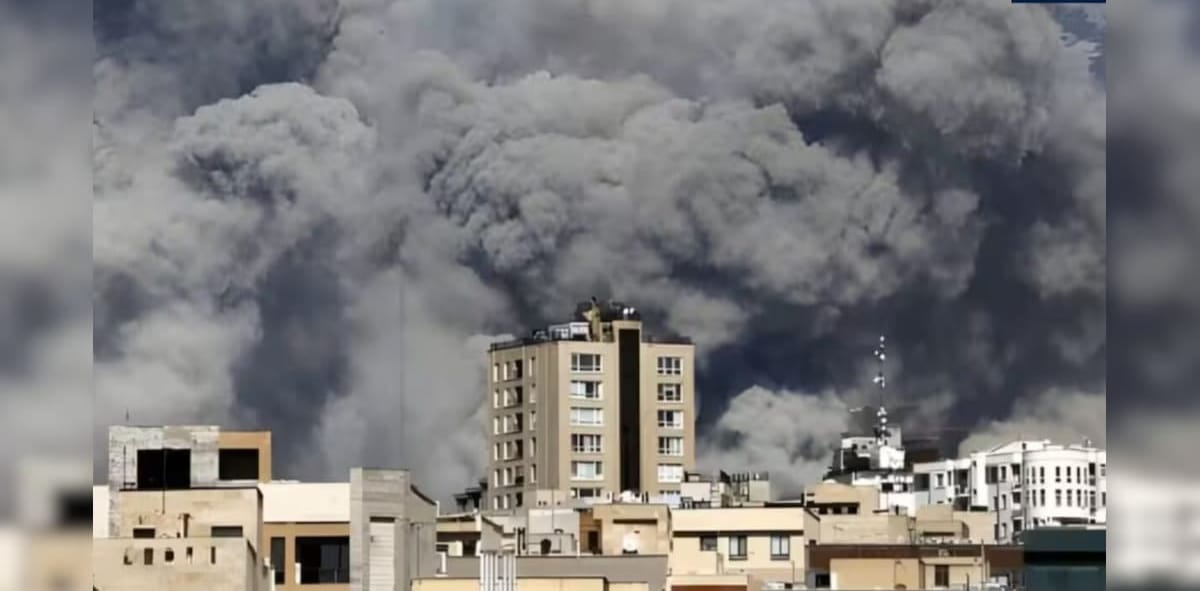
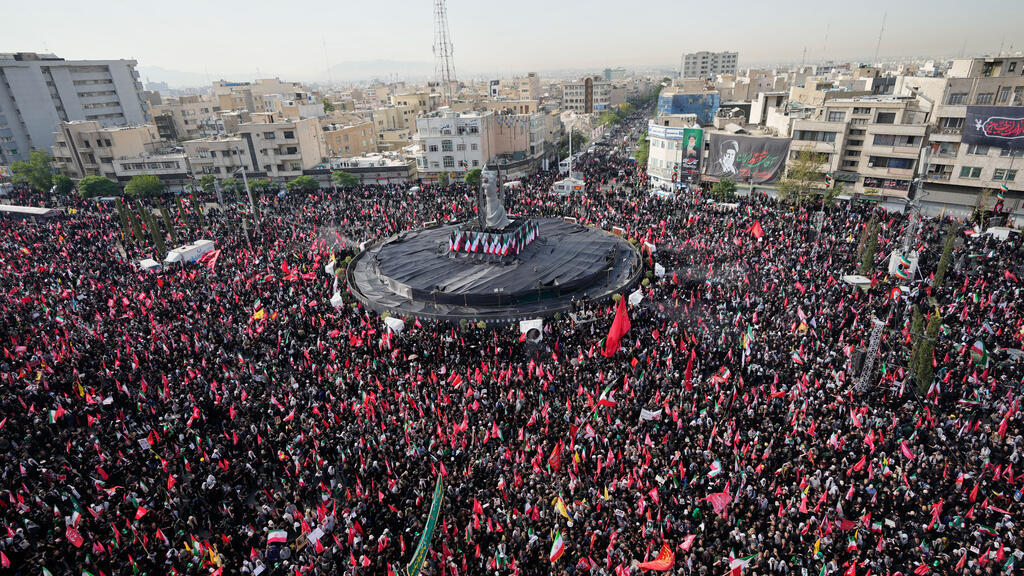
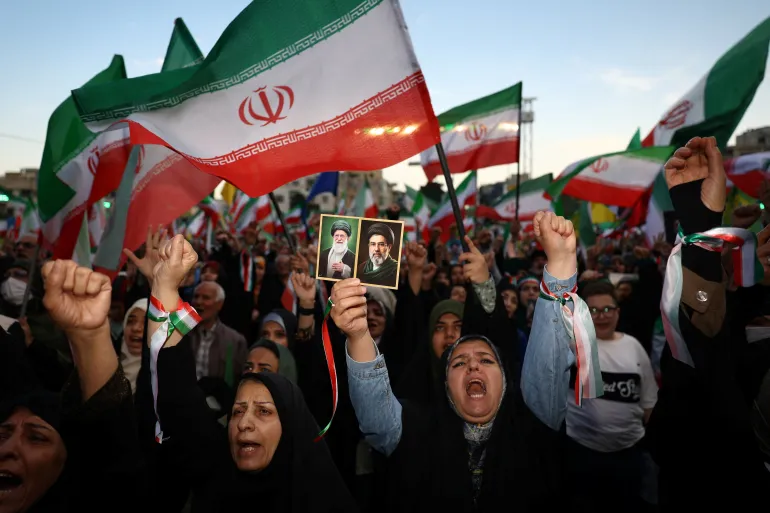
In Iran, authorities released new figures detailing the impact of recent attacks on Tehran, saying more than 1,260 people had been killed and at least 2,800 injured in strikes linked to the ongoing conflict.
Officials also reported widespread destruction across the capital, including damage to tens of thousands of homes and vehicles.
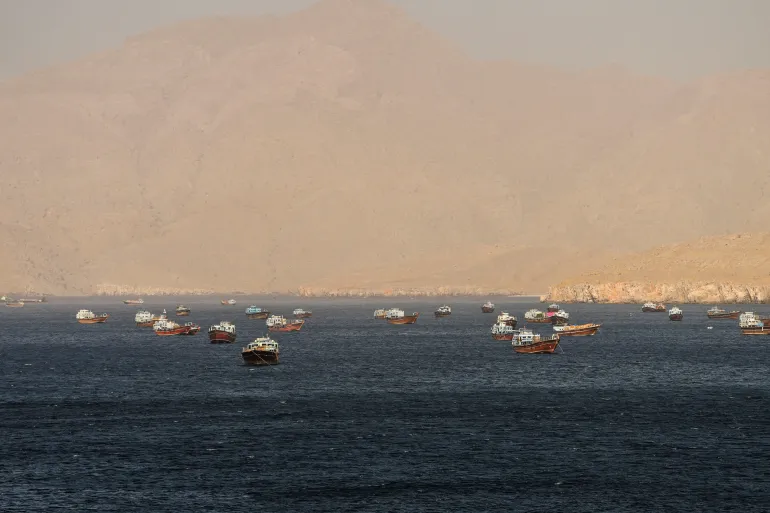
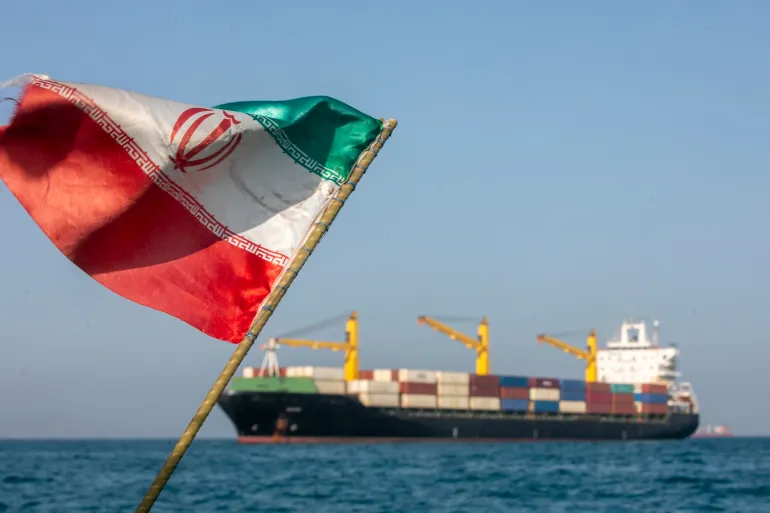
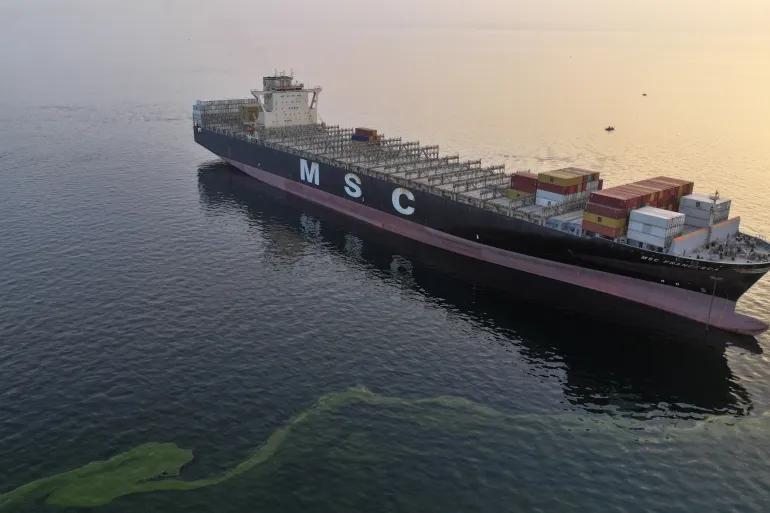
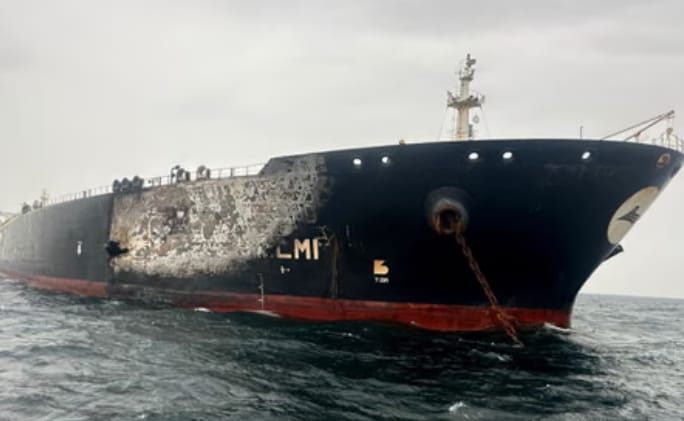
Iranian state media said more ships are now being allowed to pass through the Strait of Hormuz after several countries accepted new legal protocols introduced by Tehran.
At the United Nations, China signalled likely opposition to a proposed US-backed Security Council resolution concerning freedom of navigation through the Strait of Hormuz, criticising the timing and content of the measure.
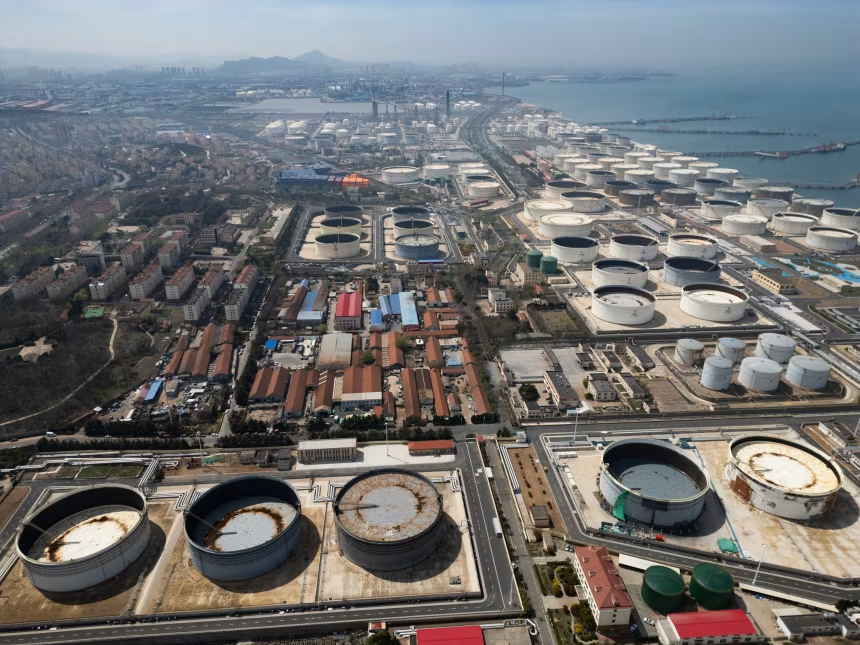
Elsewhere, the United Arab Emirates announced plans to accelerate construction of a new oil pipeline designed to bypass the Strait of Hormuz and expand export capacity outside the strategically sensitive waterway.
In the United States, prosecutors charged an alleged senior commander linked to the Iran-backed Kataib Hezbollah group over accusations tied to attacks in Europe and Canada.
The latest diplomatic activity comes as regional powers continue efforts to prevent further escalation while negotiations over Iran’s nuclear programme remain deadlocked.






.jpg)
.jpg)
-1782103217151_v.webp)






.jpg)
.jpg)
.jpg)
.jpg)
.jpg)
.jpg)