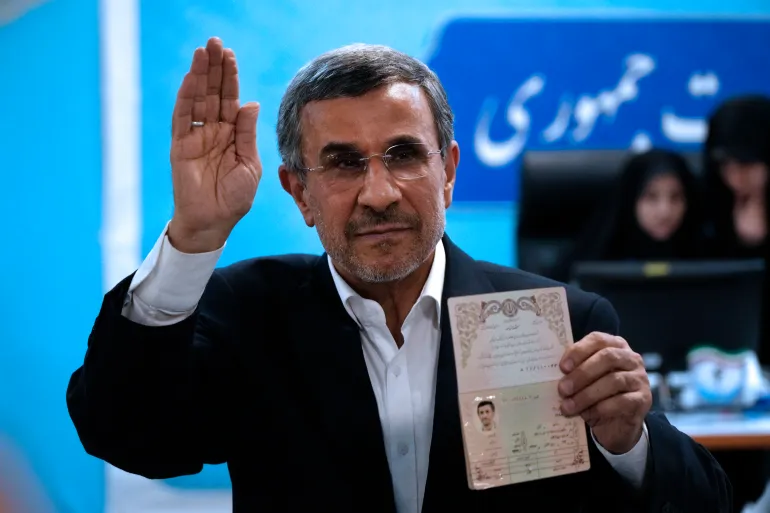




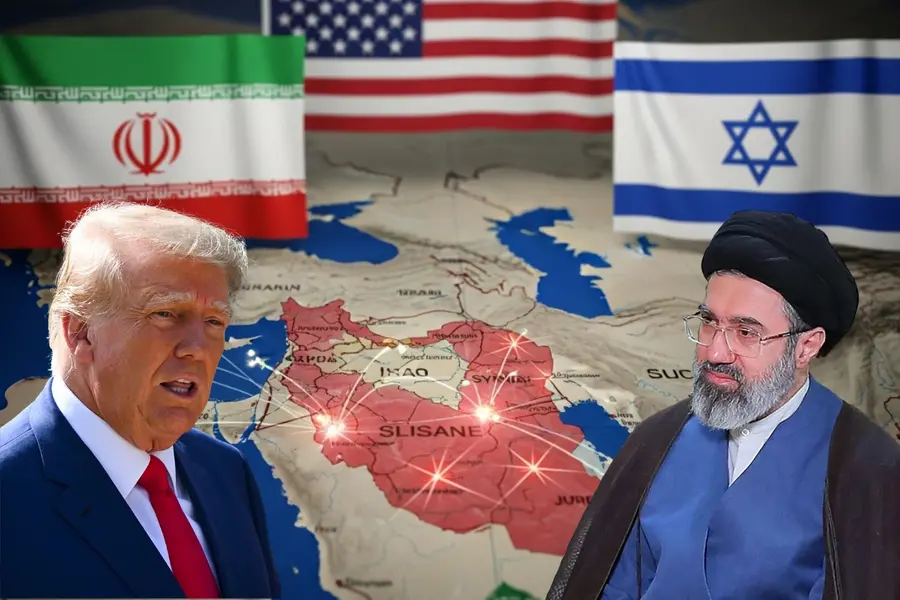
The United States and Israel reportedly explored a plan to install former Iranian President Mahmoud Ahmadinejad as Iran’s new leader during the early stages of the war, according to multiple media reports citing American officials.
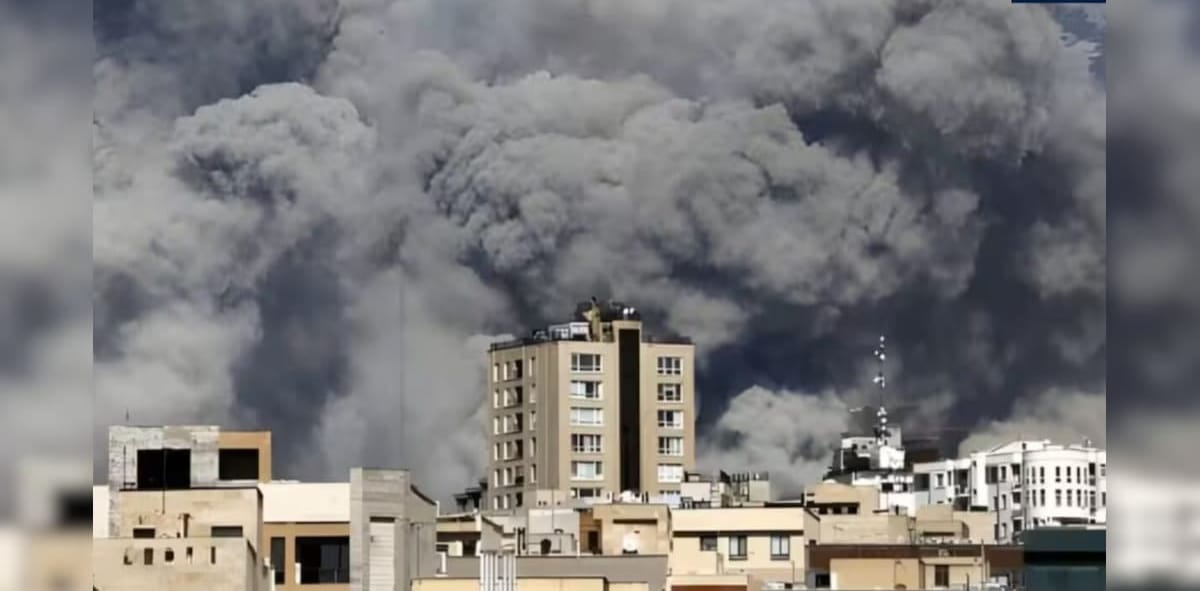
The reports claimed the strategy emerged after major strikes targeted Iran’s top leadership, creating what officials believed could become an opportunity for regime change in Tehran.
Ahmadinejad, who served as Iran’s president from 2005 to 2013, was known globally for his hardline anti-Western and anti-Israel positions. Despite his past rhetoric, officials reportedly viewed him as a possible transitional figure because of his growing differences with Iran’s ruling establishment in recent years.
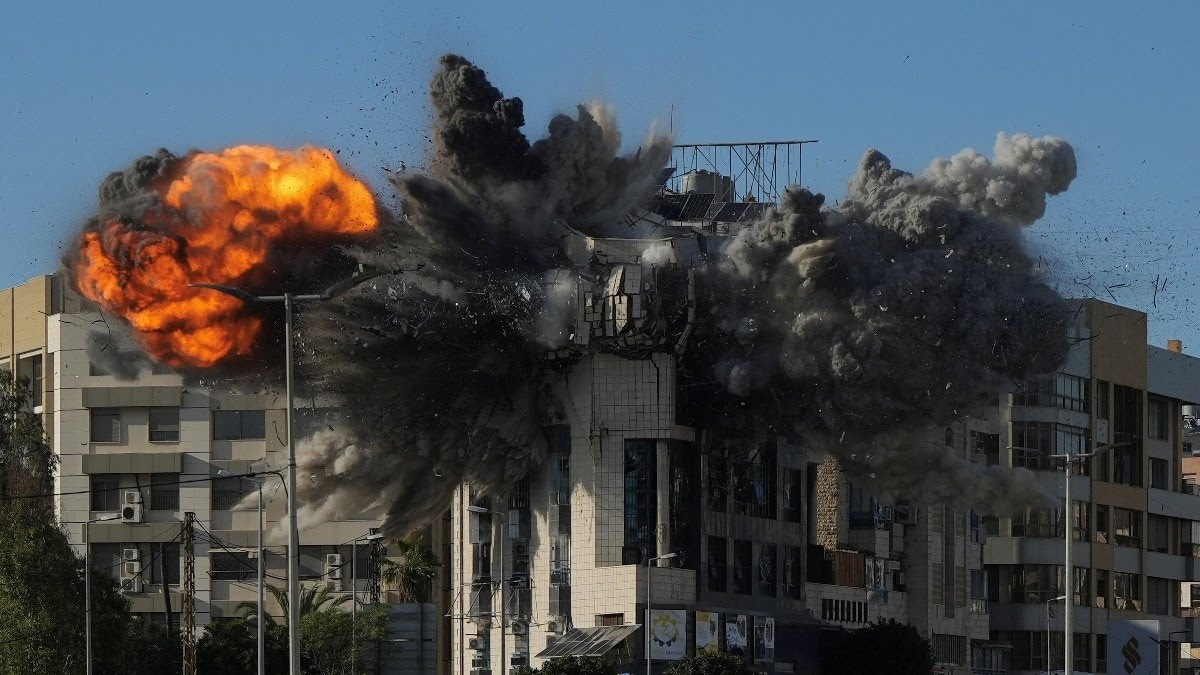
According to the reports, Ahmadinejad had allegedly been consulted during discussions surrounding postwar political plans. Sources also claimed that an Israeli strike targeting his residence in Tehran was intended to help free him from house arrest during the opening days of the conflict.
The former president was reportedly injured in the strike but survived. Following the incident, he allegedly became disillusioned with the proposed regime-change plan and stopped cooperating. His current whereabouts remain unclear.
The reports further stated that some officials believed Ahmadinejad could manage Iran’s political and military situation during a transitional phase despite skepticism within parts of the Israeli and American security establishments.
Ahmadinejad had increasingly clashed with Iran’s ruling leadership after leaving office, accusing officials of corruption and political suppression. Over the years, he was barred from several elections, while many of his associates faced arrests and investigations.
Neither Washington nor Tel Aviv has officially confirmed the reported plans.







.jpg)
.jpg)


-1782103217151_v.webp)


































.jpg)
.jpg)
.jpg)
.jpg)
.jpg)
.jpg)