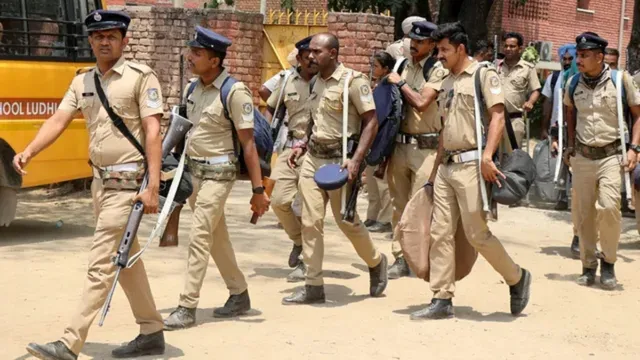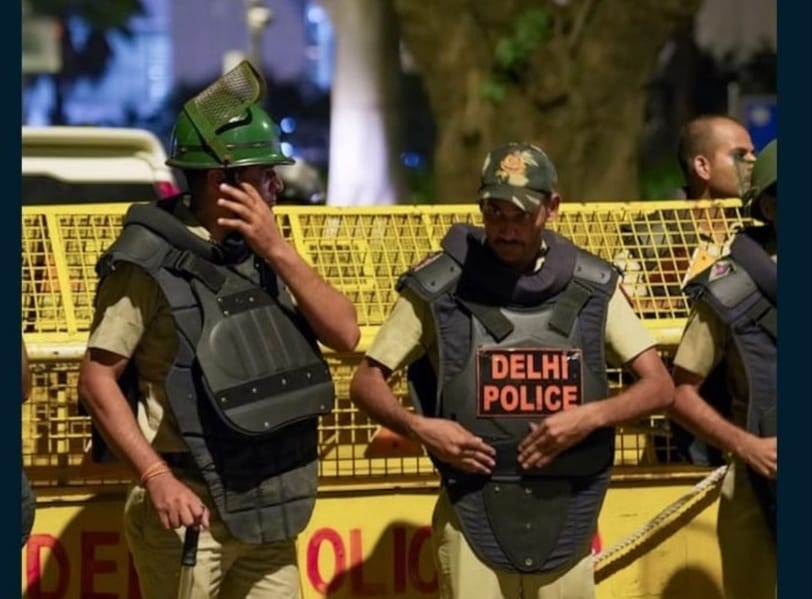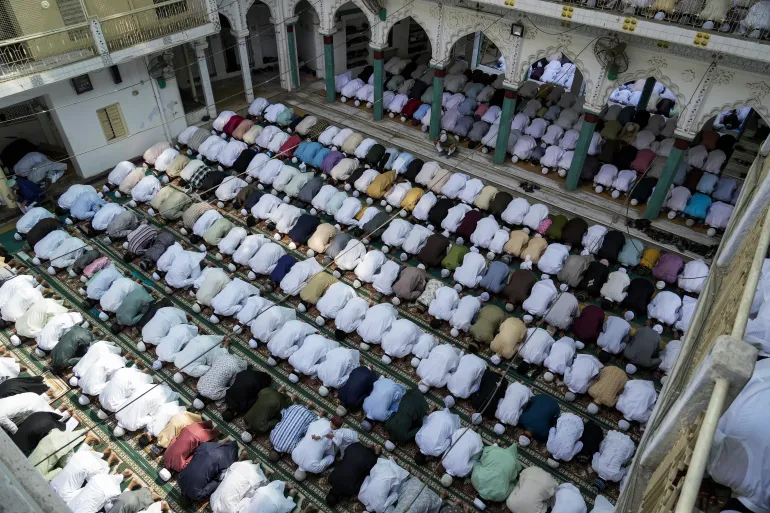



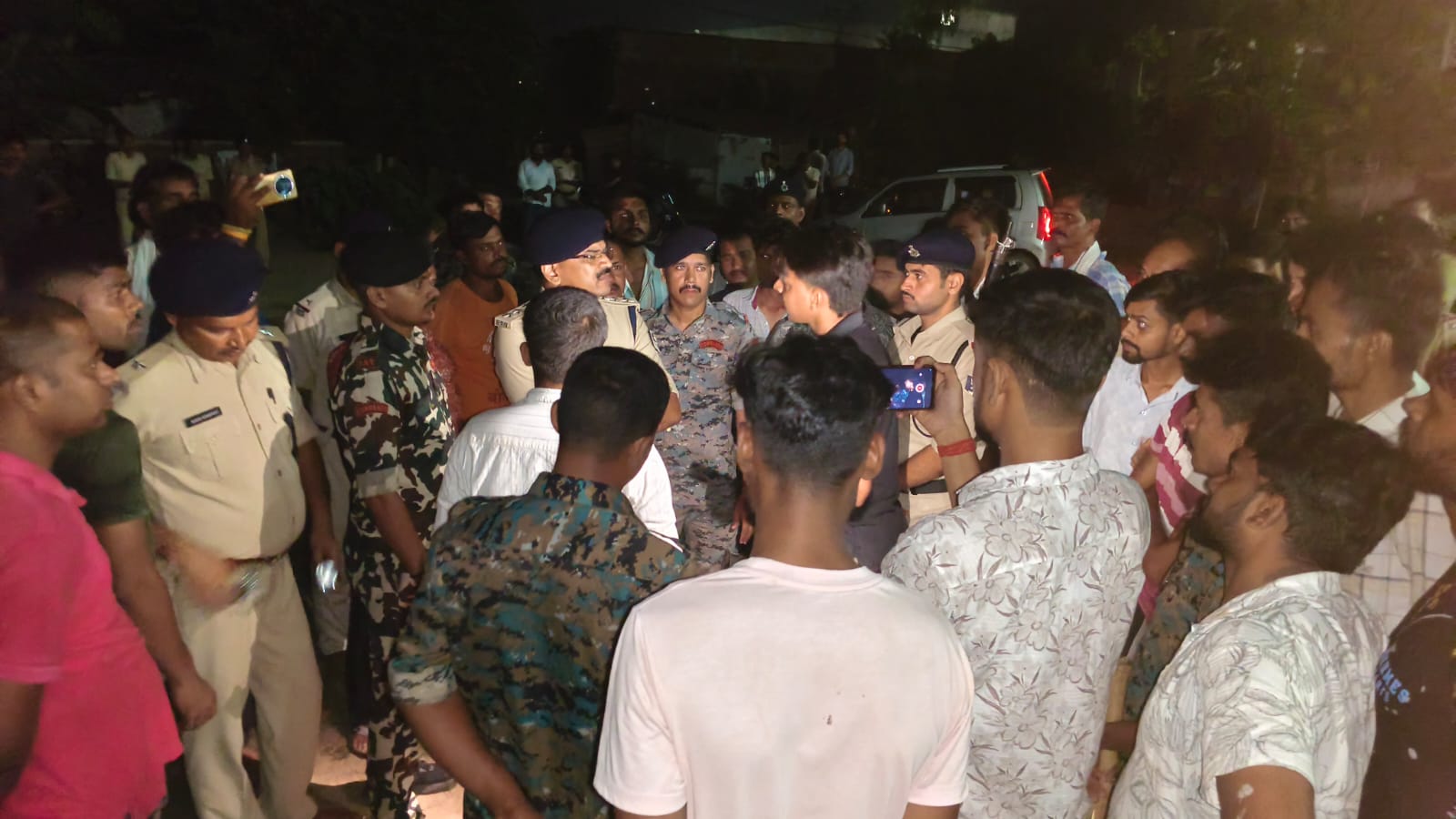
In several districts of Uttar Pradesh, including Meerut, Muslim communities are adjusting Eid al-Adha prayer arrangements amid growing restrictions on public gatherings. Mosque committees have been instructed to organize prayers in shifts and manage crowd sizes, while local authorities have issued advisories aimed at maintaining public order.
Inside small mosques, community members are discussing logistics such as prayer timings, entry control, and dispersal plans rather than festive preparations. Many residents say they are following police guidance closely, with some relying on official advisories circulating through messaging platforms.
Community members describe a growing sense of caution. Over the years, public prayers in open spaces have become increasingly sensitive, with disputes over permissions and usage of roads or public grounds. Authorities have at times discouraged or restricted large gatherings, citing traffic and security concerns.
Religious leaders and residents say mosque spaces are often insufficient for large Eid congregations, especially in densely populated areas, leading to the traditional overflow of worshippers into nearby spaces. However, these practices are now more tightly regulated, with emphasis on prior coordination with authorities.
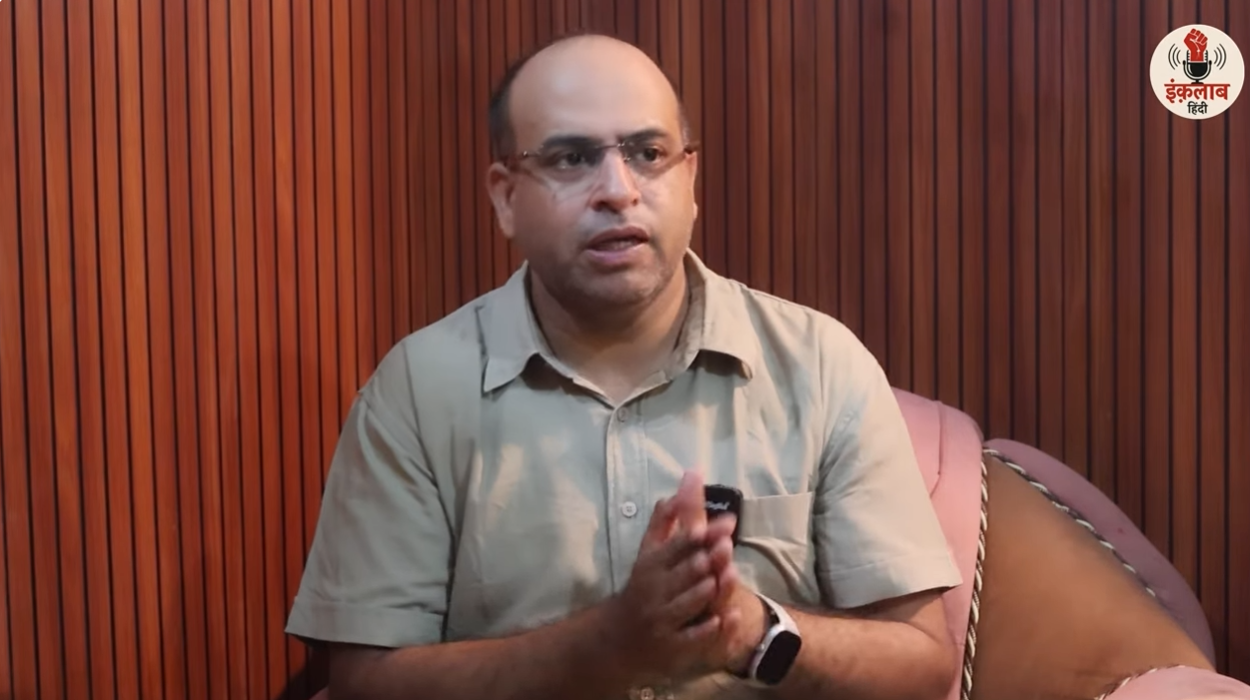
Residents and scholars note that this environment has contributed to anxiety among worshippers, with concerns extending beyond logistics to broader questions about visibility and public participation in religious events.
While officials maintain that measures are necessary for public safety and order, community members argue that the restrictions are reshaping how religious festivals are observed in public spaces, leading to a more cautious and controlled atmosphere during Eid.







.jpg)
.jpg)



.jpeg)
.jpeg)
.jpeg)


.jpeg)
.jpeg)
.jpeg)
.jpeg)
.jpeg)

.jpeg)

.jpeg)
.jpeg)




-1783504412913_v.webp)
.webp)
.jpeg)





.jpg)
.webp)


-1782968272532_v.webp)







-1782800857062_v.webp)




-1782462393026_v.webp)

.webp)


-1782369907240.jpg)

-1782358051137.jpg)







.jpg)