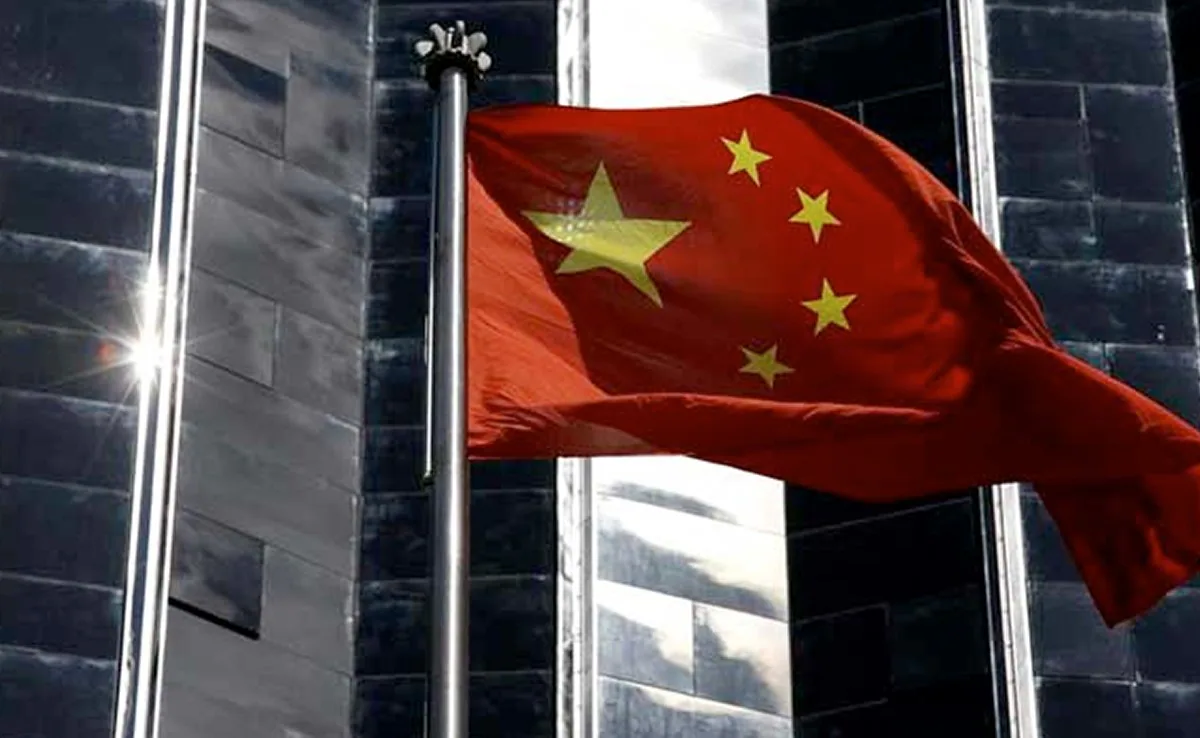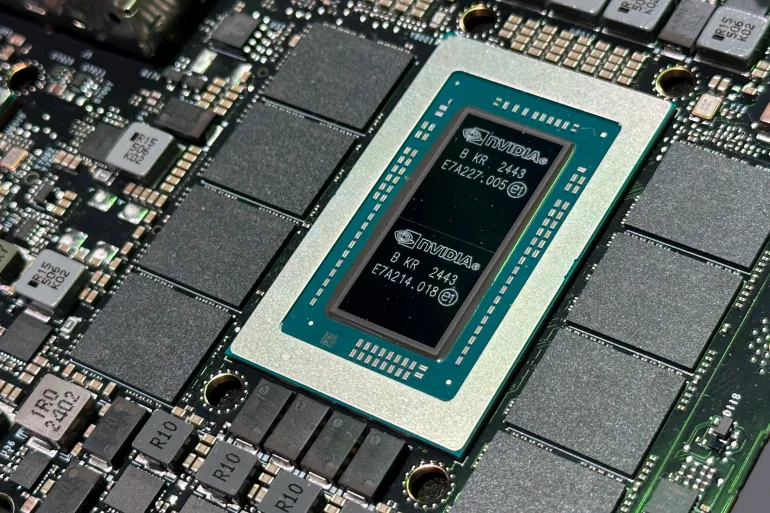


The United States has reaffirmed that its export restrictions on advanced artificial intelligence (AI) semiconductors apply not only within China but also to subsidiaries and affiliated companies of Chinese firms operating abroad.
The clarification was issued by the US Department of Commerce’s Bureau of Industry and Security (BIS), which stated that licensing requirements remain mandatory for businesses headquartered in China or owned by Chinese parent companies, regardless of their location.
The move comes amid concerns that Chinese firms may have been accessing restricted technology through overseas branches, potentially bypassing existing export controls. US officials said the guidance aims to close potential loopholes and strengthen enforcement measures.
The policy follows the Trump administration’s decision to repeal the Biden-era Artificial Intelligence Diffusion Framework, which proposed a broader global licensing system for AI chip exports. While the framework was criticized by major technology companies for being overly restrictive, Washington has maintained strict controls on advanced chips destined for Chinese entities.
Nvidia, one of the world's leading AI chip manufacturers, welcomed the clarification, saying its current compliance and sales procedures already align with the updated guidance. Industry observers believe the latest move reflects the growing technological competition between the United States and China, particularly in artificial intelligence and semiconductor development.
The announcement highlights Washington’s ongoing efforts to protect sensitive technologies while limiting China's access to advanced computing capabilities.









.jpg)
.jpg)








.jpeg)
.jpeg)
.jpeg)




.jpeg)
.jpeg)
.jpeg)


.jpeg)

.jpeg)


.jpeg)




.jpeg)
.jpeg)







-1783504412913_v.webp)
.webp)

.jpeg)









.jpg)
.webp)






-1782968272532_v.webp)





-1782800857062_v.webp)









-1782462393026_v.webp)



.webp)



-1782369907240.jpg)


-1782358051137.jpg)

















.jpg)