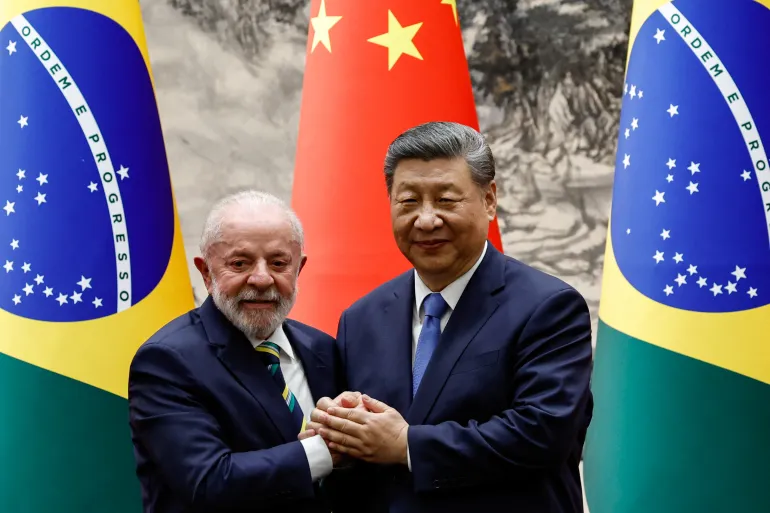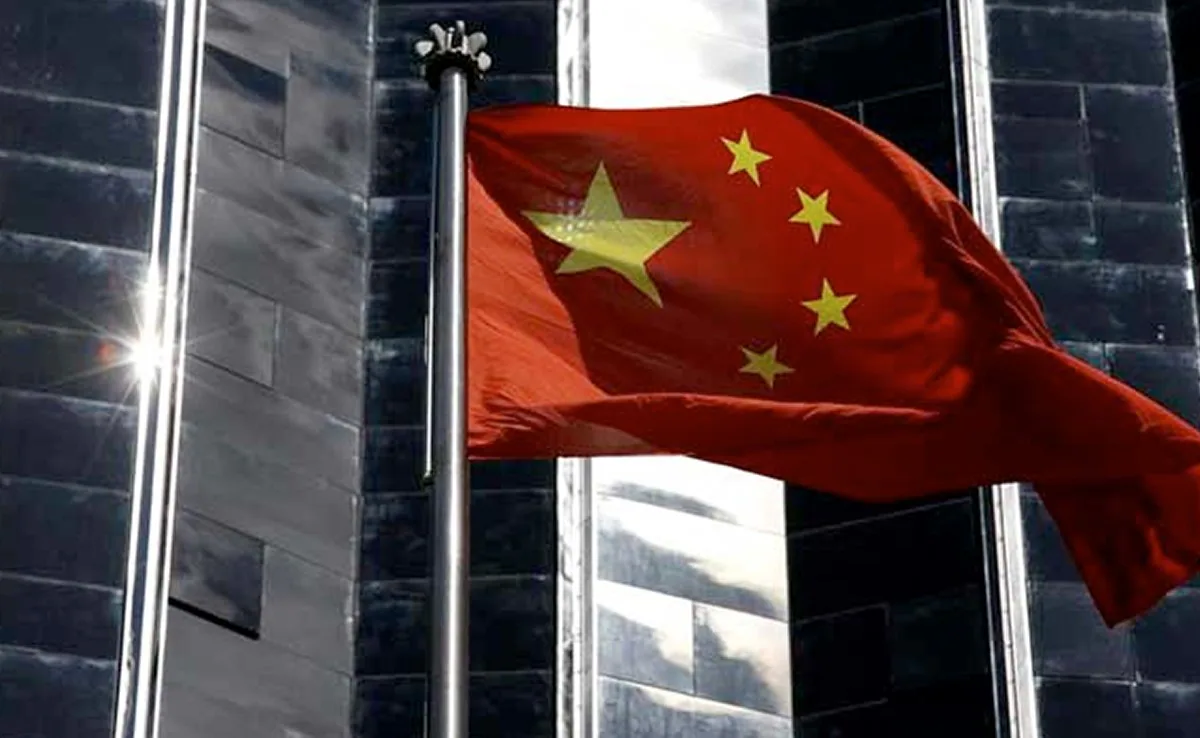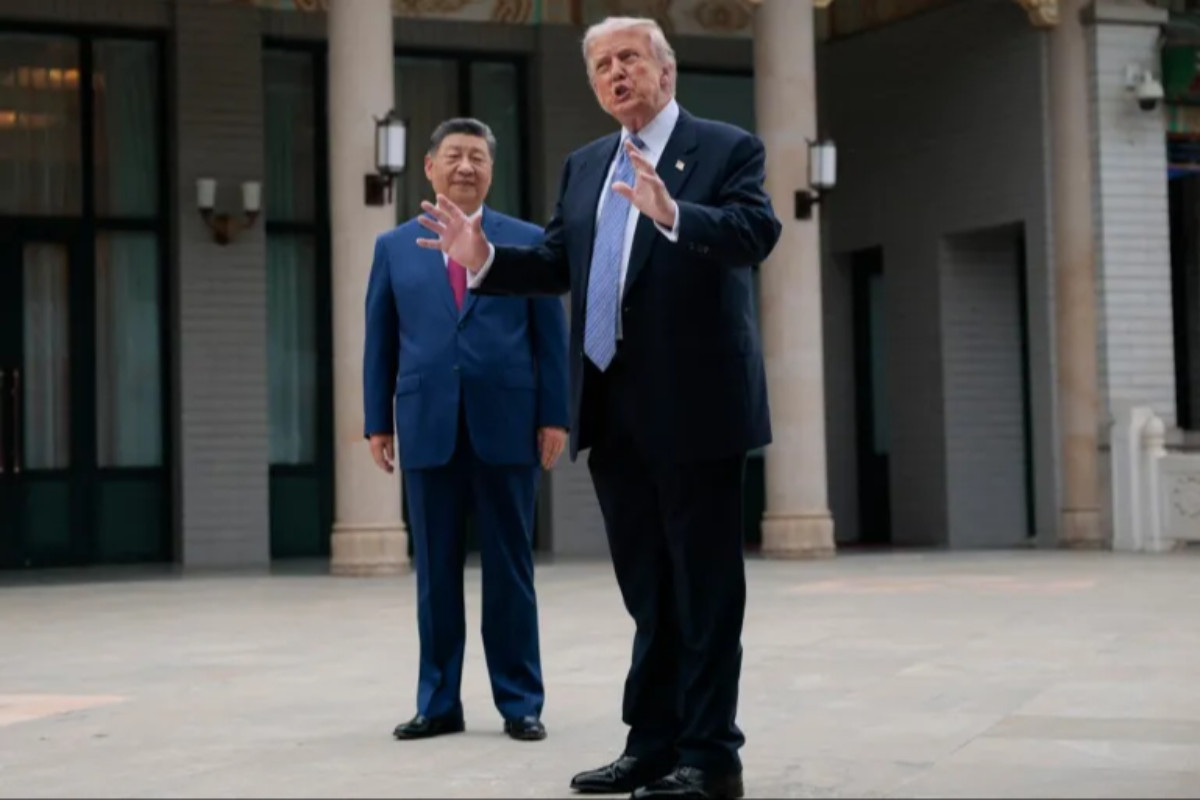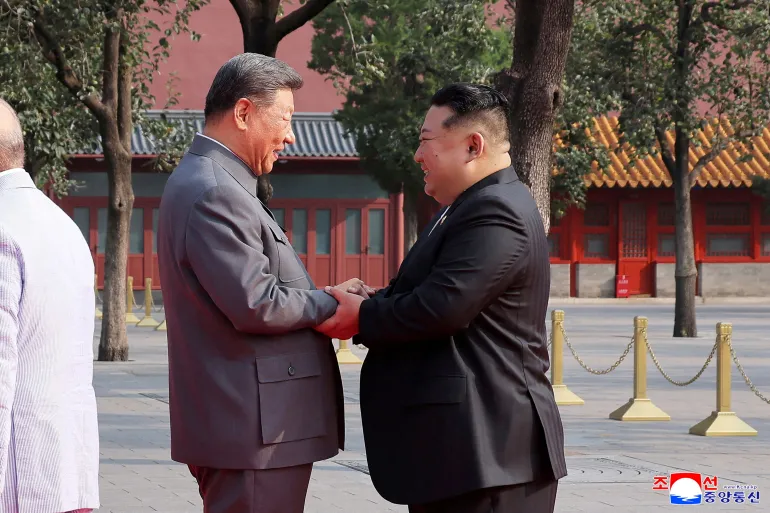




Chinese President Xi Jinping has arrived in North Korea for his first visit to Pyongyang in seven years, marking a significant moment in regional diplomacy and security relations.
While Xi and North Korean leader Kim Jong Un have met several times in recent years, analysts view the decision to travel to Pyongyang as particularly important. The visit comes at a time when North Korea is strengthening its military capabilities and expanding cooperation with Russia.
For decades, China has been North Korea’s most important economic and political partner. However, growing military and economic ties between Pyongyang and Moscow have altered regional dynamics, prompting Beijing to closely monitor developments.
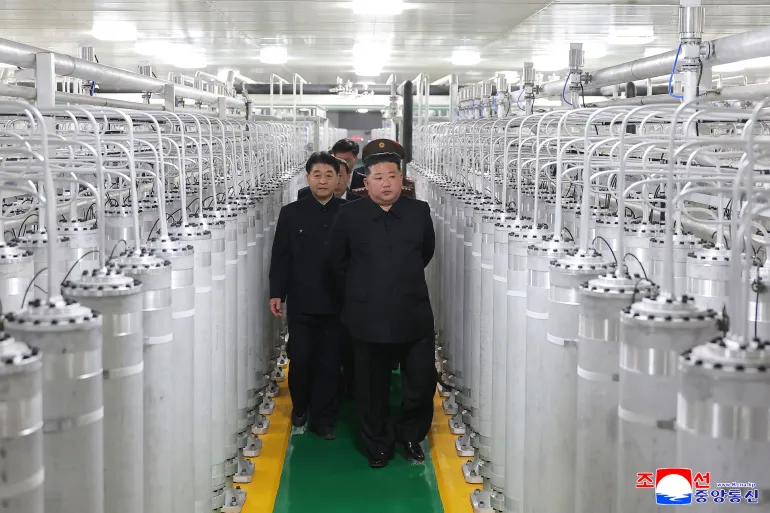
Recent reports indicate that North Korea has accelerated missile testing and advanced weapons programs. The country has also highlighted efforts to expand its nuclear capabilities, raising concerns among neighboring nations and the international community.
Observers believe Xi’s visit is aimed at reinforcing China’s influence in Pyongyang while ensuring regional stability. Beijing is reportedly concerned that rapid military developments on the Korean Peninsula could create new security challenges and increase tensions in East Asia.
The visit also comes amid changing geopolitical conditions, including closer cooperation between Russia and North Korea, as well as evolving security discussions involving South Korea, Japan, and the United States.
Regional governments are closely watching the outcome of the talks, hoping that China can play a constructive role in reducing tensions and encouraging dialogue on security issues.
Experts suggest the meeting could address military cooperation, economic ties, regional stability, and the future direction of diplomatic engagement in Northeast Asia.
As global attention remains focused on security developments in the region, Xi’s visit underscores the strategic importance of North Korea in the broader balance of power across East Asia.








.jpg)
.jpg)







.jpeg)
.jpeg)
.jpeg)




.jpeg)
.jpeg)
.jpeg)

.jpeg)

.jpeg)


.jpeg)


.jpeg)
.jpeg)







-1783504412913_v.webp)
.webp)

.jpeg)








.jpg)
.webp)






-1782968272532_v.webp)






-1782800857062_v.webp)






-1782462393026_v.webp)



.webp)



-1782369907240.jpg)

-1782358051137.jpg)














.jpg)