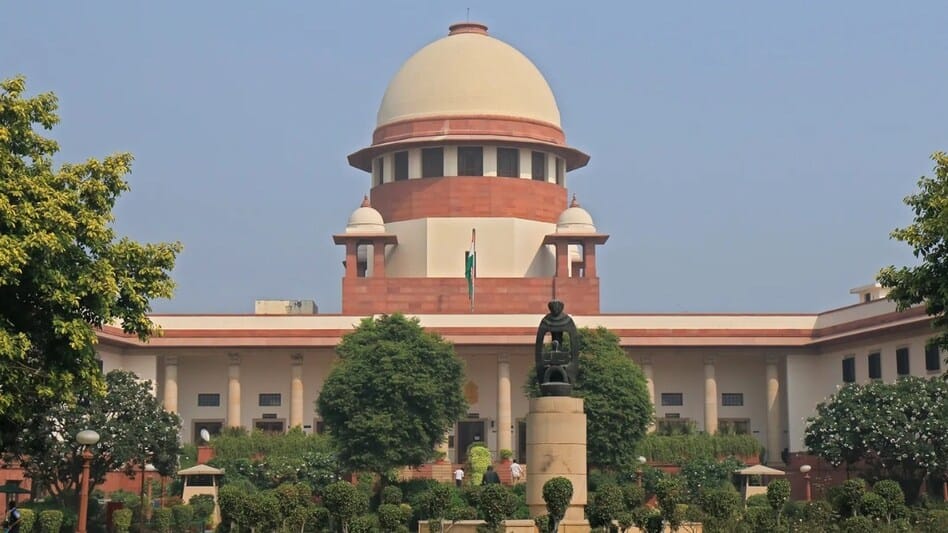

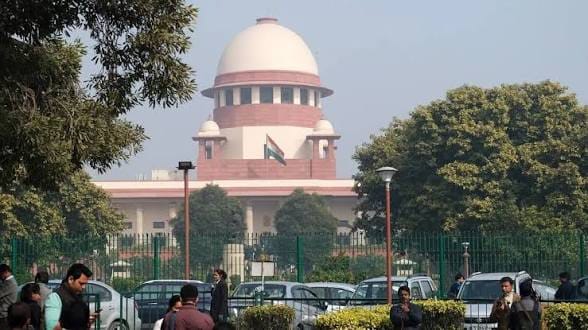
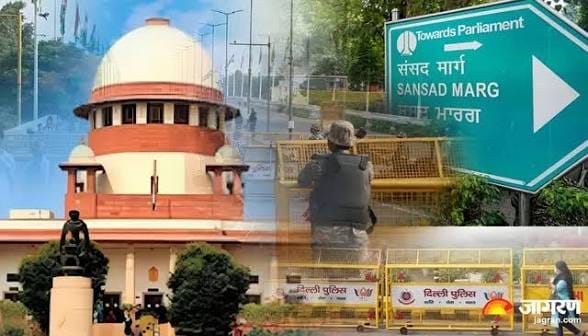
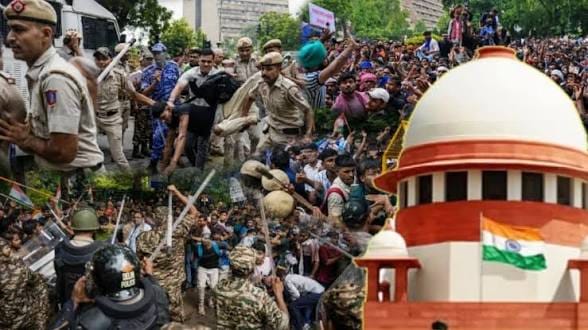
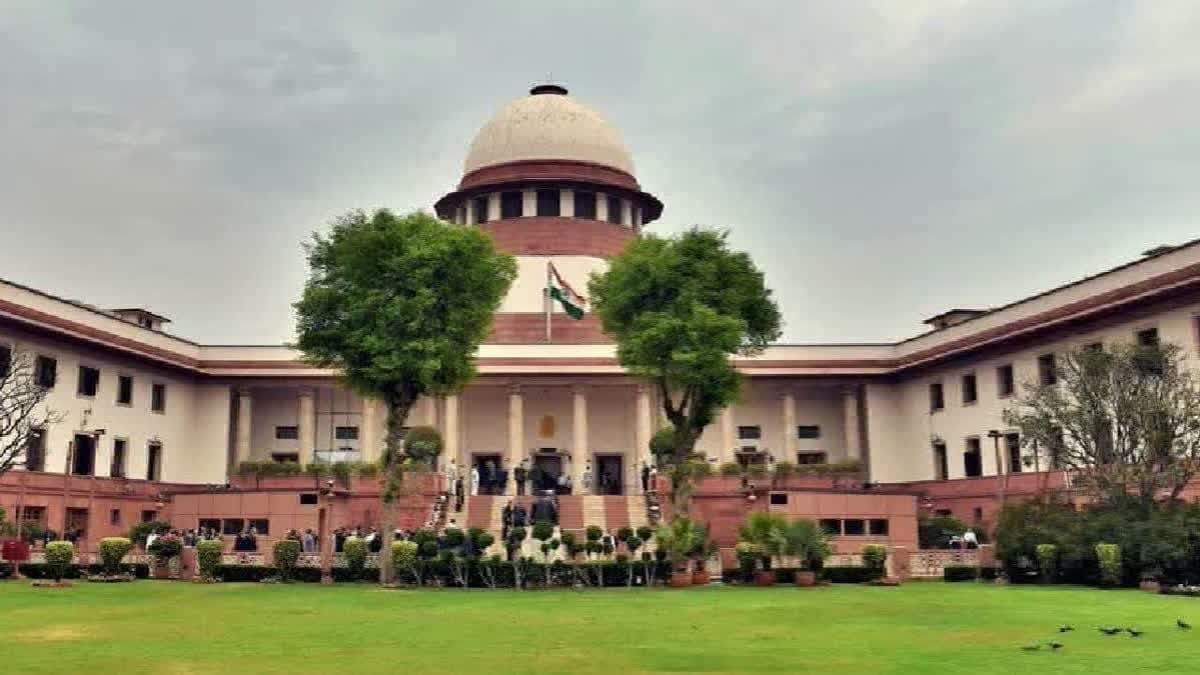
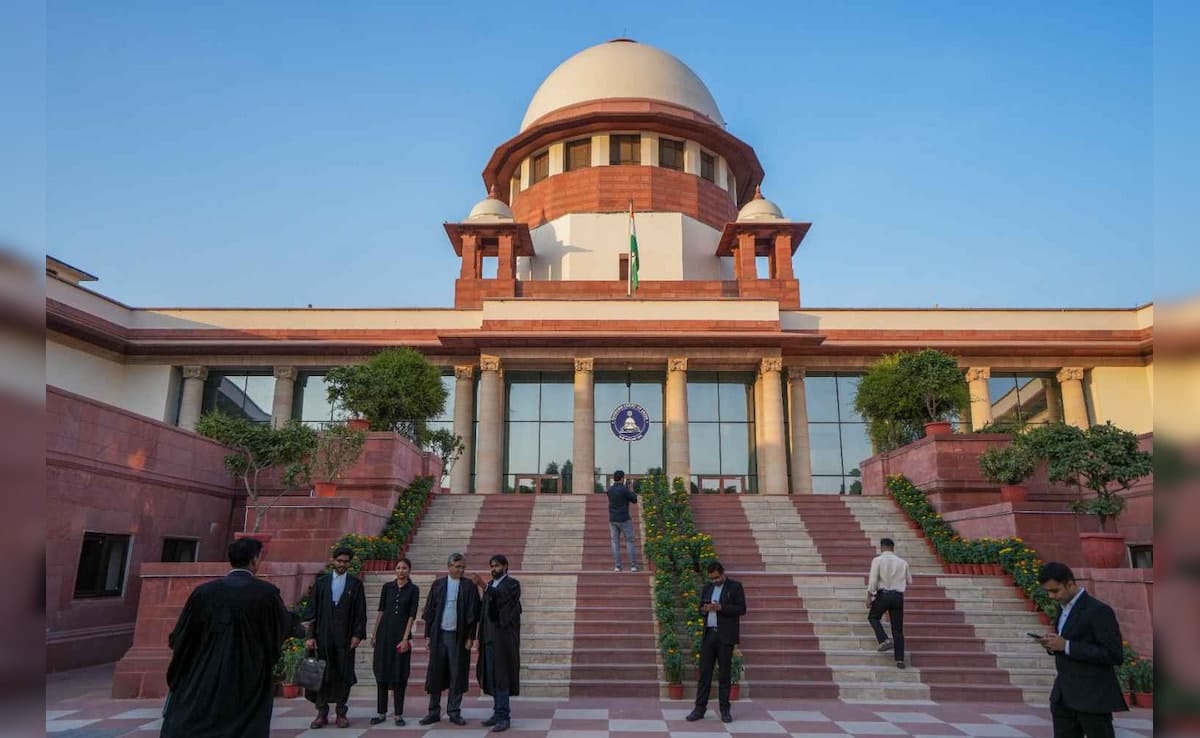
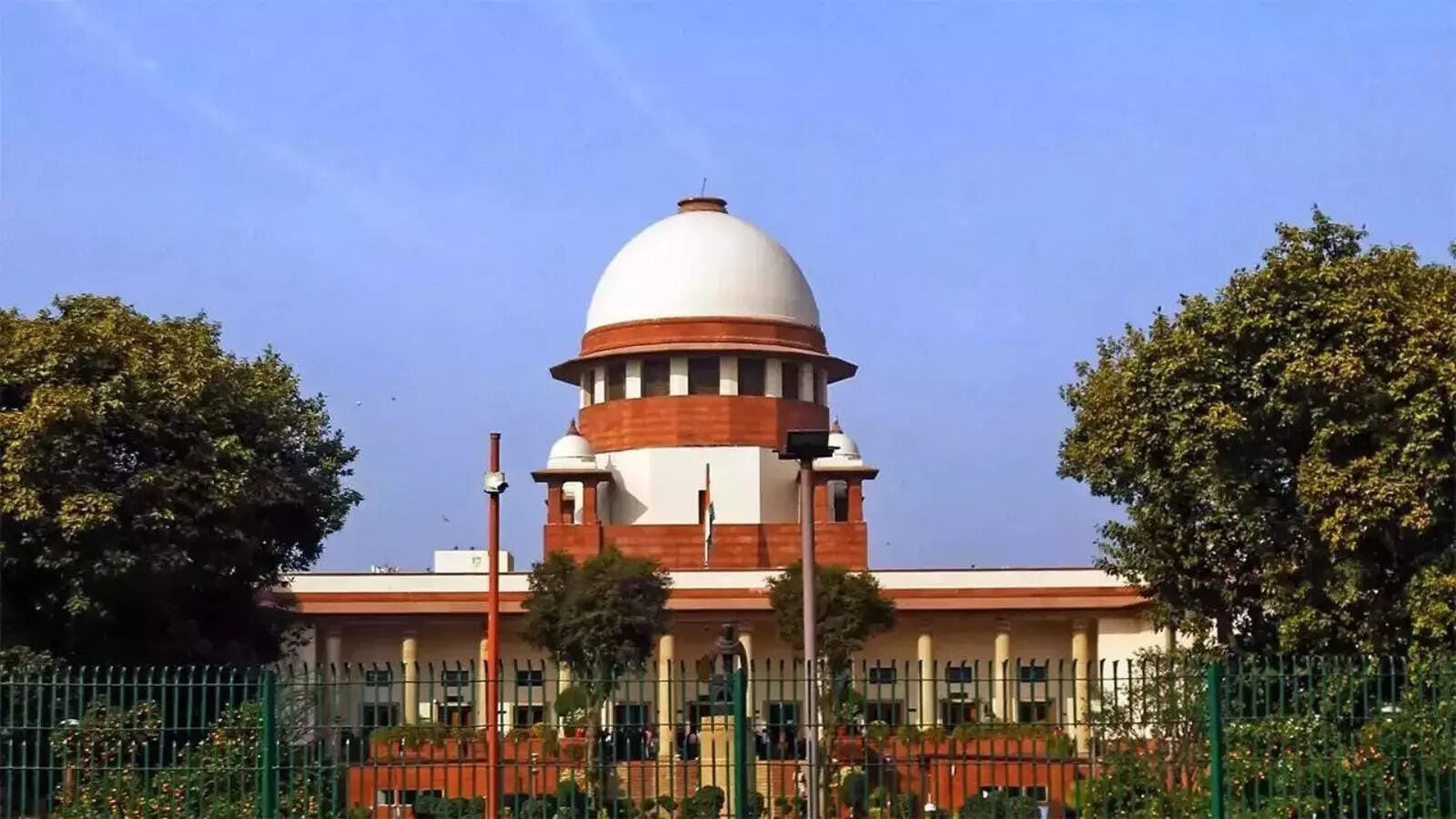
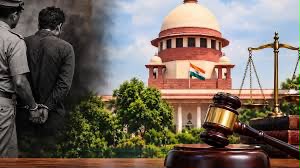
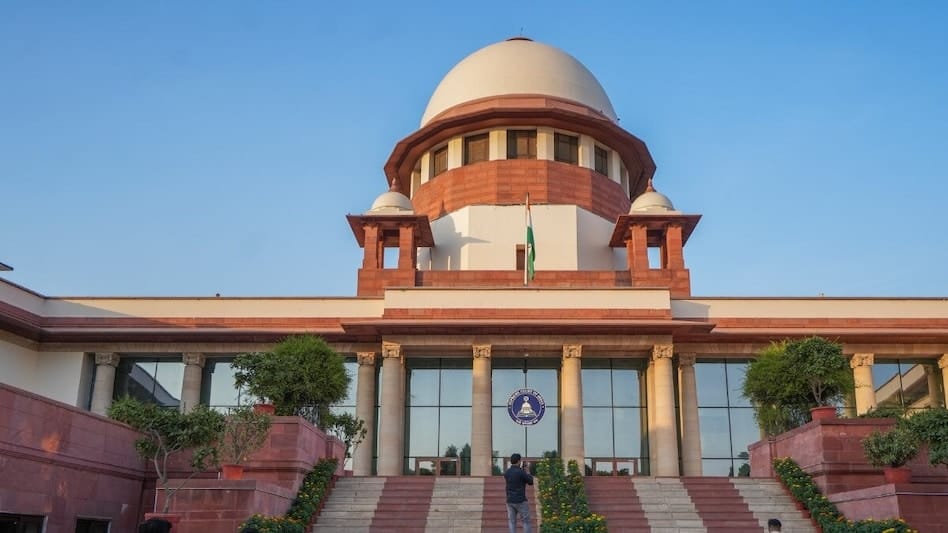
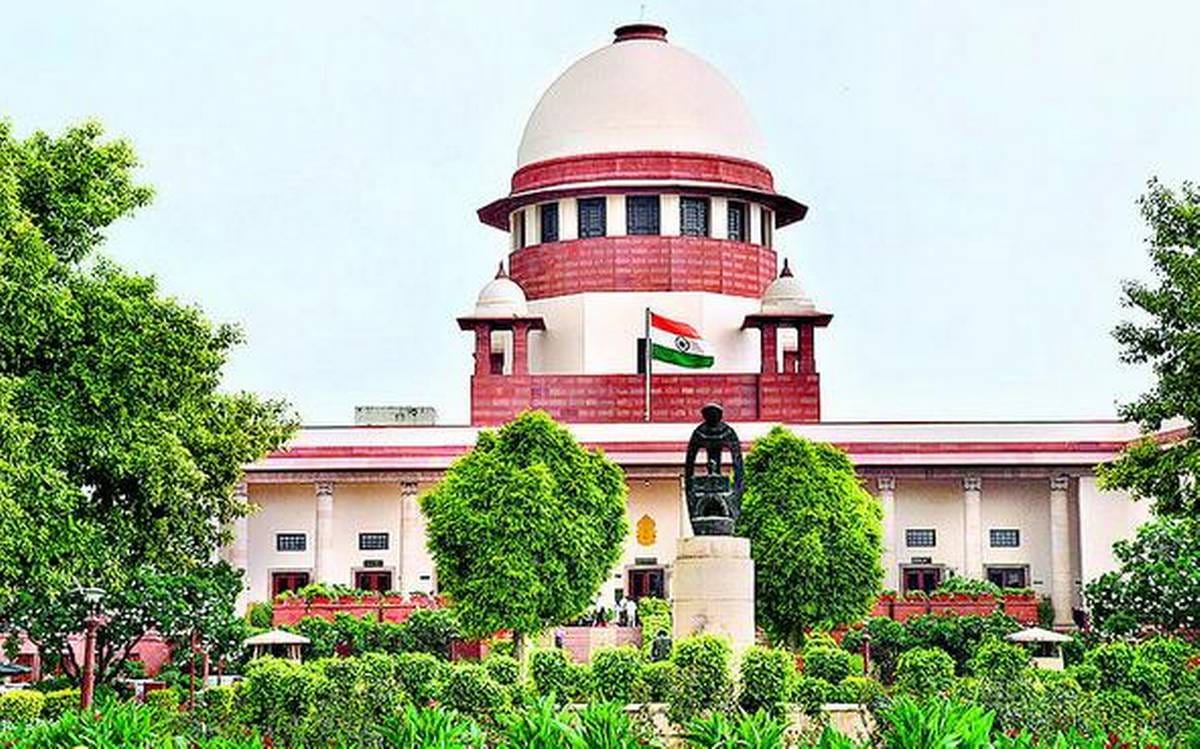
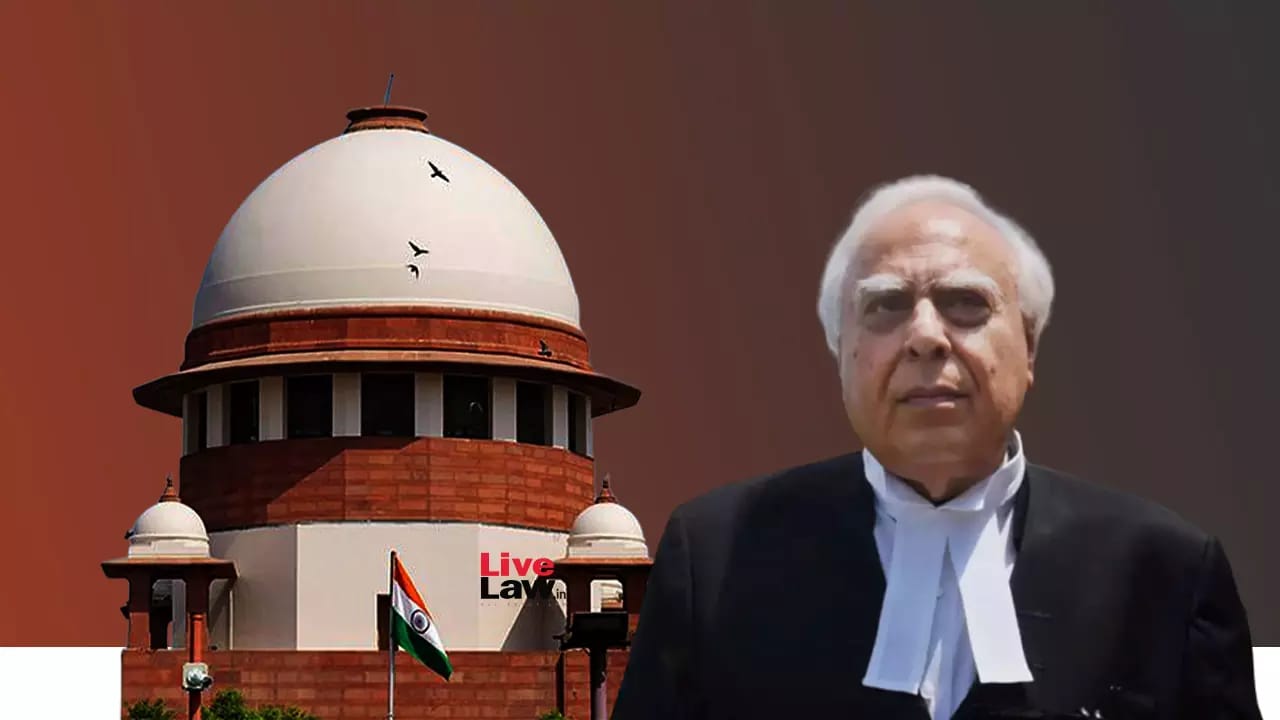
The Supreme Court on Tuesday considered a public interest petition raising questions over the mandatory singing of Vande Mataram and whether a person can be subjected to punishment for refusing to sing the National Song. The court asked the Central government to file its response to the petition, although no formal notice was issued to the Centre at this stage.
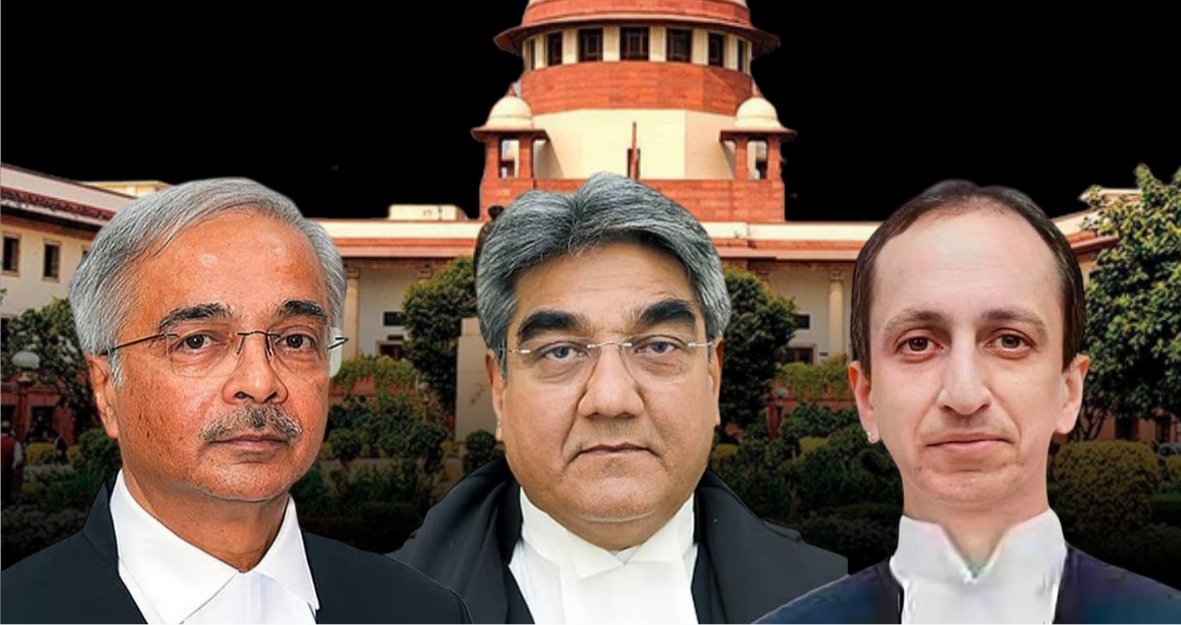
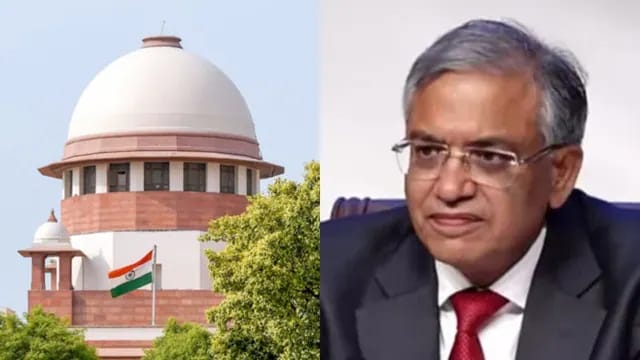
The matter was heard by a bench comprising Chief Justice of India Surya Kant and Justices Joymalya Bagchi and V. Mohana. One of the key issues before the court was whether refusing to sing the National Song can attract penal consequences under the existing legal framework.
The bench declined to immediately examine the separate question of whether the official rendition of Vande Mataram should be limited to two stanzas or should include all six stanzas. However, the court agreed to examine the legal question concerning whether a person can be punished for not singing the National Song.
During the hearing, the bench referred to the Supreme Court’s earlier judgment in the Bijoe Emmanuel case. That case dealt with the issue of students who did not sing the national anthem. The principle referred to during the present proceedings is that a person cannot simply be punished for not singing the national anthem, subject to the circumstances and legal framework involved.
The court indicated that the provisions dealing with punishment may also have to be examined in the context of fundamental rights guaranteed under Articles 25 and 26 of the Constitution. Article 25 concerns freedom of conscience and religion, while Article 26 deals with certain rights of religious denominations.
Who Filed the Petition?
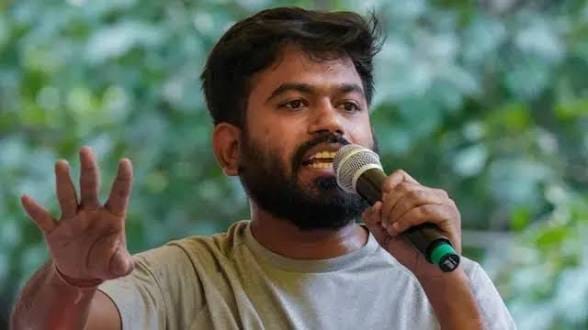
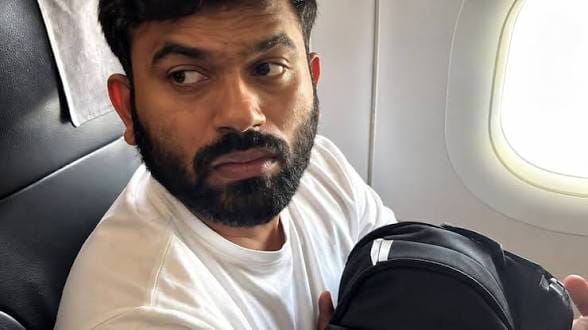
The petition has been filed by Carnatic musician T.M. Krishna. The plea challenges provisions relating to making all six stanzas of Vande Mataram mandatory.
According to the arguments presented in the petition, the last four stanzas contain references and expressions associated with Hindu religious imagery and devotion. The petitioner has argued that making these portions compulsory could raise questions concerning freedom of conscience and religion, particularly for citizens whose religious beliefs do not correspond with those references.
The petition also challenges the amendment that brought Vande Mataram within the scope of legislation dealing with prevention of insults to national honour. The petitioner has questioned whether such provisions can constitutionally impose penal consequences on an individual merely for declining to sing the National Song.
The plea raises broader questions about the relationship between national symbols, individual liberty and constitutional rights. At the centre of the legal challenge is the question of whether respect for a national song can be legally enforced through punishment and, if so, within what constitutional limits.
What Did the Centre Say?
Solicitor General Tushar Mehta appeared for the Central government and opposed the challenge raised in the petition. During the hearing, he referred to the historical importance of Vande Mataram and its role during India’s freedom struggle.
The Centre’s side also questioned the approach of challenging the status and significance of the National Song while, according to the argument, overlooking its historical role in the freedom movement. The submissions also included references to constitutional values and the rule of law.
However, the Supreme Court has not yet delivered a final ruling on whether refusing to sing Vande Mataram constitutes a punishable offence. The matter remains pending, and the Centre has been asked to place its response before the court.
The case raises several interconnected constitutional questions involving national symbols, freedom of conscience, religious freedom, individual liberty and the limits of penal legislation. While Vande Mataram has a significant place in India’s national history and freedom movement, the petition places emphasis on the constitutional rights of individuals who may have objections to singing particular portions of the composition.
The next stage of the proceedings is expected to focus on the legal framework governing the National Song and the extent to which penal provisions can be applied to a person who does not sing it.
For now, no final conclusion has been reached by the Supreme Court on whether refusal to sing Vande Mataram can be punished. The response of the Central government and subsequent hearings will determine how the constitutional questions raised by the petition are examined.





.jpg)
.jpg)

.jpeg)




.jpeg)




.jpeg)



.jpeg)
.jpeg)





.jpeg)
.jpeg)

.jpeg)
.jpeg)










.jpeg)










.jpeg)



.jpeg)

.jpeg)



.jpeg)














.jpeg)


.jpeg)


.jpeg)