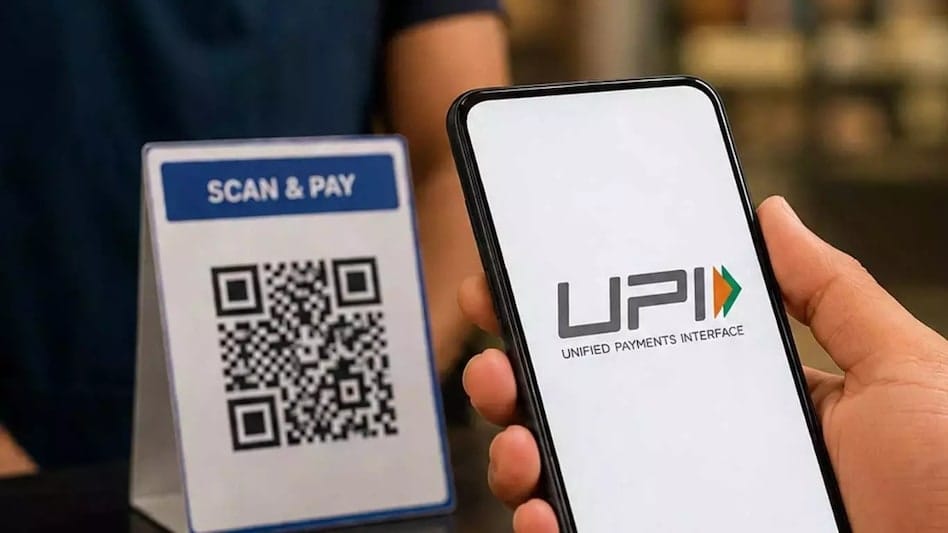


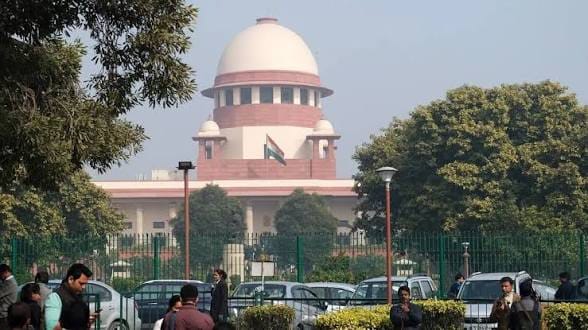
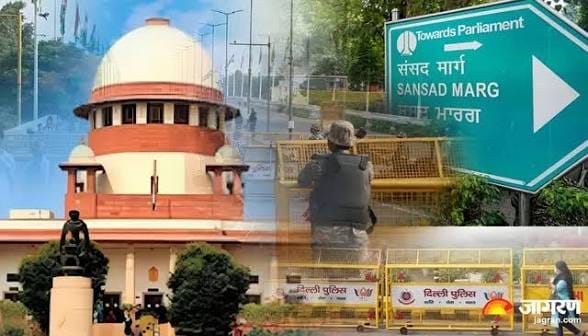
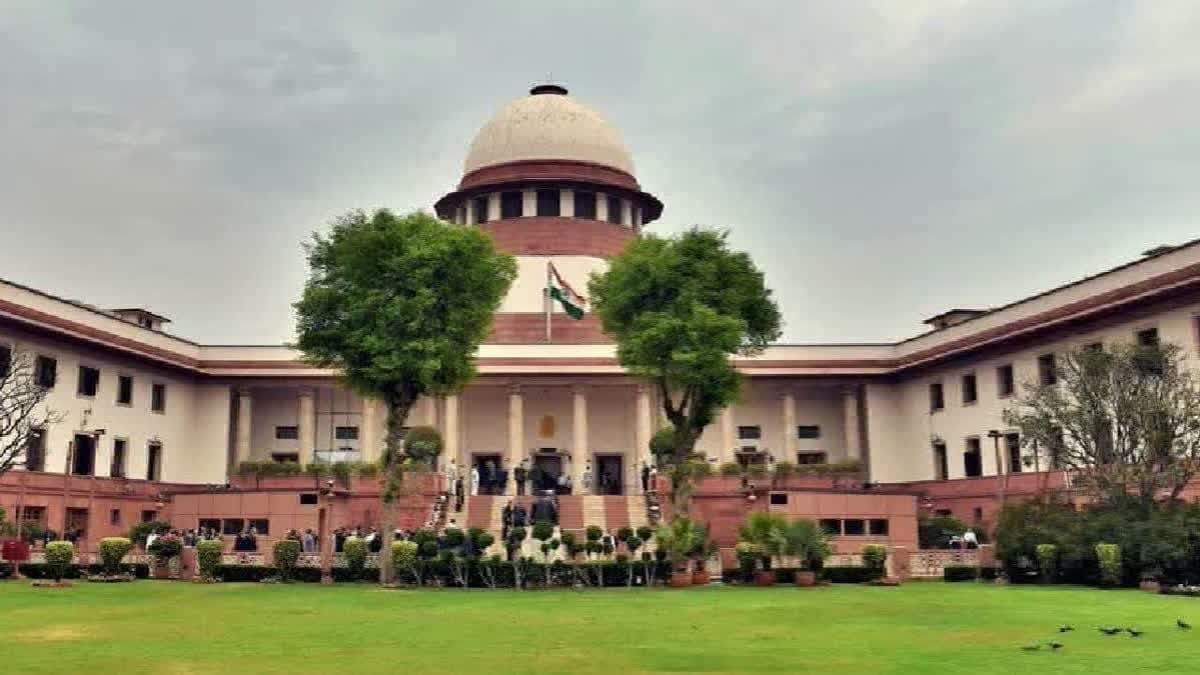
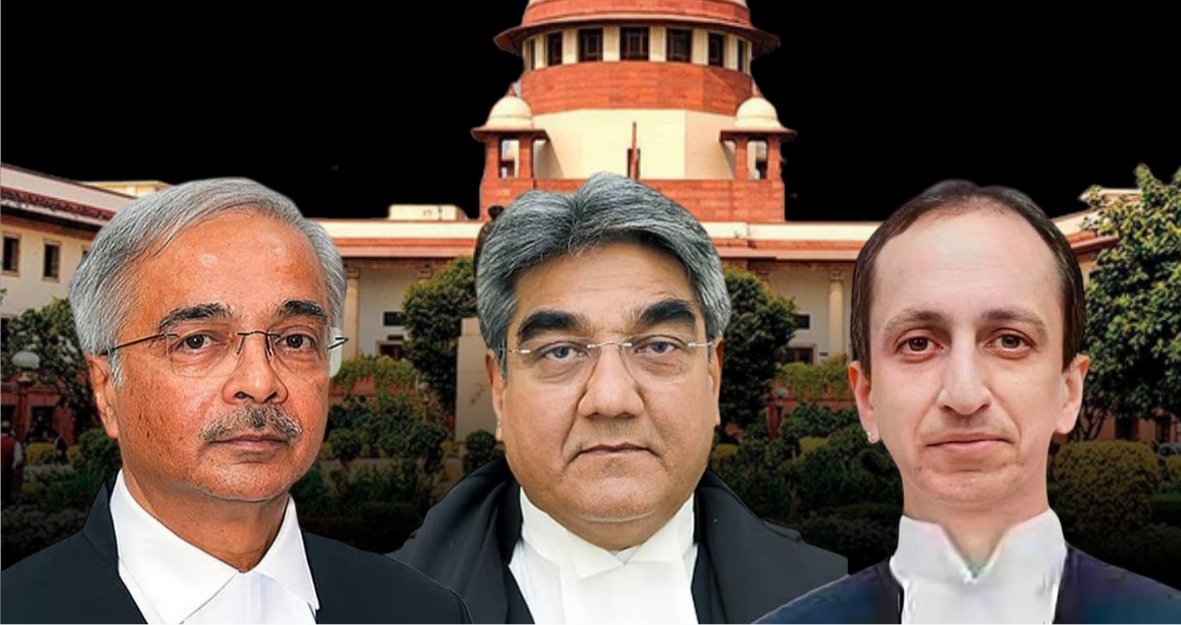
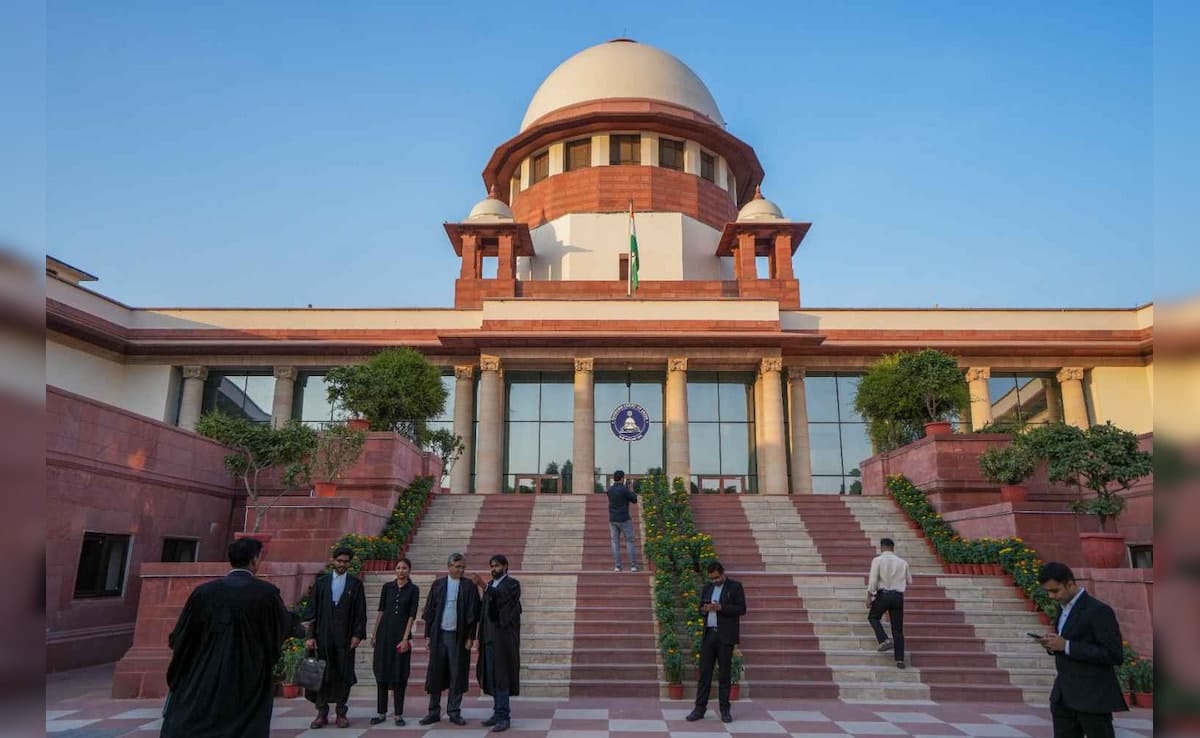
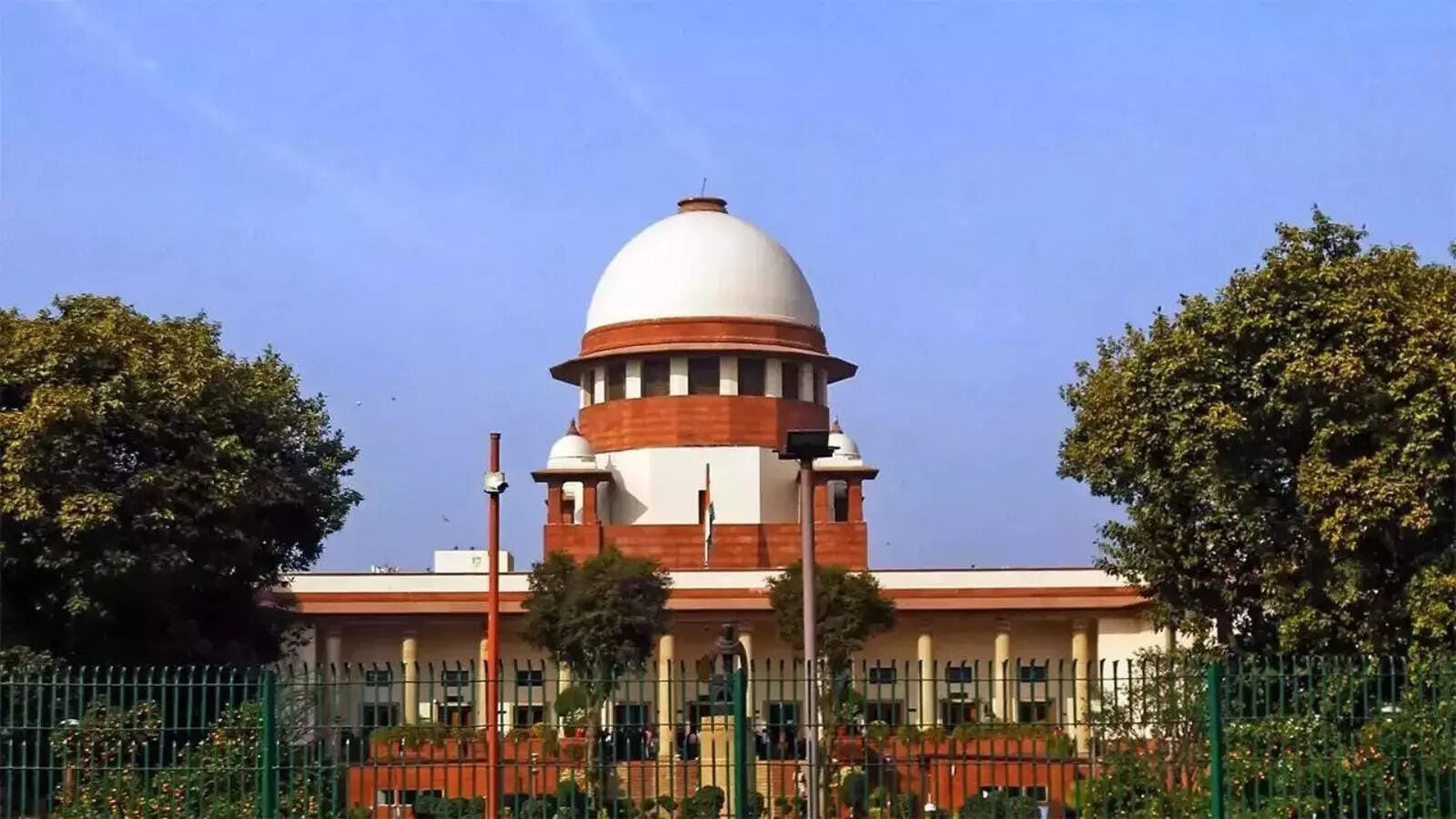
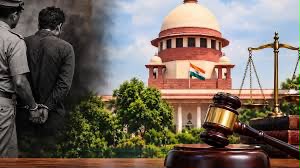
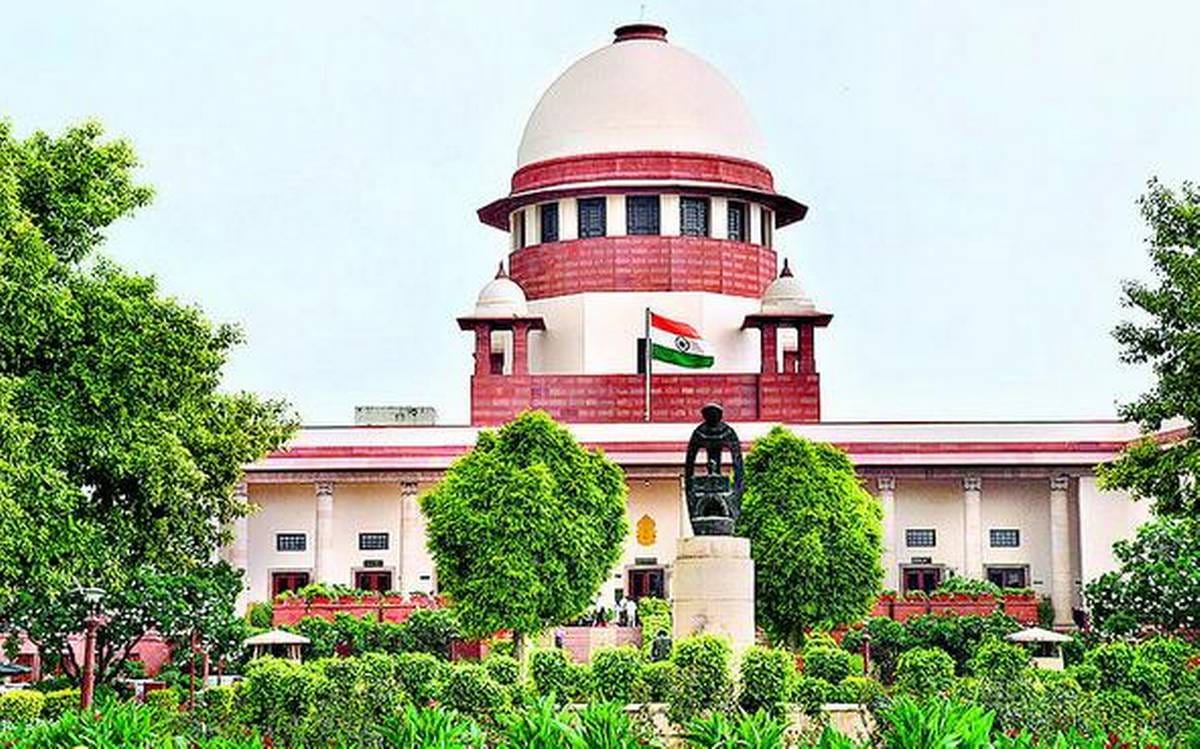
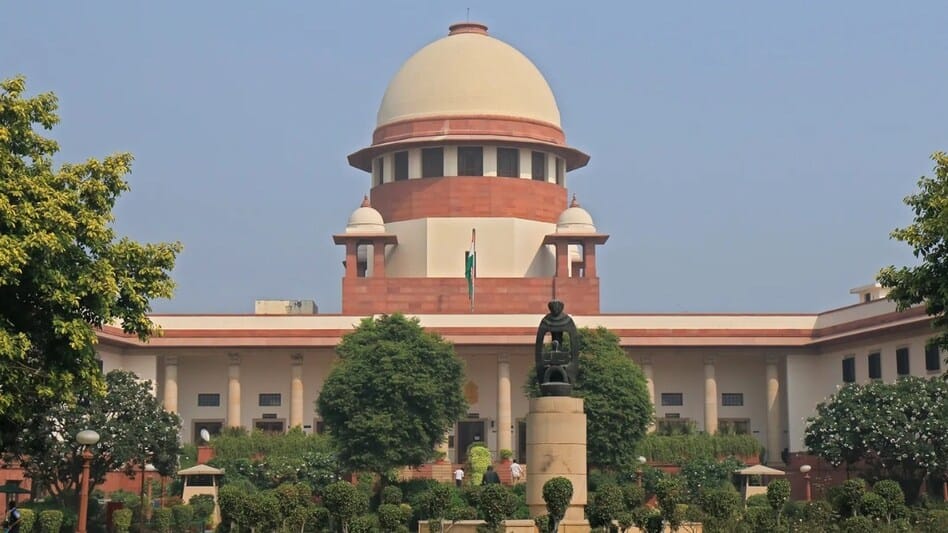
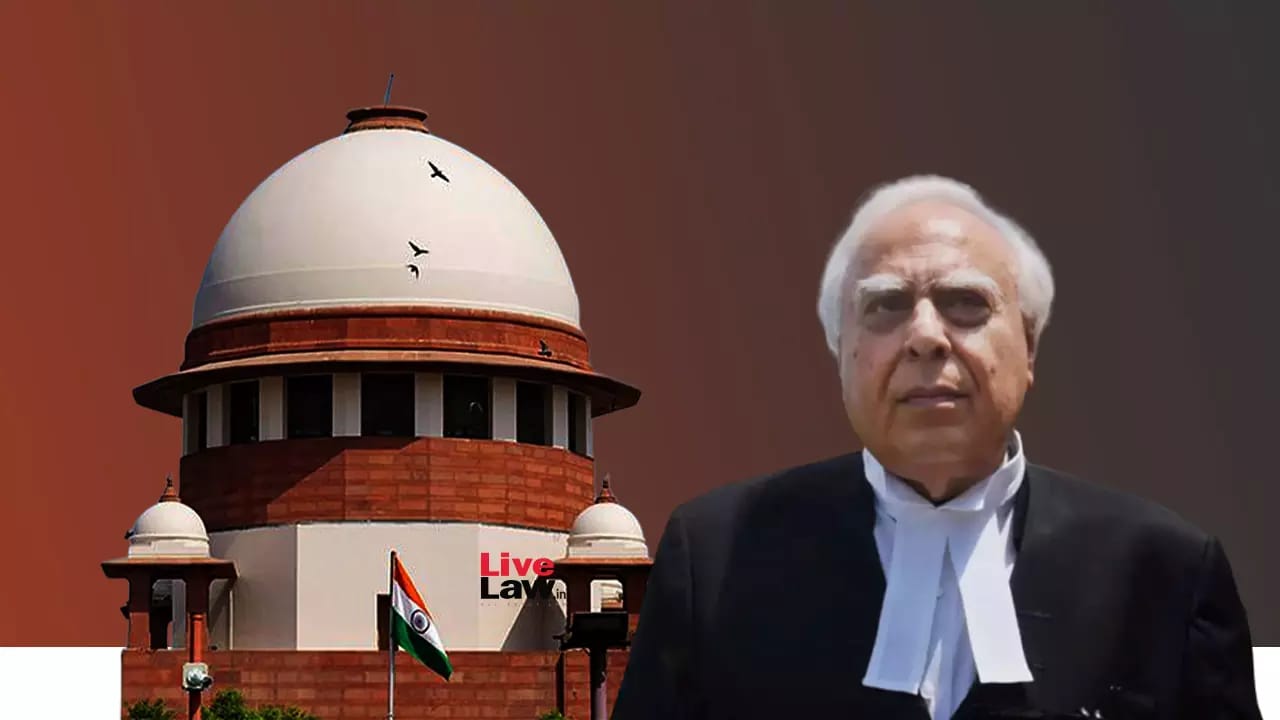
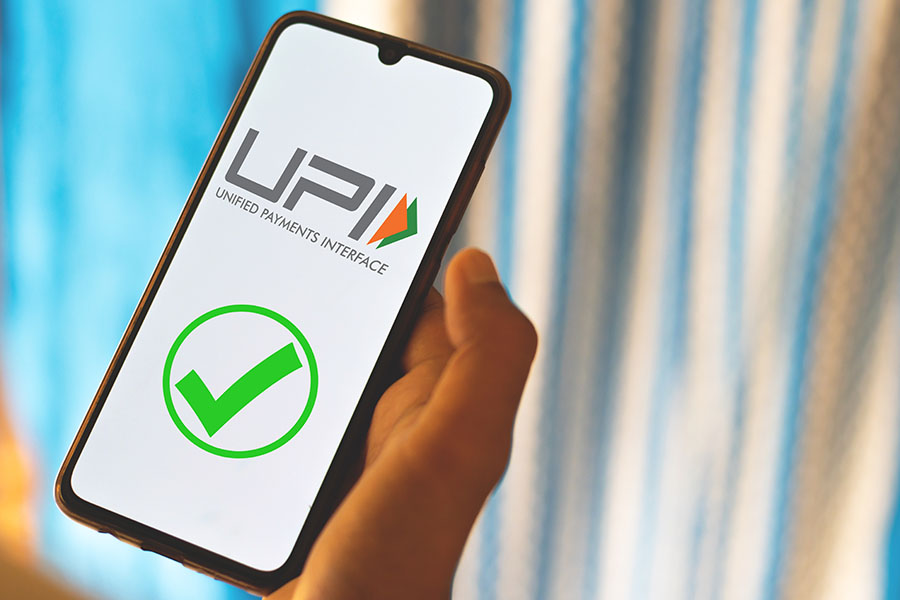
The Supreme Court has declined, for now, to stay the new Merchant Discount Rate (MDR) framework for specified UPI Person-to-Merchant transactions above ₹2000. The framework is scheduled to come into effect from October 15, 2026. The court has issued notices to the Centre, the Reserve Bank of India and the National Payments Corporation of India on a petition challenging the new charges.
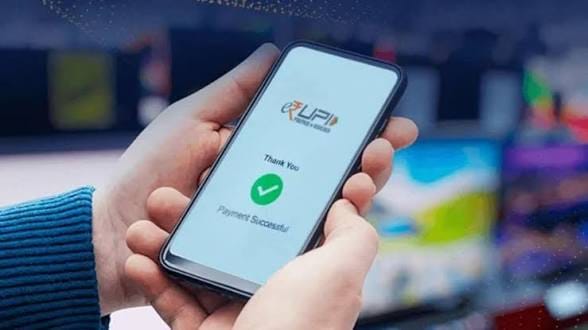
The issue concerns selected Person-to-Merchant, or P2M, UPI transactions above ₹2000. Under the new framework, a 0.4% MDR will apply to eligible merchant transactions above the threshold. MDR is not a government tax collected by the government or NPCI. It is a fee distributed among participants in the digital payments ecosystem.
What did the Supreme Court say?
The Supreme Court did not grant an interim stay on the new MDR framework during the hearing. The court has instead sought responses from the Centre, RBI and NPCI.
The parties have been given four weeks to file their responses. The court will consider the legal and technical issues raised in the petition after receiving the replies.
Which UPI payments will attract MDR?
The new framework will not apply to every UPI transaction. Person-to-Person, or P2P, payments will continue to remain free regardless of the amount transferred.
Merchant payments up to ₹2000 will also remain free. Transactions covered by the existing zero-MDR framework for small merchants will continue to remain outside the new charge structure. According to the government, approximately 96% of P2M UPI transactions will remain unaffected.
For eligible merchant transactions above ₹2000, the standard MDR rate will be 0.4%. The charge is capped at ₹300 for transactions of ₹75,000 and above. Separate rates have been prescribed for certain special and essential service categories.
Will customers have to pay the charge directly?
MDR is a charge associated with the merchant side of a payment rather than a direct fee imposed on the individual making the payment. The government has advised banks to ensure that merchants do not pass the newly introduced charge directly to customers.
For example, if an eligible merchant receives ₹10,000 through UPI, the standard MDR at 0.4% would amount to ₹40. This does not mean that the customer would automatically be charged an additional ₹40 on top of the payment.
Relief for small merchants
The framework also contains provisions for small merchants. According to the government, small merchants receiving up to ₹1 lakh per month through UPI QR under the specified category will continue to benefit from the zero-MDR framework.
The government has said that the arrangement is designed to protect individuals and small merchants while creating a revenue mechanism for maintaining the wider UPI payment ecosystem.
Why was the matter taken to the Supreme Court?
A public interest petition has challenged the government's decision to introduce MDR on specified UPI merchant transactions above ₹2000. The petition challenges the notifications and the legal basis of the new framework and seeks their cancellation.
The petition also raises questions about the procedure followed to introduce charges on a payment system that had operated without MDR for several years. The Supreme Court has not made a final determination on these issues and has sought responses from the concerned authorities.
What happens next?
The Centre, RBI and NPCI have been directed to respond within four weeks. The court will then consider the issues raised in the petition and decide the next course of proceedings.
For now, there is no interim stay on the MDR framework. Unless the court passes a further order, the specified MDR structure for eligible UPI merchant transactions above ₹2000 is scheduled to take effect from October 15, 2026. P2P payments, merchant payments up to ₹2000 and transactions covered by the zero-MDR framework for eligible small merchants will continue to remain free.




.jpg)
.jpg)

.jpeg)



.jpeg)

.jpeg)

.jpeg)
.jpeg)


.jpeg)
.jpeg)

.jpeg)
.jpeg)








.jpeg)








.jpeg)


.jpeg)
.jpeg)

.jpeg)








.jpeg)


.jpeg)


.jpeg)