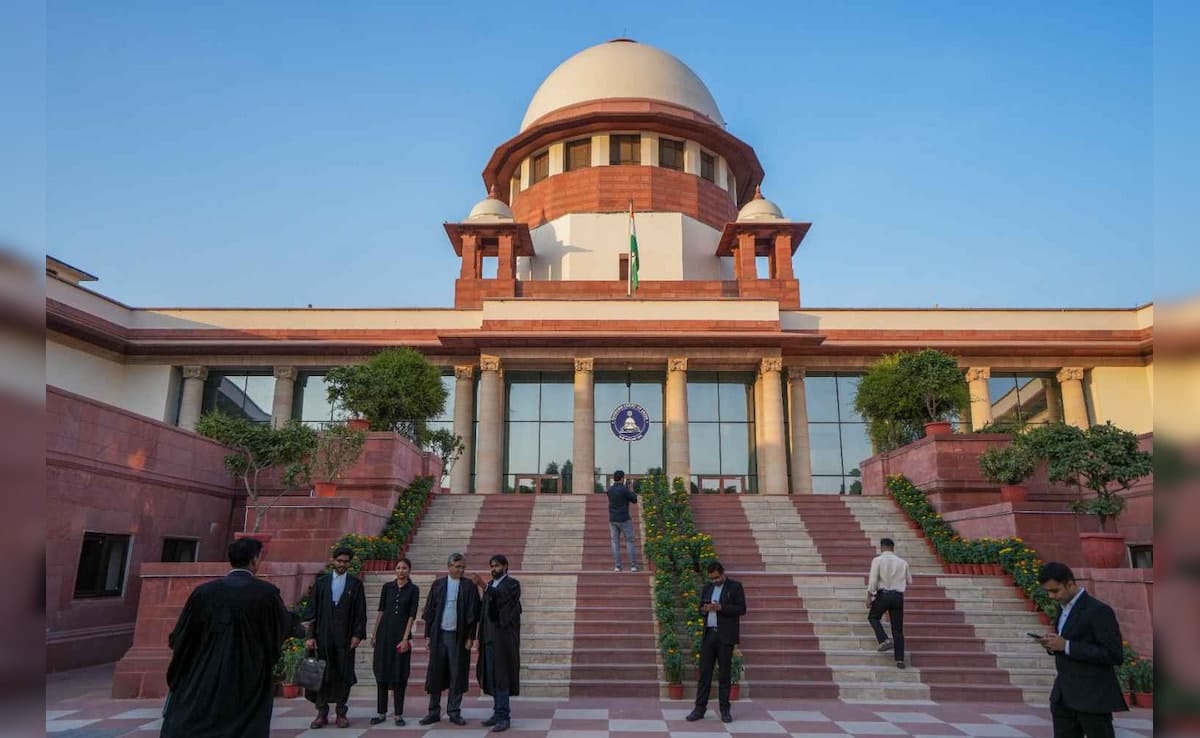



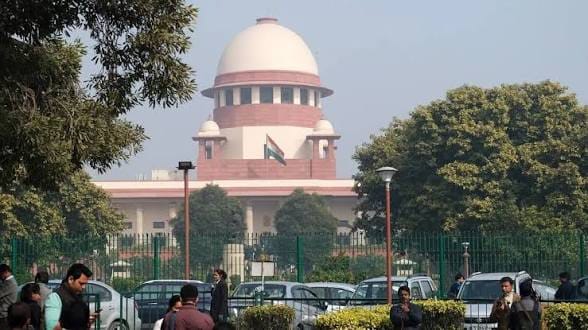
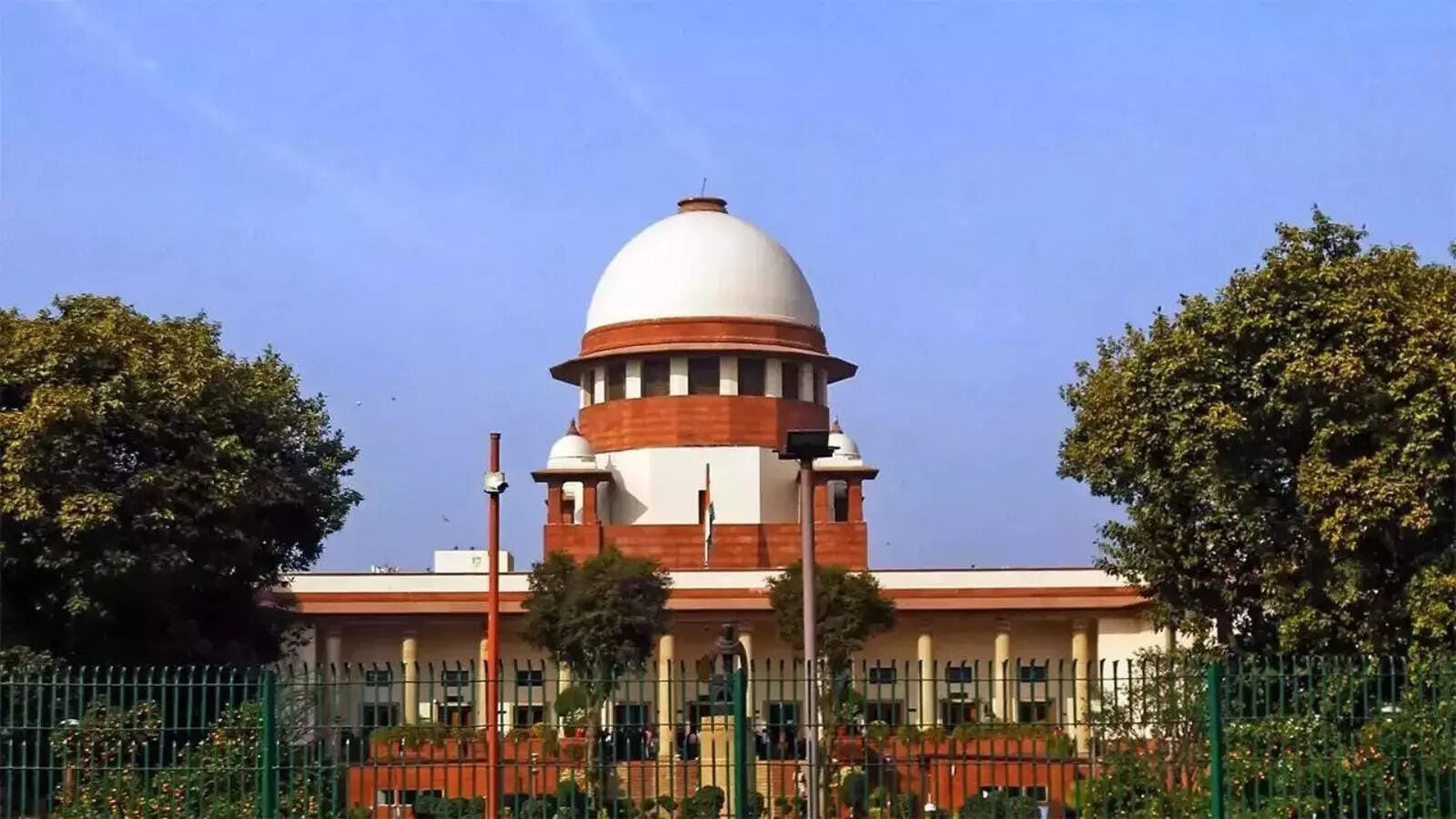
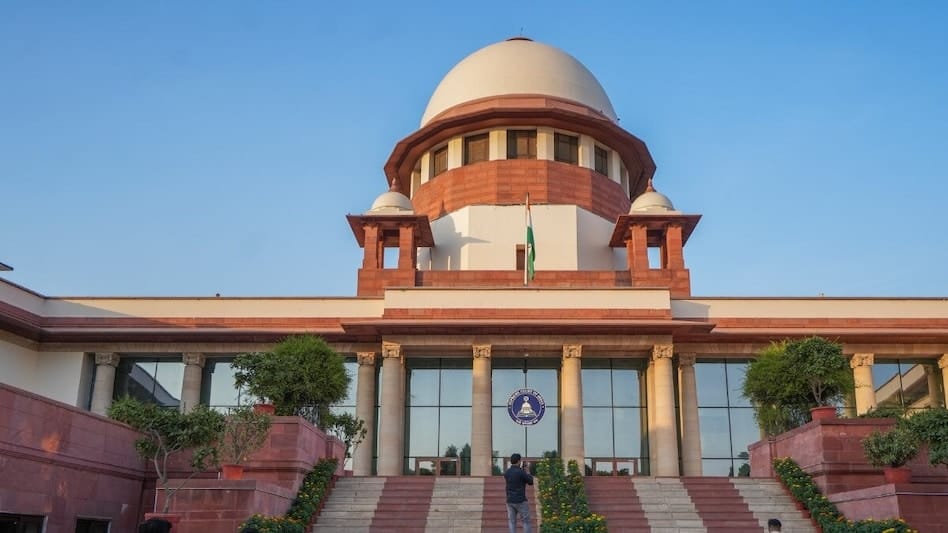
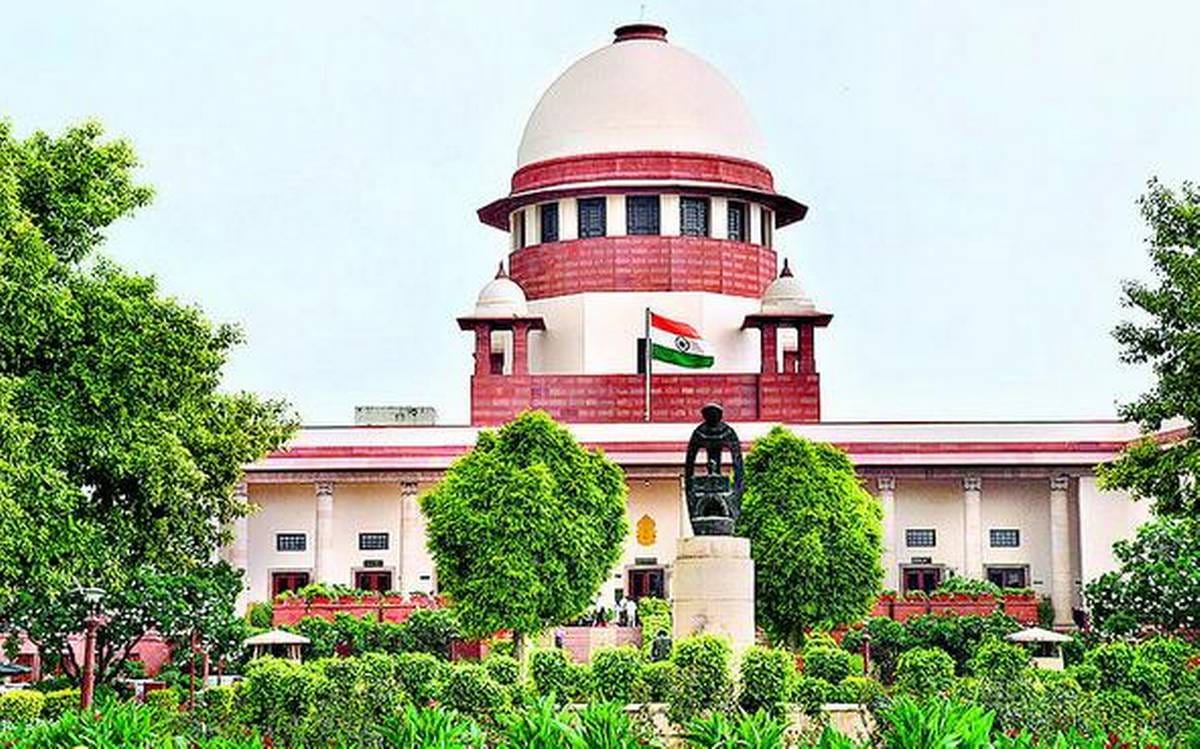
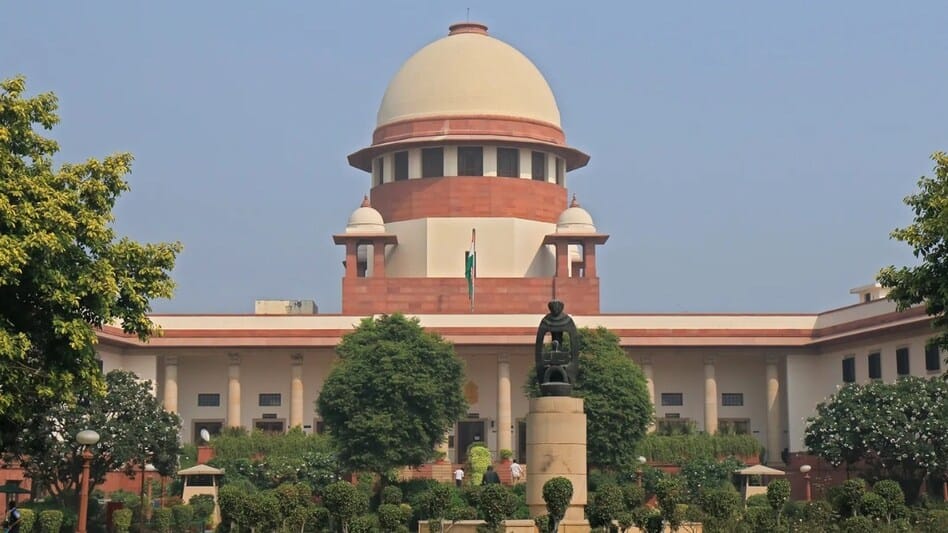
The Supreme Court on Monday expressed serious concern over the recent incidents of rape and sexual offences reported in Delhi-NCR and questioned the Centre and Delhi Police about the measures being taken to prevent such crimes. The court stressed that the police cannot limit their role to action after an offence has taken place. Instead, preventive policing must be strengthened so that potential offenders are deterred before a crime is committed.
The court said that an environment must be created in Delhi where every woman can feel safe even at 10 pm. The concern applies to women walking on the streets as well as those travelling by the Metro, road transport or other public means. The court's observations highlighted the need for stronger policing, surveillance and preventive measures in public spaces.
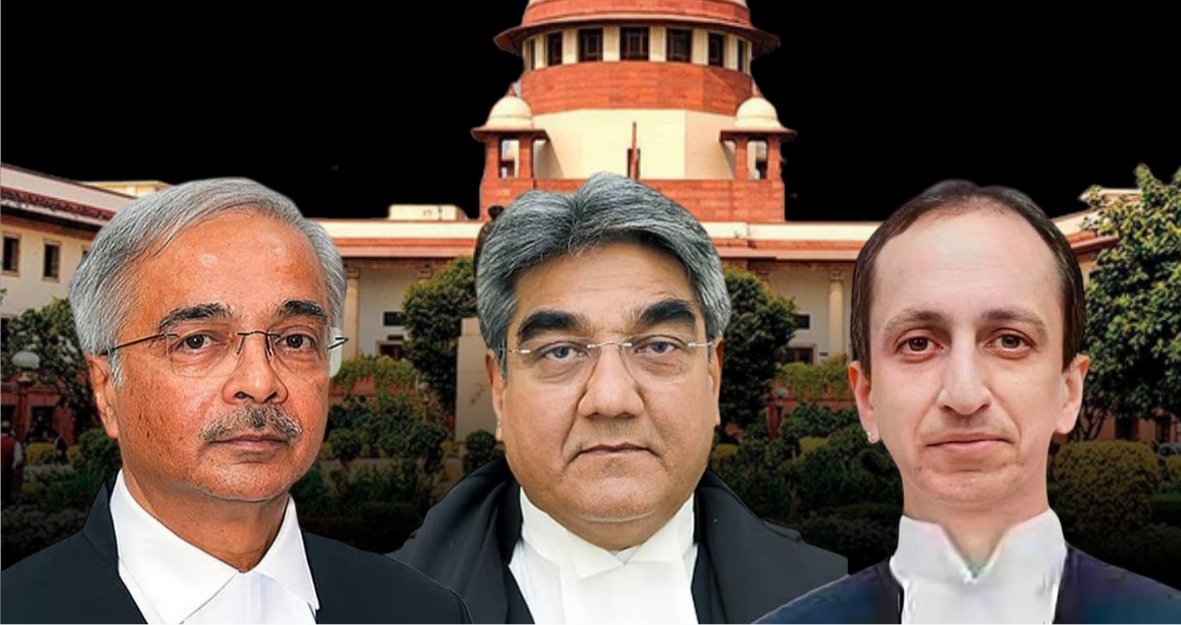
A bench of Justices J.B. Pardiwala and K. Vinod Chandran was hearing a suo motu case concerning recent rape incidents in Delhi-NCR. During the hearing, the bench questioned Delhi Police officials about the steps being taken on the ground to prevent sexual offences and whether vulnerable locations were receiving adequate policing and surveillance.
Focus should be on preventing crime
The Supreme Court made it clear that preventing an offence is more important than simply taking action after the crime has already occurred. The bench stressed that police action must create an effective deterrent among people who are prone to committing sexual offences.
The court used strong language while discussing the need to create fear among offenders and anti-social elements. The broader message was that potential criminals should understand that serious offences against women will lead to strict consequences and that they will not be able to escape the law.
The court's remarks came against the backdrop of several recent cases involving women and minor girls in Delhi-NCR. The proceedings are aimed at examining whether existing safety mechanisms are functioning effectively and whether authorities are taking sufficient preventive steps.
Aastha Kunj Park case discussed
The Supreme Court referred to the alleged gang rape of a 17-year-old girl at Aastha Kunj Park in south Delhi. The bench questioned the police about what preventive measures had been taken in the area and whether warnings or information about anti-social elements had been acted upon before the incident.
The court's concern was not limited to one individual case. It focused on whether police and administrative authorities had adequately identified vulnerable locations and responded to earlier complaints or warning signs. The court has stressed that public spaces frequented by women and children cannot be allowed to become high-risk areas because of weak surveillance, inadequate lighting or insufficient patrolling.
Sleeper bus sexual assault case
The alleged sexual assault of a minor girl inside a moving sleeper bus was also part of the concerns before the court. The incident raised questions about the ability of law enforcement agencies to detect and respond to crimes occurring in public transport.
The bus travelled from Greater Noida towards Delhi, and the case has raised concerns about whether monitoring systems and timely intervention mechanisms are strong enough to protect passengers, particularly women and children.
The Supreme Court has looked at these incidents as part of a wider question concerning women's safety across Delhi-NCR rather than as isolated incidents. The court wants authorities to demonstrate that preventive mechanisms are functioning effectively on the ground.
Questions over the sexual offenders database
The court also raised the issue of the National Database on Sexual Offenders and asked Delhi Police how the database is being used. The court wants to know whether police regularly access the database to verify the background of individuals and identify repeat or habitual sexual offenders.
The court has also sought information on how often such databases are used during investigations and whether information available through them is being translated into lawful preventive action.
The emphasis on the database reflects the court's broader approach towards preventive policing. Instead of waiting for another offence to take place, authorities are expected to use available records and information to identify potential risks and strengthen monitoring within the limits of the law.
Special attention to colleges and vulnerable areas
The Supreme Court also asked the police to focus on colleges and educational institutions where female students may face repeated harassment. The court observed that people who routinely harass or intimidate girl students should not be ignored.
The issue is significant because repeated complaints of harassment can indicate a wider security problem around educational institutions. The court's observations underline the need for local police teams to respond promptly to complaints and maintain visible policing around areas where young women regularly travel.
The bench also referred to the presence of unauthorised eateries and other locations where anti-social elements may gather. Police have been asked to consider stronger surveillance and enforcement in such areas, particularly where there are concerns about public drinking, disorder or harassment.
War room, CCTV and police patrolling
The Supreme Court also questioned Delhi Police about the monitoring of CCTV cameras and whether a dedicated war-room or similar command-and-control mechanism is being used to keep track of vulnerable areas.
The court wants to understand whether surveillance cameras are continuously monitored and whether police teams can respond quickly when suspicious activity is detected. Merely installing CCTV cameras, the broader judicial concern suggests, is not enough unless there is an effective system to monitor the footage and act when necessary.
The bench also stressed stronger beat patrolling and asked authorities to examine police deployment in vulnerable places. Parks, isolated roads, public transport points, markets and areas around educational institutions require particular attention, especially during late evening and early morning hours.Reference to the Nirbhaya case
Justice J.B. Pardiwala also referred to the 2012 Nirbhaya case while discussing the recent incidents. The reference reflected the court's concern over whether enough systemic improvements have been made over the years to prevent sexual crimes against women.
The Supreme Court had earlier observed that the recent incidents raise broader questions about public safety and the effectiveness of law enforcement mechanisms in Delhi-NCR. The court has stressed that public spaces should remain safe and accessible for women and children and that security arrangements must work at the ground level.
The present proceedings are focused on examining institutional and preventive shortcomings rather than deciding the guilt of individual accused persons. Criminal allegations will continue to be dealt with according to law and due process. The Supreme Court is seeking information from the authorities on existing safety systems and the practical measures being taken to reduce the risk of sexual crimes across Delhi-NCR.









.jpg)
.jpg)




.jpeg)












.jpeg)









.jpeg)







.jpeg)

.jpeg)
















.jpeg)

.jpeg)



.jpeg)
.jpeg)





















.jpeg)






















.jpeg)






.jpeg)




.jpeg)




.jpeg)



















.jpeg)


.jpeg)


.jpeg)