
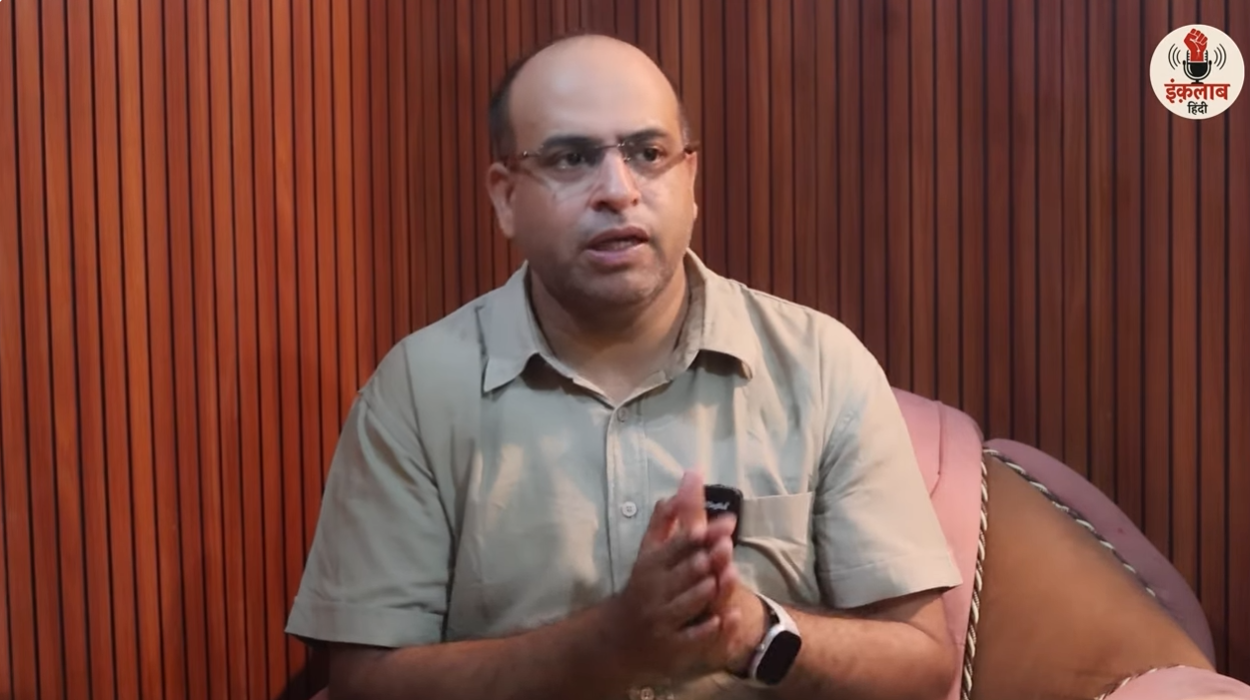
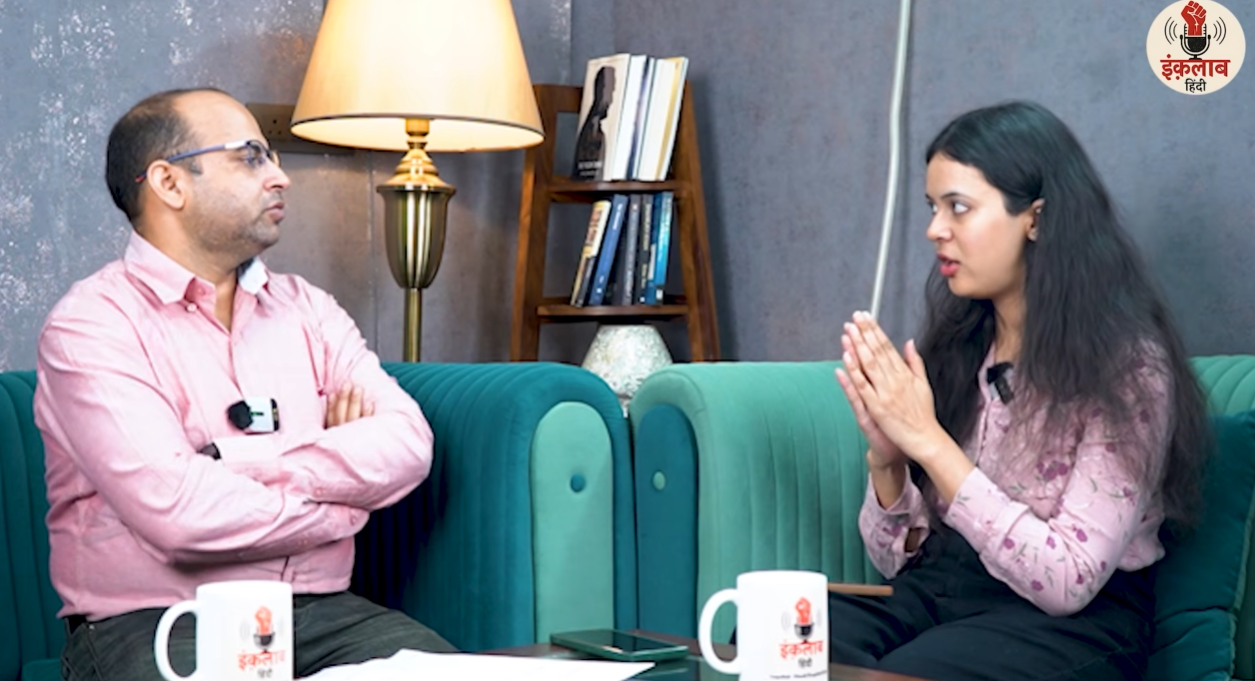
Former IAS and IFS Officers Express Support for the Election Commission
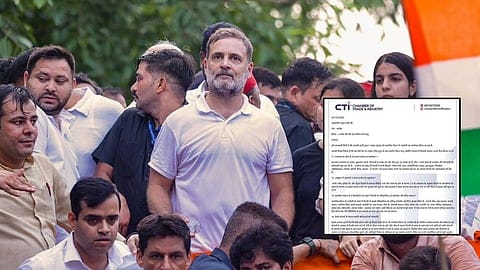
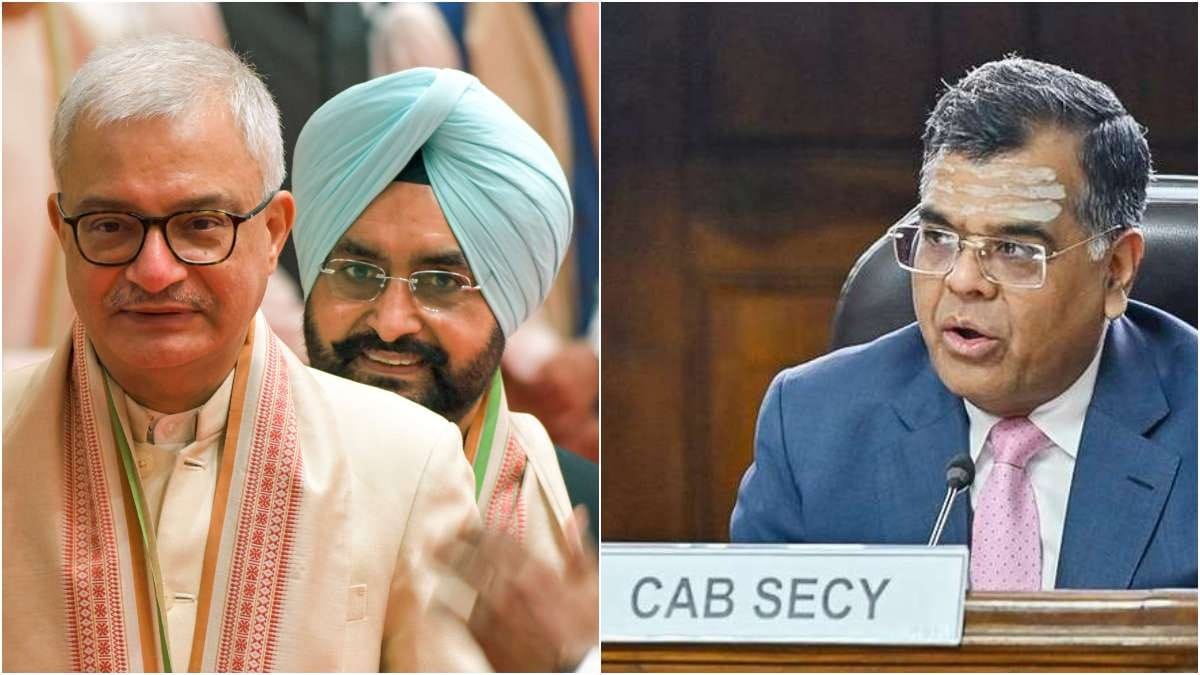
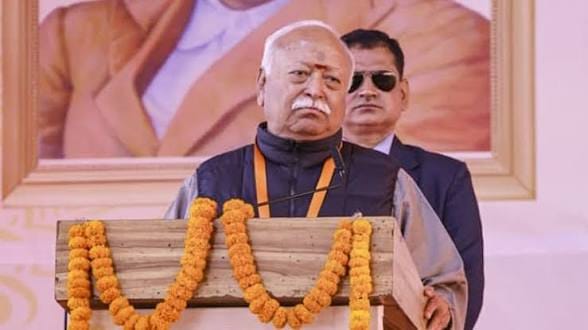
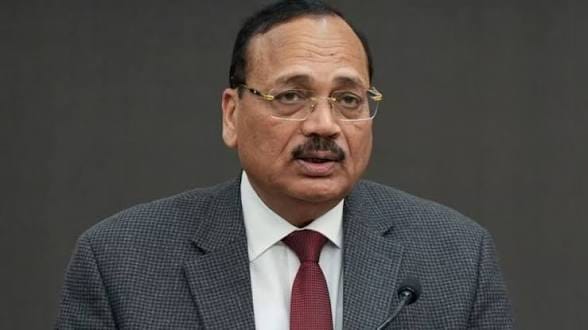
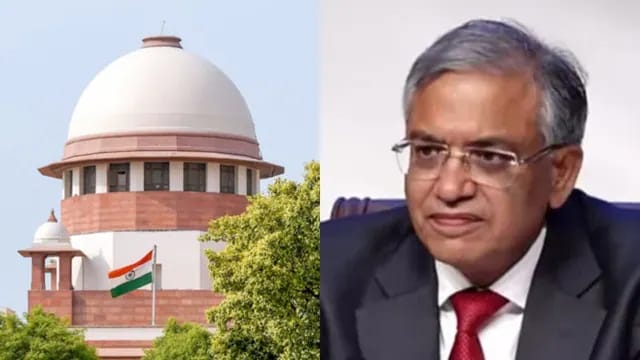
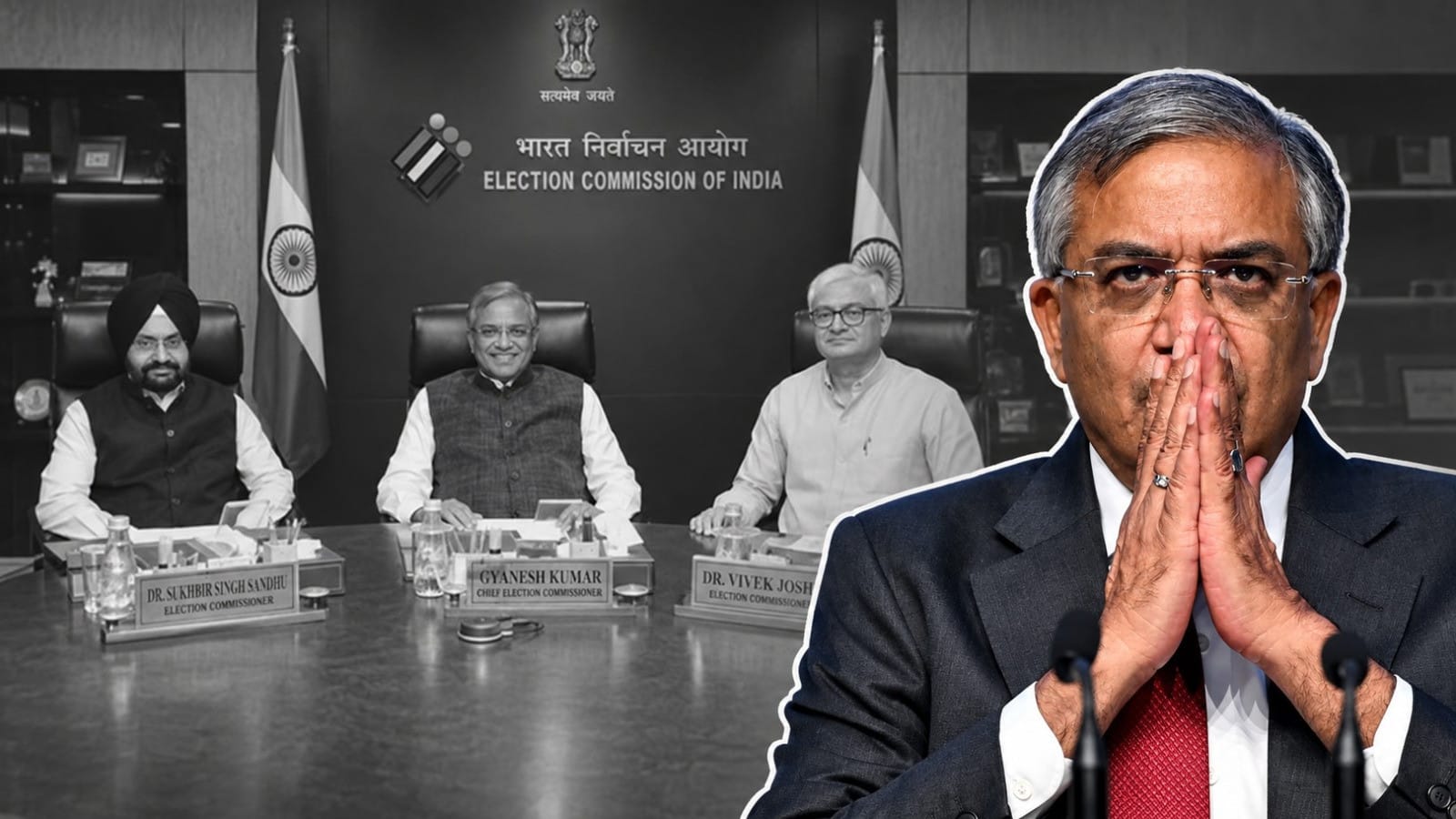
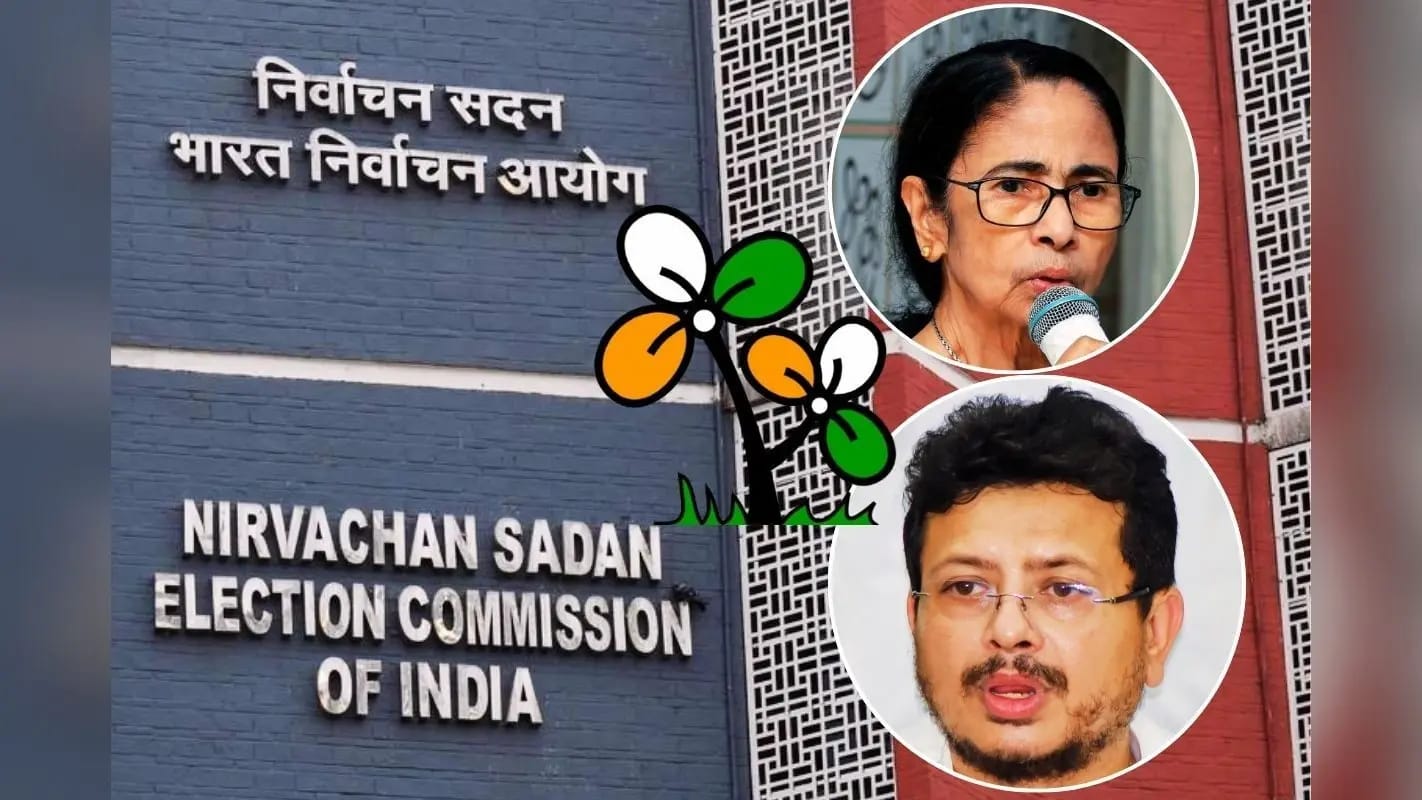
A group of 124 former Indian Administrative Service (IAS) and Indian Foreign Service (IFS) officers has issued an open letter to citizens defending the Election Commission of India (ECI) and the Special Intensive Revision (SIR) of electoral rolls. The letter focuses on the credibility of the electoral process and the importance of maintaining public confidence in democratic institutions.
The former officials argued that allegations of electoral fraud, vote theft and irregularities in voter lists are serious matters that should be examined on the basis of facts and verifiable evidence. According to their position, political claims alone should not be treated as proof of wrongdoing, and allegations should be raised through appropriate procedures.
Why Has the SIR Process Become Controversial
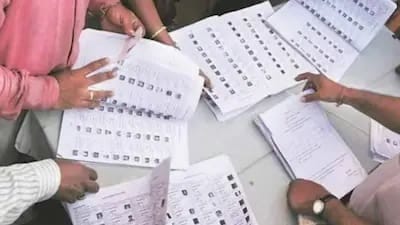
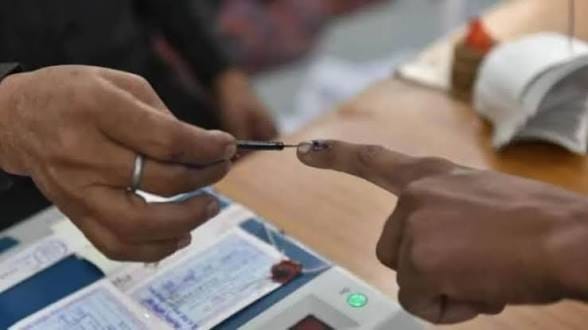
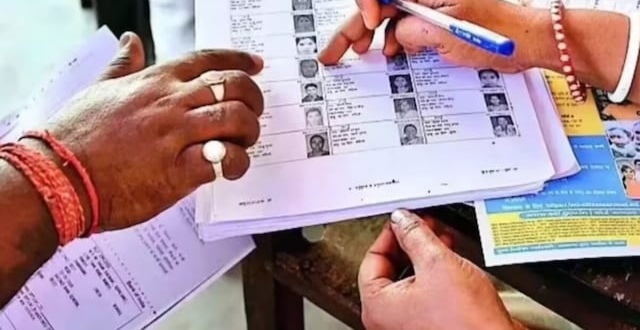
The Special Intensive Revision of electoral rolls has become a subject of political debate. The exercise is intended to review and update voter lists. However, opposition parties have raised concerns about possible irregularities, the removal of voters' names and the potential impact of the process on electoral fairness.
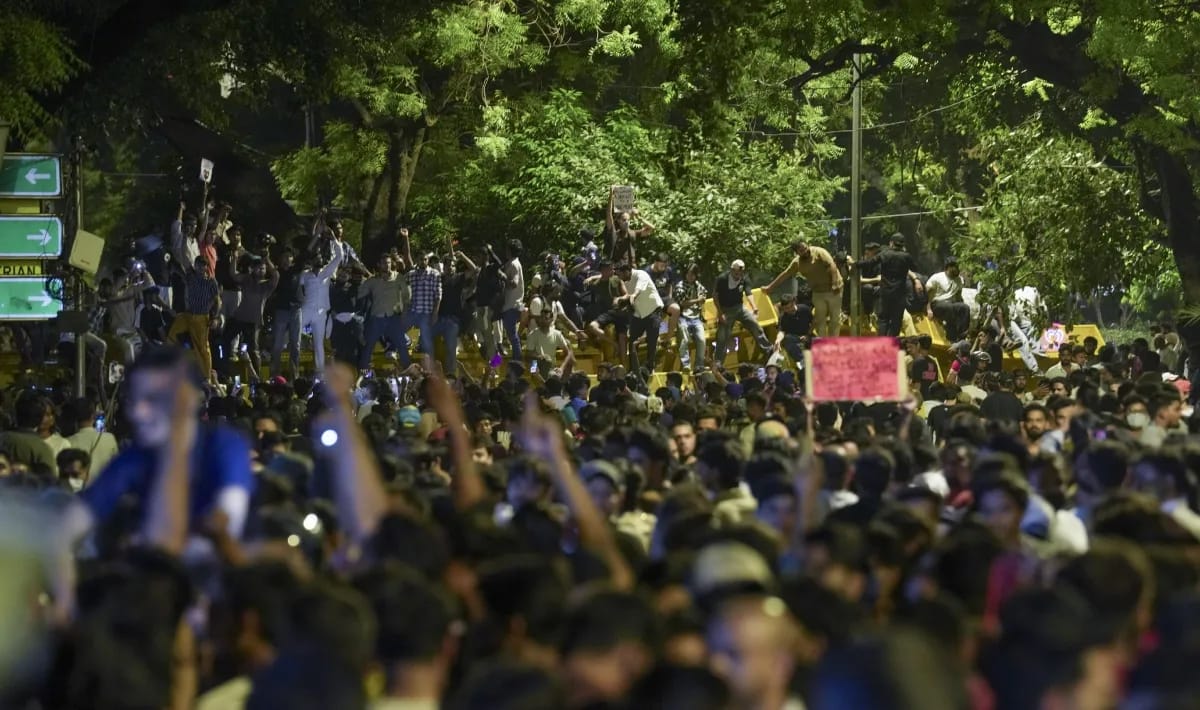
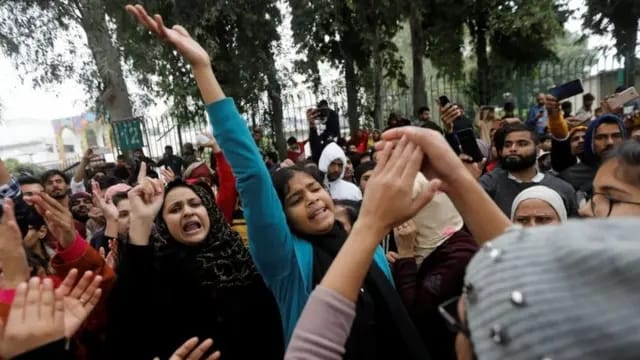
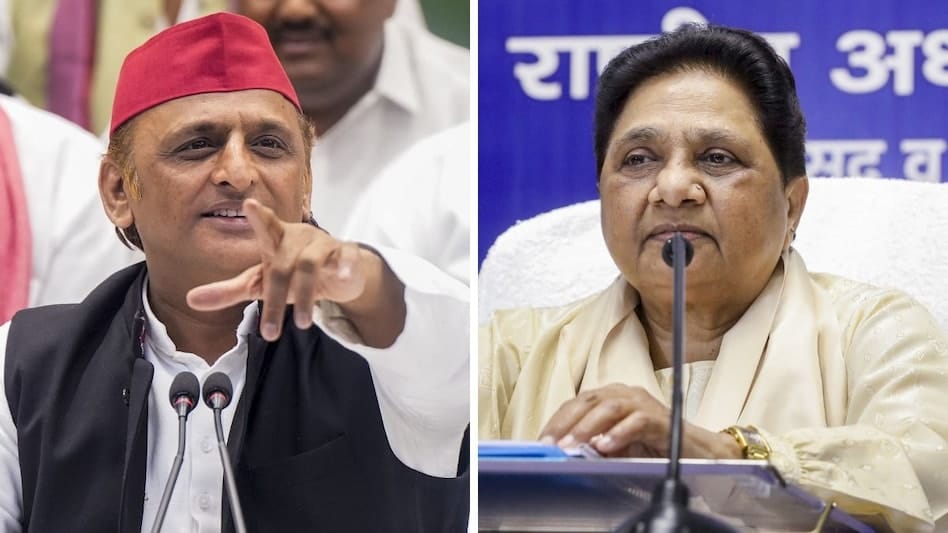
Opposition leaders have called for transparency and answers from the Election Commission, arguing that any errors in voter lists could affect citizens' ability to exercise their democratic rights. The concerns have contributed to protests and renewed scrutiny of the election authority's role.
The former officials, meanwhile, have emphasised that allegations against electoral institutions should be supported by evidence. Their letter adds another perspective to the debate over the SIR process and the credibility of electoral procedures.
Warning Against Unsupported Allegations
The former bureaucrats warned that claims of electoral fraud made without concrete evidence could weaken public confidence in democratic institutions. They argued that accusations against a constitutional body such as the Election Commission should be based on verifiable facts, documents and evidence.
At the same time, transparency, accountability and the investigation of genuine complaints remain important aspects of a democratic system. The debate therefore centres on how concerns about voter lists should be examined and how public trust in the electoral process can be maintained.
Opposition Protests Against the Election Commission
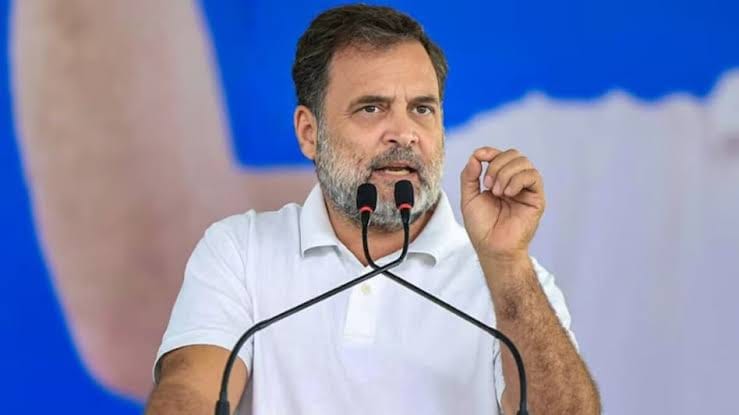
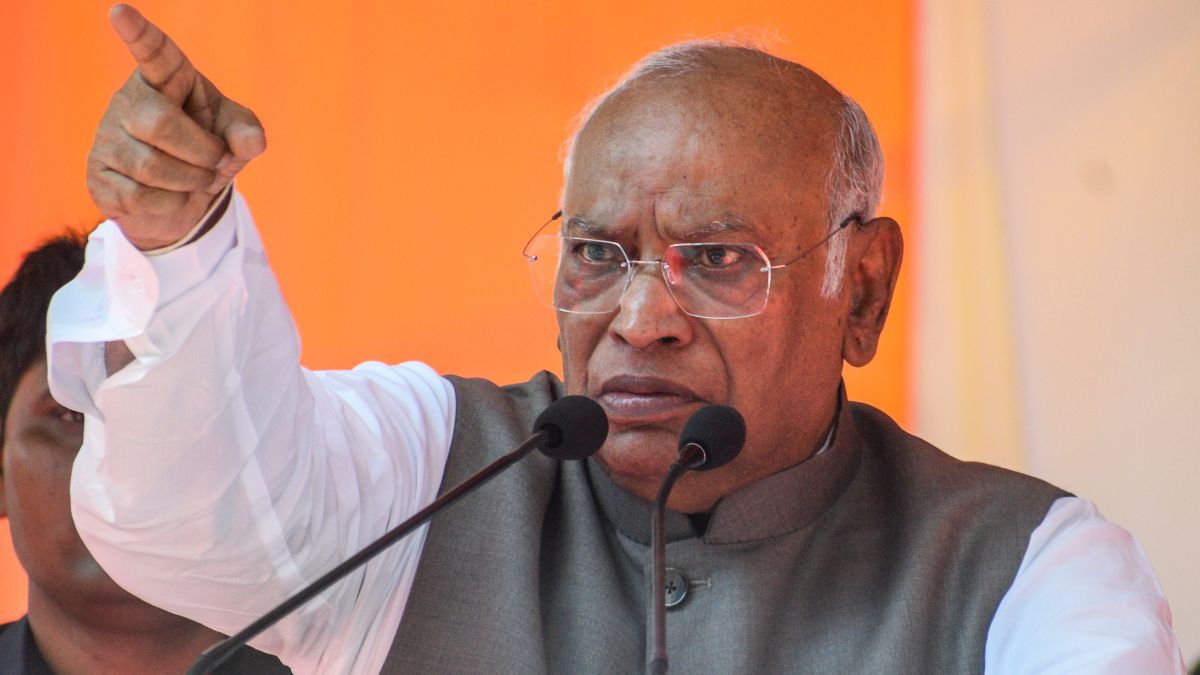
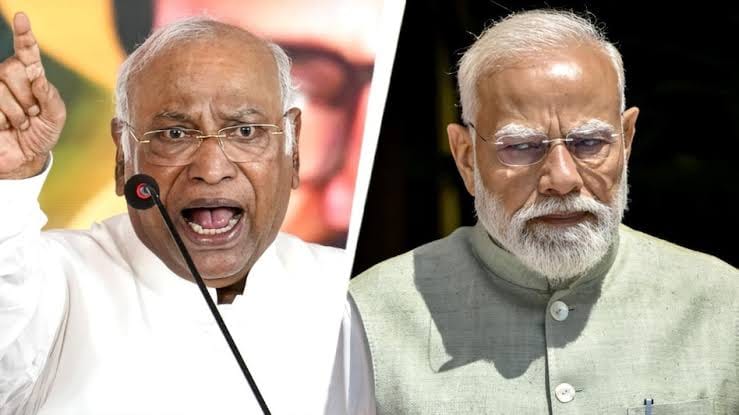
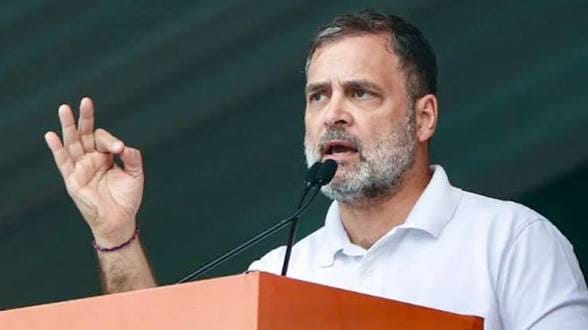
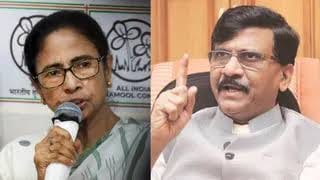
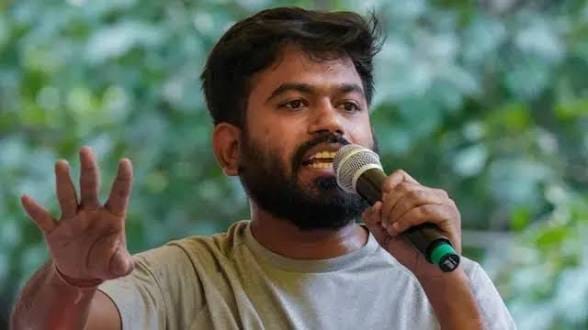
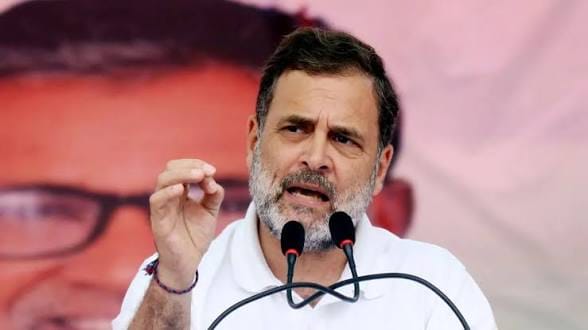
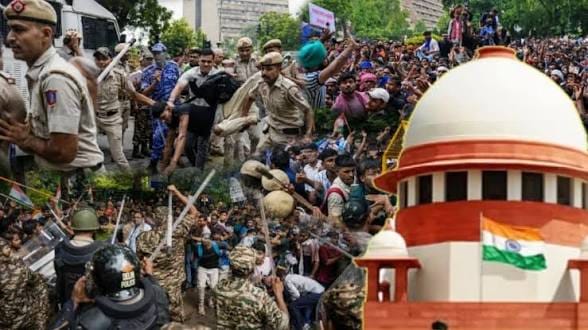
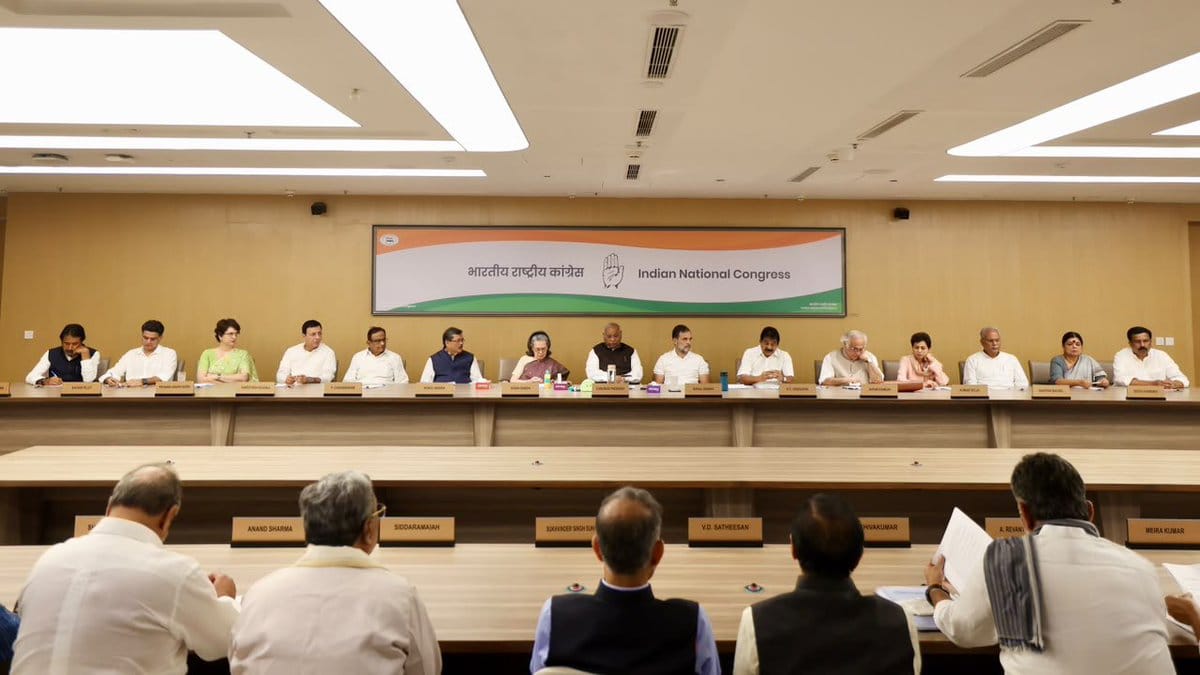
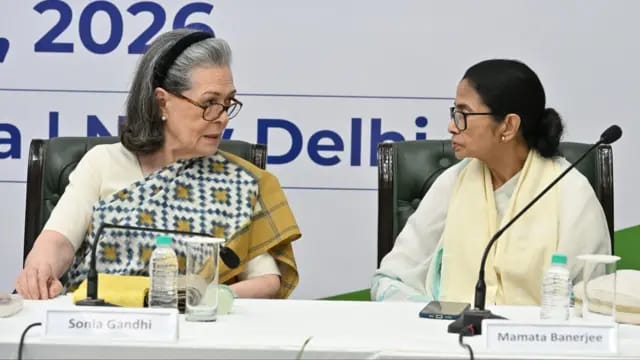
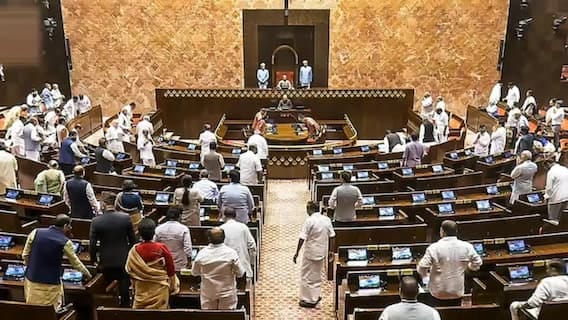
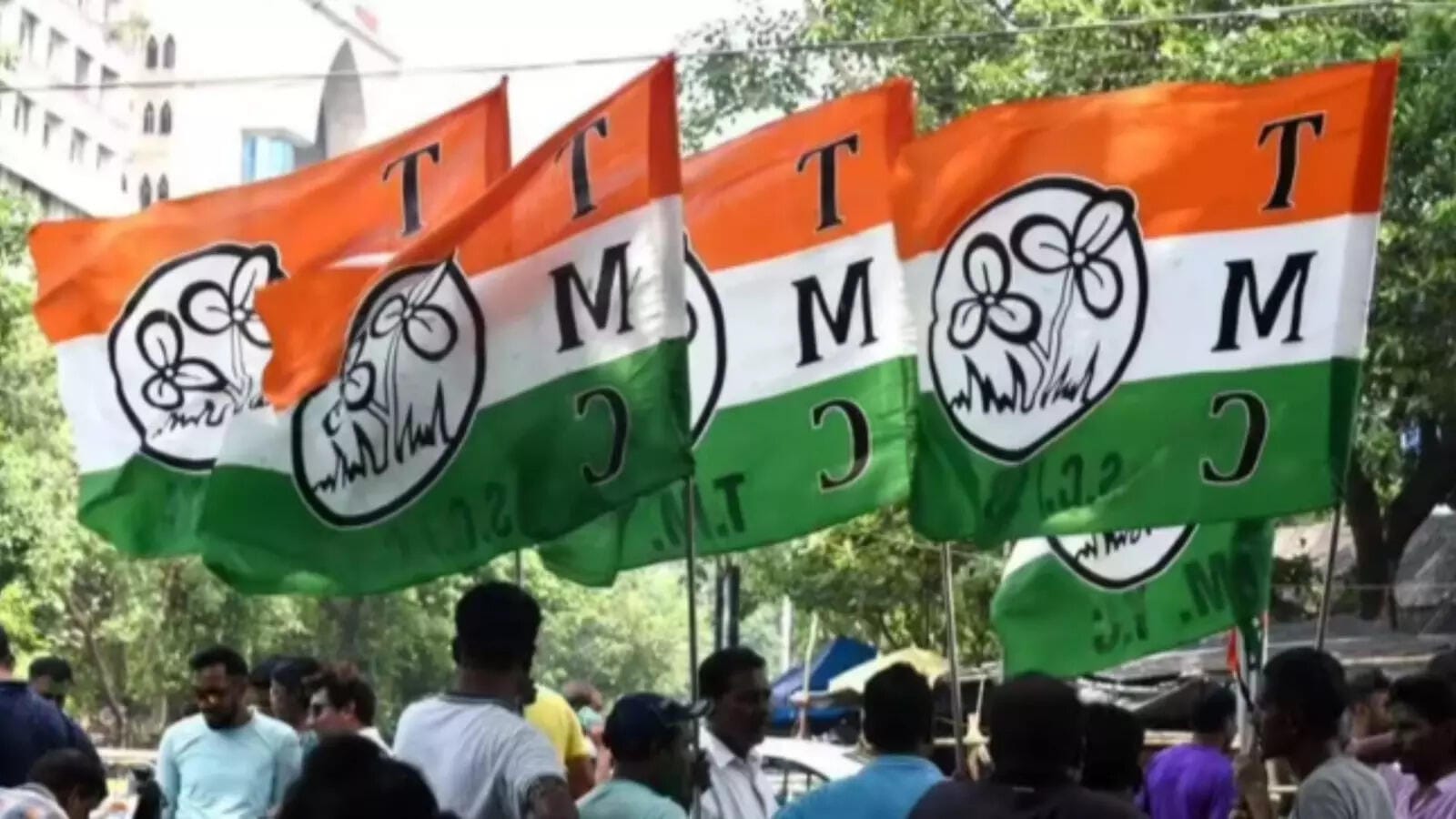
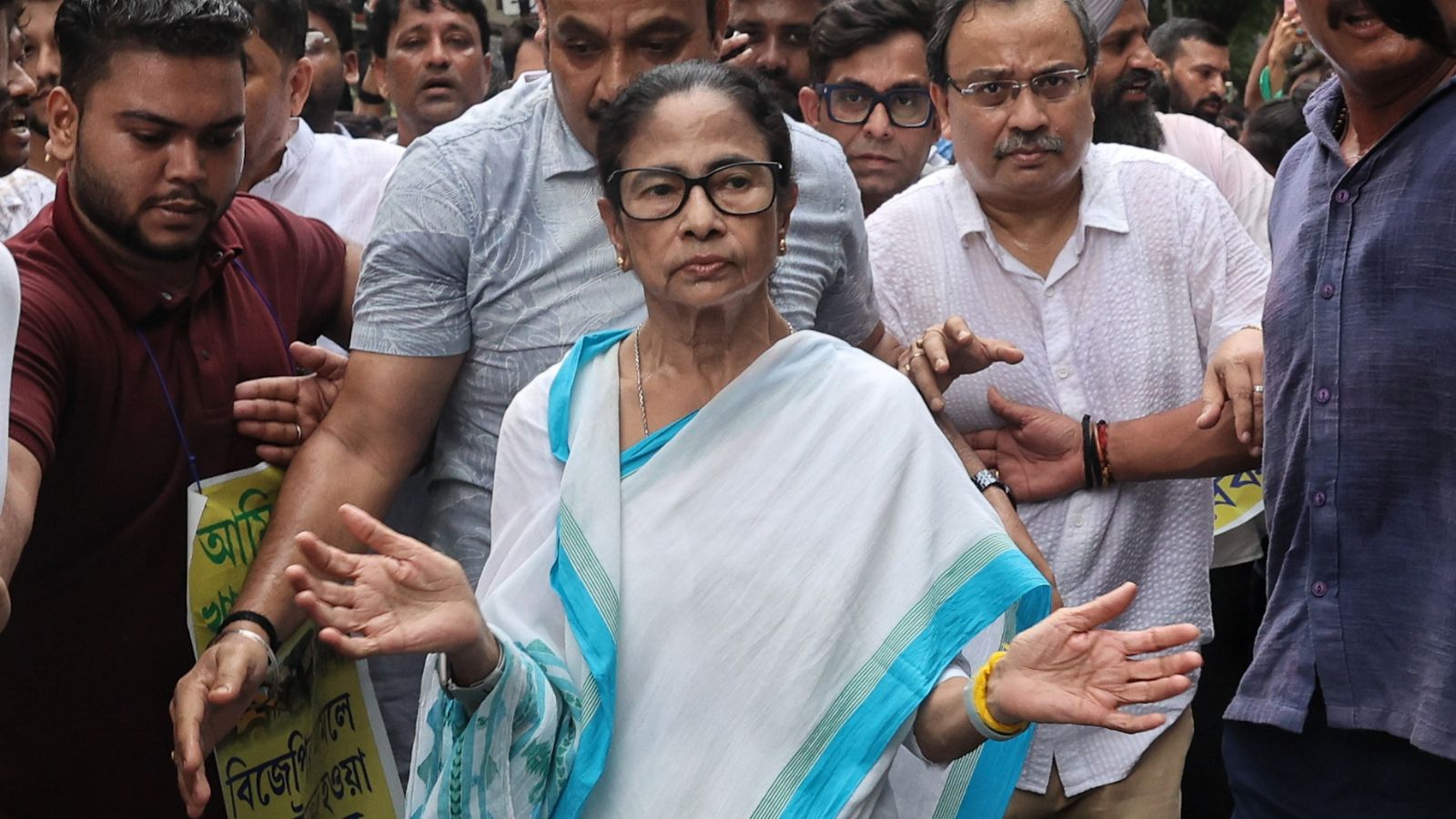
The open letter comes as opposition parties continue to protest over alleged irregularities in voter lists and accusations of vote theft. Opposition leaders have demanded greater transparency and accountability in the electoral process.
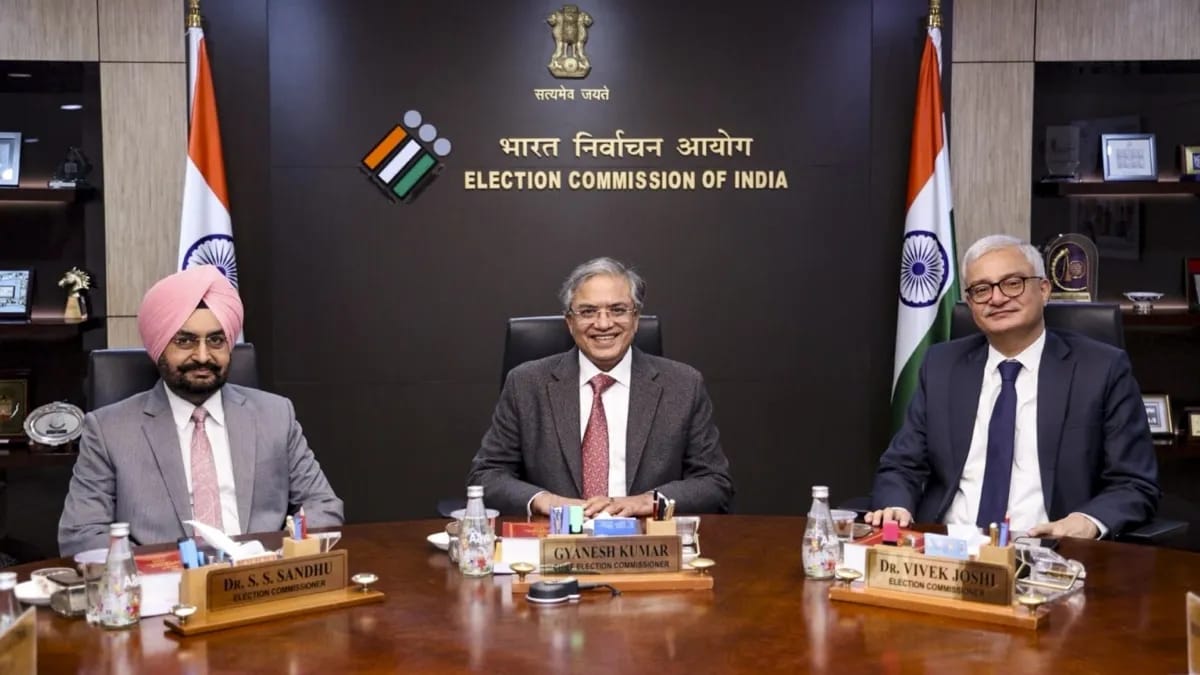
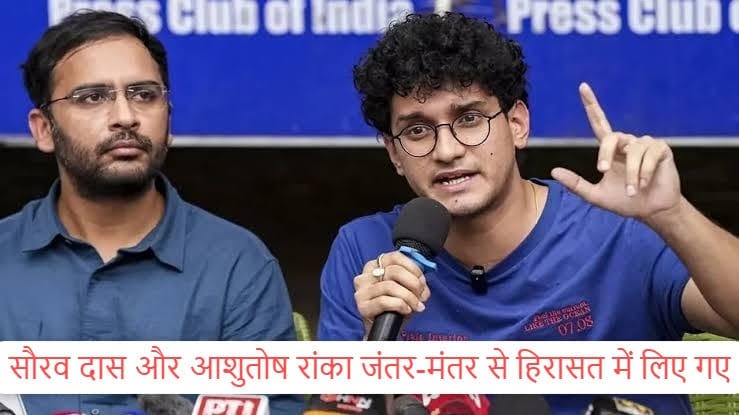
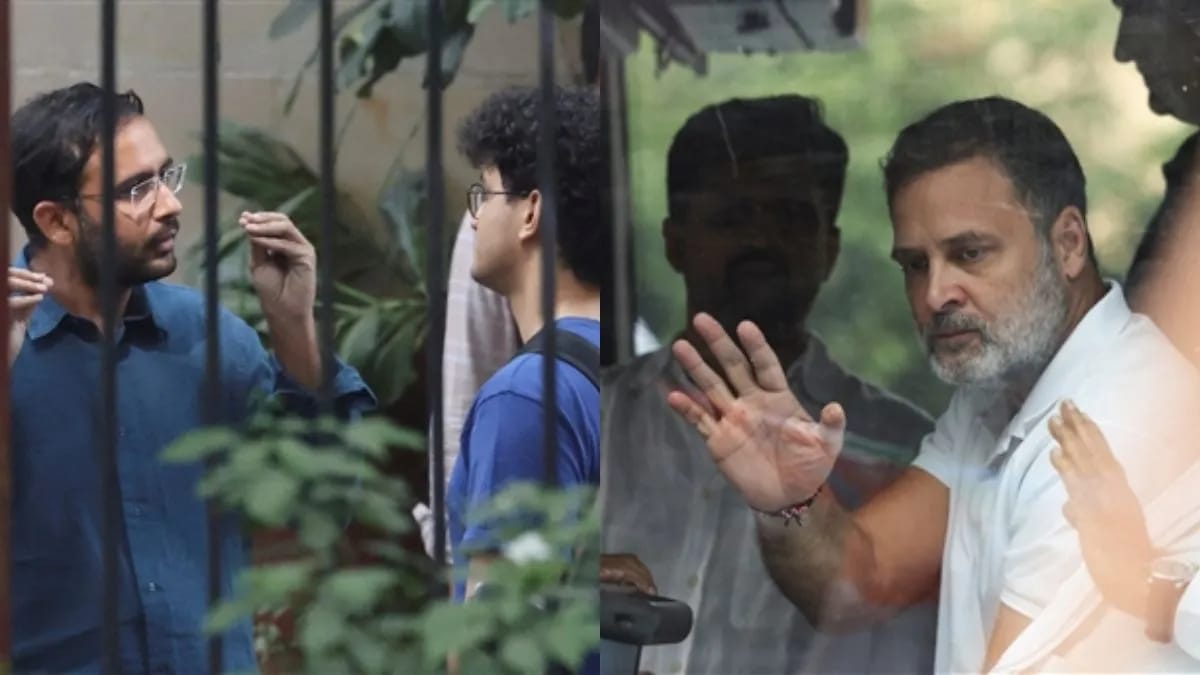
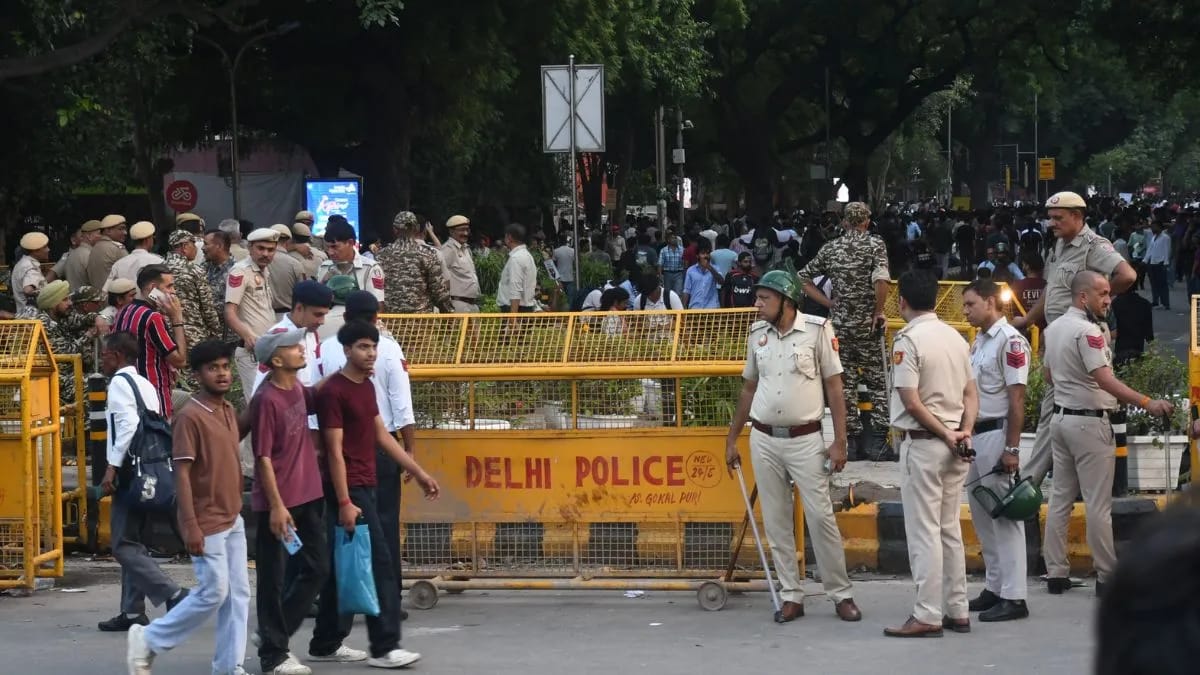
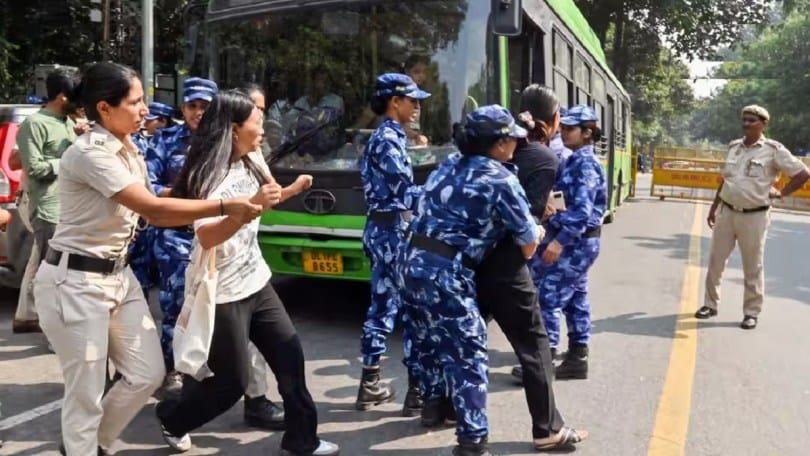
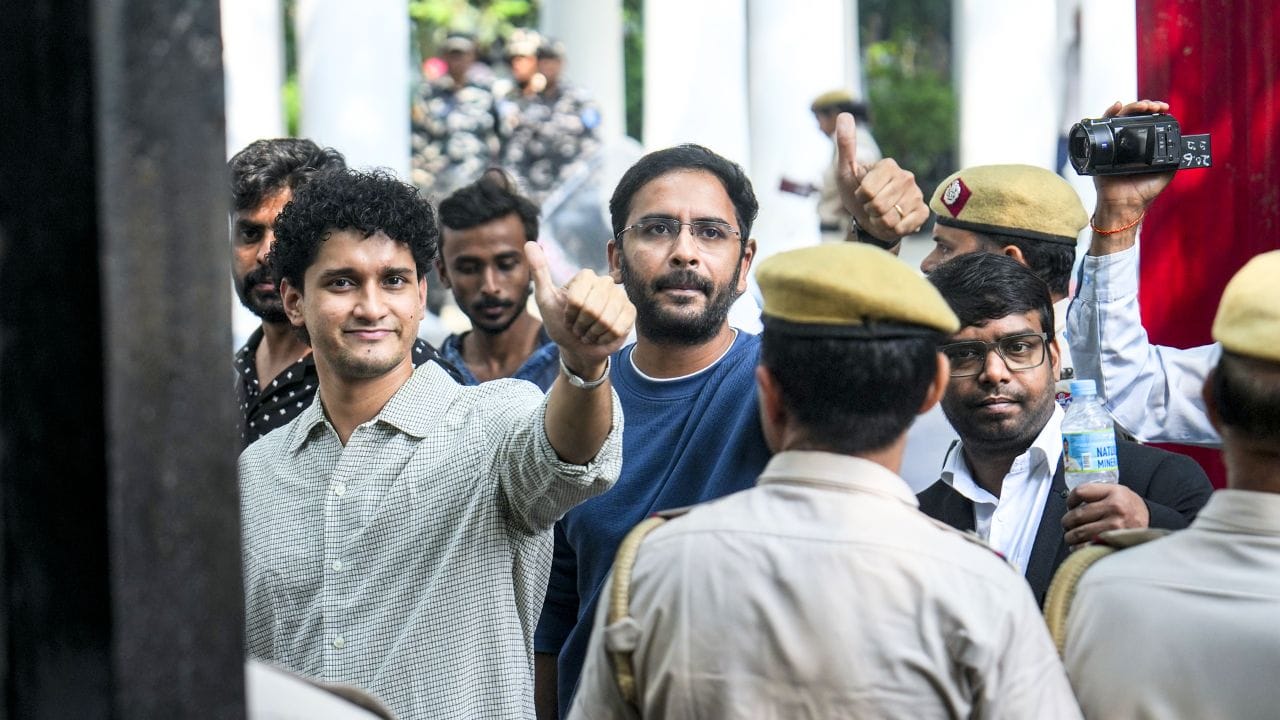
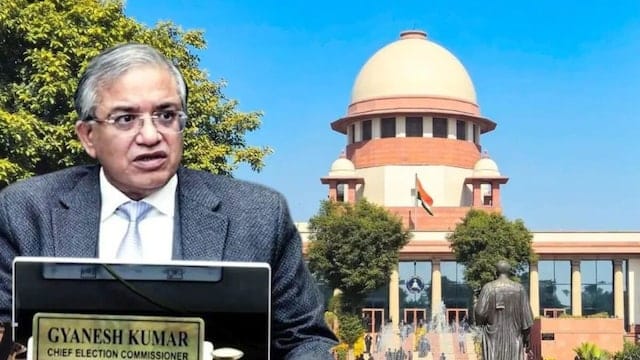
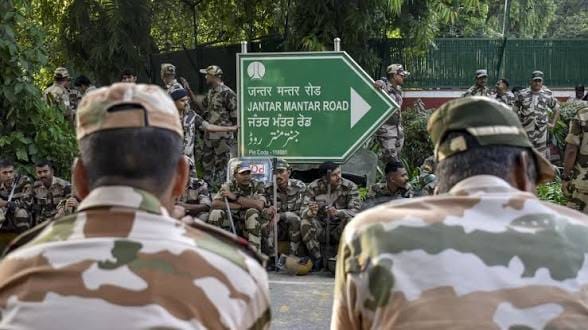
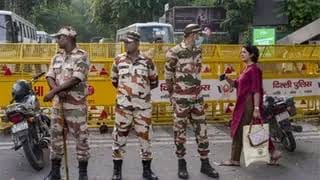
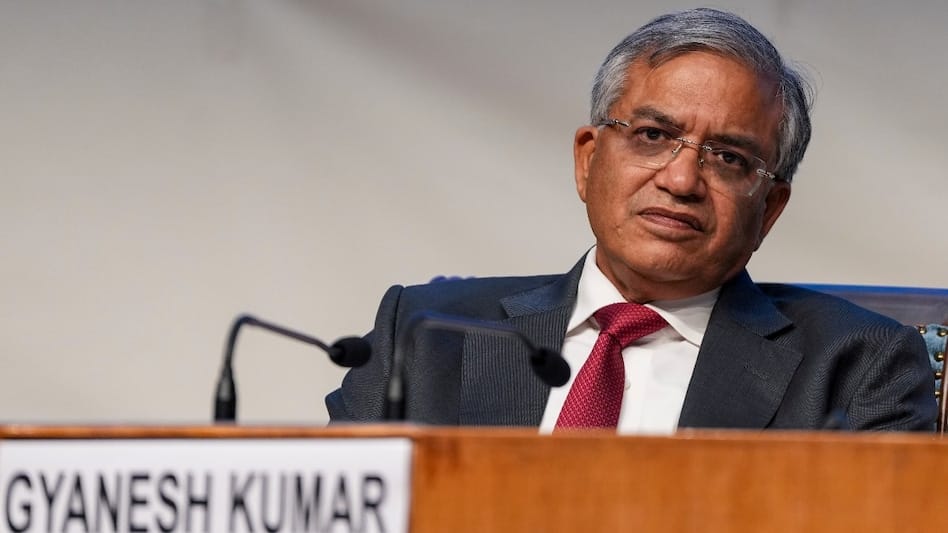
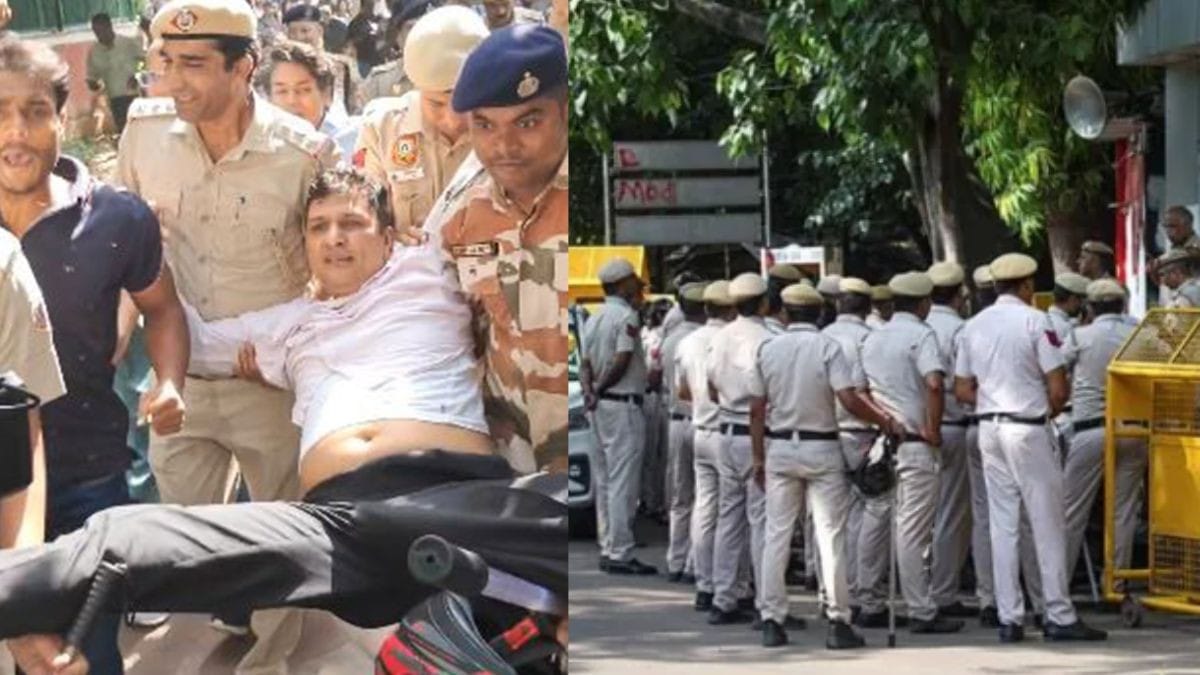
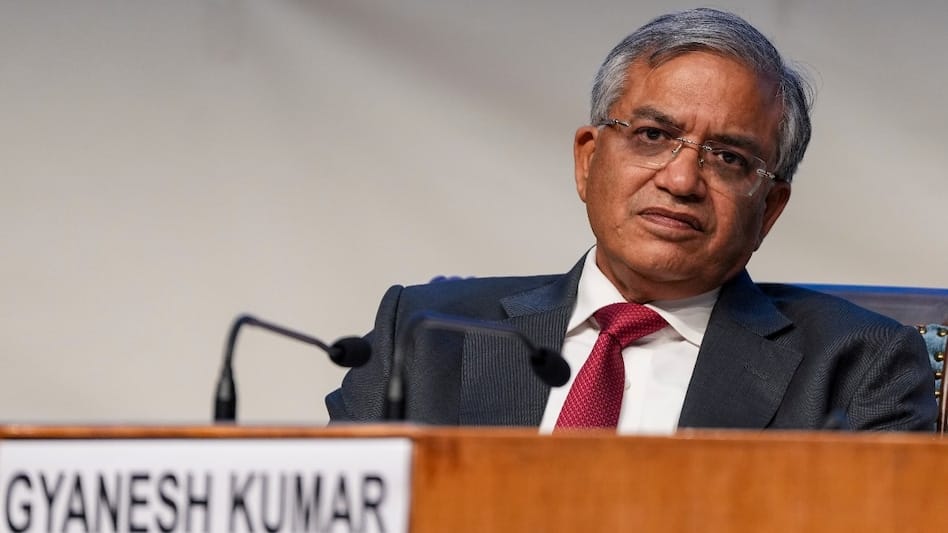
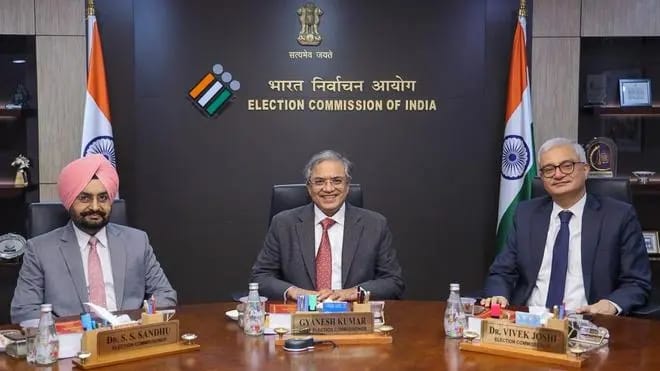
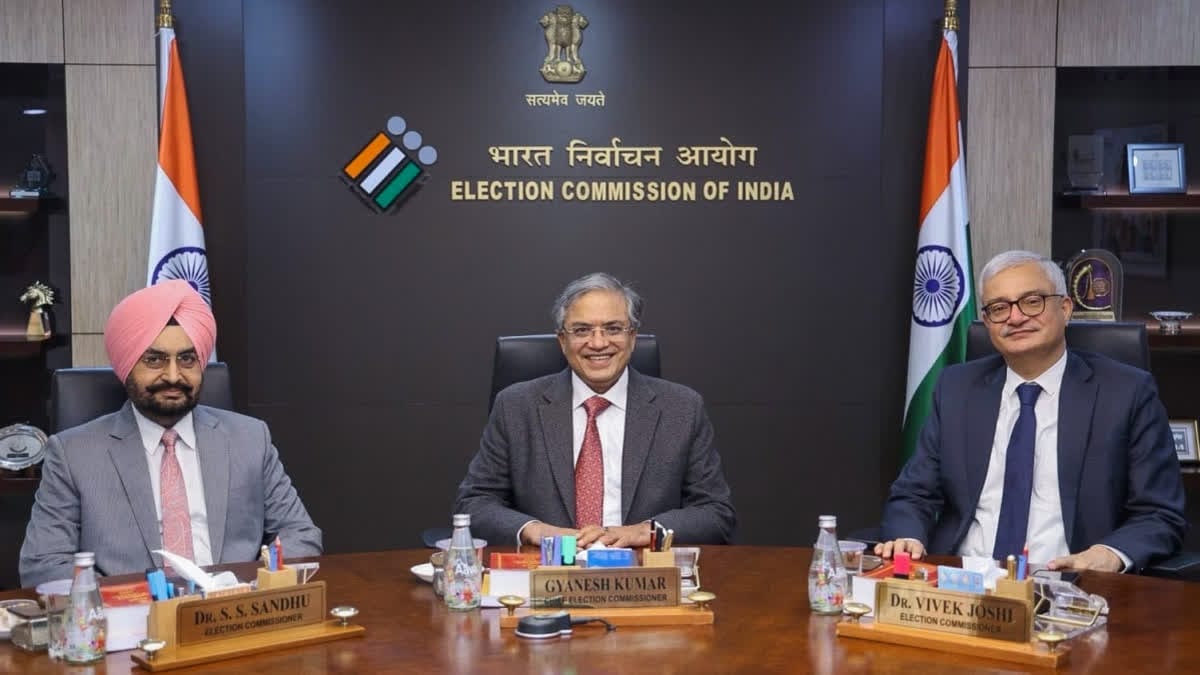
Political tensions have also been visible in Delhi, where protests have taken place against Chief Election Commissioner Gyanesh Kumar. According to the supplied account, several opposition leaders attempting to participate in a protest on Saturday were detained by police.
The incident has added to the ongoing political disagreement between opposition parties and supporters of the Election Commission's handling of the electoral process. The competing positions reflect a wider debate over the credibility of voter lists, institutional accountability and the standards of evidence required when allegations of electoral wrongdoing are made.
Evidence and Accountability Remain Central to the Debate
The letter from the 124 former officials has brought renewed attention to the controversy surrounding the Election Commission and the SIR exercise. While the former bureaucrats have stressed the need for evidence before making allegations of electoral fraud, opposition parties continue to seek answers to their concerns about voter-list irregularities.
The key issue remains how complaints are investigated, how accurate voter lists are maintained and how electoral authorities communicate their findings to the public. A transparent process, the examination of credible evidence and accountability in addressing genuine complaints are central to sustaining confidence in democratic institutions.


.jpg)
.jpg)

.jpeg)


.jpeg)



.jpeg)


.jpeg)
.jpeg)


.jpeg)
.jpeg)

.jpeg)
.jpeg)






.jpeg)







.jpeg)

.jpeg)

.jpeg)
.jpeg)










.jpeg)


.jpeg)


.jpeg)