

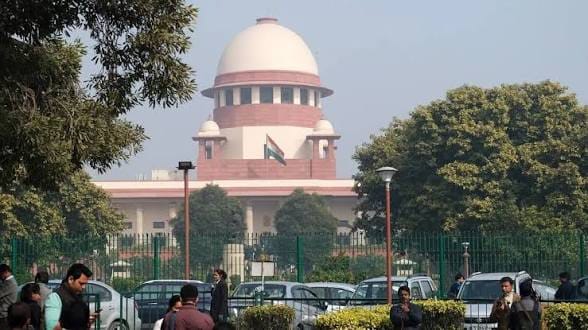
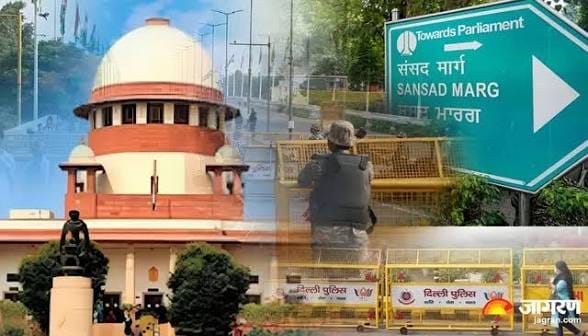
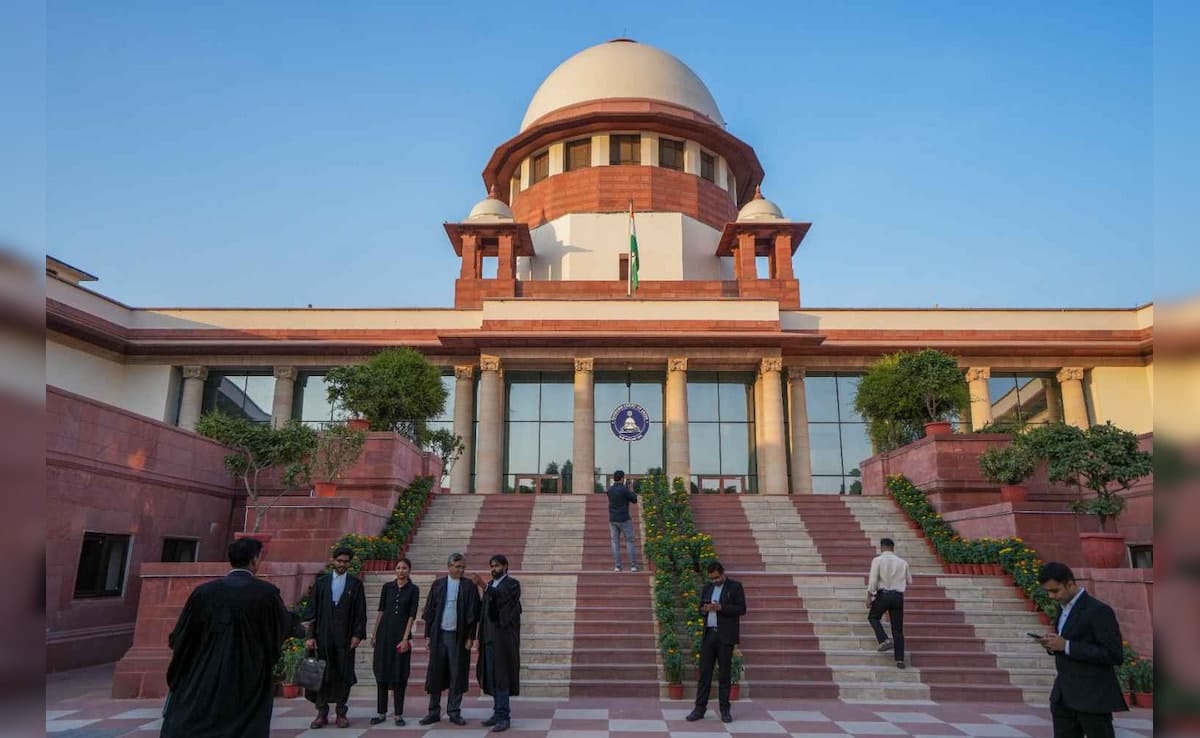
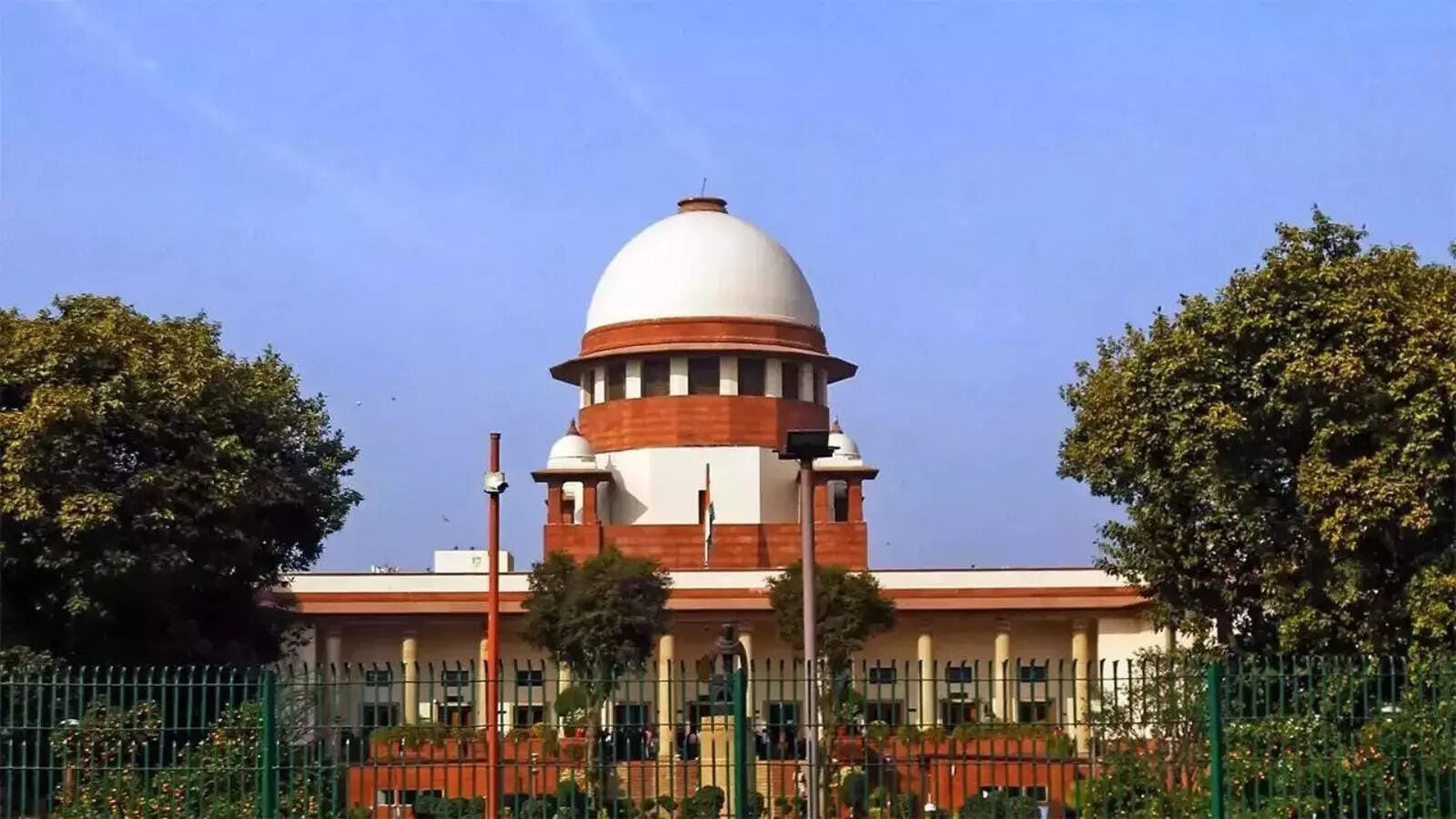
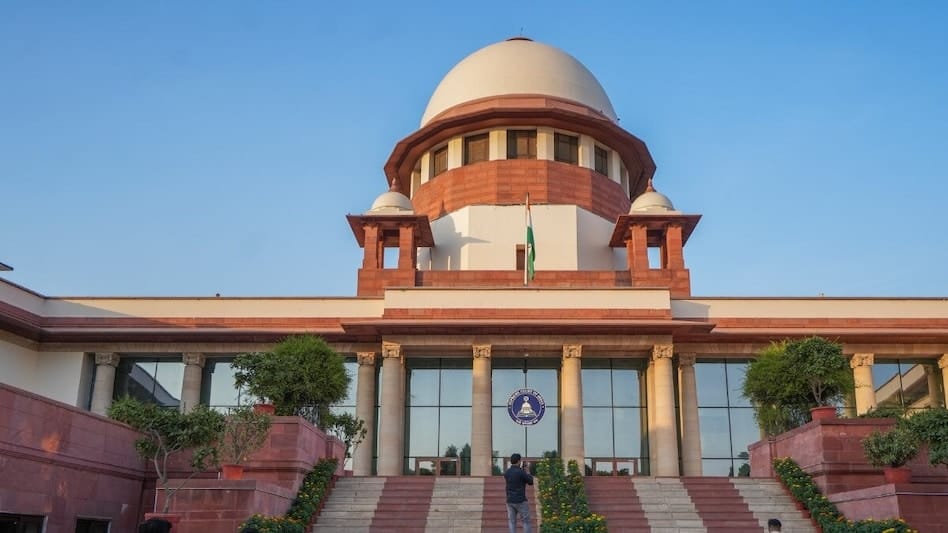
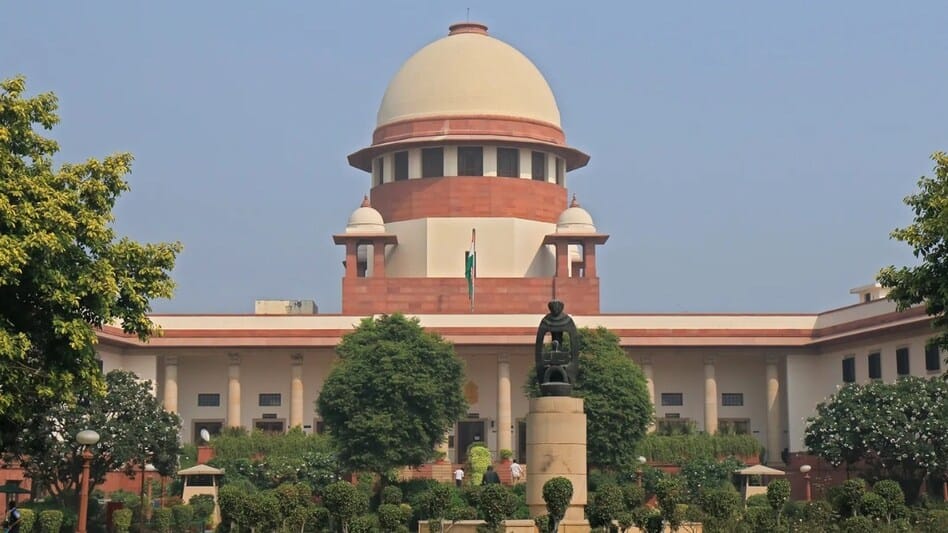
The Supreme Court has issued an important clarification regarding the revised Form-6 used in the electoral registration process. During proceedings related to Bihar's Special Intensive Revision (SIR) of electoral rolls, the court did not deliver any judicial ruling on the new version of Form-6. It also clarified that the changes made by the Election Commission to the form had not received judicial approval from the court, as the issue had not been placed before it for consideration at that time.
The clarification comes amid questions about claims that the revised form and its declaration had been approved by the Supreme Court in an earlier judgment concerning Bihar's SIR process. The court's remarks make it clear that the earlier judgment should not be interpreted as judicial approval of changes to a form that was not under consideration in those proceedings.
What Happened During the Hearing?
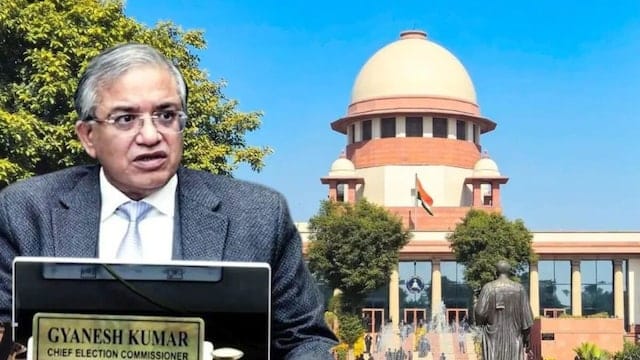
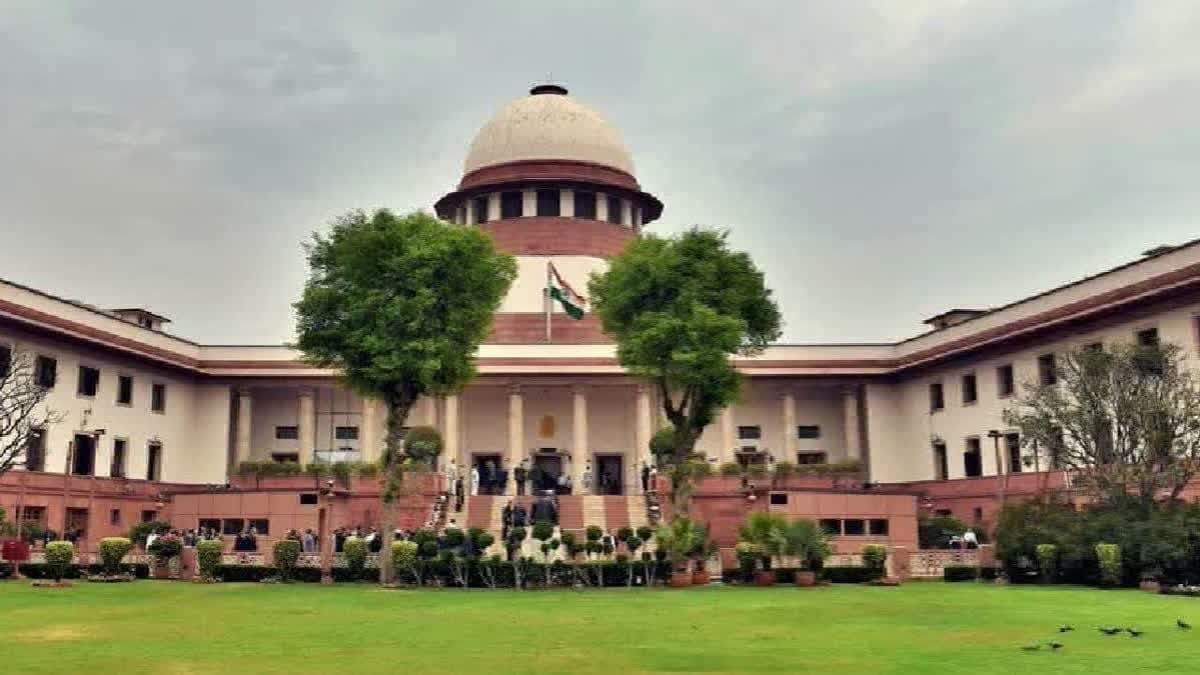
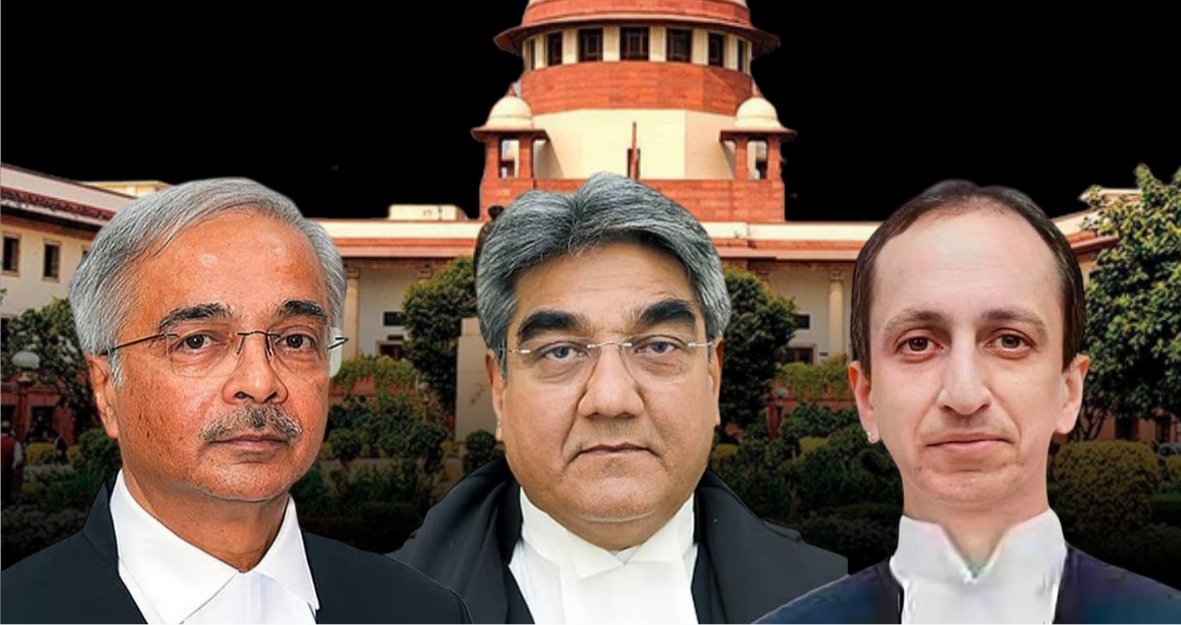
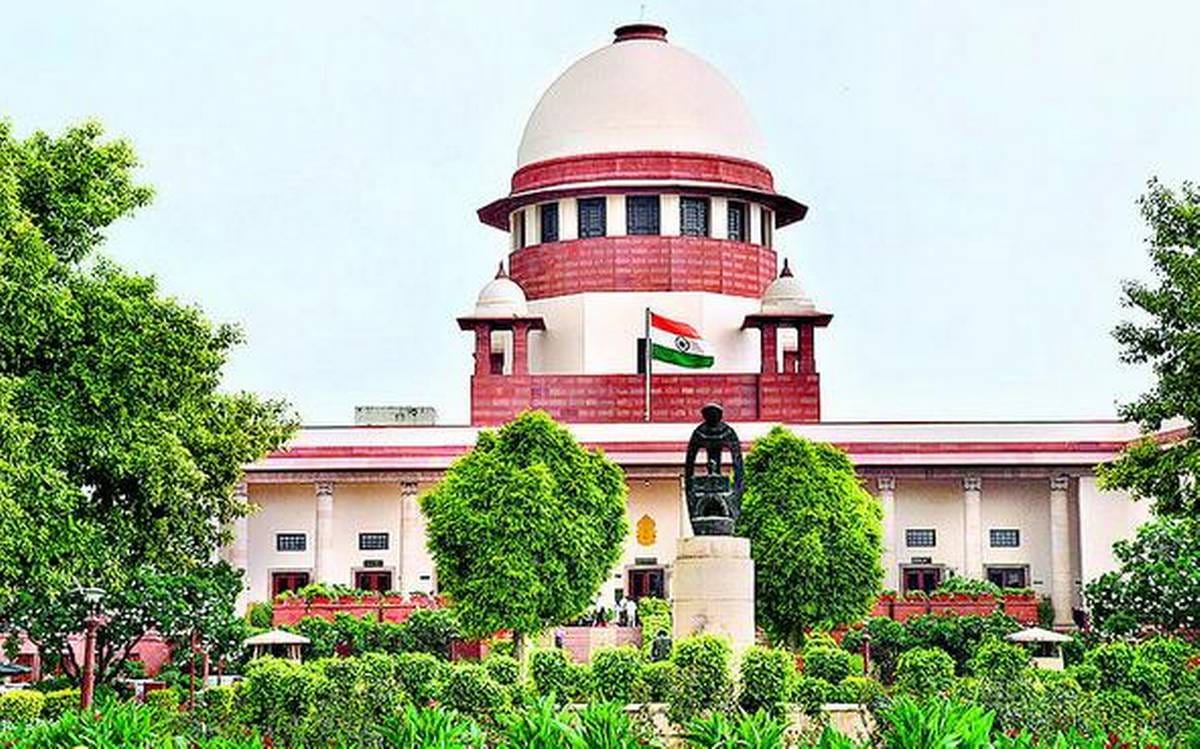
On Monday, a bench comprising Chief Justice Surya Kant, Justice Joymalya Bagchi and Justice V. Mohana was hearing a petition related to the Special Intensive Revision of electoral rolls in Bihar.
During the hearing, the petitioner's lawyer informed the court that the Election Commission had reportedly claimed that the Supreme Court had approved the new Form-6. In response, the bench clarified the position.
Justice Joymalya Bagchi stated that the revised Form-6 had not been before the court for consideration during the hearings concerning Bihar's SIR. Since the issue was not presented to the court, there was no question of the court having delivered a judicial ruling on it or granted approval to the revised form.
The clarification highlights an important legal distinction: a judgment delivered in one proceeding cannot automatically be treated as approval of changes that were not directly considered by the court. To determine the legal status of the revised Form-6, it is necessary to examine the relevant orders, official notifications and applicable rules separately.
What Is Form-6 and Why Is It Important?
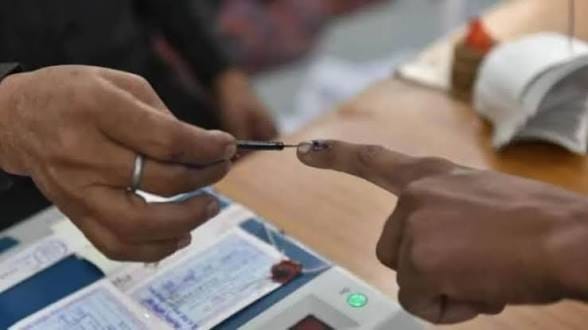
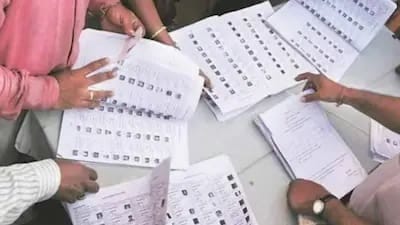
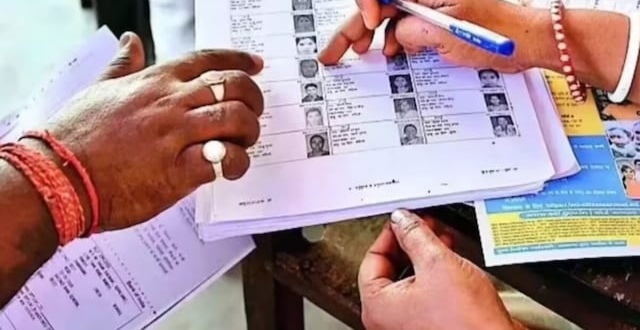
Form-6 is an official application form used by eligible Indian citizens to request the inclusion of their names in the electoral roll. Registration in the electoral roll is an essential part of the process for becoming eligible to vote, subject to the applicable legal requirements.
The form requires applicants to provide prescribed information and declarations. The Election Commission may revise electoral registration forms and procedures in accordance with the relevant rules. However, the validity of an amendment, the procedure for implementing it and whether a court has approved it are separate legal questions.
During Bihar's SIR exercise, issues concerning voter registration, eligibility and supporting documents have been important areas of discussion. In this context, clarity about the revised Form-6 is significant because it establishes what the Supreme Court actually considered and what it did not decide.
Supreme Court Had Issued a Similar Clarification on October 5
On October 5, while hearing a separate petition, the Supreme Court had also stated that it had not approved amendments made by the Election Commission to Form-6 during electoral roll revisions in different states.
The court had clarified the distinction between its earlier orders and the subsequent changes made to the form. Monday's remarks address the same issue. The court reiterated that the revised Form-6 had not been before it for consideration in the Bihar SIR proceedings and, therefore, no judicial ruling had been delivered on that version of the form.
The clarification also underlines the importance of reading judicial orders in their proper context. The subject matter and scope of a judgment must be considered before drawing conclusions about whether a court has approved a particular administrative change.
Why Did the Election Commission's Claim Come Under Scrutiny?
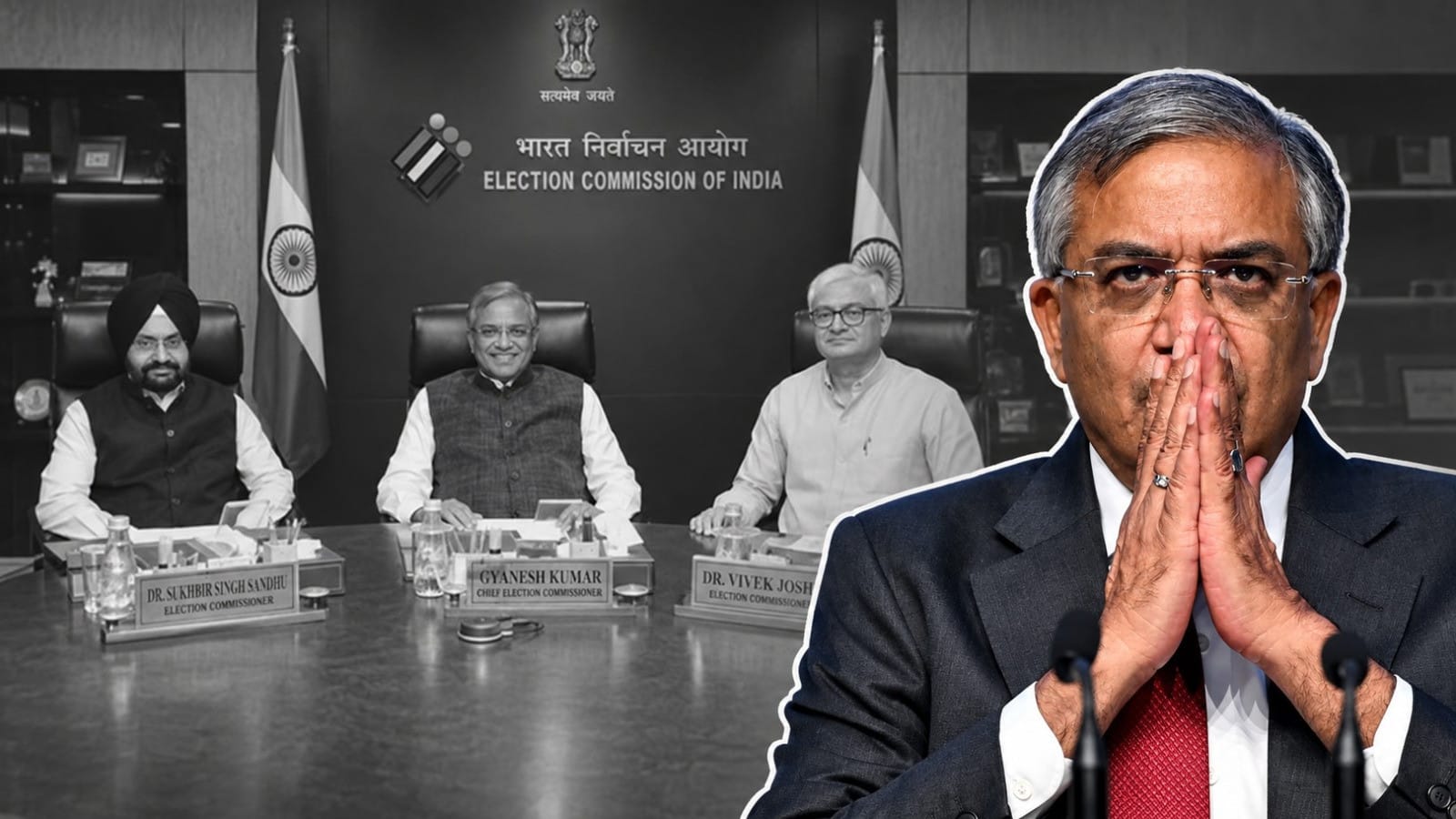
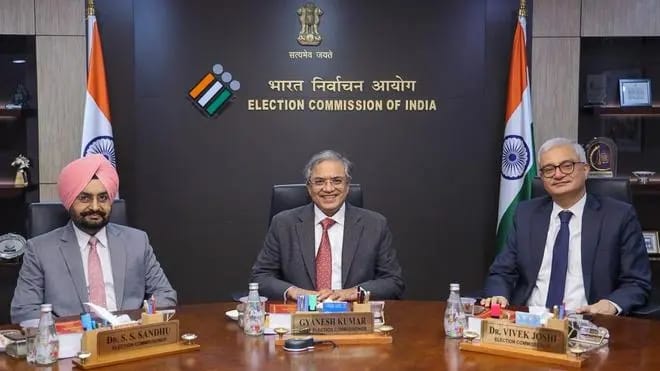
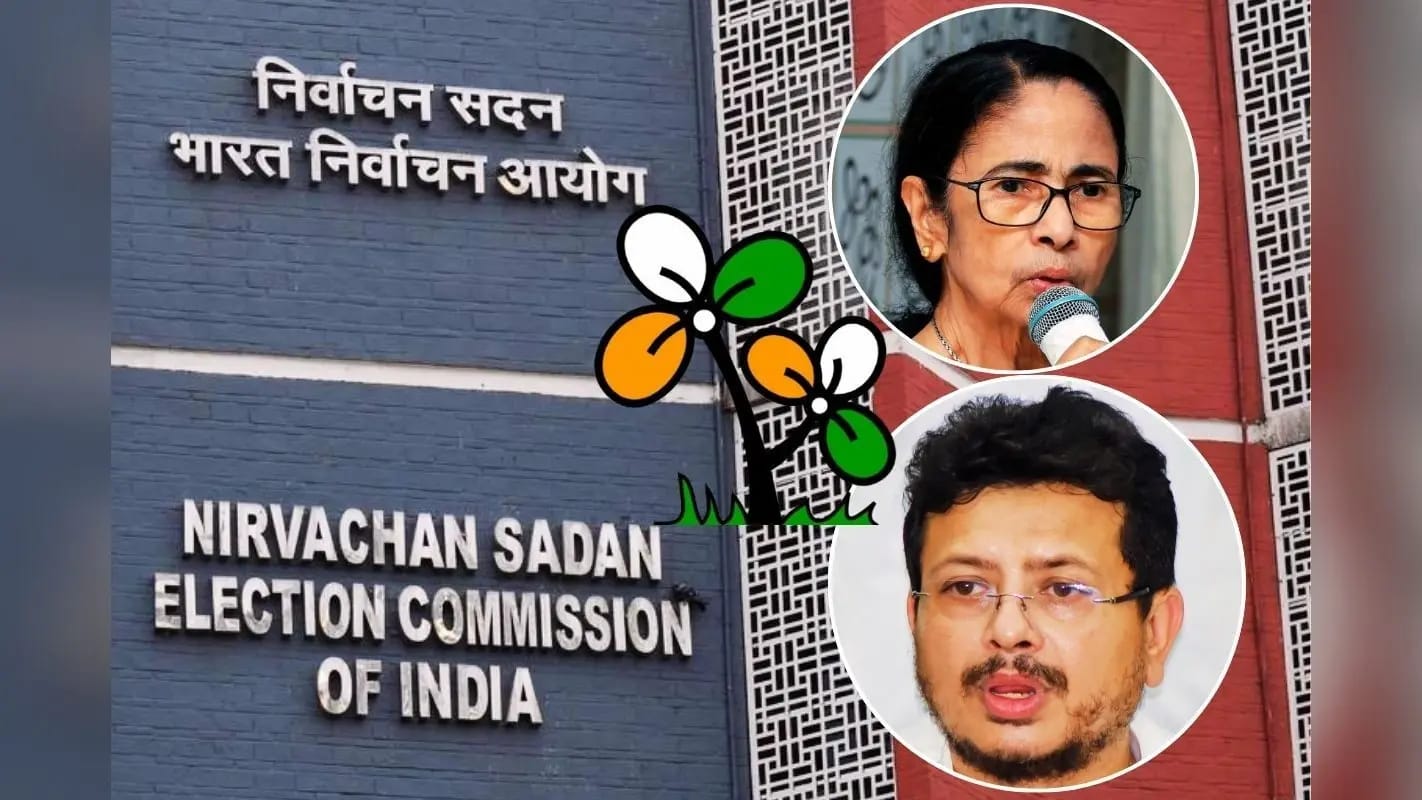
On September 26, the Election Commission issued a press release indicating that the Supreme Court had upheld the declaration contained in Form-6 in its May 2026 judgment concerning Bihar's SIR. This led to questions about whether the court had actually ruled on the revised form or the amendments made to it.
In its latest clarification, the Supreme Court stated that the revised Form-6 had not been before it during the relevant proceedings. As a result, the court had neither delivered a judicial ruling on the revised form nor approved the changes made by the Election Commission.
The court's statement draws a distinction between the earlier judgment and the claim that it approved the revised form. A complete understanding of the legal position would nevertheless require examining the relevant judgments, official notifications and applicable electoral registration rules.
What Could This Mean for Bihar's Electoral Roll Revision?
The Special Intensive Revision of electoral rolls in Bihar has raised several legal and administrative questions. The exercise involves examining voter records and making necessary updates to electoral rolls. This can include verifying details, addressing registration applications and ensuring that eligible voters are included according to the applicable rules.
The Supreme Court's clarification establishes that its approval of the revised Form-6 cannot be claimed on the basis of the Bihar SIR proceedings described during the hearing. However, the statement should not automatically be interpreted as a judicial declaration that every amendment to Form-6 is invalid. The court's specific point was that it had not ruled on those amendments.
The future legal position will depend on the applicable rules, official directions issued by the Election Commission and any further judicial proceedings. For now, the Supreme Court has clarified that it did not grant judicial approval to the revised Form-6 during the Bihar SIR case.






.jpg)
.jpg)

.jpeg)







.jpeg)








.jpeg)




.jpeg)

.jpeg)












.jpeg)
.jpeg)


.jpeg)
.jpeg)

















.jpeg)














.jpeg)



.jpeg)


.jpeg)


.jpeg)

















.jpeg)


.jpeg)


.jpeg)