
RSS Holds Centenary-Year Vijayadashami Event in Nagpur
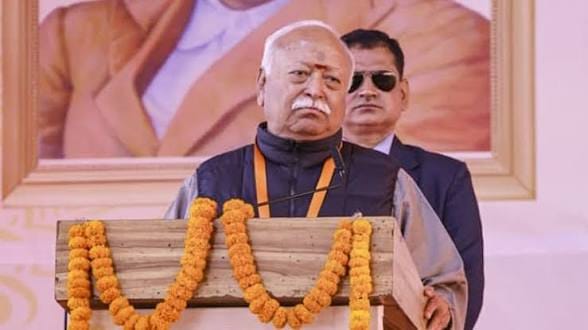
The Rashtriya Swayamsevak Sangh (RSS) organised its Vijayadashami programme in Nagpur as part of its centenary-year celebrations, marking 100 years of the organisation. The annual Vijayadashami event is an important occasion for the RSS, during which its chief addresses issues concerning the organisation, Indian society, national identity and the country's future.
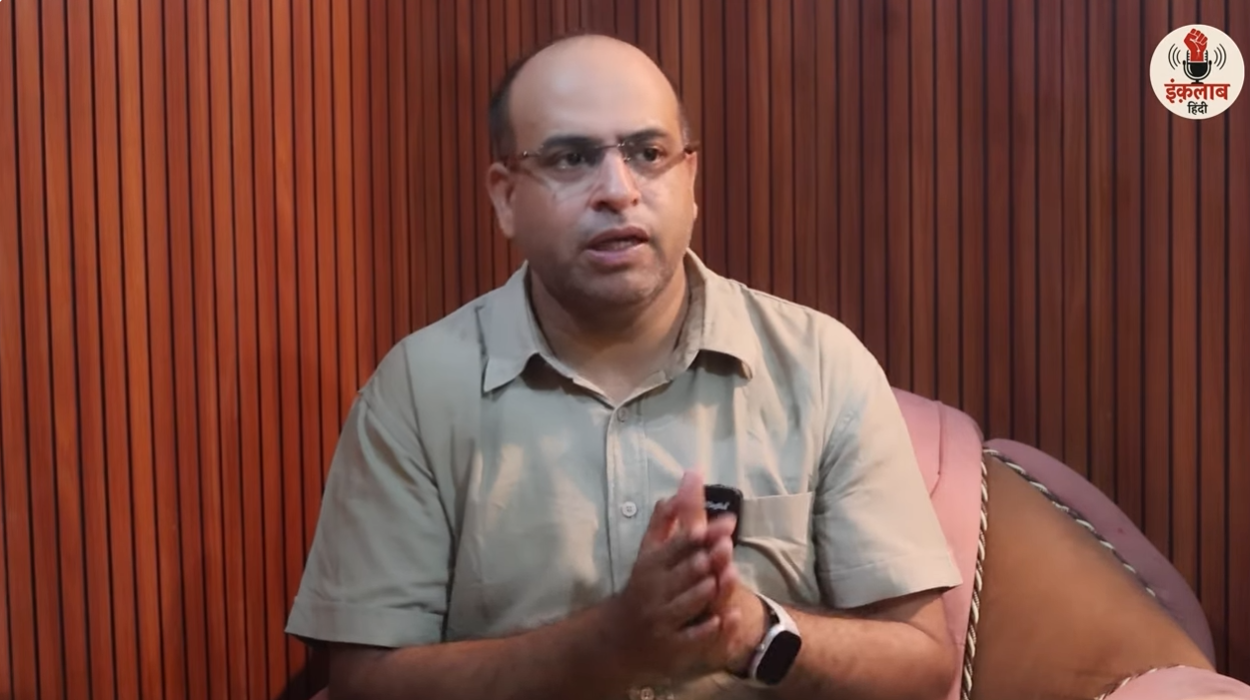
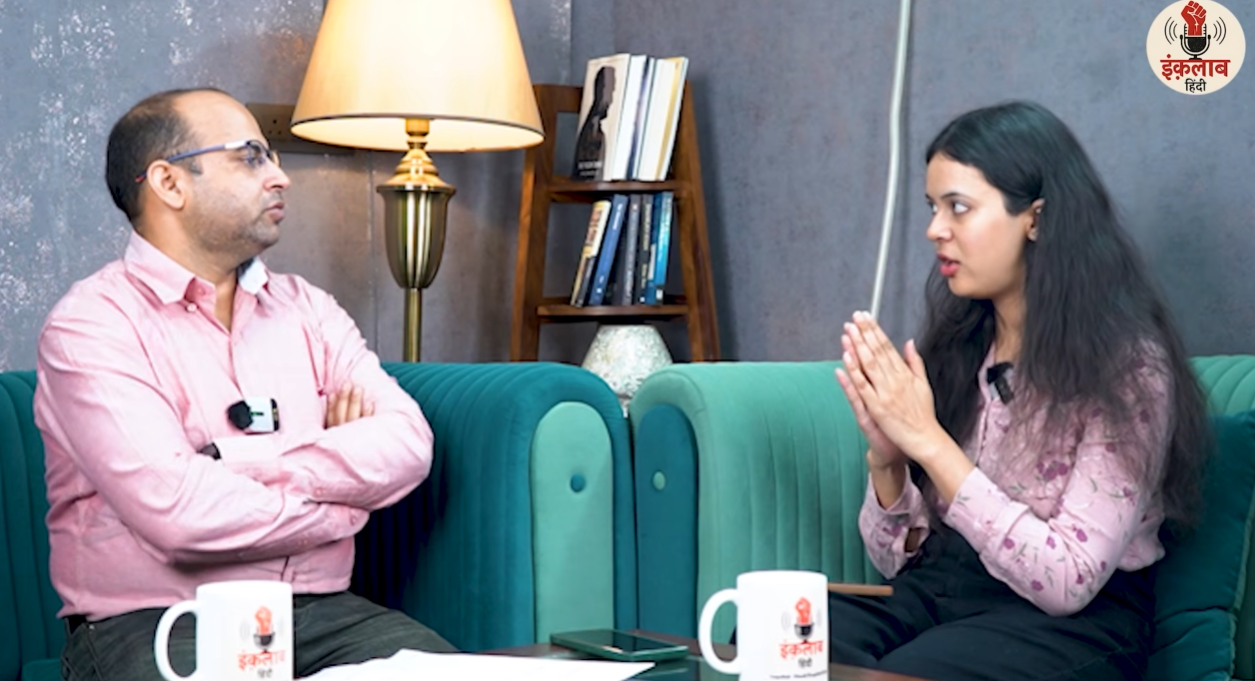
RSS chief Mohan Bhagwat delivered an address covering a wide range of subjects, including political developments, national unity, social responsibility, global instability and the growing influence of technology. Senior editor Sanjay Gupta attended the event as the chief guest.
During his speech, Bhagwat commented on the idea of regime change in India and political developments in other countries. He said that regime change had never taken place in India and would not happen in the future. He alleged that some political leaders wanted to replace those in power and install people who supported them.
Mohan Bhagwat's Remarks on Regime Change
Bhagwat discussed the term “regime change” in the context of political developments and instability across the world. He maintained that India would not witness such a change in its political system, adding that some leaders allegedly sought to change those in power in order to place their preferred people in positions of authority.
Referring to developments in different parts of the world, Bhagwat said that actions being carried out in the name of regime change were affecting several countries, including those considered progressive. His remarks reflected his concerns about political instability and the wider implications of international developments.
His statements about the intentions of political leaders represent his assessment of the situation. The speech also highlighted the importance he placed on India's political stability, national interests and social cohesion.
Vande Mataram and the Message of National Unity
Bhagwat also spoke about Vande Mataram, describing it as a source of inspiration for national unity and self-respect. Referring to the historical context of the partition of Bengal, he said the song had played an important role in inspiring people to stand together against divisive developments.
According to Bhagwat, Vande Mataram continues to inspire a sense of unity and devotion towards the motherland. He said people should have no hesitation or objection to singing the national song in its entirety and with pride.
His remarks emphasised the significance of national symbols and the role they can play in strengthening collective identity. He also highlighted the importance of respect for the country and a shared sense of responsibility among citizens.
Hindu Society, Inclusiveness and Social Harmony
The RSS chief also addressed the issue of Hindu social unity. He said that working towards an organised and strong Hindu society did not necessarily conflict with respect for different faiths or the emotional unity of the nation.
Bhagwat described inclusiveness as an important feature of Hindu society and said that social traditions and values could contribute to harmony, good conduct and a sense of shared responsibility.
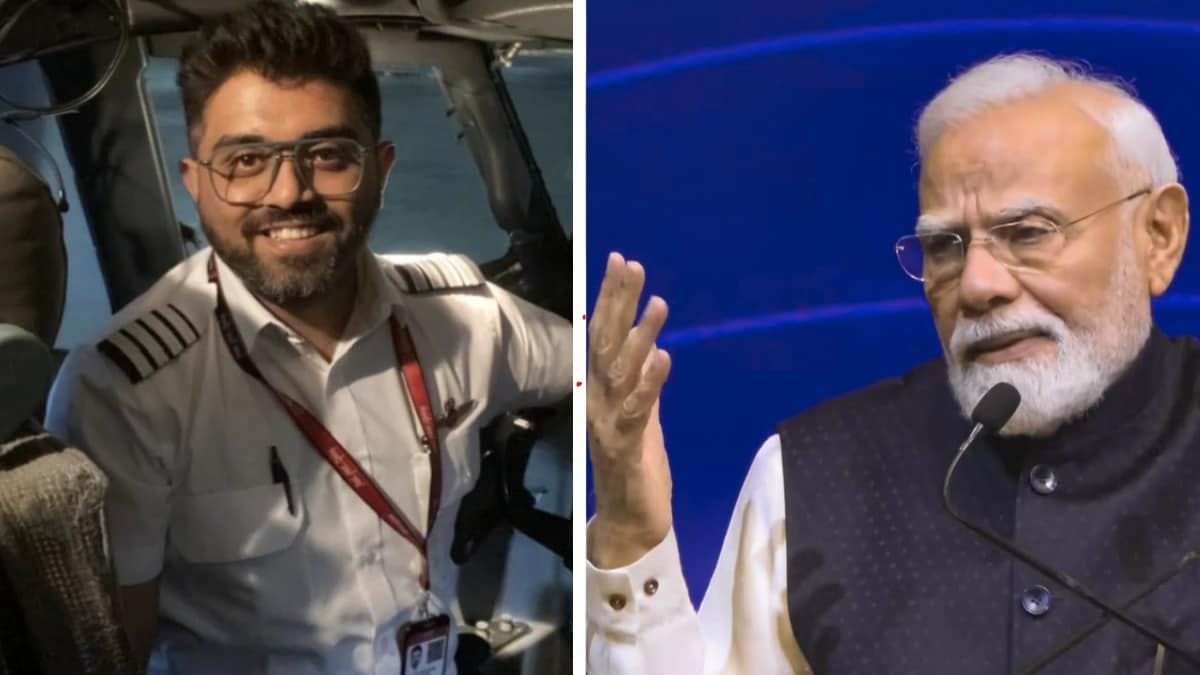
He referred to Captain Smit Machhar while discussing the values that motivate individuals to protect others, even at considerable personal risk. According to Bhagwat, values passed down through generations can encourage people to act selflessly and help protect human lives.
His remarks focused on the relationship between social values, individual responsibility and the wider interests of society. He presented social harmony and concern for others as important elements of national unity.
Protests Should Focus on Finding Solutions
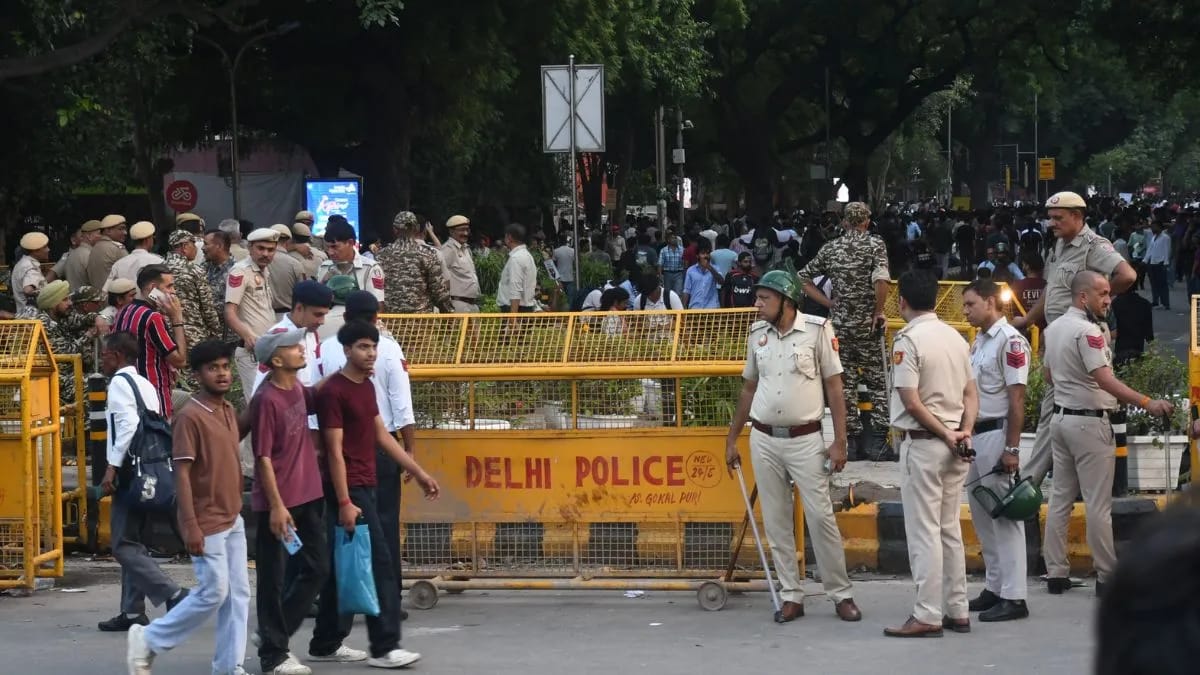
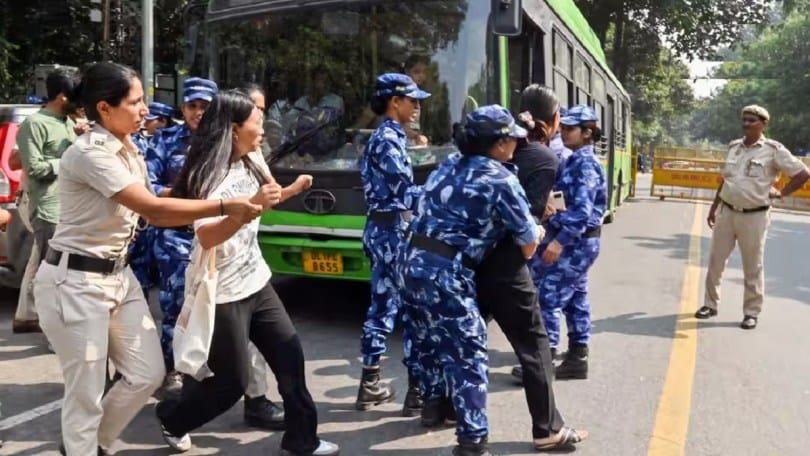
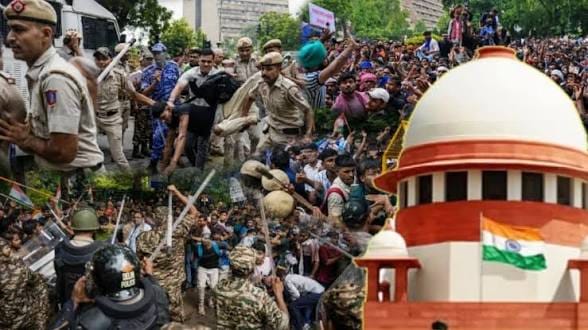
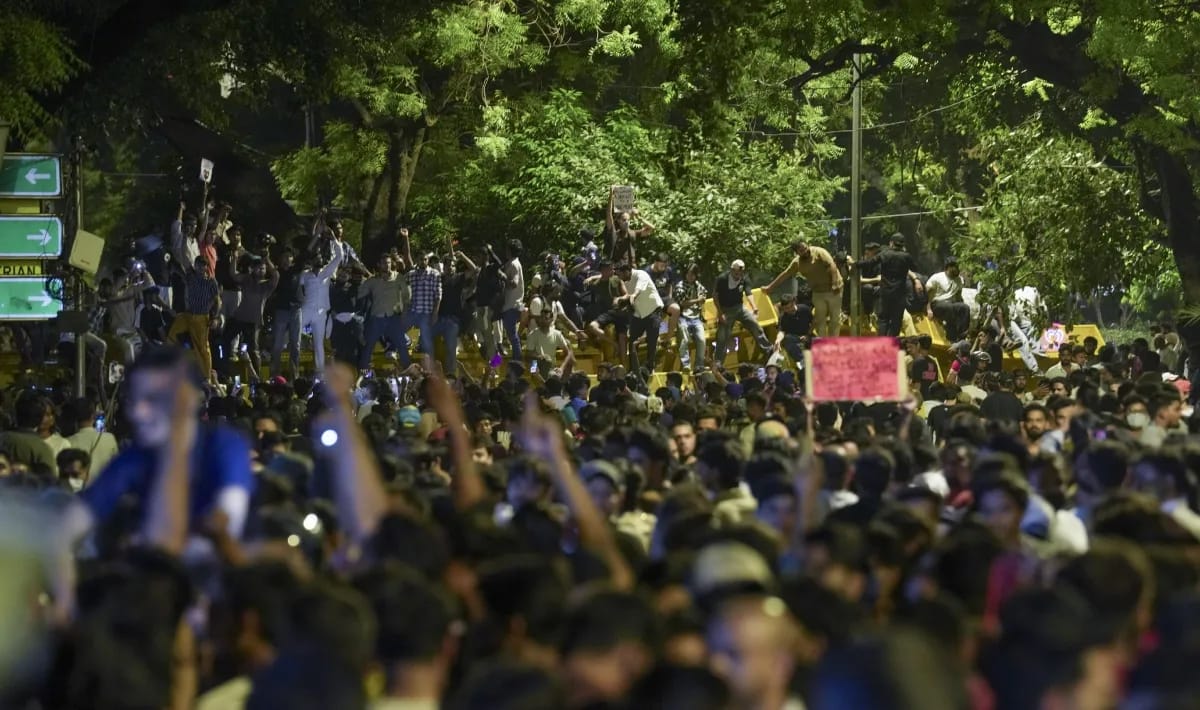
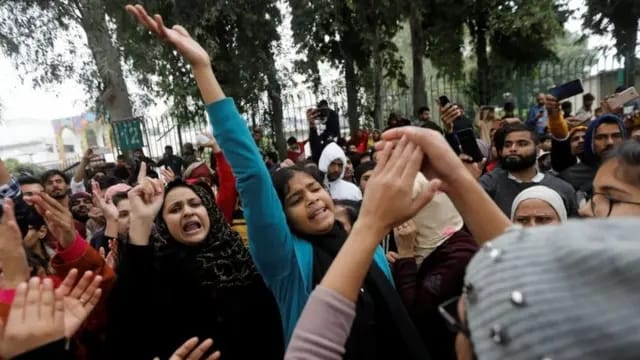
Bhagwat also discussed the role of protests in a democratic society. He said India was progressing, but the development process was not yet complete. As a result, problems would continue to arise, and protests and public movements would remain part of democratic life.
He emphasised that the purpose of a movement should be to find solutions rather than simply oppose a particular decision or policy. According to him, democratic protests should help address problems and contribute to constructive outcomes.
Bhagwat also cautioned against actions that could create hostility, hatred or divisions within society. He said people should raise their concerns responsibly while ensuring that their actions did not damage social harmony.
His remarks highlighted the importance of balancing the right to express disagreement with the responsibility to preserve peace and mutual understanding. He stressed that the ultimate objective of public movements should be to resolve issues and strengthen society.
France, Albania, Bangladesh and Nepal Mentioned
Referring to international developments, Bhagwat mentioned France, Albania, Bangladesh and Nepal while discussing political instability in different parts of the world. He argued that events in these countries should be viewed in the context of broader global developments.
Bhagwat described the developments as part of a planned conspiracy and linked them to activities carried out in the name of regime change. However, this characterisation was his assessment, and his speech did not independently establish that all the events mentioned were connected to a single coordinated operation.
He said political instability was affecting countries across the world, including nations regarded as progressive. His comments reflected concerns about international political developments and their possible implications for national stability.
Freedom Fighters and Veer Savarkar's Sacrifice
Bhagwat also spoke about the sacrifices made by freedom fighters and Veer Savarkar. He said their relationship with the country was not based on a deal, contract or personal benefit, but on unconditional affection and dedication towards the motherland.
According to him, commitment to the nation should come from a sense of duty and responsibility rather than the expectation of personal gain. He highlighted the importance of remembering the sacrifices of those who contributed to India's freedom struggle.
His remarks also underlined the role of historical memory in shaping the outlook of future generations. He called attention to the values of dedication, service and responsibility associated with the country's freedom movement.
Ethical Discipline Is Essential in the Age of AI
The RSS chief discussed the growing role of artificial intelligence and modern technology, warning that technological progress without ethical discipline could have serious consequences.
Bhagwat said technology offered numerous benefits and that its development could not simply be stopped. However, he stressed that the purpose and manner of its use were just as important as technological advancement itself.
He argued that technology should be used with responsibility, sound judgement and an awareness of its potential impact on society. Without appropriate ethical safeguards, technological capabilities could be misused and lead to harmful outcomes.
Bhagwat also referred to India's traditional philosophical outlook, which views the world as one family. He said this perspective could contribute to a balanced and sustainable model of development based on cooperation, restraint and a sense of interconnectedness.
Preparing the Next Generation for Greater Responsibilities
Bhagwat said the responsibility of preparing India for the future would largely rest with the coming generations. He noted that discussions about India becoming a global knowledge leader must be accompanied by efforts to equip young people to handle the responsibilities associated with that ambition.
According to him, education and technical knowledge alone would not be sufficient. The next generation would also need ethical values, sound judgement and a strong sense of social responsibility.
He described knowledge and technology as tools whose value depends on how they are used. Their impact, he said, would be determined by the direction in which they were applied and the level of wisdom guiding their use.
Bhagwat's remarks highlighted the need to combine technological progress with ethical decision-making and public responsibility. He suggested that such an approach could help ensure that development benefits society more broadly.
Key Themes of Bhagwat's Centenary-Year Address
The RSS chief's Vijayadashami address covered political stability, national identity, social harmony, democratic protests, international developments and the responsible use of technology.
He emphasised the importance of national unity, respect for Vande Mataram, constructive approaches to public movements and ethical discipline in the age of artificial intelligence. He also highlighted the responsibility of preparing future generations to contribute to India's development.



.jpg)
.jpg)


.jpeg)




.jpeg)

.jpeg)


.jpeg)
.jpeg)





.jpeg)

.jpeg)

.jpeg)
.jpeg)






.jpeg)








.jpeg)
.jpeg)
.jpeg)


.jpeg)










.jpeg)


.jpeg)


.jpeg)