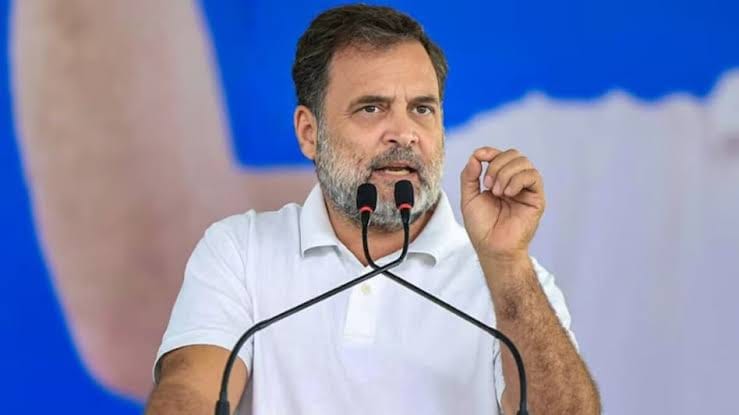


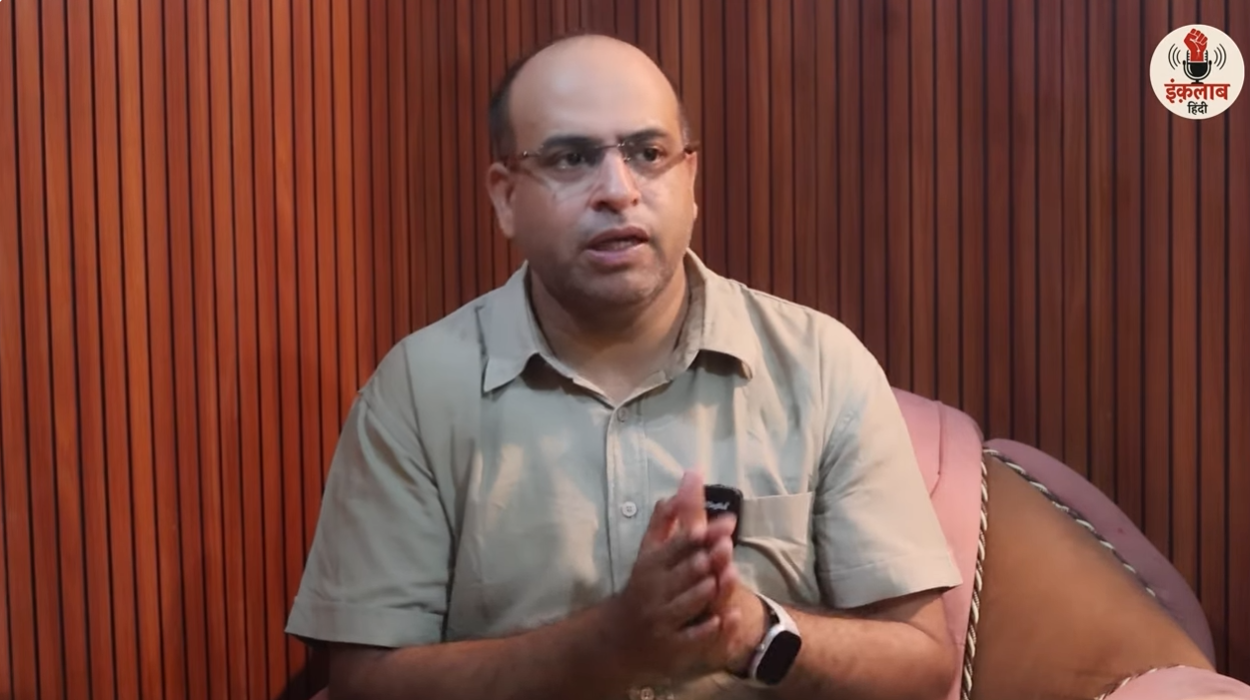

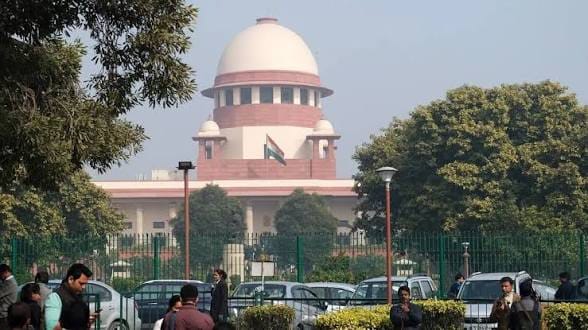
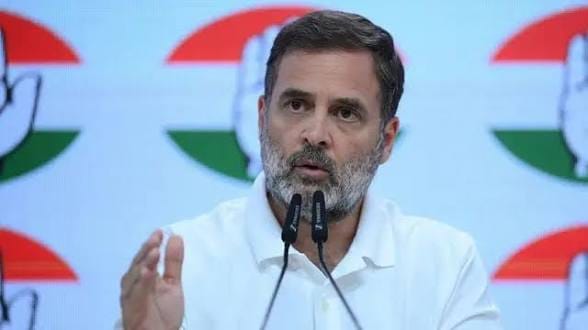
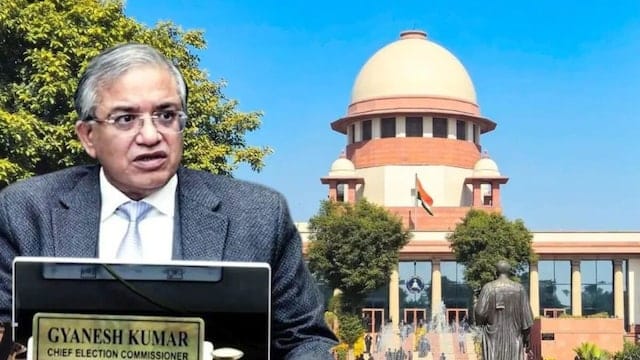
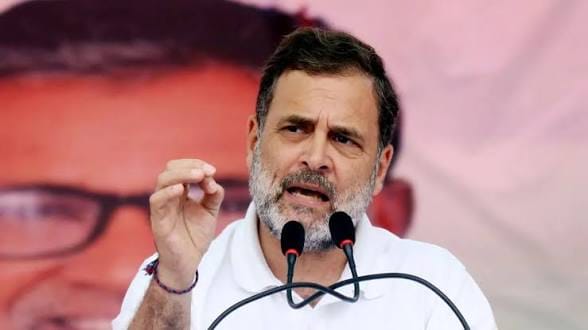
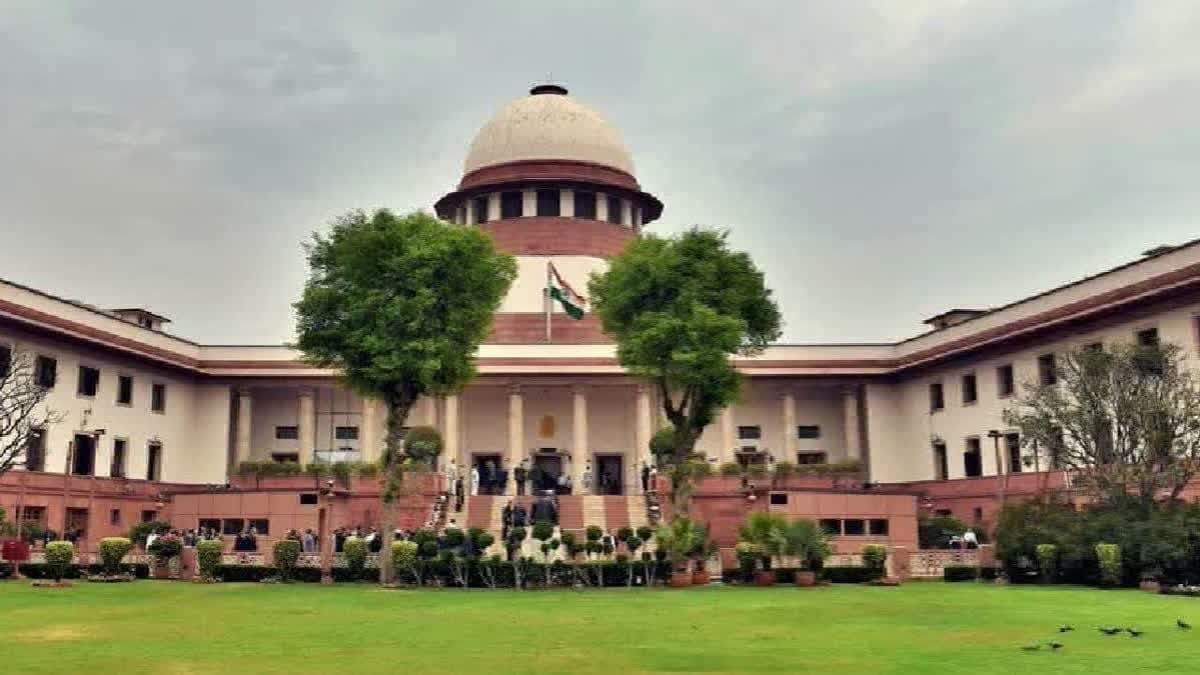
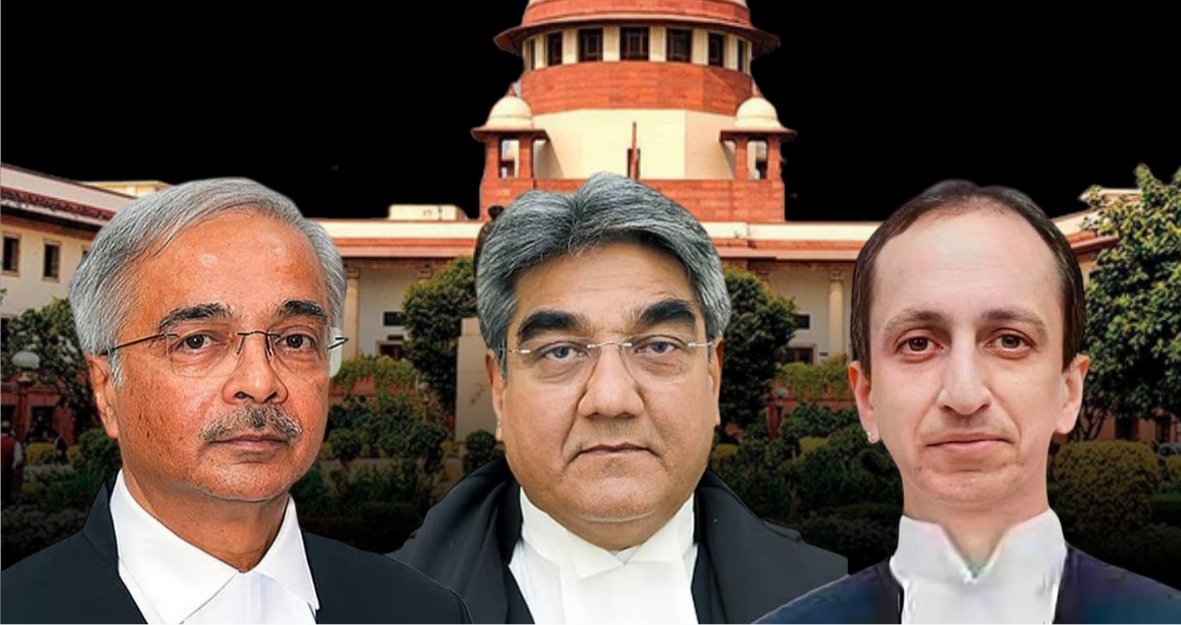
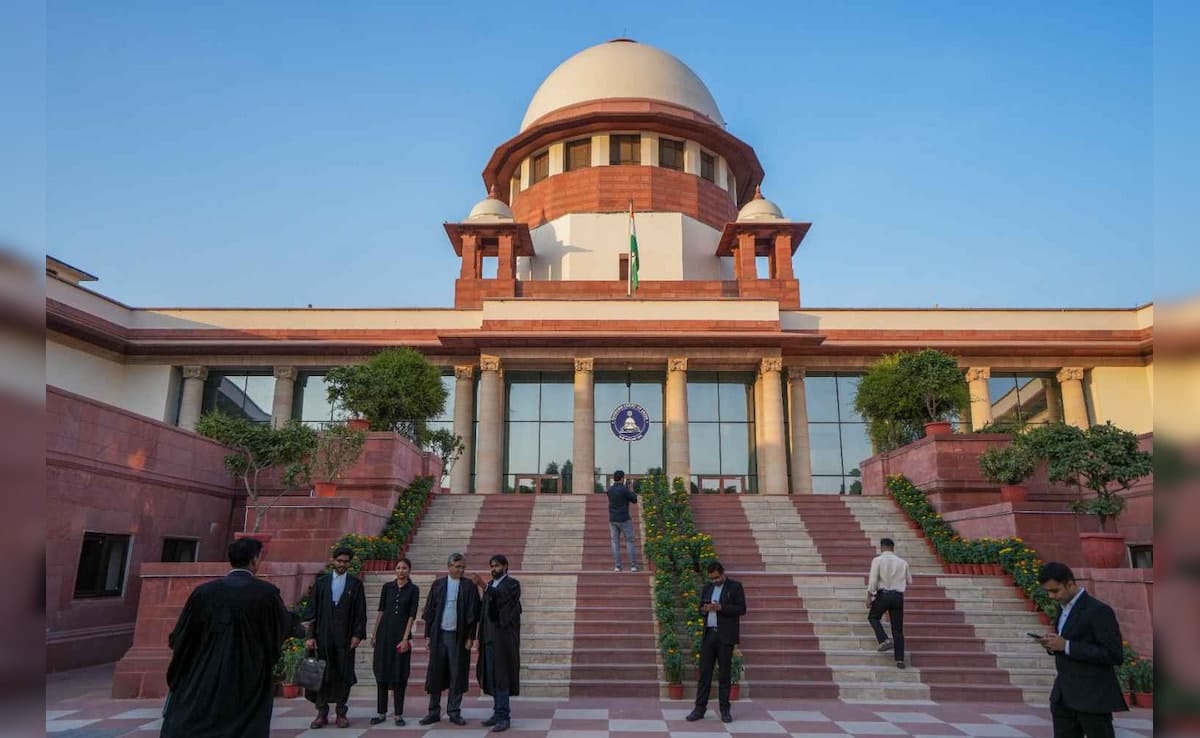
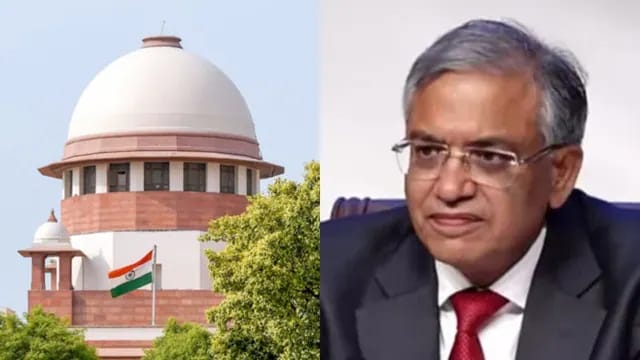
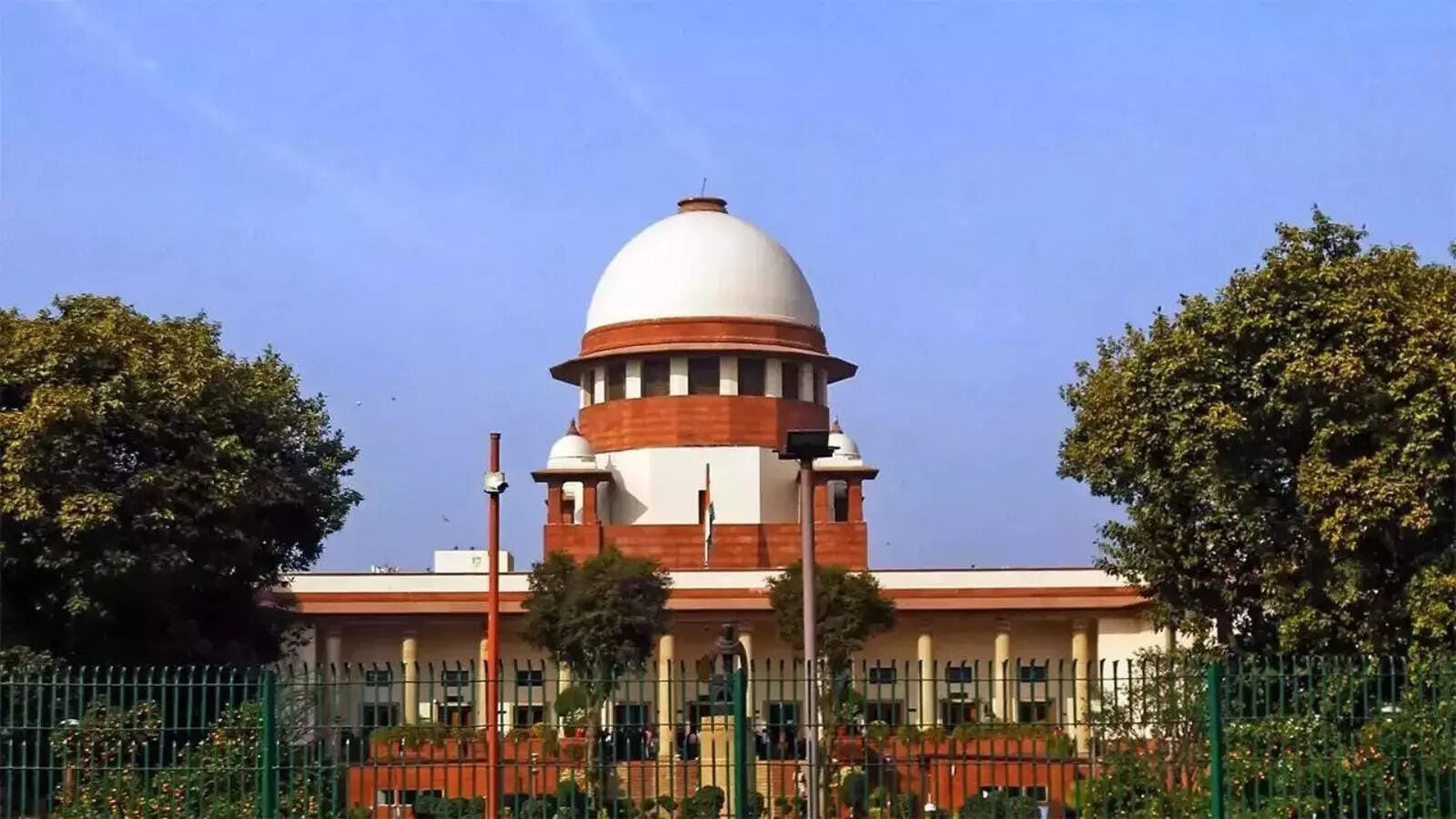
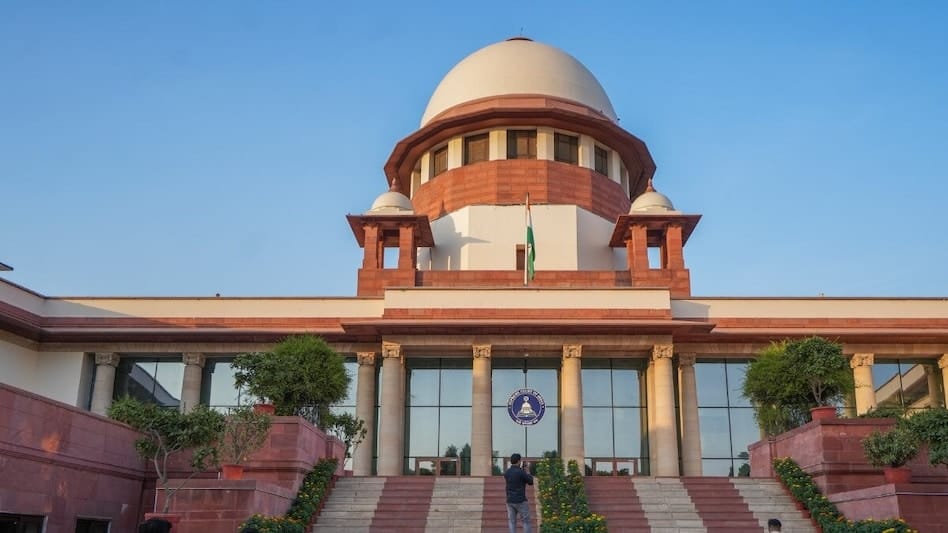
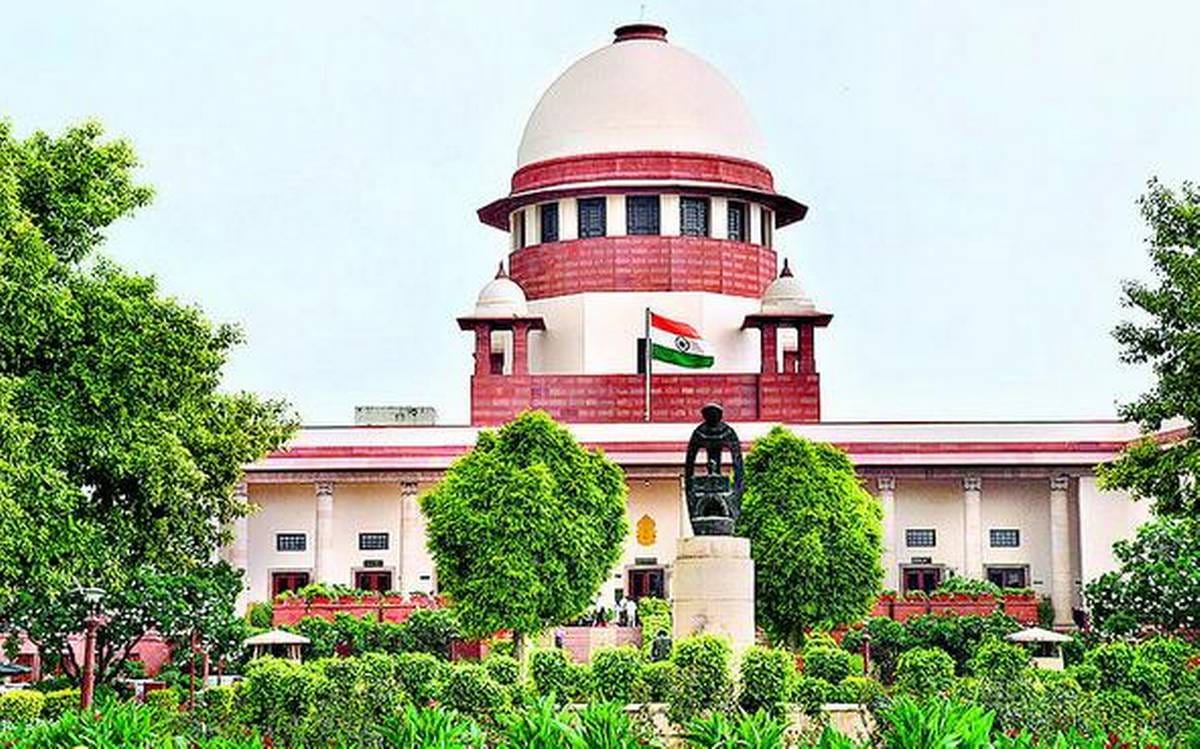
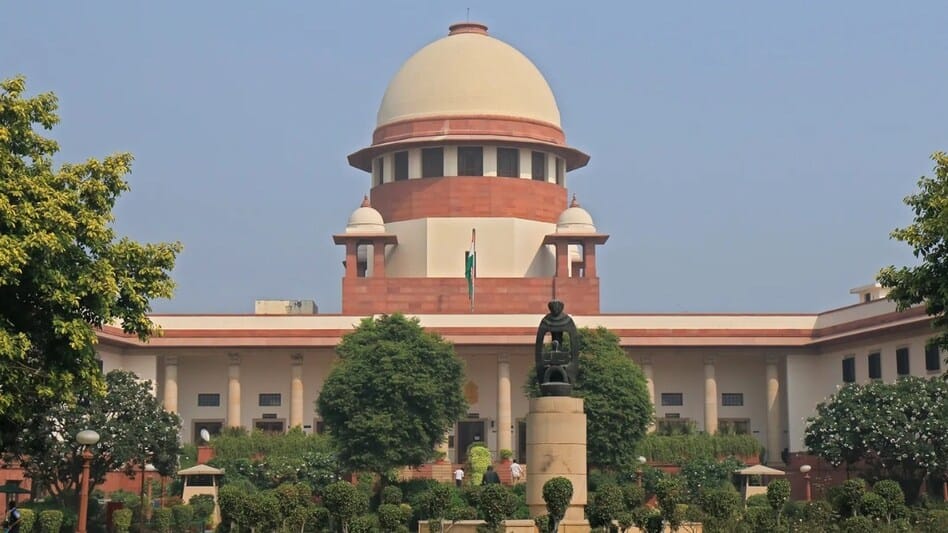
The case concerning allegations of disproportionate assets against Congress leader Rahul Gandhi came before the Supreme Court on Tuesday. During the hearing, a bench headed by Chief Justice of India (CJI) Surya Kant questioned the lawyer who sought to bring the matter up for consideration. The Chief Justice raised concerns about the basis of the plea and asked whether the issue was being raised primarily to attract media attention.
The proceedings have brought renewed attention to the legal dispute surrounding allegations about Rahul Gandhi’s assets. The case originated from a complaint filed by Karnataka-based BJP worker Vignesh Shishir. The complaint raised allegations concerning the Congress leader’s property and sought an investigation. The matter subsequently reached the Allahabad High Court, which issued directions relating to an investigation by the Central Bureau of Investigation (CBI) and the Enforcement Directorate (ED).
CJI Surya Kant Questions the Basis of the Plea
During the hearing, CJI Surya Kant reportedly observed that there was no clear basis for raising the issue and questioned the strength of the arguments presented. The Chief Justice also asked the lawyer whether he had consulted a news channel before bringing the matter forward, questioning whether the move was intended to attract media attention.
The lawyer referred to an alleged recent statement by Rahul Gandhi at an event, claiming that the Congress leader had said he was in contact with 200 officials from the ED and CBI. Citing this statement, the lawyer requested that the matter be listed for a hearing before the Supreme Court.
However, the court questioned the reasoning behind the request. The Chief Justice’s remarks focused on whether the plea had a clear legal foundation and whether there was a legitimate reason to bring the matter up at that stage.
The comments formed part of the court’s consideration of the plea and should not be interpreted as a final ruling on the underlying allegations concerning Rahul Gandhi’s assets. The legal questions raised in the proceedings remain distinct from the allegations made by the complainant.
Supreme Court Had Earlier Stayed the Allahabad High Court Order
The case had previously come before the Allahabad High Court’s Lucknow bench. In May, the High Court directed the CBI and the ED to investigate Rahul Gandhi’s assets in connection with the complaint.
Rahul Gandhi challenged the High Court’s order before the Supreme Court. In August, the apex court granted an interim stay on the order. It also sought responses from the complainant, the CBI and the ED regarding the matter.
The Supreme Court further directed the investigative agencies not to submit any report before the Allahabad High Court while the matter remained subject to its directions. The interim order placed the High Court’s investigation-related directions on hold pending further legal proceedings.
An interim stay does not necessarily mean that a case has been finally decided or that the underlying allegations have been conclusively established or dismissed. It temporarily affects the operation of the order under challenge while the legal process continues.
How the Case Began
The dispute over Rahul Gandhi’s assets originated with a complaint filed by Vignesh Shishir, a BJP worker from Karnataka. The complainant raised several allegations concerning the Congress leader’s property and sought an investigation into the matter.
Following the complaint, the issue reached the Allahabad High Court. In May, the court issued directions for the CBI and ED to investigate the allegations. Rahul Gandhi subsequently challenged that order before the Supreme Court and also sought the transfer of the matter to the Delhi High Court.
The Supreme Court then stayed the Allahabad High Court’s order in August and sought responses from the relevant parties. The legal proceedings have since been shaped by the apex court’s interim directions and the arguments presented by those involved.
What Happens Next?
The latest hearing focused on the basis of the plea and the lawyer’s request to have the issue listed before the Supreme Court. CJI Surya Kant questioned the reasoning presented and raised the possibility that the issue was being brought up to attract media attention.
The remarks do not, by themselves, constitute a final decision on the allegations concerning Rahul Gandhi’s assets. The next stage of the case will depend on the Supreme Court’s subsequent directions, the responses filed by the parties and the legal arguments presented before it.
For now, three aspects need to be considered separately: the allegations made in the original complaint, the Allahabad High Court’s earlier investigation order and the Supreme Court’s interim stay. The final legal position will depend on the proceedings and orders of the competent court.








.jpg)
.jpg)


.jpeg)








.jpeg)









.jpeg)





.jpeg)

.jpeg)
















.jpeg)

.jpeg)



.jpeg)
.jpeg)



















.jpeg)


















.jpeg)



.jpeg)





.jpeg)




.jpeg)

















.jpeg)


.jpeg)


.jpeg)