



Cyclone Arnab in Andhra Pradesh
Cyclone Arnab affected coastal areas of Andhra Pradesh on Wednesday morning, bringing strong winds, heavy rainfall and rough sea conditions. The impact was visible across several coastal locations, where trees were uprooted and electricity poles fell due to powerful gusts. High waves along the coastline added to concerns about the safety of residents and infrastructure in vulnerable areas.
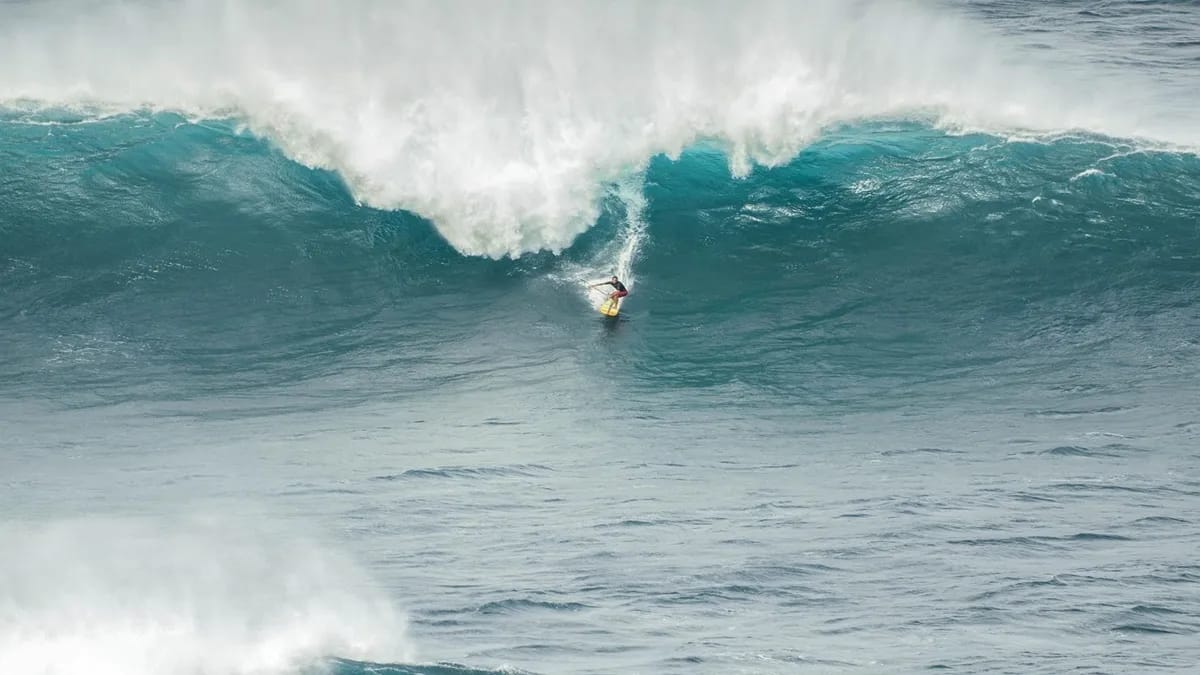
Visakhapatnam witnessed the impact of strong winds, with several trees reportedly falling in different locations. Malkangiri, in neighbouring Odisha, also experienced the effects of the storm, with reports of trees being uprooted. Meanwhile, the sea remained rough along the Kakinada coast, where high waves and strong winds highlighted the intensity of the weather system.
According to the India Meteorological Department (IMD), the cyclone was nearly stationary near the Andhra Pradesh and Yanam coasts on Wednesday morning. Sustained wind speeds were reported at around 120–130 kilometres per hour, while gusts were expected to reach up to 145 kilometres per hour. Winds of this intensity can damage trees, electricity infrastructure and temporary structures, particularly in exposed coastal locations.
The weather department had indicated that the landfall process could begin after 7 am and continue for approximately three hours. During this period, heavy rainfall, powerful winds and high sea waves were expected to remain major concerns along the affected coastline. The situation required close monitoring, particularly in areas exposed to strong winds and rough sea conditions.
The cyclone also raised concerns about possible disruptions to transport and essential services. Fallen trees can block roads, while damaged electricity poles may lead to power outages and create additional safety risks. Heavy rainfall can cause waterlogging in low-lying areas, potentially affecting road movement and access to essential services. The extent of disruption may vary depending on local weather conditions and the damage caused by the storm.
Rough sea conditions can also pose risks to fishing communities and people living close to the coastline. High waves and strong winds make it dangerous to venture into the sea or remain near exposed coastal stretches during severe weather. Residents in vulnerable locations need to remain alert to official warnings and follow instructions issued by local authorities.
During a cyclone, people should avoid standing beneath trees, staying near damaged structures or approaching fallen electricity wires. Any downed power lines should be treated as dangerous, and residents should inform the relevant authorities rather than attempting to move them. Staying indoors in a secure building and limiting unnecessary travel can help reduce exposure to strong winds and flying debris.
The impact of Cyclone Arnab highlights the risks that severe weather systems can pose to coastal communities. Heavy rainfall, high waves and powerful winds can affect daily life, damage infrastructure and complicate emergency response efforts. Timely weather updates, effective local preparedness and public cooperation remain important in reducing the risks associated with cyclonic conditions.
Residents in affected areas should continue to monitor official weather advisories and follow the guidance of local authorities. Conditions can change during a cyclone, particularly while the system approaches or crosses the coast. Following safety instructions and avoiding exposed coastal areas can help protect people from weather-related hazards.








.jpg)
.jpg)












.jpeg)












.jpeg)












.jpeg)








.jpeg)


.jpeg)




















.jpeg)

.jpeg)






.jpeg)
.jpeg)





























.jpeg)



























.jpeg)






.jpeg)






.jpeg)




.jpeg)





















.jpeg)