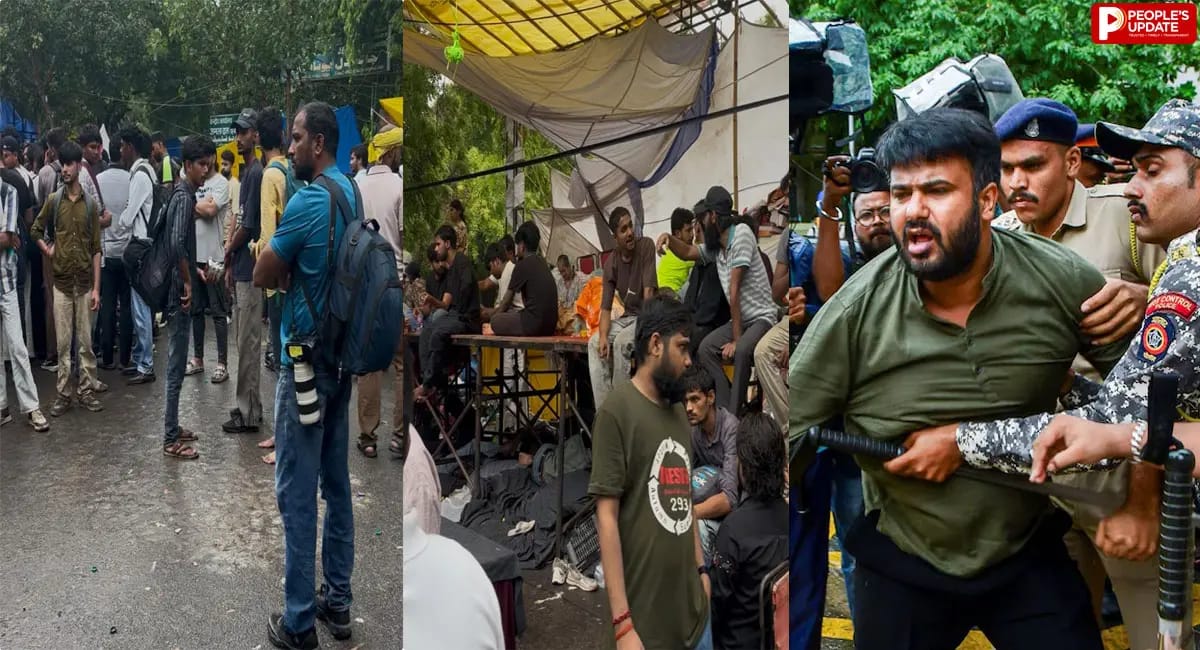


Delhi is witnessing heightened political activity as two major protests unfold simultaneously. On one side, members of CJP continue their demonstration at Jantar Mantar. On the other, farmer organizations from Punjab are preparing to march toward Delhi in protest against the proposed India-US trade deal.
Authorities have tightened security across Delhi and the Haryana border by deploying additional police personnel, installing barricades, and increasing vehicle checks.
CJP protesters say they are peacefully raising their demands and allege attempts are being made to suppress their voices. The administration maintains that while peaceful protest is a democratic right, maintaining law and order remains its foremost responsibility.
Farmer organizations argue that changes linked to the trade agreement could increase the role of foreign companies in agriculture or alter import regulations, potentially affecting farmers' income and agricultural markets. They have urged the government to consult farmers before finalizing any such agreement.
The government has stated that national interest and the welfare of farmers will remain a priority in any international trade agreement.
With two large demonstrations taking place at the same time, authorities face the challenge of ensuring public safety while minimizing inconvenience to residents. Experts believe peaceful protest is a democratic right, but dialogue between the government and protesters remains the best path toward resolving disputes.
Attention is now focused on whether farmers will be allowed to enter Delhi, how the CJP protest develops, and whether talks between the government and protest representatives take place.




.jpg)
.jpg)


