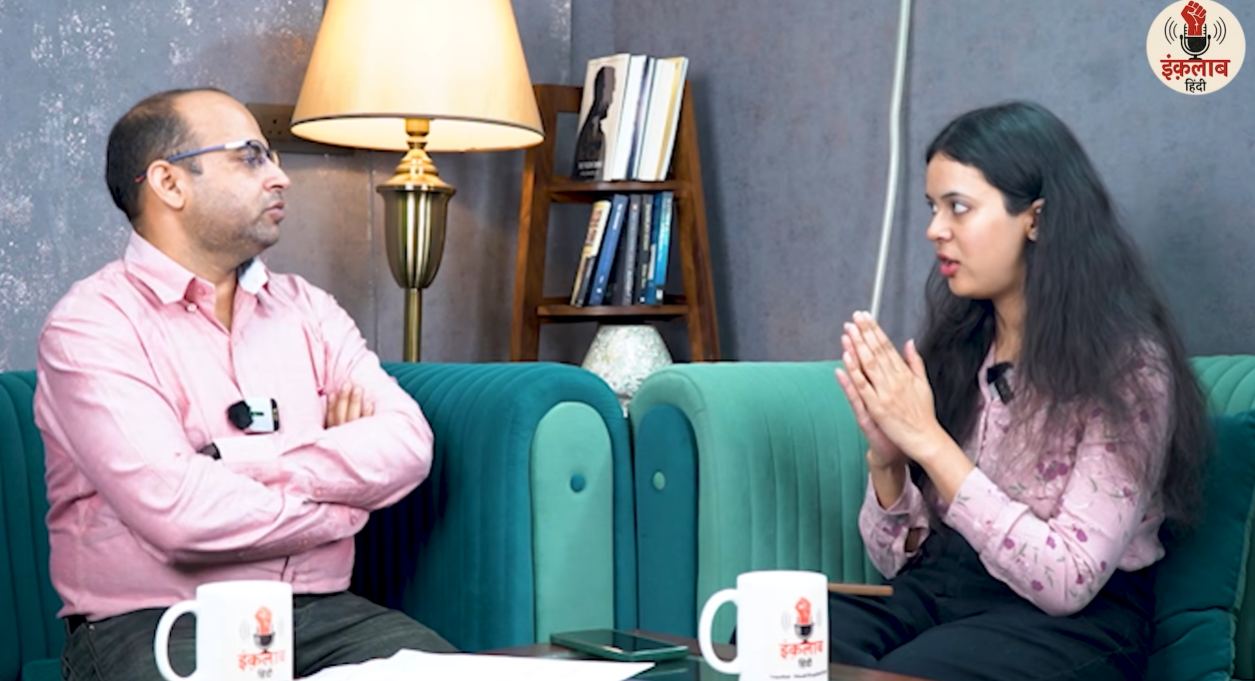
New Delhi: A controversy surrounding NALSAR University has developed into a wider debate involving students' rights, professional enrolment and the role of the Bar Council of India.
The dispute began after some NALSAR students expressed opposition to the participation of the Chief Justice as the chief guest at a university convocation. The students reportedly conducted a campaign and expressed their disagreement through peaceful means.
The issue subsequently moved beyond the university campus after action concerning the enrolment of the batch graduating from NALSAR in 2026 came under discussion.
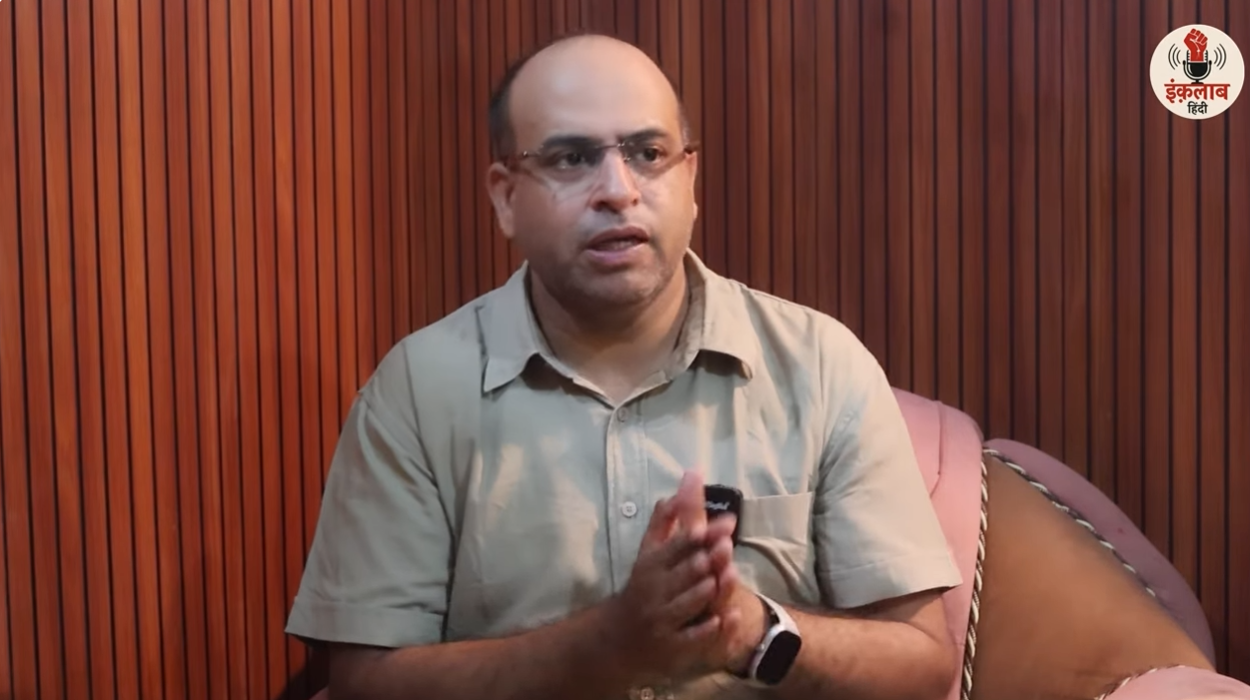
Who is Manan Kumar Mishra?
Manan Kumar Mishra is a senior advocate and a Rajya Sabha MP. He has had a long association with the Bar Council of India and has played a significant leadership role within the organisation.
Because of his long involvement with the legal body, his name has come into focus during the NALSAR controversy.
However, determining individual responsibility for any institutional decision requires examination of official records, orders and statements from the concerned authorities.
How did the controversy begin?
The dispute is linked to a campaign by some NALSAR students over the presence of the Chief Justice as chief guest at the university's convocation.
The students expressed their disagreement through peaceful protest. The subsequent action concerning their professional enrolment raised questions about whether students' peaceful expression of dissent could affect their future professional careers.
Why did the BCI decision become controversial?
The issue became particularly significant because enrolment as an advocate is an important step for law graduates seeking to enter legal practice.
Any decision that could affect the professional enrolment of an entire graduating batch therefore attracted considerable attention from students and the legal community.
The matter eventually reached the Supreme Court.
What did the Supreme Court say?
During the proceedings, the Supreme Court emphasized the importance of students' right to peaceful protest and sought a response from the Bar Council of India.
The court also directed that no punitive action should be taken against NALSAR students or professors while the matter was being considered.
The observations made by CJI Surya Kant brought additional attention to the dispute and the question of how far institutional bodies can intervene in student protests.
BCI withdrew its earlier direction
Following the controversy and the Supreme Court's intervention, the Bar Council of India withdrew its earlier direction concerning the enrolment of NALSAR students.
The development transformed the issue into a broader discussion about the powers of professional regulatory bodies and the rights of students.
Why has Manan Kumar Mishra's name come up?
Mishra's long association with the Bar Council of India is the main reason his name has been discussed in connection with the controversy.
However, it is important to distinguish between an individual's institutional association and direct responsibility for a particular decision. Any conclusion regarding personal responsibility should be based on official documents and judicial findings.
Why is the students' right to protest important?
One of the central questions in the controversy is the right of students to peacefully express disagreement.
Students have the right to voice their views, provided that their actions remain peaceful and within the law. At the same time, decisions affecting their professional careers require transparency, due process and a clear legal basis.
What happens next?
The Supreme Court's intervention has made the future proceedings significant for both students and legal institutions.
The case raises broader questions about student rights, university autonomy, the authority of professional regulatory bodies and the balance between institutional discipline and peaceful dissent.
Further proceedings and official orders will determine how the legal questions arising from the dispute are ultimately addressed.


.jpg)
.jpg)