

The high Himalayan regions of Uttarakhand are facing a growing environmental challenge as glaciers continue to lose ice at an increasing rate. As a result of glacier melting, 77 new lakes have been identified in the higher reaches of Pithoragarh district.
The development has raised concerns among experts because newly formed glacial lakes can become a potential source of sudden flooding if water accumulates rapidly or natural barriers surrounding them become unstable.
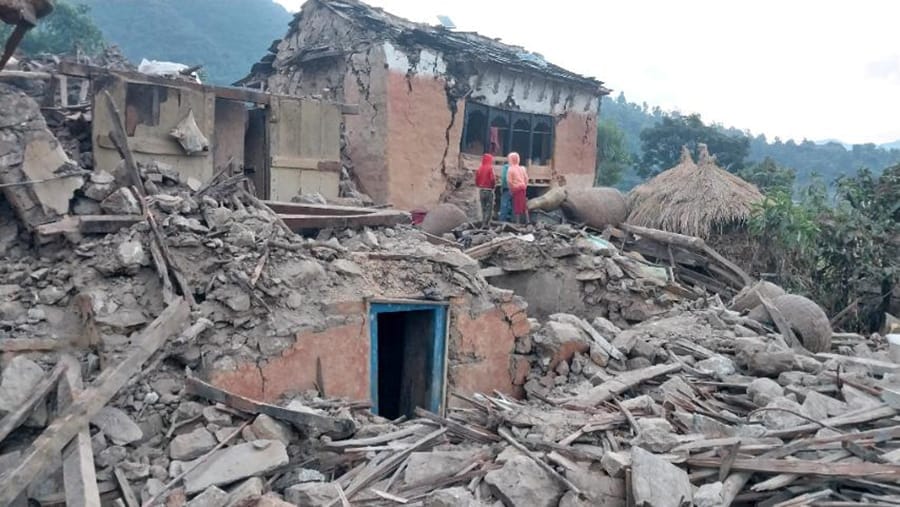
Recent incidents of flooding and landslides along the Nepal-Tibet border have once again highlighted the vulnerability of the Himalayan region. Experts are expected to continue studying the factors behind such disasters, with particular attention being given to rising temperatures, accelerated glacier melting and the formation of new glacial lakes.
Assessments indicate that glacier ice in the region has declined by around 20 percent over the past 32 years. The continuing rise in temperatures is considered one of the important factors contributing to faster glacier melt.
Why Are New Glacial Lakes a Concern?
When glaciers melt rapidly, large quantities of water can accumulate around or beneath them, creating glacial lakes. If water levels rise significantly, the natural barriers holding these lakes can become unstable. A sudden release of water can result in powerful downstream flows.
Such events can threaten settlements, roads, bridges and other infrastructure located in valleys and lower Himalayan areas.
The risk is particularly significant in Uttarakhand because many rivers and streams originate in the high Himalayan region. Any sudden release of water from a glacial lake can quickly move downstream through narrow valleys, leaving limited time for communities to respond.
Himalayan Region Becoming More Vulnerable
The Himalayan region is already highly sensitive to natural hazards such as heavy rainfall, landslides, earthquakes and changing temperatures. Accelerated glacier melting adds another layer of risk.
The identification of 77 new lakes in Pithoragarh makes regular monitoring increasingly important. Experts need to determine which lakes are expanding rapidly, how much water they contain and whether any of them could pose a significant threat to downstream communities.
Need for Continuous Monitoring
Experts are expected to continue studying the changing conditions along the Nepal-Tibet border and in Uttarakhand’s high Himalayan areas. The studies could focus on glacier conditions, newly formed lakes, changes in water levels and the surrounding terrain.
Strengthening scientific monitoring and early-warning systems could help authorities identify high-risk locations in advance. Timely warnings and evacuation plans could prove crucial in protecting communities living in vulnerable Himalayan valleys.




.jpg)
.jpg)