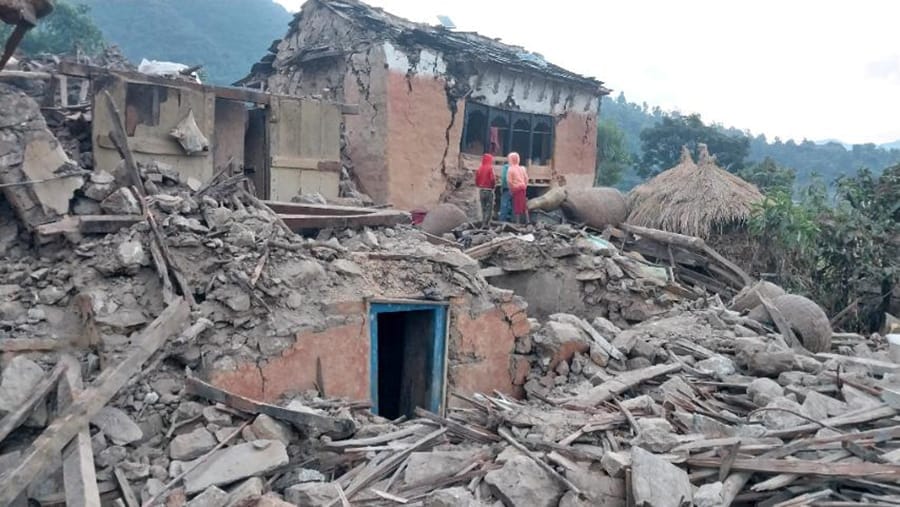

Nepal continues to face a severe humanitarian crisis following the devastating floods and flash floods that struck several areas of the country. The disaster, which began on August 26, has caused extensive damage to communities, roads and communication routes. By Sunday, the combined number of confirmed deaths in Nepal and Tibet had reached 810.
According to the latest figures, 794 people have died in Nepal, while 16 deaths have been reported in Tibet. At the same time, 3048 people remain missing across the two regions. Authorities and rescue agencies are continuing search operations in areas affected by flooding, landslides and rapidly rising river levels.
2502 Missing in Nepal
Nepal has reported 2502 people as missing, while Tibet has reported 546 missing persons. The missing list in Nepal also includes 592 foreign nationals, raising concerns among several countries whose citizens may have been travelling or working in the affected areas.
Search teams are working to locate missing people and establish contact with families. Rescue operations have been particularly challenging in areas where roads and communication routes were damaged by floodwaters and landslides.
149 Indian Citizens Rescued
The disaster has also raised concerns over Indian nationals in Nepal. According to information released by Indian authorities on Sunday evening, 149 Indian citizens have been rescued from affected areas.
An earlier missing-person list had indicated that 275 Indian citizens were still missing. In addition, authorities had reported that contact could not be established with 128 people of Indian origin.
Efforts are continuing to coordinate with Nepalese authorities and other agencies to establish the whereabouts of missing Indian nationals and provide assistance wherever required.
Relief and Cleaning Operations Underway
As floodwaters begin to recede in some locations, relief and cleaning operations have started in affected communities. Volunteers from the Likhu Rural Municipality area of Nuwakot have been involved in large-scale relief and cleaning activities in areas including Devighat.
Local volunteers are helping remove debris and restore affected areas. Their efforts are particularly important in places where access for larger rescue teams remains difficult.
Disaster Began on August 26
The devastating flooding began on the morning of August 26, 2026. Heavy rainfall and glacier-related developments near the Nepal-Tibet border contributed to a sudden rise in water levels in the Lhende Khola and Bhote Koshi rivers.
The rapid rise in water caused severe flooding in downstream areas. Landslides were also reported in several locations, adding to the destruction and making rescue operations more difficult.
Many residents were caught off guard by the sudden rise in water. Some people were swept away, while others became stranded in isolated locations.
Search for Missing People Continues
Finding the thousands of people still reported missing remains the biggest challenge for rescue agencies. Search teams are working along riverbanks, damaged settlements and difficult-to-access areas.
The destruction of roads and bridges has slowed rescue efforts in several places. Authorities are therefore relying on alternative routes and available transport options to reach isolated communities and deliver essential supplies.
Foreign Nationals Among the Missing
The presence of hundreds of foreign nationals on Nepal's missing list has added another dimension to the crisis. Of the people reported missing in Nepal, 592 are foreign nationals.
Authorities and diplomatic agencies are working to identify those affected and confirm the safety of people who were travelling, working or visiting the affected regions.
Rescue Operations to Continue
Although floodwaters have receded in some areas, the situation remains challenging. Damaged roads, unstable ground, debris and the possibility of further weather-related problems continue to pose risks to rescue teams and residents.
The immediate priorities remain locating missing people, assisting injured and displaced families, delivering relief supplies and restoring damaged communication and transport networks.
The disaster has once again highlighted the vulnerability of Himalayan communities to sudden floods, heavy rainfall, landslides and other extreme weather events. Rescue teams remain focused on reaching people whose whereabouts are still unknown.




.jpg)
.jpg)