
A major breakthrough has been reported in the rescue operation underway in Nepal following the devastating floods and flash floods that affected several parts of the country. Nine days after the disaster, two workers were rescued alive from a tunnel at the Trishuli-3A hydropower project in the Trishuli region.
The rescue operation had been continuing for several days as teams searched for workers believed to be trapped inside the tunnel. The discovery of signs that people were still alive inside gave rescuers renewed hope and prompted them to intensify efforts to reach the trapped workers.
Rescue personnel worked through mud, debris and difficult conditions to create a passage into the tunnel. The two workers were eventually brought out and moved to a safer location for further assessment.
Images and videos from the rescue site showed workers covered in mud being carried out by rescuers. The successful rescue brought visible relief among the rescue teams and people gathered at the site.# Hope After Nine Days
The rescue of two workers after nine days has become a major source of hope amid the continuing disaster in Nepal.
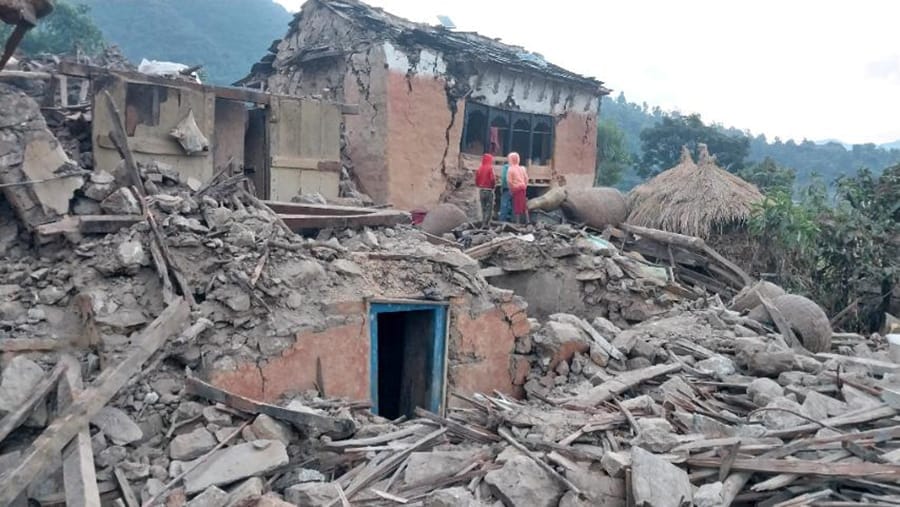
The floods caused extensive damage across several areas, affecting roads, bridges, buildings and hydropower projects. A number of workers were reported missing after floodwaters and debris affected different project sites.
The Trishuli-3A hydropower project was among the locations where workers were feared trapped inside tunnels. Rescue teams had been working continuously to reach the affected sections.
The fact that two people survived inside the tunnel for nine days has raised hopes that other workers could also still be alive.
Identities of the Rescued Workers
The two rescued workers have been identified as Kabir Maharjan and Sanjay Shah.
According to the available information, Sanjay Shah works as a mechanical foreman with the Nepal Electricity Authority, while Kabir Maharjan is a supervisor at the Trishuli-3A hydropower project.
Both workers were taken to safety after being brought out of the tunnel. Given the difficult conditions and the extended period they reportedly spent inside the tunnel, their health and physical condition are being monitored.
More Workers Could Still Be Trapped
Following the successful rescue, the operation has been intensified further. Rescue teams are now continuing their search with the possibility that additional workers may still be trapped inside the tunnel.
Rescuers have been working through a narrow opening to reach the affected section. Footage from the operation showed several rescuers pulling a worker through a small passage before bringing him to safety.
The rescue operation remains extremely challenging because of mud, debris and water inside the tunnel. Creating a safe passage while preventing further collapse or additional danger is a major challenge for the teams.
Around 500 Workers Feared Trapped in Tunnels
The floods have also raised concerns over workers associated with hydropower projects across Nepal.
According to information from local officials, around 900 workers from approximately 12 hydropower projects have been reported missing. Around 500 of them are feared to be trapped inside tunnels.
The rescue of two workers from the Trishuli-3A project has therefore become particularly significant. It has provided rescuers with renewed hope that other missing workers may also be located and brought out safely.
Rescue teams are continuing to clear debris and create access routes into affected tunnel sections.
Severe Flooding Across Nepal
The sudden flooding caused widespread disruption across Nepal. Several communities were affected by rapidly rising water levels, forcing residents to move to safer areas.
The disaster also damaged transportation networks and infrastructure in affected regions. Roads and bridges were impacted, while several hydropower projects faced serious difficulties.
Emergency and rescue teams have been working across affected locations to locate missing people and assist communities affected by the disaster.
Death Toll and Missing Persons
According to information from Nepal's disaster management authorities, the flooding that occurred in the Bhotekoshi area on August 26 resulted in a significant loss of life.
The available figures indicate that more than 1,290 people have died in the disaster, while more than 5,000 people have been reported missing.
The scale of the disaster has led to continued rescue and relief operations across several affected regions.
Impact in Tibet
The disaster has also affected areas on the Chinese side of the border, particularly the Tibet region.
According to information released from the Chinese side, 21 people have died and 541 people have been reported missing in the affected part of Tibet.
Rescue and relief operations have also been underway in the region as authorities assess the impact of flooding and related incidents.
Rescue Brings New Hope
The survival and rescue of two workers after nine days underground has provided a significant boost to the ongoing rescue operation.
Their rescue demonstrates that people may be able to survive for an extended period under extremely difficult conditions, although the circumstances and conditions inside each tunnel can vary significantly.
Rescue teams are continuing their efforts to reach other potentially trapped workers. The operation remains active, with rescuers working to remove debris and create safe access to the remaining sections of the tunnel.
The coming hours and days could be crucial as teams continue their search for people who may still be alive inside the affected tunnels.




.jpg)
.jpg)