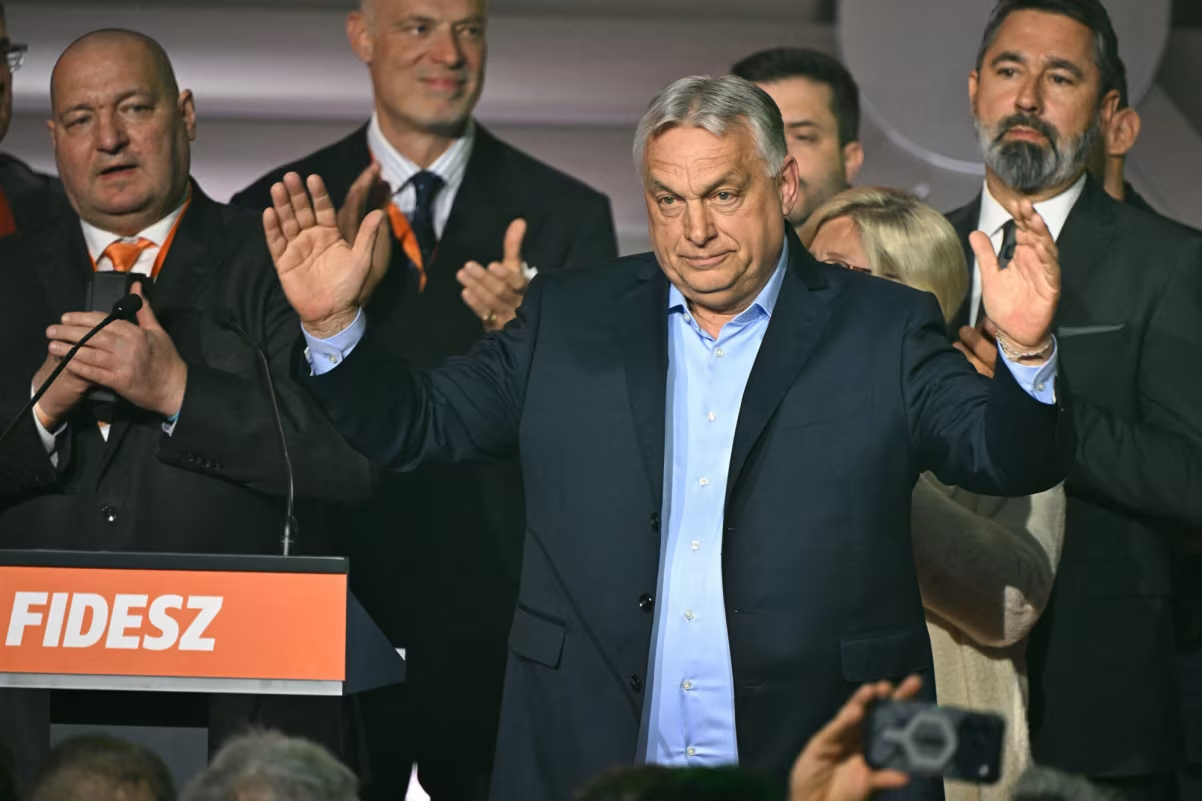

Hungary is set for a major political shift after Prime Minister Viktor Orban conceded defeat, ending more than a decade of rule and paving the way for opposition leader Peter Magyar to take power.
The result marks the first change in government since 2010 and is being viewed by many as a turning point in the country’s political trajectory. Despite a system long seen as favoring Orbán’s Fidesz party, voters rallied behind the Tisza party, reflecting growing dissatisfaction with domestic issues such as the economy and public services.
Analysts say the defeat underscores the limitations of populist politics, which often rely on constant external threats and nationalist rhetoric but struggle to deliver sustained governance outcomes. Orbán’s campaign, which leaned heavily on foreign policy narratives and support from international allies, failed to resonate with voters facing everyday concerns.
Meanwhile, opposition supporters united behind Magyar despite ideological differences, prioritizing electoral change over political perfection. While challenges remain for the incoming government, the outcome signals a potential shift away from illiberal governance toward a more democratic model in Hungary.

.png)
.jpg)

.jpg)