Recent polling data indicates that a significant portion of Republican voters are increasingly supportive of controversial and hardline proposals put forward by Donald Trump, including ideas that critics argue push the boundaries of international law and democratic norms.
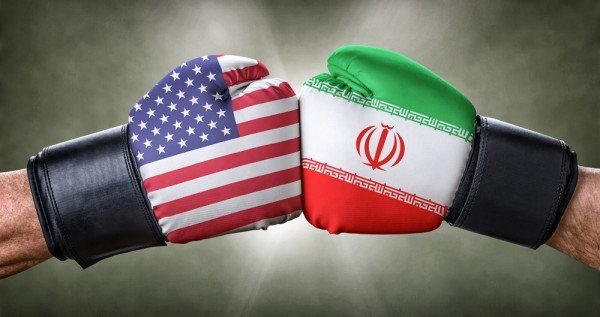
One of the most striking examples comes from a recent survey conducted by Quinnipiac University, which found that 66% of Republicans support potential strikes on Iranian infrastructure, including power facilities, if diplomatic efforts fail. Such actions could raise serious legal and humanitarian concerns under international law.
Support among Republicans also extended to Trump's rhetoric on social media, where he suggested the possibility of catastrophic consequences for Iran. According to polling, 62% of Republican respondents viewed such statements as acceptable, while opposition remained overwhelming among Democrats and independents.
Another survey conducted by CBS News in partnership with YouGov revealed that nearly half of Republican respondents reacted positively to Trump’s statements, while a smaller percentage expressed disapproval and a notable portion remained neutral.
This pattern reflects a broader trend that has developed over the past decade. Trump has frequently introduced unconventional or controversial ideas, many of which initially sparked criticism but later gained traction among his political base.
For example, past remarks about temporarily assuming dictatorial powers were dismissed by Trump as humor, yet a poll by University of Massachusetts Amherst showed that a large majority of Republicans still viewed the idea favorably. Similarly, statements encouraging Russia to act aggressively toward certain NATO allies produced a divided but substantial level of support within the party.
Polls conducted by Reuters-Ipsos have also highlighted Republican openness to other controversial measures, including the idea of pursuing a third presidential term despite constitutional limits, and proposals involving major geopolitical shifts such as US control over foreign territories.
Support has extended to more aggressive foreign policy ideas as well. Surveys suggest that many Republican voters favor military action against drug cartels in Mexico without the host country’s consent, as well as broader intervention in countries like Iran, Cuba, and Venezuela. A separate poll by Marist College found strong backing for such actions among Republican respondents.
Even proposals involving domestic legal boundaries have drawn support. A study by Marquette University Law School indicated that a majority of Republicans approved of the idea of detaining US citizens in overseas prisons, despite significant legal concerns.
Analysts note that while it remains unclear how deeply these views are held, the consistent pattern suggests a shift in what is considered politically acceptable within parts of the electorate. Trump’s approach has often involved introducing bold or controversial ideas that gradually gain normalization through repeated exposure and endorsement.
This evolving dynamic reflects a broader transformation in political discourse, where once-unthinkable proposals are increasingly entering mainstream debate. As tensions rise globally, particularly in relation to Iran, these shifts in public opinion could have significant implications for future policy decisions and international relations.



.jpg)
.jpg)

.jpg)