
As Iran grapples with the economic fallout of a prolonged blockade in the Strait of Hormuz, attention is increasingly turning toward Russia as a potential economic partner. With vital Gulf shipping lanes disrupted and oil exports restricted, Tehran is exploring alternative trade routes and deeper economic ties with Moscow.
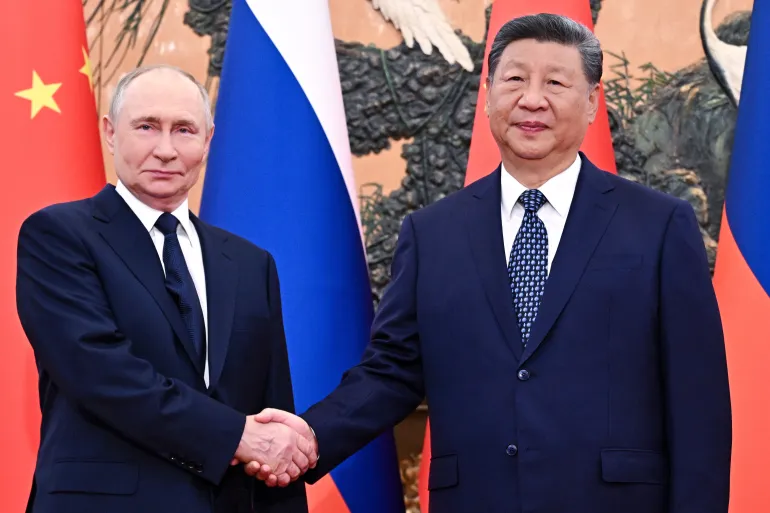
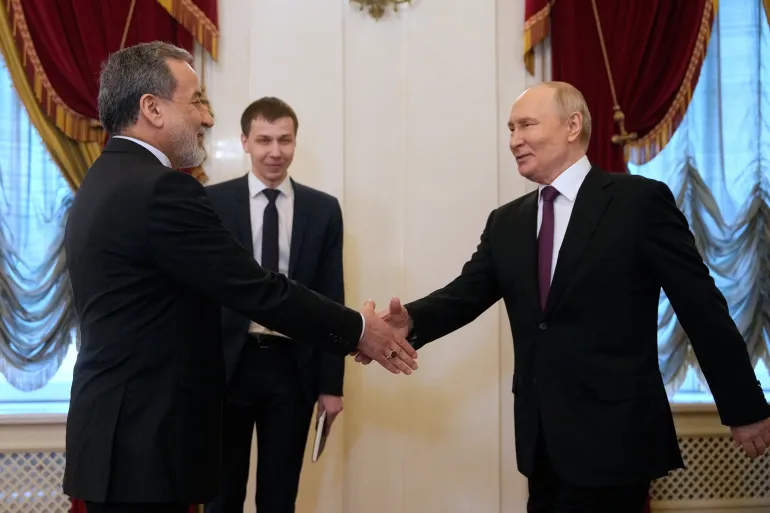
Recent diplomatic engagement highlights the importance of this relationship. Iran’s Foreign Minister Abbas Araghchi held talks with Russian President Vladimir Putin in Saint Petersburg, where both sides discussed economic cooperation, sanctions, and regional developments. Iran has praised Russia’s continued support during a period of heightened geopolitical tension.
Economic ties between the two countries have strengthened in recent years, particularly after renewed sanctions on Iran and Russia’s growing isolation following the Ukraine conflict. Both nations have increasingly relied on alternative financial systems, non-Western trade routes, and informal networks to sustain trade flows.
Trade between Iran and Russia reached approximately $4.8 billion in 2024, with a reported 16 percent increase driven largely by Russian exports such as grain, metals, machinery, and industrial goods. However, analysts note that this trade volume remains relatively modest compared to Iran’s economic relationships with countries like China or regional Gulf partners.
A key component of bilateral trade is the International North-South Transport Corridor, a network of shipping routes, railways, and roads connecting Russia to Iran and beyond to Asia. Goods typically travel from southern Russian ports across the Caspian Sea to northern Iranian ports such as Bandar Anzali, before continuing inland. While this route has gained importance, it remains limited in scale compared to maritime trade.
Experts caution that while these land-based routes may provide short-term relief, they cannot fully replace the efficiency and capacity of maritime shipping through the Strait of Hormuz. Historically, around 90 percent of Iran’s international trade has depended on sea routes, which are faster and more cost-effective. Transitioning to overland alternatives is slower, more expensive, and logistically complex, particularly for perishable goods.
There are also questions about Russia’s willingness and ability to provide substantial support. Moscow is dealing with its own economic challenges, including the impact of ongoing conflict and pressure on its financial reserves. Analysts suggest that while Russia may offer limited assistance or symbolic backing, it is unlikely to invest heavily in stabilising Iran’s economy under current conditions.
Additionally, Iran’s economy is heavily reliant on oil exports, an area where Russia cannot easily compensate for losses caused by the blockade. Without access to global energy markets, Iran faces significant revenue constraints that alternative trade routes alone cannot resolve.
Some experts, however, argue that supporting Iran could serve Russia’s strategic interests. Strengthening economic ties may help maintain higher global oil prices, reinforce alternative trade corridors, and sustain an important geopolitical ally.
Overall, while Russia may provide a partial and temporary economic lifeline, analysts agree that it cannot fully offset the impact of disrupted maritime trade. The situation underscores the broader challenges Iran faces as it navigates economic survival amid geopolitical conflict and shifting global alliances.



.jpg)
.jpg)

.jpg)