
The number of caesarean section births in Gaza is increasing, raising serious concerns about the health and safety of mothers as the region continues to face war, displacement, and a strained healthcare system.
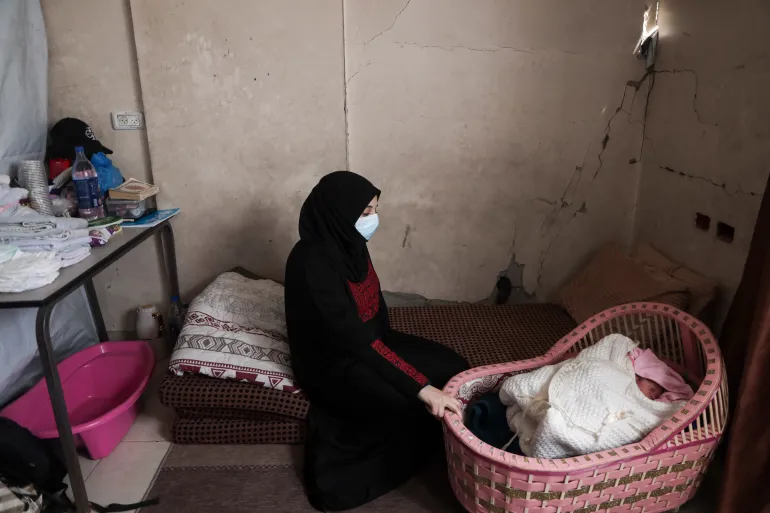
Duha Abu Yousef, a 24-year-old new mother, underwent an emergency caesarean section after arriving at a hospital in critical condition during her ninth month of pregnancy. She had hoped for a natural birth but severe anemia forced doctors to act quickly to protect her baby.
Her pregnancy was marked by extreme hardship, including severe food shortages and lack of basic nutrition. Limited access to essential foods such as meat, eggs, and supplements weakened her health, leaving her unable to move comfortably and suffering from constant fatigue, headaches, and nausea.
Medical professionals say such conditions are becoming increasingly common. Doctors report that caesarean deliveries now account for roughly one in four births in Gaza, with a noticeable rise since the conflict intensified. Delays in reaching hospitals due to security conditions often mean women arrive too late for natural delivery, making emergency surgery the only option.
There is also a growing trend of women choosing to become pregnant despite risks, often after losing family members during the conflict. Older pregnancies, which carry higher medical risks, further contribute to the increase in surgical births.
Healthcare workers highlight that shortages of medical equipment and staff are also playing a role. The lack of fetal monitoring devices, labour-inducing medications, and overcrowded hospital wards often make caesarean sections the fastest and safest available solution under difficult circumstances.
However, the greatest dangers often arise after the surgery. Infection risks have increased significantly due to poor living conditions, malnutrition, and limited access to clean water. Overcrowded shelters and unsanitary environments make proper recovery extremely difficult.
Sanaa al-Shukri, 35, experienced severe complications after her caesarean section, returning to the hospital days later with an infected wound. Living in a tent with inadequate hygiene facilities, she struggled to care for herself and her newborn. Doctors had to reopen and clean her wound under painful conditions due to the infection.
Medical experts warn that the lack of antibiotics and limited laboratory capacity to identify infections are worsening outcomes for patients. Poor nutrition, especially deficiencies in protein and iron, further slows recovery and increases vulnerability to complications.
For many women in Gaza, childbirth has become not only a moment of hope but also a significant health risk. As conditions remain unstable, the challenges surrounding maternal care continue to grow, highlighting the urgent need for improved medical support and living conditions.



.jpg)
.jpg)
.jpg)