
The battlefield in Ukraine is rapidly evolving, with robotic systems and artificial intelligence playing an increasingly central role in combat operations. What once seemed like science fiction is now becoming reality, as unmanned platforms take on tasks traditionally carried out by human soldiers.
Recent footage released by Ukrainian defence sources appears to show enemy soldiers surrendering to a ground-based robotic system equipped with a machine gun. The moment highlights a turning point in warfare, where machines are not only assisting but directly influencing outcomes on the battlefield.
Ukrainian President Volodymyr Zelenskyy recently stated that, for the first time in the conflict, enemy positions had been captured entirely by unmanned systems, including ground robots and aerial drones. He added that thousands of missions have already been conducted using robotic platforms in just a matter of months.
Expanding Role of Robots
Ground robots were once limited to bomb disposal and reconnaissance missions. In Ukraine, their role has expanded significantly. These machines now deliver supplies such as ammunition, food, and medical aid, and even evacuate wounded soldiers from dangerous areas. Some units report that a majority of frontline logistics is now handled by robotic systems rather than humans.
This shift reflects a broader transformation in military strategy. Unmanned aerial vehicles, commonly known as drones, have already changed how wars are fought. Since the early 2000s, remote-controlled systems have enabled long-distance strikes without putting pilots at risk.
Today, advancements in artificial intelligence are pushing this evolution further. AI systems are increasingly being developed to identify targets, analyse threats, and assist in decision-making during combat operations.
Rise of Autonomous Weapons
The emergence of semi-autonomous and fully autonomous weapons has sparked intense global debate. One notable case involved Turkish-made Kargu-2 drones, which were reportedly capable of identifying and attacking targets without direct human control. Such developments raise serious ethical concerns about machines making life-and-death decisions.
Experts argue that maintaining human oversight is critical. While many current systems still require human operators, the growing role of AI in analysing data and suggesting actions blurs the line between assistance and autonomy.
Beyond Land Warfare
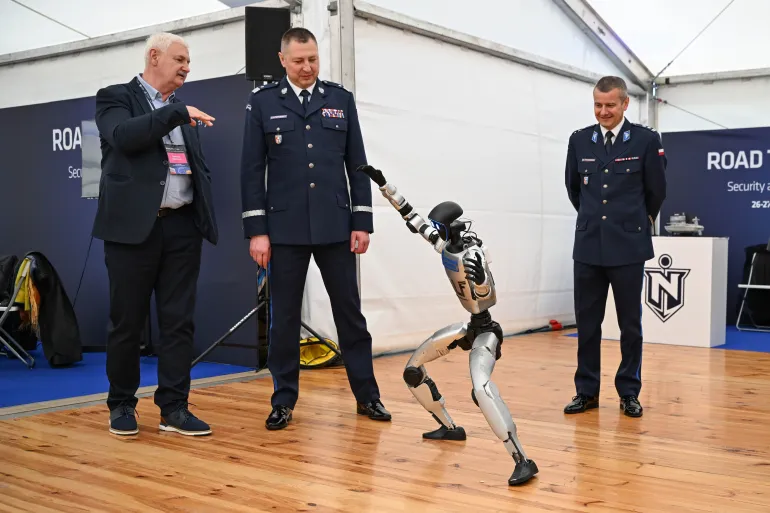
The transformation is not limited to ground combat. Naval drones are reshaping maritime warfare, particularly in contested regions like the Black Sea. Meanwhile, robotic dogs and underwater autonomous systems are being tested for surveillance, reconnaissance, and even combat roles.
These technologies demonstrate how warfare is expanding across multiple domains, driven by innovation and necessity.
Ethical and Legal Challenges
The rapid adoption of AI in warfare has outpaced international regulation. Questions about accountability, proportionality, and civilian protection remain unresolved. When machines are involved in targeting decisions, determining responsibility for mistakes becomes more complex.
Organisations such as the United Nations Institute for Disarmament Research are working to address these concerns. Discussions are ongoing about regulating lethal autonomous weapons and ensuring that human judgement remains central to military operations.
However, enforcing such rules is difficult. Military strategies, technological capabilities, and definitions of acceptable use vary widely between countries.
Ukraine as a Testing Ground
Ukraine has effectively become a real-world testing ground for emerging military technologies. While these systems have proven valuable in saving lives and improving efficiency, they also offer a glimpse into the future of warfare.
Experts warn that without proper regulation, AI-driven combat could become faster, more destructive, and harder for humans to control. At the same time, there is cautious optimism that international cooperation could establish norms and limits, much like past efforts to regulate chemical weapons.
A New Era of Conflict
The use of robot soldiers in Ukraine marks a significant step toward a new era of warfare. As technology continues to advance, the balance between human control and machine autonomy will shape not only military strategy but also the ethical framework of future conflicts.
Whether these innovations lead to safer operations or more dangerous wars will depend largely on how the global community chooses to manage and regulate them.




.jpg)
.jpg)

.jpg)