
India’s Rashtriya Swayamsevak Sangh (RSS), the ideological parent of the ruling Bharatiya Janata Party (BJP), has launched a diplomatic outreach campaign in the United States and Europe amid rising international criticism over minority rights and hate crimes in India.
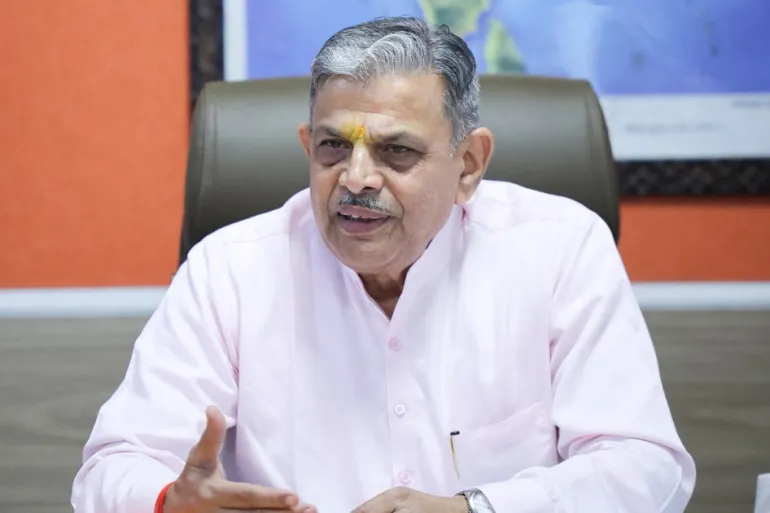
The organisation said the visits are aimed at correcting what it describes as “misconceptions” about the RSS and its role in Indian society. RSS General Secretary Dattatreya Hosabale recently met academics, policymakers, business leaders and members of the Indian diaspora in countries including the United States, the United Kingdom and Germany.
During a briefing in New Delhi, Hosabale rejected accusations that the RSS promotes Hindu supremacy or treats minorities as second-class citizens. He said the organisation was being unfairly portrayed internationally and insisted that the “facts are entirely different”.
Founded in 1925 in Nagpur by Keshav Baliram Hedgewar, the RSS presents itself as a Hindu cultural and civilisational movement. Critics, however, accuse the organisation of promoting a Hindu nationalist ideology known as Hindutva, which seeks to reshape India into a Hindu-majority state rather than a secular republic.
The RSS has long maintained close ties with the BJP, India’s ruling party led by Prime Minister Narendra Modi, who himself has been associated with the organisation since the early 1970s.
The outreach effort comes after growing concern from international rights groups and researchers over rising hate speech and violence targeting Muslims and Christians in India. Reports by advocacy groups have documented an increase in hate speech incidents, mob violence, attacks on churches and allegations of discrimination against minority communities.
Analysts say the RSS is attempting to counter the international narrative after a United States federal commission raised concerns about religious freedom in India and recommended sanctions against the organisation and some of its leaders.
Experts believe the global image of the RSS has become increasingly important because of the growing influence and financial strength of the Indian diaspora in Western countries. Several observers argue that diaspora support has historically played a role in funding and sustaining RSS-linked activities.
Hosabale’s recent engagements included meetings with think tanks, lawmakers and policy institutions in Washington, London and Berlin. According to the organisation, the discussions focused on India’s social development, cultural identity and global partnerships.
Critics, however, describe the campaign as an attempt at “damage control” amid increasing international attention on minority rights in India.
The RSS has previously faced bans in India, including after the assassination of Mahatma Gandhi in 1948 by Nathuram Godse, a former RSS member. The organisation has repeatedly denied involvement in violence and says it works for national unity and cultural development.
The debate over the RSS and its role in India’s political and social landscape continues to remain deeply polarising both within the country and internationally.

.jpg)
.jpg)

.jpg)