
Relations between Lebanon and Syria are entering a new phase as both countries attempt to rebuild ties based on mutual sovereignty and cooperation following the collapse of the Assad regime in 2024.
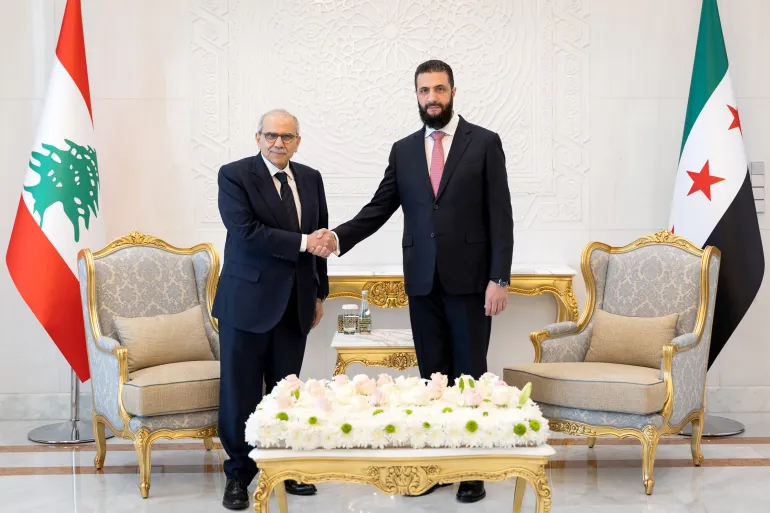
On May 9, Lebanese Prime Minister Nawaf Salam visited Damascus for the second time since the political transition in Syria. The visit highlighted efforts by Beirut and Damascus to move away from decades of Syrian dominance over Lebanon and establish a more balanced relationship.
Analysts say the change became possible after the fall of former Syrian President Bashar al-Assad, whose government had maintained strong political and military influence in Lebanon for years. Syria’s new leadership under President Ahmed al-Sharaa is now presenting relations with Lebanon as a partnership between two equal states.
As part of this shift, Damascus suspended the Lebanese-Syrian Higher Council, a body long viewed as a symbol of Syrian control over Lebanese affairs. Both countries are also strengthening diplomatic representation through official embassies.
The relationship between the neighboring nations has historically been complex. Syria maintained military and political influence in Lebanon for nearly three decades after entering the country during Lebanon’s civil war in 1976. Syrian forces officially withdrew in 2005 following widespread protests in Lebanon.
The political transformation in Syria has also affected regional alliances. The removal of Assad disrupted supply routes used by Hezbollah to receive support from Iran. Syria’s new government has distanced itself from Hezbollah while focusing on rebuilding international relations and reviving the Syrian economy.
Current discussions between Beirut and Damascus mainly focus on border security, prisoner transfers, refugee returns, and unresolved humanitarian cases. Lebanese and Syrian officials have also discussed the fate of detainees held in prisons in both countries.
Meanwhile, both nations continue to face pressure from ongoing Israeli military operations. Israeli attacks in southern Lebanon and Syria have increased tensions across the region, with thousands reportedly displaced by violence.
Despite shared concerns over Israeli military actions, analysts say Lebanon and Syria are not coordinating a unified response. Instead, both governments are prioritizing domestic stability and separate negotiations with international mediators.
Regional powers including Turkiye and Saudi Arabia are reportedly encouraging stronger coordination between Lebanon and Syria in hopes of reducing regional instability.
Political observers believe the evolving relationship marks a major turning point after decades of tension and unequal influence between the two neighboring countries.



.jpg)
.jpg)

.jpg)