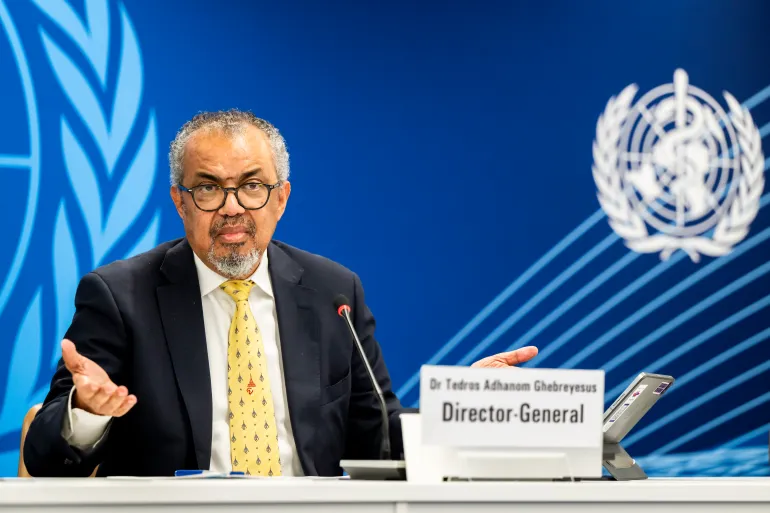

The World Health Organization (WHO) has declared the latest outbreak of the Bundibugyo strain of Ebola in the Democratic Republic of the Congo (DRC) and Uganda a “public health emergency of international concern” as fears grow over the rapid spread of the virus.
The outbreak has already caused at least 131 deaths from more than 500 suspected cases, according to health officials in the DRC. Uganda has also confirmed infections and at least one death linked to the virus.
The epicentre of the outbreak is in the northeastern Ituri province of the DRC, near the borders with Uganda and South Sudan, a region known for heavy cross-border movement due to mining activities and trade.
Health experts warn that the Bundibugyo strain is particularly dangerous because there is currently no approved vaccine or specific treatment available. Previous outbreaks involving this strain recorded fatality rates between 30 and 50 percent.
Medical specialists say the situation is made worse by armed conflict, weak healthcare systems, delayed detection and large-scale displacement of people across affected regions.
Unlike the Zaire strain of Ebola, which caused the devastating 2014-2016 West Africa outbreak and for which vaccines exist, the Bundibugyo strain remains largely unprotected by current medical tools.
Scientists say vaccine development is possible because researchers can build on earlier Ebola vaccine technologies, including viral vector and mRNA platforms. However, creating, testing and distributing a safe vaccine could still take significant time.
Health researchers have stressed that global preparedness efforts are stronger today than during previous Ebola outbreaks, but they warn that investment and international urgency remain far lower compared with the response seen during the COVID-19 pandemic.
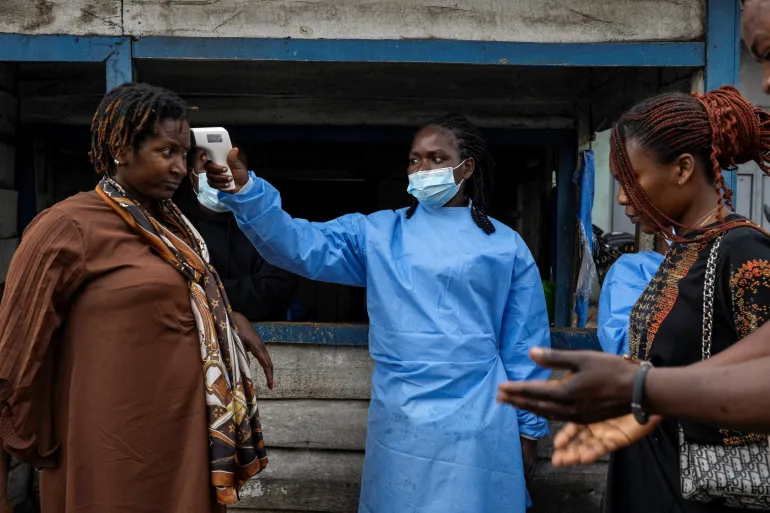
Authorities in affected countries have stepped up emergency measures, including quarantines, border screenings and public awareness campaigns. Several countries have also imposed travel restrictions on people arriving from outbreak zones.
Medical supplies, including protective equipment for frontline health workers, are being delivered to affected areas, while experimental vaccines from international partners are expected to arrive for testing and emergency use.
Experts say the outbreak highlights the urgent need for broader vaccines capable of protecting against multiple Ebola strains before future epidemics spiral further out of control.



.jpg)
.jpg)

.jpg)