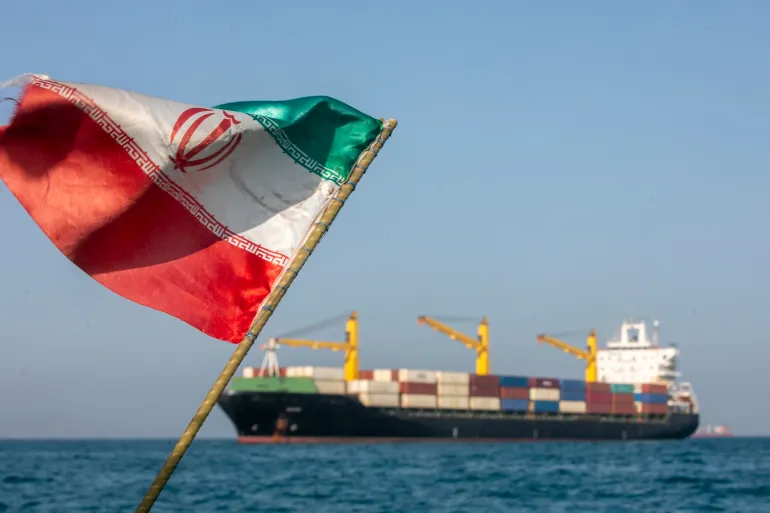

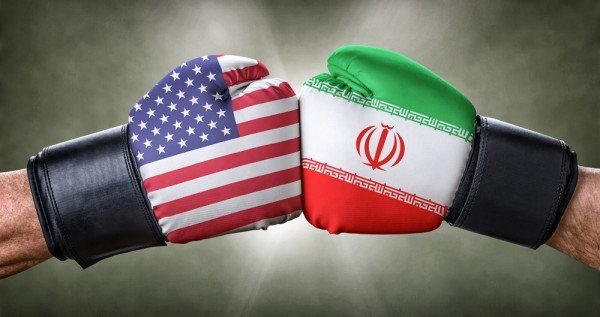
Tensions between Iran and the United States remain high despite ongoing diplomatic efforts aimed at ending months of conflict in the region. Iranian officials say recent American military actions have reinforced their belief that Washington cannot be fully trusted during negotiations.
The latest escalation came after Iran accused the US of violating a fragile ceasefire by launching strikes in the southern Hormozgan province. Iranian authorities described the attack as proof of what they called America’s “deep suspicion and hostility” towards Tehran.
In response, Iran’s Islamic Revolutionary Guard Corps (IRGC) claimed it shot down a US-made surveillance drone using a domestically developed defence system. The US military, meanwhile, defended its actions by saying it targeted missile launch sites and Iranian naval activity in a “defensive operation”.
The developments come as both countries attempt to finalise a memorandum of understanding that could ease tensions in the Strait of Hormuz, a vital global oil shipping route disrupted by recent fighting. Reports suggest the proposed agreement may also allow Iran limited access to frozen overseas funds and create a path for future nuclear negotiations.
However, divisions remain deep inside Iran. Senior politicians and military figures insist the country will not accept any agreement that appears to surrender national sovereignty or weaken its regional influence.
Iranian President Masoud Pezeshkian has repeated that Tehran is not seeking nuclear weapons and wants stability in the region. But hardline factions within Iran’s political and military establishment continue warning against trusting the US.
Analysts say Iranian leaders fear any temporary agreement could simply give Washington and its allies time to prepare for future military action. Many within Tehran believe preserving military deterrence and economic leverage remains essential before making major concessions.
Experts also note that Iran wants guarantees of immediate sanctions relief and assurances that another conflict will not erupt after any deal is signed. Without those guarantees, mistrust is likely to continue dominating relations between the two countries.

.jpg)
.jpg)

.jpg)