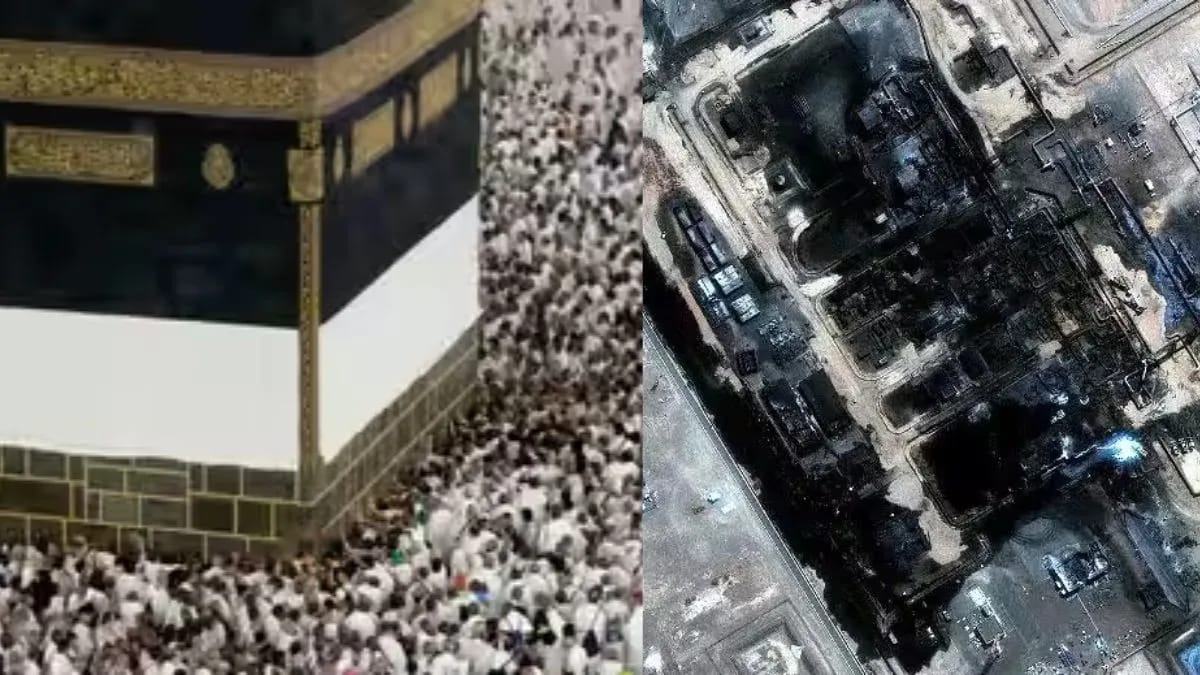



Security concerns increased in Saudi Arabia after authorities issued an emergency alert over a possible air attack in the holy city of Mecca. The Saudi Civil Defense advised residents to move to safe indoor locations and remain away from windows and doors until the threat had passed.
Similar warnings were reportedly issued for the Jeddah and Taif areas. The alerts were withdrawn after a short period, but their timing has drawn attention because they came amid continuing security tensions involving Saudi Arabia and the Houthi movement based in Yemen.
Mecca is one of the holiest cities in Islam and receives large numbers of Muslim pilgrims throughout the year. Any warning involving a possible aerial threat in or around the city therefore carries particular security significance. Residents were advised to remain cautious and follow official safety instructions.
The Organization of Islamic Cooperation condemned reported attacks involving areas around Mecca and Medina. The organization said that actions endangering civilians, mosques and holy sites were unacceptable. It also expressed solidarity with Saudi Arabia and supported measures taken by the kingdom to protect its territory, citizens and holy sites.
Saudi Arabia has faced repeated security concerns involving projectiles and drones launched from the direction of Yemen. According to Saudi Civil Defense information cited in the report, a projectile launched from Yemen fell in the Jazan area on September 12. Two people were reportedly injured, while a mosque, several buildings and vehicles were damaged.
The following day, the military coalition operating in Yemen said that Houthi forces had used ballistic missiles and drones against civilian areas in Khamis Mushait, Abha and Taif. Coalition spokesperson Major General Turki Al-Malki said that 13 civilians suffered minor to moderate injuries. Seven homes and two vehicles were also reportedly damaged.
Following these incidents, Saudi authorities warned that further attacks would be met with a response. New alerts issued for Jeddah and Taif advised residents to stay indoors and keep away from windows and doors while the threat remained.
The security challenge extends beyond missile and drone attacks. Saudi Arabia is also facing concerns involving critical energy infrastructure. According to the information in the report, the approximately 1,200-kilometre East-West oil pipeline was shut down on September 11 after it was targeted in a drone attack originating from Iraq.
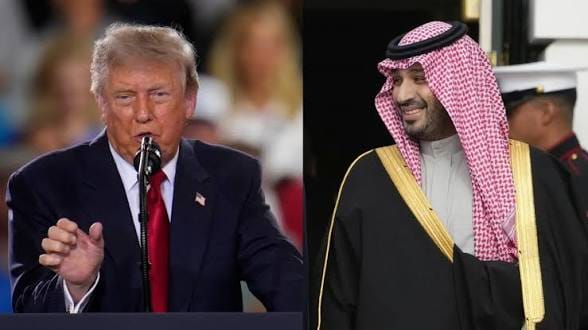
No group publicly claimed responsibility for that attack. However, US President Donald Trump blamed Iran for the incident. The allegation came amid wider regional tensions involving Iran and groups aligned with Tehran.
The East-West pipeline is strategically important to Saudi Arabia because it provides an alternative route for transporting oil toward the country's western coast instead of relying entirely on routes through the Persian Gulf. The reported attack therefore raised additional concerns about the security of Saudi Arabia's energy infrastructure.
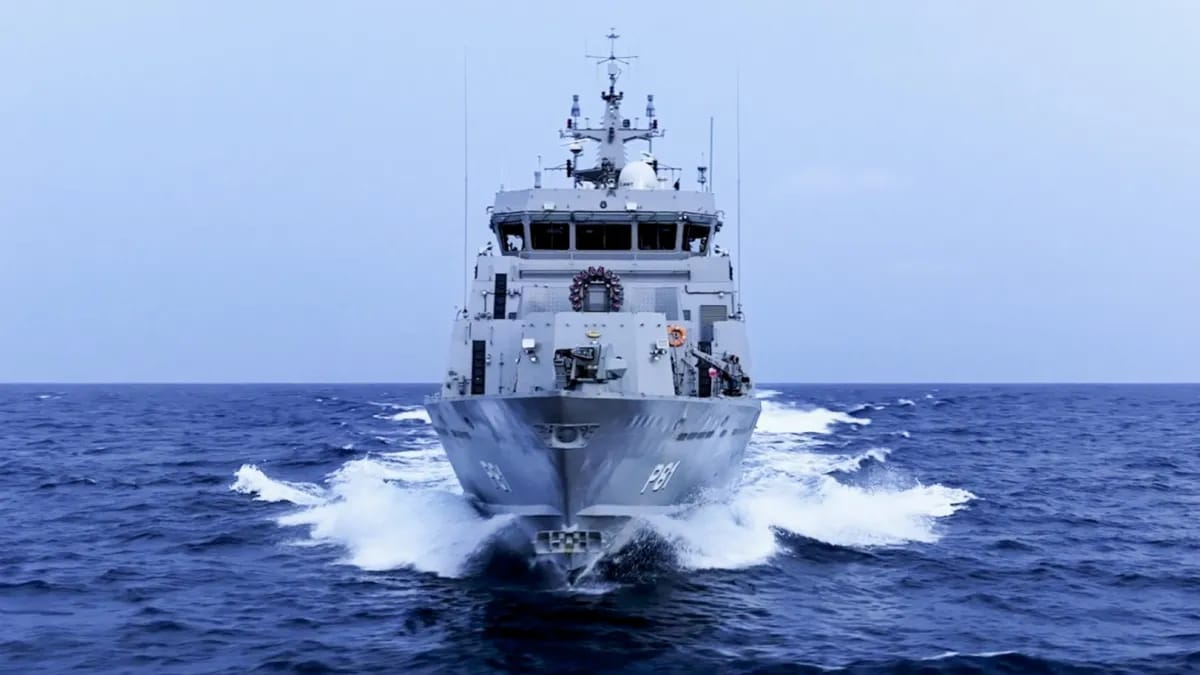
The wider situation in Yemen and the Red Sea is also contributing to regional security concerns. The report says that the Houthi movement has been expanding its influence in parts of western Yemen, while control and military activity around strategically important islands and ports near the Red Sea remain sensitive issues.
The Bab al-Mandeb Strait is a major international maritime route connecting the Red Sea with the Gulf of Aden. It is important for global shipping and energy transportation, meaning that prolonged instability in the area could have consequences beyond the immediate region.
For Saudi Arabia, the situation creates a difficult security challenge. Riyadh has to protect its citizens, major cities, religious sites and critical infrastructure while also managing the risk of becoming involved in another prolonged conflict in Yemen.
Regional analysts cited in the report have suggested that Saudi Arabia would prefer to avoid a large-scale and lengthy military confrontation. At the same time, repeated attacks and security alerts can increase pressure on Saudi authorities to respond.
The United States also remains an important factor in the regional security equation. According to the report, Saudi Arabia has sought external security assistance, while Washington faces its own strategic considerations over direct involvement in another regional conflict. Intelligence cooperation and military advisory support have also been discussed.
The emergency alert in Mecca was later withdrawn, but the incident has highlighted the continuing security concerns surrounding Saudi Arabia's holy cities and strategic infrastructure. The developments in the coming days will depend on the level of missile, drone and maritime activity across the region.




.jpg)
.jpg)