


A major step has been taken to move forward with the Kishau Multipurpose Project. On September 15, 2026, Uttar Pradesh, Uttarakhand, Himachal Pradesh, Haryana, Rajasthan and Delhi reached an agreement on the project in New Delhi. Union Home Minister Amit Shah and Union Jal Shakti Minister C.R. Patil were also present during the agreement.
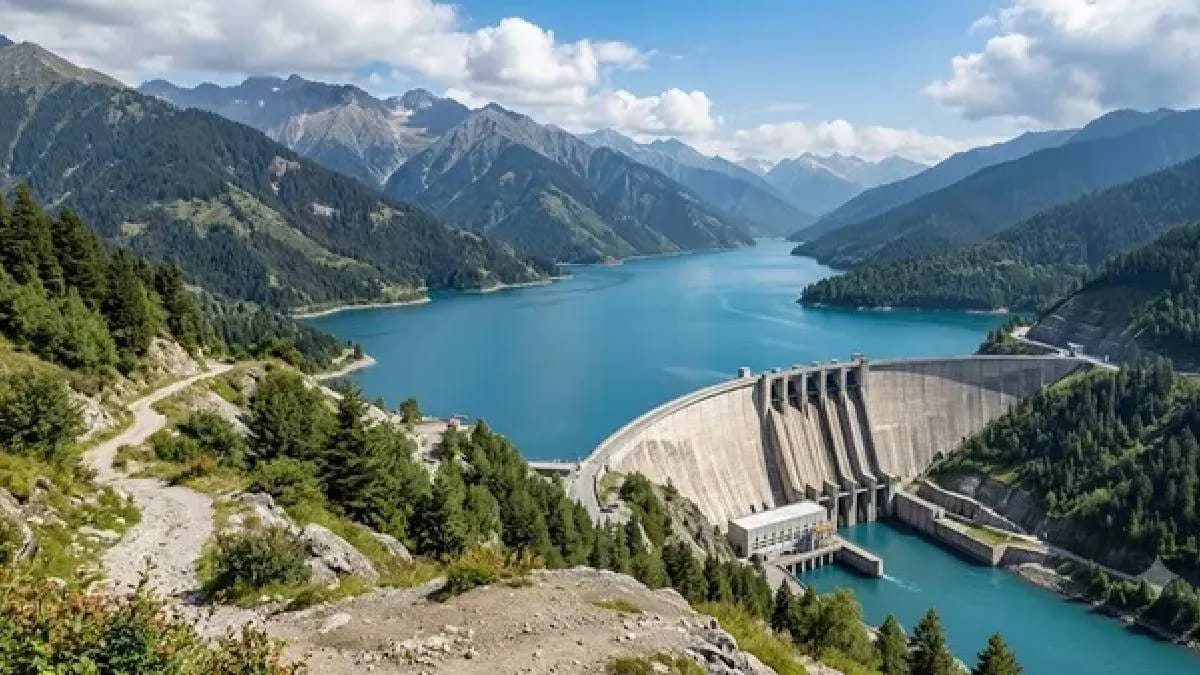
The project is proposed on the Tons River, near the border of Himachal Pradesh and Uttarakhand. The Tons is an important tributary of the Yamuna. The main objectives of the project are to increase water storage, provide water for irrigation, meet drinking and industrial requirements and generate hydropower.
What is the Kishau Project?
Kishau is a multipurpose dam project that has been under discussion for several decades. The project was declared a National Project in 2008, but differences among the participating states over financial responsibilities, power and water allocation delayed its progress.
The latest agreement has cleared an important hurdle. According to the official project details, a concrete gravity dam of around 232.6 metres is proposed on the Tons River. Project documents have also referred to a hydropower capacity of 660 MW, while more recent reports describe the revised project as a 422 MW scheme. The final capacity will depend on the approved project design and subsequent clearances.
The project is planned to create irrigation potential for around 97,000 hectares. Water will also be available for drinking and industrial requirements. Under the financial arrangement, around 90 percent of the water-component cost is to be supported by the Central Government.
Why is the Project Important for Six States?
The Kishau Project is linked to water storage and distribution in the Upper Yamuna basin. Storing water at the dam can help regulate its availability and distribute it among participating states according to the agreed arrangements.
Delhi is expected to receive water for drinking and other requirements. Haryana, Uttar Pradesh and Rajasthan are expected to benefit through improved water availability and irrigation. Uttarakhand and Himachal Pradesh are directly connected to the location and construction of the project.
What Does Haryana Gain?
Haryana has been seeking greater water storage in the Upper Yamuna basin. The Kishau Project is being considered along with projects such as Renukaji and Lakhwar, which are also intended to increase water availability in the Yamuna basin.
Additional water availability can support irrigation in Haryana, particularly in areas dependent on river and canal-based water resources. The project is therefore significant for the state’s long-term water management.
What Does Himachal Pradesh Gain?
The project is closely linked to Himachal Pradesh because part of the proposed project area lies within the state. One of the major issues delaying the project was the financial responsibility for the power component.
Under the new arrangement, Delhi, Rajasthan and Haryana have agreed to bear the estimated cost of around ₹2,000 crore associated with Himachal Pradesh’s power component. This reduces the financial burden that Himachal Pradesh was earlier expected to face.
The Himachal Pradesh government has also stated that the state is expected to receive around 1,000 million units of electricity annually from the project, with an estimated value of more than ₹1,200 crore. The actual benefit will depend on the final project arrangements and implementation.
What Does Delhi Gain?
For Delhi, the project is primarily important because of its potential to improve water availability. Greater storage in the Yamuna basin is expected to support drinking-water requirements and other needs in the national capital.
The project is also expected to contribute to maintaining water flow in the Yamuna basin. However, the actual benefits will become clearer after construction, water-allocation arrangements and the required approvals are completed.
Water Storage and Power Generation
The official project details indicate that Kishau is designed as a major water-storage project. It is planned to provide irrigation potential over approximately 97,076 hectares and generate hydropower. Different project stages and documents contain different figures for power capacity and generation, so the final numbers will depend on the approved design. ([Press Information Bureau][1])
The stored water is intended for irrigation, drinking and industrial requirements. The project is therefore being viewed as part of a broader water-management strategy for the Upper Yamuna basin.
What Happens Next?
The six-state agreement removes a major administrative and financial obstacle, but several steps remain before construction can begin. Technical approvals, environmental and forest clearances, rehabilitation arrangements and other statutory processes will have to be completed.
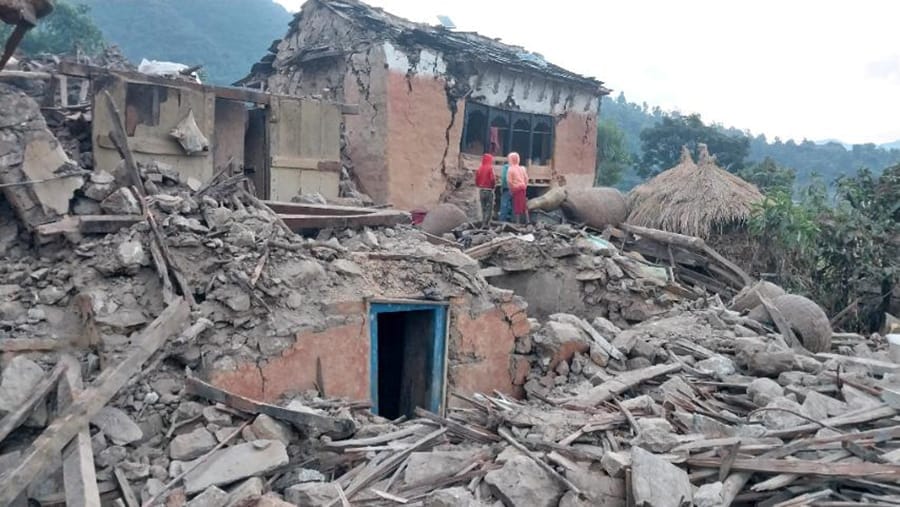
The official project information states that 17 villages are expected to be affected by the reservoir, with around 5,498 people requiring rehabilitation. Ensuring proper rehabilitation and compensation for affected families will therefore remain an important part of the project’s implementation. ([Kishau Corporation][3])
The agreement between the six states has opened the way for the long-delayed Kishau Project to move ahead. Once completed, the project is planned to provide benefits related to water storage, irrigation, drinking water and hydropower across the participating states.




.jpg)
.jpg)