
Political activity is intensifying in Uttar Pradesh ahead of the 2027 Assembly elections. Samajwadi Party chief Akhilesh Yadav is scheduled to begin a PDA Rath campaign in Rae Bareli on September 24, 2026. The programme is expected to give a public launch to the party’s campaign strategy based around the PDA social coalition. According to the announced schedule, Yadav will board the PDA Rath near Churuwa on the Rae Bareli border and later travel to the residence of MLA Rahul Lodhi in the district.
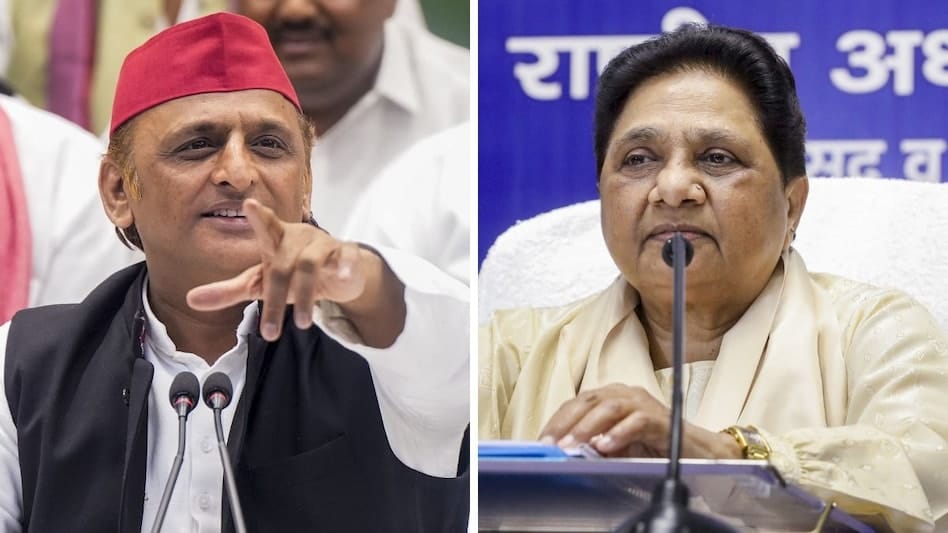
Amid these preparations, Bahujan Samaj Party chief Mayawati has criticised the Samajwadi Party and questioned the political symbolism of the newly prepared PDA Rath. In her social media posts, Mayawati focused particularly on the colour of the vehicle, saying that it appears to have more of a saffron appearance than the traditional red associated with the Samajwadi Party. She questioned whether the change in visual identity reflected a broader electoral strategy. These remarks are Mayawati’s political claims and should be understood as part of her criticism of the SP.
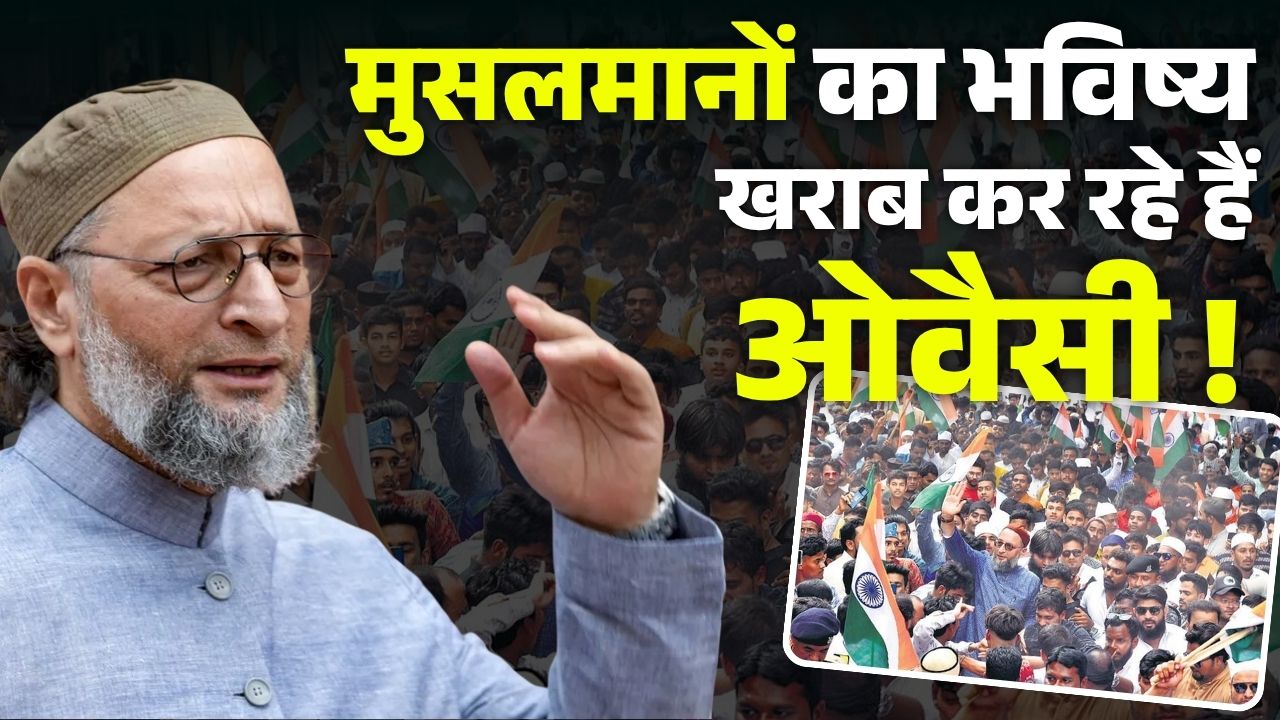
Mayawati also brought Muslim voters into the discussion. She claimed that sections of the Muslim community were reassessing their political choices after supporting the Samajwadi Party in previous elections. She argued that some voters may now be considering alternatives and claimed that sections of the Muslim and Brahmin communities were moving towards the BSP. The available reports present these statements as Mayawati’s claims; they do not independently establish a measurable shift of these voter groups towards the BSP.
The BSP chief also questioned the meaning and political use of the PDA formulation. She alleged that the interpretation of the initials had changed according to electoral circumstances. Mayawati referred to earlier references to backward classes and Dalits and also criticised the more recent use of “Pandit” for the letter “P”. She further targeted Akhilesh Yadav’s use of blue clothing and a blue scarf, linking the colour with the Ambedkarite political symbolism traditionally associated with the BSP.
The dispute reflects a wider contest over political symbols and social coalitions in Uttar Pradesh. The Samajwadi Party has been presenting its PDA strategy around backward classes, Dalits and minorities, while recent political activity has also included outreach towards Brahmin voters and the use of blue in some public appearances. Political observers have linked these changes to the SP’s broader effort to expand its social support base before the 2027 election.
Mayawati, meanwhile, has sought to emphasise the BSP’s own political identity. In her statement, she described the party as an Ambedkarite organisation committed to the interests of all sections of society and referred to employment, dignity, social respect, public welfare and development.
She also highlighted her governments’ record on law and order and development, presenting these points as reasons for the BSP’s political relevance. These are positions and claims put forward by Mayawati herself.
Akhilesh Yadav’s September 24 programme in Rae Bareli will be closely connected to the SP’s preparations for the next Assembly election. His planned travel on the PDA Rath and meeting with local party leaders are part of the party’s wider public mobilisation and outreach programme.
The Rae Bareli visit is therefore significant not only as a local political event but also as an early public demonstration of the SP’s campaign structure.
With the 2027 Uttar Pradesh election approaching, political parties are increasingly focusing on caste and community equations, symbolic politics, organisational outreach and attempts to build wider social coalitions. Mayawati’s latest remarks put her BSP directly into the debate over the SP’s PDA strategy, while Akhilesh Yadav’s Rath campaign is set to take that strategy into the field. The political contest over these social and symbolic issues is likely to remain an important feature of Uttar Pradesh politics in the period leading up to the election.



.jpg)
.jpg)